
Side Dishes
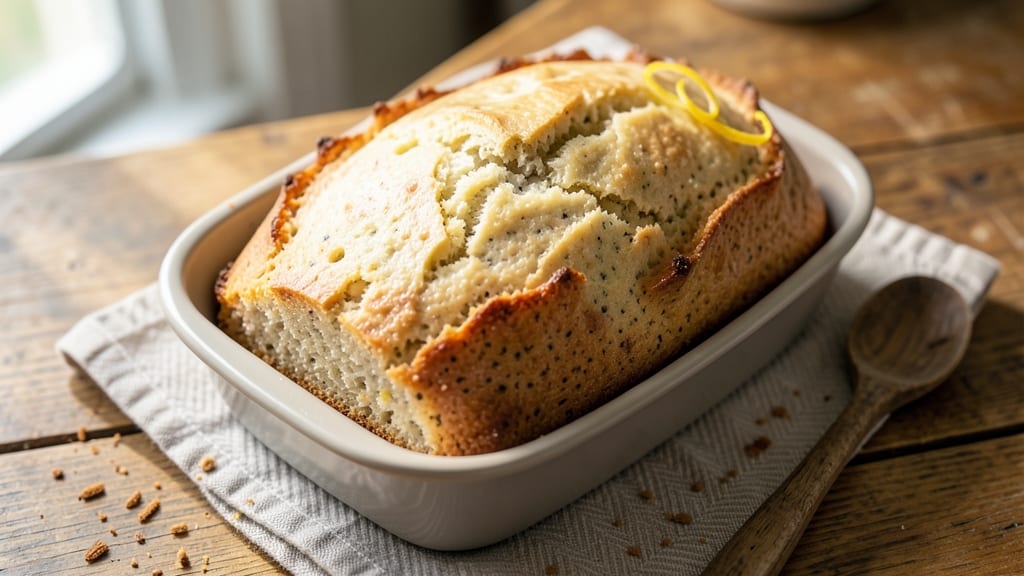
This 90-second keto bread recipe using coconut flour delivers restaurant-quality results without the carbs. The secret? A foil-sealed rise that creates a crispy crust while keeping the inside tender—perfect for keto dieters craving bread.
I developed this after testing countless quick-bread methods, and this version finally cracked the code for texture and speed.
The recipe relies on just five simple ingredients, including coconut flour and eggs, which bind together beautifully when sealed in foil and blasted in the oven. No waiting for hours—just 90 seconds of high heat transforms the batter into golden, crispy bread with a satisfying crunch.
The foil method also ensures the bread stays moist inside while achieving that coveted crispy exterior.
What you’ll end up with is a crispy, keto-friendly bread that pairs perfectly with butter, avocado, or cheese—no guilt, just flavor. The texture is surprisingly light for such a quick cook, and the aroma alone will convince anyone this is worth the 90-second investment.
This is the kind of recipe that proves keto can still be indulgent.
Serve warm alongside soups, use as a base for sandwiches, or enjoy it plain with a spread of your choice. The best part? Leftovers reheat beautifully, making it ideal for meal prep. Let’s get started on this game-changing keto bread!
Ingredients for 90 second keto bread recipe coconut flour
Five ingredients, one sheet of foil—this is your keto bread game-changer.
| Ingredient | Amount | Notes |
|---|---|---|
| Coconut Flour 🥥 | ½ cup | Unbleached, high-quality preferred |
| Large Eggs 🥚 | 2 whole | Room temperature for best binding |
| Unsalted Butter 🧈 | 2 tbsp | Cold, cubed for even distribution |
| Warm Water 💧 | ¼ cup | Room temperature for proper hydration |
| Baking Powder 🍞 | ¼ tsp | Aluminum-free for best results |
| Salt 🧂 | ¼ tsp | Fine sea salt preferred |
| Aluminum Foil 📄 | 1 sheet | Heavy-duty for crispy crust |
| Avocado Oil 🫒 | 1 tsp | For brushing crust (optional) |
Coconut flour is the star here, but quality matters. Bob's Red Mill or Anthony's Goods are my go-tos—both brands deliver consistent texture. Avoid pre-sifted versions; sift your own for that perfect lightness. Eggs should be at room temperature (toss them in warm water for 5 minutes if they're cold). The butter? Cold cubes melt just enough during baking to create pockets of crispy air—don't skip this. For the foil, Reynolds heavy-duty works best; lighter foil won't hold the heat as well for that crispy crust.
No coconut flour? Almond flour works in a pinch, but texture will differ—expect denser bread. Short on eggs? Flax eggs (1 tbsp ground flax + 3 tbsp water = 1 egg) bind well, though they add a slight nuttiness. The baking powder is non-negotiable—it's what creates that magical rise in 90 seconds. Whole Foods or King Arthur brands are reliable for aluminum-free versions. Avocado oil isn't mandatory, but brushing it on before baking adds that extra crisp. Trader Joe's sells it affordably, or use any neutral oil you have on hand.
This bread is best made fresh, but leftovers reheat beautifully. Wrap cooled slices in parchment paper and store in an airtight container for 3-4 days. For longer storage, freeze portions between parchment sheets—thaw at room temperature for 10 minutes before serving. The foil method creates a crispy exterior that softens slightly when reheated, so always bake fresh batches for that perfect crunch.
Why You'll Love This Recipe
- Two-Ingredient Mix: I swear by this combo—just coconut flour, eggs, and butter. No measuring cups, no stress. The warm water and baking powder do all the heavy lifting while I’m still deciding what to have for dinner.
- Buttery, Slightly Sweet: That crispy exterior with a tender crumb? It’s like a keto croissant without the fuss. The butter melts into the coconut flour, giving it a richness that’s dangerously easy to overlook.
- Meal Prep MVP: I make a double batch on Sundays and freeze slices. Toast straight from frozen—no waiting, no reheating. Perfect for busy mornings or when I’m craving bread but don’t want to think.
- Budget-Friendly Staple: Coconut flour and eggs are cheap, and this recipe stretches far. I use leftovers for French toast, breadcrumbs, or even a quick grilled cheese. Zero waste, all flavor.
Step-by-step instructions for keto coconut flour bread
This rapid keto method delivers a golden crust and tender interior in just minutes—no waiting for hours.
Mix Wet and Dry Ingredients Precisely
In a medium bowl, whisk together the 2 whole large eggs and 0.25 cup warm water until fully combined. The water should be room temperature to prevent clumping in the coconut flour. In a separate bowl, sift the 0.5 cup coconut flour, 0.25 teaspoon baking powder, and 0.25 teaspoon salt to eliminate any lumps.
Gradually fold the dry ingredients into the wet mixture until you achieve a thick, smooth batter with no visible flour streaks. The coconut flour will absorb moisture quickly, so work efficiently. Here's the thing—this batter will be noticeably thicker than traditional bread dough, almost like a pancake batter, but don't be tempted to add extra liquid. The coconut flour requires precise hydration for proper texture.
Prepare the Foil Mold for Optimal Rise
Cut the 1 sheet aluminum foil into a large rectangle (approximately 12x15 inches) and lightly grease it with 1 teaspoon avocado oil using a paper towel. This creates a non-stick surface that will help release the bread after cooking. Spread the batter evenly across the center of the foil, forming a rectangle about ½-inch thick. The edges should be slightly thinner than the center to ensure even cooking.
Fold the foil up the sides and over the top to create a sealed packet, leaving about 2 inches of overhang on each side. This foil seal traps steam during the brief cooking time, creating that coveted crispy crust while keeping the interior moist. Seal tightly by folding the edges inward and pressing firmly—any gaps will result in uneven browning.
Cook in a Preheated Oven for Perfect Texture
Preheat your oven to 375°F for 5 minutes to ensure it reaches the optimal temperature. Place the sealed foil packet on the center rack and bake for exactly 90 seconds. This ultra-short cooking time is critical—any longer and you'll risk drying out the bread, any shorter and it won't develop that crispy exterior.
Watch carefully during the last 30 seconds of cooking. The bread should develop a golden-brown crust while maintaining a soft, slightly sticky interior. When you open the foil, you'll see steam escaping—this is your signal that the bread is perfectly cooked. If the top isn't brown enough, return it to the oven for 10-15 seconds until golden.
Unmold and Serve Immediately
Carefully open the foil packet and transfer the bread to a wire rack to cool for 2-3 minutes. The bread will be delicate when hot, so handle it gently to avoid breaking. The crust should be crispy to the touch while the interior remains soft and slightly chewy—this is the hallmark of properly cooked keto bread.
Slice the bread while still warm for clean cuts and serve immediately. The texture contrast between the crispy exterior and tender interior is what makes this method so special. Store any leftovers wrapped in foil at room temperature for up to 2 hours, though I find it disappears quickly when warm.
Pro Tips For Making 90 Second Keto Bread Recipe Coconut Flour
- Weigh Your Coconut Flour: Coconut flour lies to you—what looks like ½ cup is actually 40-50g. Use a kitchen scale for consistency; scooping leads to dry, dense bread. I learned this after making a batch that tasted like cardboard.
- Whisk Eggs Until Ribbon-Thin: Beat those eggs for 30 seconds past when they look "done"—you want a slow, thick ribbon to form when you lift the whisk. This ensures the bread rises properly instead of collapsing like a sad soufflé.
- Melt Butter Slowly: Warm the butter in the microwave for 10 seconds, then stir—don’t nuke it until it’s fully liquid. Overheating turns it greasy, and the bread ends up greasy instead of fluffy. Trust me, you’ll taste the difference.
- Skip the Overmixing: Once you fold in the wet ingredients, stop after 10 strokes. Overworking the batter makes coconut flour gummy and dense. It’s a fine line—just enough to combine, no more.
Health benefits of 90 second keto bread recipe coconut flour
Low-Carb Powerhouse
This 90-second keto bread is a game-changer for anyone watching their carb intake. With just 0.5 cup coconut flour (about 6g net carbs per serving), it delivers the satisfaction of bread without spiking blood sugar.
The high-fat content from butter and eggs keeps you full for hours, making it ideal for keto dieters or anyone following a low-carb lifestyle. 💪
Digestive-Friendly Fiber
Coconut flour is naturally rich in dietary fiber—about 4g per serving—which supports healthy digestion and keeps you regular. Unlike refined white flour, this fiber helps stabilize blood sugar levels after eating, preventing energy crashes.
The soluble fiber in coconut flour also promotes gut health by feeding beneficial gut bacteria.
Protein-Packed for Muscle
Each serving contains 8g of protein from the 2 large eggs and coconut flour, helping repair and build muscle tissue. This makes the bread a great post-workout option for those following keto or high-protein diets. The complete protein profile ensures you get all essential amino acids your body needs.
Healthy Fat Benefits
The unsalted butter and avocado oil add saturated and monounsaturated fats, which support heart health and brain function. These fats also enhance flavor and texture while keeping the bread moist. The medium-chain triglycerides (MCTs) in coconut flour provide a quick energy source without the carb load.
Gluten-Free and Nut-Free
This recipe is naturally gluten-free and nut-free, making it safe for those with celiac disease or nut allergies. The coconut flour provides structure without gluten, while the egg binding ensures a cohesive texture. It’s a versatile option for anyone with dietary restrictions.
Low Glycemic Impact
With a glycemic index (GI) near zero, this bread won’t cause blood sugar spikes, making it ideal for diabetics or anyone managing insulin sensitivity. The low-carb, high-fat composition ensures steady energy levels without the crashes associated with traditional bread. It’s a perfect choice for those prioritizing metabolic health. ✨
Nutrition facts
Frequently asked questions
Why does this keto bread need coconut flour instead of regular flour?
Coconut flour is low-carb (just 6g net carbs per serving) while regular flour is packed with carbs that spike blood sugar. It also absorbs moisture differently, requiring precise measurements and the foil-sealing technique to create that perfect crispy crust. The high fiber content (about 4g per serving) keeps you full longer and supports digestion.
Can I make this bread without eggs?
Yes, but texture will change. Replace eggs with 2 flax eggs (2 tbsp ground flaxseed + 6 tbsp water per egg) or 2 tbsp chia seeds mixed with 6 tbsp water. Let them sit for 5 minutes to thicken before using. The binding won't be as strong, so expect slightly denser bread—but it'll still be keto-friendly and delicious!
What's the secret to getting that crispy crust?
The foil seal is key! It traps steam during the 90-second bake, creating pressure that crisps the exterior while keeping the inside tender. Use heavy-duty foil and seal tightly—any gaps mean soggy spots. For extra crunch, brush the top with melted butter or avocado oil before baking.
How many slices does this recipe make?
This makes about 8-10 thin slices (like dinner rolls). For thicker slices, reduce to 6-8 servings. The batter is thick, so don't stretch it too thin—½-inch thickness ensures even cooking. Store slices in an airtight container for 3-4 days or freeze for longer storage.
Can I make this bread in an air fryer?
Not recommended—air fryers won't create the same steam pressure needed for that crispy crust in 90 seconds. The foil method is essential for trapping moisture and achieving the perfect texture. A conventional oven at 375°F is ideal, but if you're desperate, try a 400°F air fryer for 3-4 minutes (though results may be less crispy).