

What is on this site
This site is a collection of tested recipes for bread and baked goods, from classic loaves to modern twists. Every recipe is designed to be approachable yet precise, with clear steps and helpful notes for beginners and seasoned bakers alike.
The site is organised into categories—traditional breads, artisan techniques, quick recipes, and more—so you can jump straight to what you’re looking for. There are also guides on tools, troubleshooting common baking problems, and even a few stories behind the recipes themselves.
| Where | What is there | Go here if |
|---|---|---|
| Recipes | Tested bread and baked goods | You want a step-by-step guide |
| Guides | Tips on tools, techniques, and fixes | You’re stuck on a baking problem |
| Stories | Origins and traditions behind recipes | You want the history with the dough |
| About | How the site works and who runs it | You’re curious about the process |
How to read a page here
Every recipe page starts with the title, a short description, and the total time needed—including prep and baking. This helps you decide upfront if it fits your schedule. The ingredients list is grouped by type (flour, liquids, yeast, etc.) for easier shopping.
The steps are numbered, with notes in bold where something important changes or needs attention. Timings are always in minutes unless otherwise stated, and oven temperatures are in both Celsius and Fahrenheit.
If a step feels unclear, look for the ‘Why this matters’ section at the end—it explains the science or tradition behind it.
You can skip the ‘Equipment’ section on a first read, but it’s useful if you’re missing a tool or want to improvise. The ‘Variations’ section at the end suggests swaps for ingredients or techniques, so you can adapt the recipe to what you have.
When it does not work
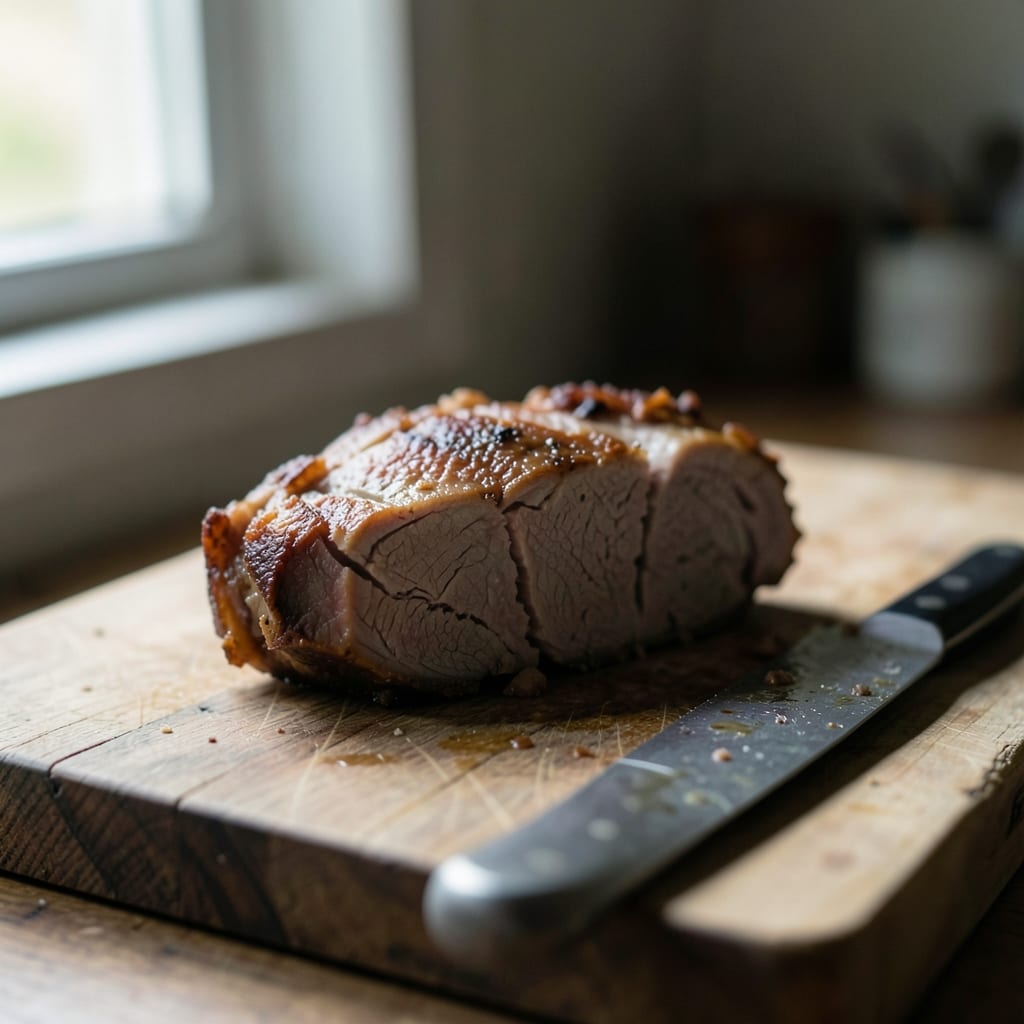
If a recipe fails—dough didn’t rise, bread was too dense, or the crust didn’t brown—check the basics first. Most issues come from temperature (oven too hot or cold), hydration (too much or too little water), or proofing time (rushed or overlong).
Before you give up
- Double-check your oven temperature with an oven thermometer—many run hot or cold.
- Weigh your ingredients by volume (cups/spoons) if the recipe uses them, not the other way around.
- Look for the ‘Common mistakes’ note in the recipe—it lists fixes for typical problems.
- Try the recipe again with the suggested adjustments before assuming it’s not for you.
Who we are

| The colophon | |
|---|---|
| Written by | Desmond Prescott, who tests every recipe in a small kitchen in Portland, Oregon, and writes them with the same care his grandmother used in hers. |
| Tested in | A 1970s-era kitchen with a single deck oven, a stand mixer, and a scale that’s seen better days. |
| Written with | A notebook, a digital scale, and a lot of flour on the counter. |
| Learned from | His grandmother, who never measured anything and always said ‘trust the dough’. |
| Still getting wrong | The exact science of sourdough fermentation—some days it just refuses to cooperate. |
There’s no magic to baking, just patience and attention. The best recipes are the ones that let you see what’s happening—and let you fix it when things go sideways.
If you need something that is not here
If you’re looking for a recipe that isn’t listed or have a question about a technique, the contact page is the best place to ask. Tell us what you’re trying to make, what you’ve already tried, and where you got stuck—it helps us give you the right answer.
The recipes are grouped by category: Appetizers, Beverages, Breakfast & Brunch, Desserts, Main Courses and Reviews.