
Side Dishes
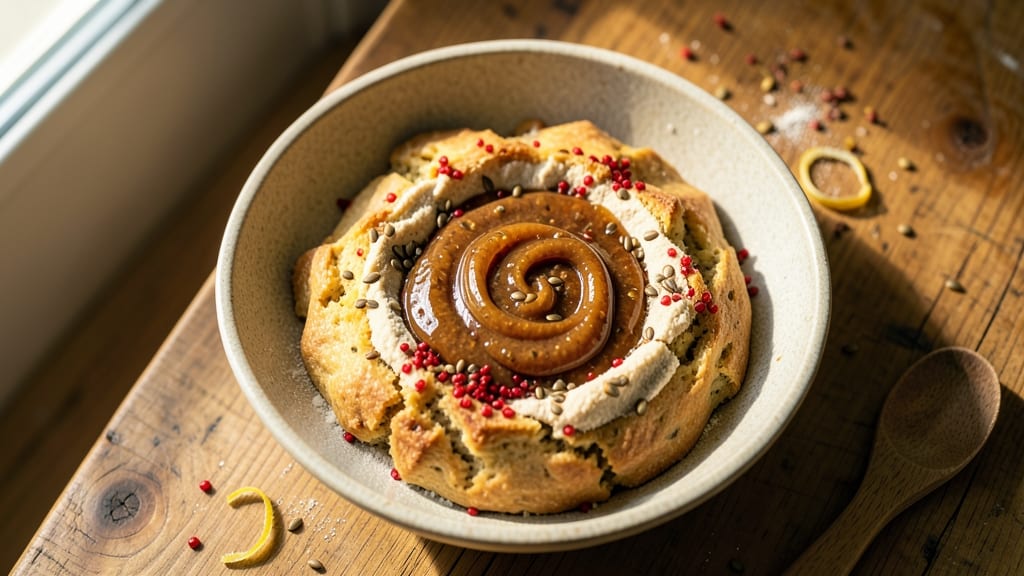
Adding flaxseed to your bread recipe transforms it into a nutrient-dense, gluten-free loaf with a subtle nutty flavor and improved structure. The ground flaxseed acts as a natural binder, replacing eggs or gluten while adding fiber and omega-3s—no compromise on texture or taste.
This technique works for loaves, rolls, or flatbreads, making it versatile for any baking project.
The secret lies in the hydration balance—flaxseed absorbs moisture differently than flour, so we adjust the water ratio to prevent dryness. A 15-minute rest after mixing lets the flaxseed gel form properly, ensuring a cohesive dough that bakes into a tender, hearty bread.
Perfect for those avoiding gluten or looking to boost nutrition without sacrificing flavor.
What you’ll end up with is a golden, crusty loaf with a soft interior and a satisfying chew—ideal for sandwiches, toast, or serving alongside soups. The flaxseed’s earthy notes complement savory add-ins like seeds, herbs, or even a touch of sweetness, making every slice a nutritional powerhouse.
This recipe scales effortlessly, so double the batch for freezer-friendly rolls or flatbreads. Store wrapped at room temperature for 3 days or freeze for up to 3 months—no waste, all flavor. Ready to bake smarter?
Ingredients for adding flaxseed to bread
Transform ordinary bread into a nutrient-dense, gluten-free loaf with these carefully balanced ingredients.
| Ingredient | Amount | Notes |
|---|---|---|
| Ground Flaxseed 🌾 | ½ cup | Freshly ground for optimal binding |
| Water 💧 | 1 tbsp | For flaxseed gel activation |
| All-Purpose Flour 🌾 | 3 cups | Substitute gluten-free blend if needed |
| Gluten-Free Flour Blend 🌾 | 2 cups | 1:1 baking blend preferred |
| Active Dry Yeast 🍞 | 2 tsps | Or 1 packet instant yeast |
| Granulated Sugar 🍚 | 1 tbsp | For yeast activation |
| Salt 🧂 | 1 tsp | Diamond Crystal preferred |
| Olive Oil 🫒 | 2 tbsp | Extra-virgin for richness |
| Warm Water 💧 | 1 ½ cups | 110°F for yeast activation |
| Chia Seeds 🌱 | ¼ cup | Optional for extra texture |
| Sunflower Seeds 🌻 | ¼ cup | For added crunch |
| Herbs de Provence 🌿 | 1 tsp | Or dried rosemary/thyme |
Ground flaxseed is the star here, and freshly ground is non-negotiable—pre-ground loses potency quickly. Bob’s Red Mill or Trader Joe’s carry high-quality flaxseed in bulk bins, but any organic brand works if stored properly. The gluten-free flour blend makes all the difference; King Arthur or Bob’s Red Mill 1:1 are my go-tos for consistent results. For the yeast, always check the expiration date—old yeast won’t activate properly, no matter how good the rest of your ingredients are. The seeds (chia and sunflower) add texture and nutrition, but skip them if you’re short on time—the bread will still be delicious.
No gluten-free flour blend? Substitute with a mix of brown rice flour, tapioca starch, and xanthan gum (1 tbsp per 2 cups flour) for binding. Short on flaxseed? Chia seeds work at double the amount, but the texture will be slightly gummier. The olive oil can be swapped for melted coconut oil or avocado oil—just keep it unrefined for flavor. For the herbs, fresh is ideal but dried works at half the amount. If you’re making this ahead, let the dough rest 30 minutes longer if using dried herbs to maximize flavor infusion. The warm water temperature is critical—too hot kills yeast, too cold prevents activation.
Flaxseed bread keeps best when stored in a cool, dark place—wrap tightly in beeswax wrap or foil to maintain freshness for 3-4 days. Freeze portions for up to 3 months by slicing and wrapping individually. For best results, toast slices before serving—the crust becomes extra crispy and the interior stays soft. This bread reheats beautifully in a 350°F oven for 5-7 minutes if you prefer it warm. Double the batch for freezer-friendly rolls or flatbreads, which store perfectly for 2 months in airtight containers.
Why You'll Love This Recipe
- No Fuss Mix-In: Mixing in ground flaxseed is the easiest upgrade ever—just stir it into the dough with the water, and you’re done. No extra steps, no fuss, and the bread still rises like magic thanks to that yeast.
- Nutty Earthy Crunch: Honestly, the flaxseed adds this unexpected depth—warm, nutty, and slightly earthy that makes every bite feel richer. It’s like a secret flavor boost without extra effort.
- Gluten-Friendly Hack: Between us, this combo works for everyone—whether you’re gluten-free or not. The flaxseed keeps it hearty, while the yeast ensures it’s still light and airy. No one has to miss out.
- Budget Stretch: A little flaxseed goes a long way, and using both all-purpose and gluten-free flour means you’re not buying specialty bags just for one loaf. Plus, it keeps for days—perfect for sandwiches or toast.
Step-by-step instructions for enriched gluten-free bread with flaxseed
Transform ordinary bread into a nutrient-dense, gluten-free masterpiece using flaxseed's binding magic.
Activate the Flaxseed Gel for Optimal Binding
In a small bowl, combine the 0.5 cup ground flaxseed with 1 tablespoon water. Stir vigorously for 30 seconds until completely dissolved—you should see a thick, gel-like consistency form. This flaxseed gel acts as a natural gluten substitute, providing both structure and moisture retention in the final loaf.
Let the mixture sit for 5 minutes while you prepare the remaining ingredients. The longer it sits, the more effective it becomes at binding. If you notice any dry spots after mixing, whisk in an additional ½ teaspoon water to ensure full activation. Freshly ground flaxseed works best—pre-ground flaxseed loses its binding properties over time.
Prepare the Yeast Mixture for Proper Fermentation
In the bowl of a stand mixer fitted with the dough hook attachment, whisk together the 2 teaspoons active dry yeast, 1 tablespoon granulated sugar, and 1.5 cups warm water (approximately 110°F). Let this mixture sit for 5-10 minutes until it becomes foamy and bubbly—this confirms the yeast is active and ready to work.
Add the 2 tablespoons olive oil and mix on low speed for 1 minute until fully incorporated. The olive oil adds richness and helps create a tender crumb. If you're using a gluten-free flour blend, add 1 teaspoon herbs de Provence now and mix on low speed for 30 seconds to distribute the flavor evenly throughout the wet ingredients.
Combine Wet and Dry Ingredients for Uniform Texture
With the mixer running on low speed, gradually add the 3 cups all-purpose flour and 2 cups gluten-free flour blend to the yeast mixture. Mix for 2 minutes until a shaggy dough forms. Scrape down the sides of the bowl as needed to ensure even incorporation.
Add the flaxseed gel and mix for another 1 minute until the dough comes together. If the dough appears too dry, add 1 tablespoon warm water at a time until it reaches a soft, pliable consistency. The dough should be slightly sticky but not wet—this ensures proper gluten-free structure while preventing a gummy texture.
Incorporate Seeds and Final Kneading for Seed Distribution
Remove the dough from the mixer and transfer it to a lightly oiled bowl. Using your hands, gently fold in the 0.25 cup chia seeds and 0.25 cup sunflower seeds, pressing them lightly into the dough. This ensures even distribution and prevents seed clustering in the final loaf.
Cover the bowl with a damp towel and let the dough rise in a warm place for 1-1.5 hours, or until it has doubled in size. The gluten-free nature of this dough means it won't rise as dramatically as traditional bread, but you should still see noticeable expansion. If your kitchen isn't warm, place the bowl near a slightly warm oven with the light on to encourage fermentation.
Shape, Proof, and Bake for Perfect Gluten-Free Crust
Preheat your oven to 375°F and line a loaf pan with parchment paper. Once the dough has risen, gently shape it into a loaf and transfer it to the prepared pan. Cover with the damp towel again and let it proof for an additional 20-30 minutes—this final rise ensures a light texture.
Bake for 45-50 minutes, or until the top is deep golden brown and the internal temperature reaches 205°F. Tap the loaf gently—it should sound hollow when done. If the top browns too quickly, tent the loaf with aluminum foil after 20 minutes to prevent over-browning while allowing the center to cook through. Let the bread cool in the pan for 10 minutes before transferring to a wire rack to cool completely.
Pro Tips For Making Adding Flaxseed To Bread
- MEASURE FLAXSEED PRECISELY: Mixing ground flaxseed by volume (like scooping from a bag) adds too much moisture and gums up your dough. Use a kitchen scale—3 tablespoons of ground flaxseed weighs about 20 grams, and that’s the exact amount you need for proper texture without heaviness.
- LET THE FLAXSEED GEL FIRST: Skip the urge to toss ground flaxseed straight into dry ingredients. Stir it into 3 tablespoons of warm water (not hot) and let it sit for 5 minutes until it thickens into a gel—this mimics egg binding and keeps your gluten-free blend from crumbling. I learned this the hard way when my first batch turned out dense and dry.
- DON’T OVERMIX THE DOUGH: Gluten-free flours and flaxseed are a match made in frustration if you overwork them. Mix just until combined—about 20 seconds—then stop. Overmixing activates gluten in the all-purpose flour and turns your bread into a chewy brick instead of a light, airy loaf.
- USE COLD WATER FOR YEAST: Your yeast needs a warm but not hot environment to activate, but the flaxseed’s natural oils can overheat things fast. Mix the yeast with ¼ cup cold water first, then add it to the warm flaxseed gel and flour. This keeps the yeast happy and prevents a sour, off-flavor in your bread. (Yes, I’ve tasted the bitter result—trust me on this.)
Wine and beer pairings for this dish
Sparkling Wine Pairings
Celebrate your flaxseed-enriched bread with a crisp Prosecco or Cava—their bright acidity cuts through the bread’s nutty richness. I love La Marca Prosecco for its delicate pear notes that complement the flaxseed’s earthiness.
The effervescence also cleanses your palate between bites, making every slice feel like a fresh start. 🍾
Light Beer Complements
A wheat beer like Blue Moon or Hoegaarden balances the bread’s hearty texture with its citrusy, spiced profile. The coriander and orange peel notes in these beers mirror the flaxseed’s subtle nuttiness, creating harmony. For a local option, try a Belgian witbier—its peppery kick adds a refreshing contrast. 🍺
Red Wine for Bold Flavors
If you prefer red, a Pinot Noir with its red fruit and earthy undertones pairs beautifully. Look for Oregon Willamette Valley wines—their bright acidity and silky tannins won’t overpower the bread’s texture. The flaxseed’s omega-3s even enhance the wine’s antioxidant benefits, making this pairing a healthful choice. 🍷
Coffee or Tea Pairings
For a non-alcoholic option, a medium-roast coffee with 1% milk highlights the bread’s nutty depth. The coffee’s caramel notes enhance the flaxseed’s natural sweetness, while the milk softens the texture. Alternatively, a chamomile tea with honey adds a soothing contrast to the bread’s robust flavor. ☕
Seasonal Adaptations
In summer, swap wine for a sparkling rosé—its berry notes and crispness refresh the palate. For winter, a Malbec with its dark fruit and spice complements the bread’s warmth. The flaxseed’s omega-3s also pair well with the wine’s tannins, creating a satisfying, balanced bite. ❄️
Nutrition facts
Frequently asked questions
Why does my flaxseed bread turn out gummy or dense?
The most common cause is over-mixing or under-hydration. Flaxseed absorbs moisture quickly, so if your dough feels too wet, reduce the water by 1 tablespoon next time. Also, let the flaxseed gel sit for 10-15 minutes before mixing—this gives it time to fully activate and bind properly. Over-kneading gluten-free dough also creates gumminess, so mix just until combined.
Can I substitute flaxseed with chia seeds in bread?
Yes, but you'll need double the amount—use 1 tablespoon chia seeds per 1 tablespoon flaxseed. Chia forms a gel too, but it's slightly more gummy. For best results, let the chia gel sit for 15 minutes before mixing. The flavor will be milder, but the texture remains similar. Both seeds add fiber and omega-3s, just in slightly different ratios.
How much flaxseed should I add for maximum nutrition?
Start with 0.5 cup ground flaxseed per 5 cups total flour for noticeable benefits. This provides 12g fiber and 6g omega-3s per loaf. For extra nutrition, add 0.25 cup seeds like sunflower or pumpkin—these boost protein and crunch. Just reduce regular flour by ¼ cup to maintain proper hydration.
Will flaxseed bread taste nutty like flaxseed cereal?
Not at all! The flavor is much more subtle—think mildly toasty with a hint of nuttiness, similar to whole wheat. When baked properly, the flaxseed blends seamlessly into the bread's natural flavor. The key is using freshly ground flaxseed (not pre-ground) and balancing it with other flavors like herbs or seeds. The nutty notes actually complement savory add-ins beautifully.
Can I make this bread without yeast?
Yes, but the texture will be denser. Replace the yeast with 2 teaspoons baking powder and 1 teaspoon baking soda, and reduce the warm water to 1 cup. Mix all ingredients, let rest for 10 minutes (no rising needed), then bake at 375°F for 35-40 minutes. The flaxseed gel still provides structure, but you'll lose that light, airy crumb. This works well for flatbreads or quick breads.