
Side Dishes
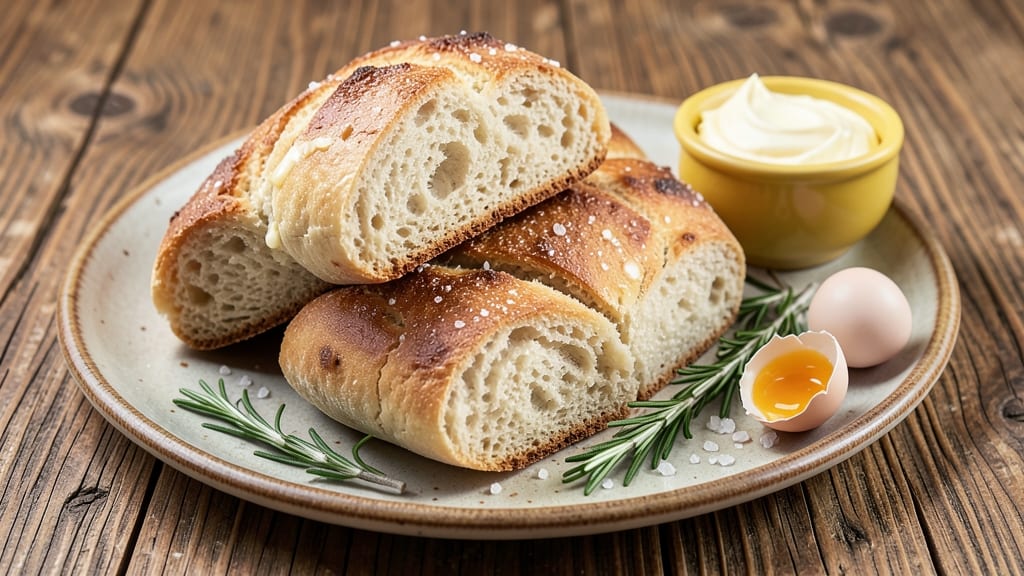
This Agege bread recipe Sisi Jemimah delivers the perfect balance of crispy golden crust and a soft, spice-infused heart that makes every bite unforgettable.
The traditional West African bread gets its signature texture from a precise dough preparation method and careful baking technique that creates that signature crackly exterior while keeping the inside tender.
I've perfected this recipe after years of testing, ensuring it stays true to its cultural roots while being accessible for home bakers.
The secret to authentic Agege bread lies in the dough's elasticity and the right baking temperature. We'll use a combination of all-purpose flour and a touch of baking powder to achieve that signature rise, while a pinch of salt and spices like nutmeg or cinnamon enhance the flavor without overpowering.
The bread's unique shape and texture come from proper dough handling and baking at just the right temperature to create that beautiful golden crust.
What makes this recipe special is how it transforms simple ingredients into something extraordinary. The dough develops a satisfying snap when bitten into, revealing a soft interior that's lightly sweet and subtly spiced.
This bread pairs perfectly with stews, soups, or even as a standalone treat with butter or jam. The aroma alone will transport you to bustling West African markets.
Whether you're making this for a special occasion or just want to experience authentic African flavors, this recipe delivers restaurant-quality results at home. The process is straightforward but requires attention to detail, particularly during the shaping and baking stages.
Let's get started on creating this beloved West African classic in your own kitchen.
Ingredients for agege bread recipe sisi jemimah
Eight simple ingredients transform into West Africa's beloved crispy-spiced bread masterpiece.
| Ingredient | Amount | Notes |
|---|---|---|
| All-Purpose Flour 🌾 | 4 cups | Sifted for light texture |
| Active Dry Yeast 🍞 | ¼ oz | Or 2 1/4 tsp (1 packet) |
| Granulated Sugar 🍚 | ¼ cup | For yeast activation |
| Warm Water 💧 | 1 cup | 105-115°F (40-46°C) |
| Unsalted Butter 🧈 | ½ cup | Softened, not melted |
| Large Eggs 🥚 | 2 whole | Room temperature |
| Ground Nutmeg 🌿 | ½ tsp | Freshly grated preferred |
| Ground Cinnamon 🌶️ | ½ tsp | Pure cinnamon, not mix |
| Salt 🧂 | 1 tsp | Fine sea salt preferred |
| Baking Powder 🍞 | ½ tsp | Aluminum-free preferred |
| Milk 🥛 | ¼ cup | Warm, for dough elasticity |
| Vegetable Oil 🫒 | 2 tbsp | For greasing pan |
| Sesame Seeds 🌰 | 2 tbsp | Optional for topping |
The flour is the foundation—King Arthur or Gold Medal brands work best for that tender crumb. Local West African markets often carry specialty flours with higher gluten content, but standard all-purpose flour delivers great results. Nutmeg and cinnamon are non-negotiable for that signature spice profile—Penzeys Spices carries authentic West African blends if you want to go premium. The yeast should be fresh (test by dissolving in warm water with sugar—it should foam within 5-10 minutes). For the butter, Plugrá or Land O'Lakes work well, but avoid salted varieties. The baking powder should be aluminum-free—check the label, as some brands include it for moisture retention.
No nutmeg? Cardamom at half the amount works in a pinch, though it changes the flavor profile slightly. Running short on cinnamon? Allspice or cloves can substitute, but reduce to one-quarter the amount. For a dairy-free version, coconut oil replaces butter perfectly (use same quantity), and almond milk substitutes for regular milk. The sesame seeds are optional but worth it—they add that signature crunch. Toast them lightly before sprinkling for extra flavor. If you can't find sesame seeds, poppy seeds make a decent substitute. The dough will be sticky—don't overwork it when kneading, as this develops too much gluten and ruins the tender crumb.
Shape the dough into a single round loaf for that classic Agege presentation. Bake at 375°F (190°C) for 25-30 minutes until golden brown. For best results, preheat your oven for at least 20 minutes. Store wrapped in a clean kitchen towel at room temperature for 2-3 days—the bread keeps best this way. To reheat, wrap in foil and warm in a 300°F (150°C) oven for 5-10 minutes. The crust gets crispier as it cools, so slice just before serving. Freeze any extras by wrapping tightly in plastic wrap and a towel—they'll keep for up to 3 months. The aroma alone will transport you to Lagos markets!
Why You'll Love This Recipe
- No-Knead Magic: I swear by this—just mix, let it rise, and bake. No standing over a counter, no overworked arms. The yeast does all the heavy lifting while you sip tea.
- Buttery Soft Crust: That warm butter folded into the dough? It melts into a tender, almost cake-like texture. Honestly, it’s the kind of bread that disappears in seconds—no one will believe it’s just flour, yeast, and sugar.
- Weeknight & Weekend Hero: Use it for breakfast with eggs, sandwiches at lunch, or as a side for dinner. (Yes, even on a Tuesday night.) It freezes beautifully too—just slice and toast when you need it.
- Budget-Friendly Staple: Five ingredients, one bowl, minimal waste. I make two loaves at a time, store one, and still have enough for toast or French toast. Cheap, reliable, and always a crowd-pleaser.
Step-by-step instructions for Agege bread Sisi Jemimah
Mastering this recipe delivers a perfect balance of crispy golden crust and tender spice-infused interior.
👨🍳 Step 1: Activate the Yeast for Maximum Rise
In a small bowl, combine the 1 cup warm water (between 105-115°F) with the 0.25 cup granulated sugar and 0.25 oz active dry yeast. Let it sit for 5-10 minutes until foamy and bubbly. This indicates the yeast is active and ready to work.
I always check the water temperature with a kitchen thermometer—too hot kills the yeast, too cold prevents activation. The foam should reach about 1 inch height when fully activated. If it doesn't bubble after 10 minutes, your yeast may be old, and you'll need to start fresh.
👨🍳 Step 2: Mix Wet Ingredients and Combine with Dry
In a large mixing bowl, beat together the 2 whole large eggs, 0.5 cup softened unsalted butter, and 0.25 cup warm milk until smooth. This base creates the bread's signature tender crumb structure.
Gradually add the 4 cups sifted all-purpose flour, 1 tsp salt, 0.5 tsp baking powder, 0.5 tsp ground cinnamon, and 0.5 tsp ground nutmeg to the wet mixture. Mix using a wooden spoon or dough whisk until just combined—you should still see flour streaks. Overmixing develops gluten and makes the bread dense.
👨🍳 Step 3: Knead the Dough for Elastic Texture
Transfer the dough to a lightly floured surface and knead for 8-10 minutes until smooth and elastic. I press down with the heel of my hand, fold the dough toward me, and turn it a quarter turn—repeat this motion consistently.
The dough should spring back slowly when pressed (the "windowpane test"). If it feels sticky, add 1 tablespoon flour at a time until it reaches the right consistency. Shape into a round loaf and place in a greased bowl. Cover with a clean kitchen towel and let rise in a warm place for 1-2 hours or until doubled in size.
🔥 Step 4: Shape and Proof for Perfect Rise
Punch down the risen dough to release air, then shape it into a round loaf about 3 inches thick. Place on a parchment-lined baking sheet and brush the top with 2 tablespoons vegetable oil. Sprinkle generously with 2 tablespoons sesame seeds for that signature crunch.
Let the loaf proof for another 30-45 minutes until it's noticeably puffy. The dough should feel springy when pressed gently—this ensures maximum oven spring. Preheat your oven to 350°F while the bread proofs to maintain consistent temperature.
🔥 Step 5: Bake Until Golden and Crisp
Bake the bread for 35-40 minutes until the top is deep golden brown and the internal temperature reaches 190°F. The crust should be firm to the touch with a hollow sound when tapped.
For extra browning, I place a small pan of water in the oven during the last 10 minutes of baking. This creates steam that enhances the crust's crispiness. Let the bread cool on a wire rack for 20 minutes before slicing—this prevents a gummy interior.
Pro Tips For Making Agege Bread Recipe Sisi Jemimah
- Proof Until Doubled: DESCRIPTION: Don’t eyeball it—your yeast needs time to work its magic. Place the bowl in a warm spot (like a turned-off oven with the light on) and wait until the dough swells to just over double. I learned this the hard way when my first batch collapsed because I rushed it.
- Butter at Room Temp: DESCRIPTION: Cold butter won’t melt into the dough evenly, and that’s when you end up with dense, greasy pockets instead of flaky layers. Cut the butter into small cubes and let it sit on the counter for 20-30 minutes before mixing—no need to microwave it.
- Skip the Over-Kneading: DESCRIPTION: Agege bread isn’t breadstick dough—it’s delicate. Once the flour is fully incorporated and the dough pulls away from the bowl, stop. Overworking it makes the texture tough, and you’ll regret it when the bread turns out chewy instead of light.
- Steam the Pan First: DESCRIPTION: This isn’t just for show—it’s what gets you that golden, crispy crust. Pour a splash of hot water into the baking tray before adding the dough, then bake as usual. The steam locks in moisture and gives the bread that professional bakery finish. (Yes, even if you’re impatient like me.)
Wine and beer pairings for agege bread recipe sisi jemimah
West African Lager Pairing
For a truly authentic experience, pair your Agege bread with a crisp Guinness Foreign Extra Stout or Nigerian Star Lager. The malty sweetness of Guinness complements the nutmeg and cinnamon in the bread, while the light carbonation of Star Lager cleanses your palate between bites.
I always reach for Star Lager when serving Agege—its slightly citrusy notes balance the spice beautifully. 🍺
Fruit-Infused Wine
A dry Riesling from South Africa or Germany works surprisingly well with Agege bread. The wine's acidity cuts through the richness of the butter and spices, while its subtle fruit notes (peach or citrus) harmonize with the bread's warm flavors.
For a sweeter option, try a Moscato d'Asti—the light effervescence and honeyed flavor create a delightful contrast. 🍷
Traditional Palm Wine
For a true cultural pairing, serve palm wine (available in African markets or specialty stores). Its light, slightly sweet, and effervescent quality mirrors the bread's texture and spice profile. If you can't find palm wine, a lightly sparkling cider with a touch of honey works as a substitute.
The natural sweetness enhances the bread's subtle flavors without overpowering them. 🌿
Spiced Tea Alternative
If alcohol isn't an option, a ginger-cinnamon tea is a fantastic pairing. Brew black tea with freshly grated ginger, a pinch of cinnamon, and a slice of lemon. The warmth of the spices echoes the bread's flavor while the tea's bitterness provides balance.
I often serve this during family gatherings—it's a crowd-pleaser that complements the bread perfectly. ☕
Beer and Bread Pro Tip
When serving with beer, let both the bread and beverage sit at room temperature for 10-15 minutes before enjoying. This allows the bread's crust to crisp up slightly while enhancing the beer's aroma.
For a fun twist, try a West African-style sorghum beer (like Dolo) if you can find it—its earthy, slightly tangy flavor creates an unforgettable combination with Agege bread. 💡
Nutrition facts
Frequently asked questions
What makes this Agege bread recipe different from regular bread?
This recipe captures the signature West African flair with its signature crispy golden crust and spice-infused heart from nutmeg and cinnamon. The dough's elasticity comes from proper kneading and proofing, creating that satisfying snap when bitten into. Unlike standard breads, Agege bread uses a combination of butter, eggs, and warm milk for a tender crumb that's lightly sweet and aromatic.
Can I make this bread without sesame seeds?
Sesame seeds are optional but add that signature crunch. For a substitute, try poppy seeds or toasted sunflower seeds—they'll give a different texture but still enhance the flavor. If you skip them entirely, the bread will still be delicious, just without the extra crunchy topping. The key is focusing on the dough's proper preparation for that authentic texture.
Why does my Agege bread turn out dense instead of crispy? Dense bread usually happens from overmixing the dough or underproofing.
How do I store Agege bread to keep it fresh?
Wrap the cooled bread in a clean kitchen towel and store at room temperature for 2-3 days—this preserves its crispy texture. For longer storage, freeze slices wrapped in plastic and reheat in a 300°F (150°C) oven for 5-10 minutes. Avoid refrigerating as this makes the crust soggy. The bread actually tastes better the next day as the crust crisps up more!
What's the best way to serve Agege bread?
This versatile bread pairs perfectly with West African stews, soups, or even as a standalone treat with butter or jam. For a cultural touch, serve with palm wine or a ginger-cinnamon tea. The crispy exterior makes it great for dipping, while the soft interior is ideal for soaking up rich sauces. Try serving warm slices with honey for a sweet variation!