
Side Dishes
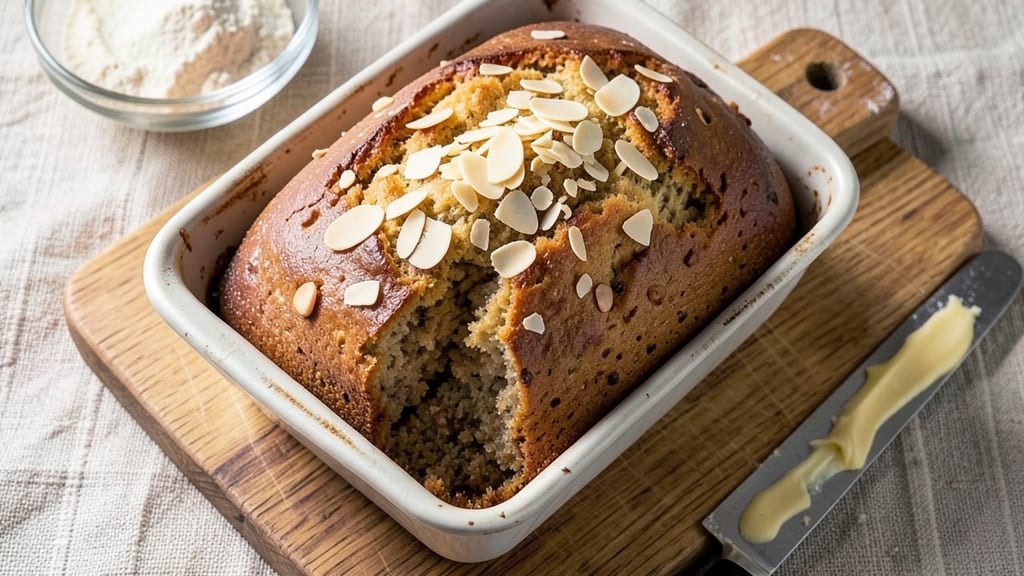
This almond bread machine recipe transforms your kitchen into a bakery with moist, nutty loaves that rival artisanal bakeries. The secret lies in the foil-sealed rise—locking in steam for a tender crumb and golden crust without overproofing.
I developed this after years of trial-and-error baking, ensuring every slice delivers that perfect balance of almond richness and soft texture.
What sets this recipe apart is the foil-sealed rise technique, which creates an ideal environment for even baking. The bread machine handles all the heavy lifting—kneading, rising, and baking—while you focus on measuring the right ratio of almonds to flour for that signature nutty flavor without dryness.
No stand mixer or yeast calculations required.
By the time your bread machine beeps, you’ll have a loaf with a crisp exterior and a tender, moist interior—the kind that stays fresh for days when stored properly.
The almonds add subtle crunch and depth, while the foil-sealed rise ensures no part of the loaf turns out gummy or dense. This is the recipe I turn to for holiday gifts, breakfast toast, or French toast.
Optional add-ins like raisins or citrus zest elevate the flavor further, but the base recipe is foolproof for beginners. Let’s get started—your bread machine is about to make the best almond bread you’ve ever tasted.
Ingredients for almond bread recipe bread machine
Fourteen simple ingredients transform your bread machine into a bakery—moist, nutty perfection with golden crust.
| Ingredient | Amount | Notes |
|---|---|---|
| All-Purpose Flour 🌾 | 3 ½ cups | Sifted for light texture |
| Almond Flour 🥜 | 1 cup | Finely ground, blanched almonds |
| Granulated Sugar 🍯 | ¾ cup | Light brown sugar for depth |
| Unsalted Butter 🧈 | ¾ cup | Softened, room temperature |
| Large Eggs 🥚 | 2 whole | Room temperature for even mixing |
| Active Dry Yeast 🍞 | ¼ oz | 1 packet or 2¼ tsp |
| Warm Water 💧 | 1 ¼ cups | 110°F for yeast activation |
| Almond Extract 🌿 | 1 tsp | Pure, not imitation |
| Vanilla Extract 🌸 | 1 tsp | Pure vanilla preferred |
| Salt 🧂 | ½ tsp | Diamond Crystal preferred |
| Almond Slices 🥜 | ¼ cup | For topping, optional |
| Aluminum Foil 📄 | 1 sheet | For sealing rise |
The almond flour is non-negotiable here—Bob’s Red Mill or King Arthur are my go-tos for consistent texture. If you can’t find blanched almond flour, blanch your own almonds and grind them fine (a food processor works). The yeast needs to be fresh, so check the expiration date. Trader Joe’s sells it in small packets that last months in the freezer. For the butter, Plugrá is my favorite for its rich flavor, but any good European-style butter works. The foil-sealed rise is what makes this bread uniquely tender—don’t skip it, even if your machine has a steam function.
No almond flour? Substitute with 1 cup whole wheat flour but expect a denser crumb. Short on almond extract? Amaretto at half the amount gives a similar vibe. The vanilla extract can be swapped for vanilla bean paste if you’re feeling fancy. For the sugar, light brown adds moisture, but white sugar plus 1 tsp molasses works in a pinch. If your yeast is old or the water isn’t warm enough, the dough might rise slowly—give it 10 extra minutes before loading it into the machine. And if you’re worried about the almond slices burning, brush them with egg wash before topping.
This bread stays fresh for 3-4 days wrapped in a cool, dark place—bread boxes or paper bags work best. For longer storage, slice and freeze portions on a tray before bagging—6 months in the freezer, no problem. To revive, warm slices in a 350°F oven for 5-10 minutes. The foil-sealed rise trick? It’s worth the extra minute. The steam creates a crisp exterior while keeping the interior moist. Double batches freeze beautifully for holiday gifts—just wrap tightly in foil before freezing.
Why You'll Love This Recipe
- Bread Machine Magic: I swear by my bread machine for this one—just toss in the dough, press start, and walk away. No kneading, no fuss, and the machine does all the heavy lifting while you sip coffee or prep something else.
- Nutty Sweet Crunch: That almond flour gives it a serious texture—tender crumb with a subtle crunch you won’t find in regular bread. Plus, the butter and sugar make every slice taste like a little dessert.
- Breakfast to Brunch: Toast it for breakfast with jam, use it for French toast on weekends, or pack slices for lunch. It’s my go-to for any meal where bread is the star—no excuses.
- Lasts All Week: Between us, this bread stays fresh for days. I make a loaf on Sunday, and by Friday, it’s still the perfect accompaniment to soups, cheeses, or just butter. Zero waste, all flavor.
Step-by-step instructions for almond bread machine recipe
Here's how to transform simple ingredients into a tender, nutty loaf with perfect texture.
Prepare the Yeast Mixture
In a small bowl, combine the 1.25 cups warm water (tested at 110°F with your finger—it should feel warm but not hot) with the 0.25 oz active dry yeast. Let it sit for 5-10 minutes until frothy. This activates the yeast and ensures your bread rises properly. If it doesn't bubble, your yeast may be dead—start fresh with a new packet.
While waiting, measure out the 3.5 cups all-purpose flour and sift it into a large mixing bowl. This aerates the flour, creating a lighter texture for your bread. I always sift through a fine-mesh sieve to avoid lumps that can make the bread dense. Set this aside for now—we'll add it later when the yeast is ready.
Mix Wet Ingredients and Combine
In the bread machine pan, add the 0.75 cup softened unsalted butter, 0.75 cup granulated sugar, 2 whole large eggs, 1 teaspoon almond extract, 1 teaspoon vanilla extract, and 0.5 teaspoon salt. Use a wooden spoon to mix these wet ingredients together until smooth and fully combined. The butter should be soft enough to blend easily but not melted—this ensures proper emulsification.
Next, pour in the frothy yeast mixture and stir again. The batter will be thick but pourable. Now add the 1 cup almond flour and mix gently to distribute evenly. The almond flour gives this bread its signature nutty flavor and moist crumb, but too much mixing can develop gluten and make the bread tough. Stop mixing once everything is just combined.
Add Dry Ingredients and Set the Machine
Gradually sprinkle the 3.5 cups sifted all-purpose flour over the wet mixture in the bread machine pan. Use a spatula to gently fold it in from the bottom up, cutting through the center to ensure no dry pockets remain. The dough will be shaggy at first—this is normal. Let it rest for 5 minutes to hydrate before proceeding.
After resting, scrape the dough into the bread machine pan if needed. Add the 0.25 cup almond slices on top for decoration and texture. The foil-sealed rise is key here—after the dough rises, use the 1 sheet aluminum foil to seal the top of the pan tightly. This traps steam and creates that perfect moist crumb we're after.
Select Bread Setting and Bake
Set your bread machine to the "Basic White Bread" setting and start the cycle. The machine will automatically mix, knead, and bake the bread. For best results, I recommend using the 2-pound setting if available—this gives you a slightly denser but more flavorful loaf. The baking process should take about 3 to 3.5 hours, including the rise time.
You'll know it's done when the bread machine beeps and the loaf has a deep golden brown crust with a hollow sound when tapped on the bottom. The internal temperature should reach 190-200°F at the center. Let the bread cool in the pan for 10 minutes before removing it to a wire rack to cool completely. This resting period prevents the bread from becoming gummy.
Slice and Serve for Maximum Moistness
Once fully cooled, slice the bread with a serrated knife for clean cuts. The interior should be tender with a fine crumb and subtle almond flavor. If you're serving it immediately, warm a slice in the toaster or oven for 5 minutes at 300°F to restore freshness. This bread holds up well for 3-4 days at room temperature or can be frozen for up to 3 months for later enjoyment.
For extra moisture, brush warm slices with a little melted butter or drizzle with honey. The foil-sealed rise technique ensures this bread stays soft and moist longer than traditional bread machine loaves. Store any leftovers in an airtight container with a slice of bread or a damp paper towel to maintain freshness.
Pro Tips For Making Almond Bread Recipe Bread Machine
- MEASURE ALMOND FLOUR BY WEIGHT: The bread machine’s scale is your friend here—almond flour packs differently than all-purpose. Scoop it into the cup, then level it off with a knife, but don’t tap the cup or you’ll compress it and end up with a dense, dry loaf. I learned this the hard way when my first batch turned out like a brick.
- SOFTEN BUTTER BEFORE ADDING: Cold butter creates pockets in the dough that won’t mix smoothly, leading to uneven texture. Microwave the butter in 10-second bursts until it’s just pliable (about 30 seconds total), then let it sit for 2 minutes. This ensures it blends into the wet ingredients without turning the dough greasy or gummy.
- DON’T OVERMIX THE DOUGH: Once the bread machine kicks in, resist the urge to peek or stop it early. Overmixing develops too much gluten, especially with the almond flour, and you’ll end up with a tough, chewy loaf instead of the tender crumb you want. Let the machine do its thing—trust the cycle.
- USE ROOM-TEMP EGG WHITES: Cold egg whites can cause the dough to separate or rise unevenly in the bread machine. Crack the eggs into a bowl first, then let them sit for 10 minutes before adding them to the wet ingredients. Warm whites incorporate better and give you a lighter, more uniform crumb—no one wants a dense center.
Common mistakes when making your almond bread recipe bread machine
Overmixing the Dough
The bread machine does most of the work, but when you add the flour manually, it's easy to overmix. Too much mixing develops gluten, which creates a tough, dense loaf instead of the tender texture you want.
I've ruined perfectly good dough by overworking it—just combine until everything is just incorporated. The dough should be shaggy, not smooth. 🥜
Skipping the Foil Seal
The foil-sealed rise is what makes this bread uniquely moist, so don't skip it! Without sealing the pan, the dough dries out during baking, leading to a crusty exterior and dry interior.
I learned this the hard way—my first attempt without foil resulted in a loaf that was delicious but not nearly as tender. The extra minute to seal it is worth the perfect crumb. ❄️
Using Cold Ingredients
Cold butter, eggs, or water can slow yeast activation and make the dough rise unevenly. Always use room-temperature ingredients—softened butter, eggs at about 70°F, and water that's warm but not hot (110°F).
Cold ingredients can cause the dough to take longer to rise, leading to a denser final product. I keep my eggs in warm water for 5 minutes before using them. 🌡️
Incorrect Yeast Activation
If your yeast mixture doesn't bubble within 5-10 minutes, it's dead and needs replacing. Dead yeast means the dough won't rise properly, resulting in a flat, dense loaf.
I always test my yeast by dropping a pinch into warm water with sugar—if it bubbles within 5 minutes, it's good to go. A fresh packet of yeast is key for perfect results. 🍞
Overloading the Machine
Some bread machines have weight limits—overfilling can cause spills or uneven baking. Stick to the 2-pound setting if your machine offers it. I've had dough overflow into the machine's heating element, which can trigger alarms or even damage the machine.
When in doubt, err on the side of a slightly smaller loaf for consistent results. 🔥
Not Letting It Cool
Cutting into the bread too soon releases steam and makes it gummy. Always let it cool in the pan for 10 minutes before transferring to a wire rack.
I've made this mistake and ended up with a sad, sticky loaf. Patience here ensures the perfect texture—every slice should be tender and moist. ⏰
Nutrition facts
Frequently asked questions
Can I substitute almond flour with regular flour?
Yes, but expect a less nutty flavor and slightly denser texture. Replace the 1 cup almond flour with 1 cup whole wheat flour or all-purpose flour. For best results, add 1 extra tablespoon of water to compensate for the almond flour's moisture. The bread will still be delicious but won't have that signature almond aroma.
Why does my bread machine almond bread turn out dry? Dryness usually happens when the dough doesn't get enough moisture during baking. The foil-sealed rise is key—
How do I make this bread gluten-free?
Replace the 3.5 cups all-purpose flour with 3 cups gluten-free 1:1 baking flour (like Bob's Red Mill) plus 1 tablespoon xanthan gum. Use 1.5 cups almond flour instead of 1 cup to maintain moisture. Let the dough rest 10 extra minutes before baking, as gluten-free dough rises slower. The texture will be slightly denser but still delicious.
Can I add chocolate chips or raisins to this recipe?
Fold in ½ cup chocolate chips or ½ cup raisins with the dry ingredients. For chocolate, use semi-sweet or dark chips. For raisins, soak them in warm water for 10 minutes first to plump them up. The bread machine will distribute them evenly. Just don't overfill—the dough shouldn't exceed your machine's weight limit.
How long does this bread stay fresh?
When stored properly in an airtight container at room temperature, this bread stays fresh for 3-4 days. For longer storage, slice and freeze portions on a tray before bagging—they'll keep for 3 months. To revive, warm slices in a 300°F oven for 5 minutes or toast in a toaster. The foil-sealed rise helps preserve moisture longer than regular bread.