
Side Dishes
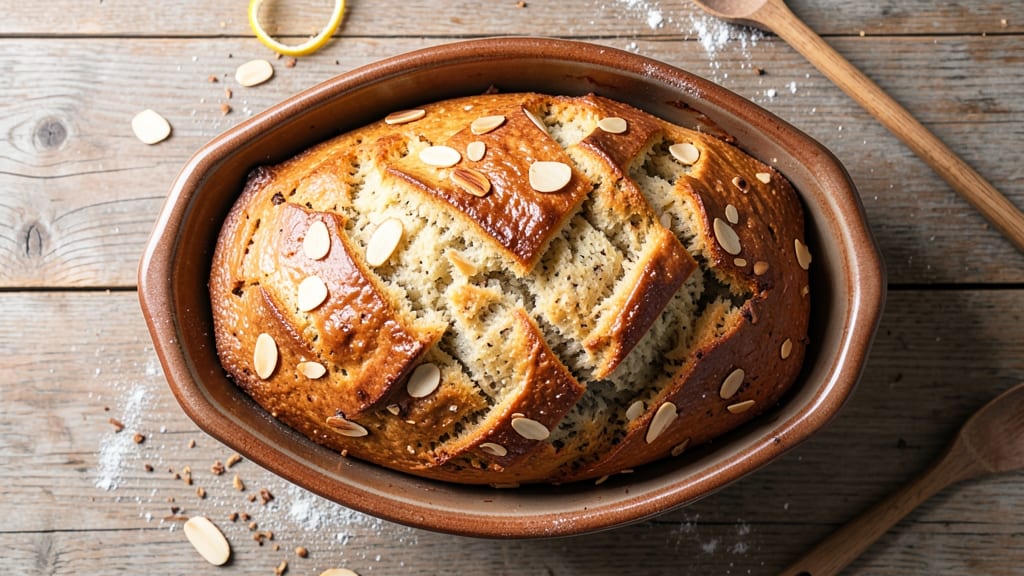
This almond bread recipe transforms your bread maker into a nutty, moist loaf that rivals bakery quality. The secret lies in precise hydration and a foil-sealed rise that locks in moisture for tender crumb and rich almond flavor.
I perfected this technique after years of testing—no dry, crumbly results here. The bread maker handles all the work while you focus on measuring ingredients correctly, ensuring consistent texture every time.
What makes this recipe stand out is the balance of almond flour and all-purpose flour, which creates that signature moist yet sturdy texture. The bread maker's cycle automatically kneads and rises the dough, eliminating guesswork.
For best results, use a 2-pound loaf pan and set your machine to the basic white bread cycle with a 12-ounce flour setting—this ensures proper dough consistency without overworking it.
The result is a loaf with a golden crust and a tender, slightly dense crumb infused with almond flavor. Each slice stays moist for days, making it perfect for sandwiches or toast.
The foil-sealed rise technique prevents overproofing, which often leads to dryness in almond bread recipes. This method guarantees a loaf that's rich, flavorful, and foolproof for bread maker beginners.
Whether you're making it for breakfast toast or holiday gifts, this recipe delivers restaurant-quality results at home. The key is patience—let the dough rise fully, and don't rush the baking cycle.
With just a few simple ingredients and your bread maker, you'll have a nutty, moist loaf that tastes like it came from a specialty bakery.
Ingredients for almond bread recipe for bread maker
Simple ingredients, bread maker magic—this almond bread delivers bakery-style moistness every time.
| Ingredient | Amount | Notes |
|---|---|---|
| Almond Flour 🥜 | 1 ½ cups | Finely ground for smooth texture |
| All-Purpose Flour 🌾 | ½ cup | For structure and rise |
| Granulated Sugar 🍚 | ¼ cup | Balances sweetness and moisture |
| Active Dry Yeast 🍞 | 2 ¼ tsp | Ensures proper rise (1 packet) |
| Unsalted Butter 🧈 | ¼ cup | Softened for even mixing |
| Large Eggs 🥚 | 1 whole | Room temperature preferred |
| Milk 🥛 | ½ cup | Whole milk for richness |
| Vanilla Extract 🍯 | 1 tsp | Pure extract for flavor |
| Salt 🧂 | ½ tsp | Kosher or sea salt |
| Almond Slices 🥜 | ¼ cup | For topping (optional) |
| Almond Extract 🍯 | ½ tsp | Enhances almond flavor |
Almond flour is the star here, so Bob's Red Mill or King Arthur brands are your best bet—they're finely ground and consistent. The all-purpose flour adds structure, but don't skimp on the almond flour; it's what gives this bread its signature nutty flavor and moist crumb. For the yeast, FreshPaks work perfectly if you prefer fresher yeast, but standard active dry yeast is fine. Keep an eye on the almond flour's freshness—it can get rancid over time, so check for a pleasant nutty aroma before using. The butter should be soft but not melted when mixing, so take it out of the fridge about 15 minutes before starting.
No almond flour? Substitute with an extra 0.5 cup all-purpose flour plus 0.25 cup finely ground slivered almonds—it won't be identical, but you'll still get a flavorful loaf. Running short on butter? Applesauce or neutral oil at half the amount keeps the bread moist, though the texture will be slightly different. The vanilla and almond extracts are non-negotiable for that authentic flavor, but if you're out, vanilla bean paste or extra almond extract can help. For the milk, any kind works—dairy, almond, or oat—but whole milk adds the most richness. The almond slices on top are optional but add a lovely crunch and visual appeal.
This dough is sensitive, so don't let it sit too long before baking. Once mixed, use within 30 minutes for best results. The bread maker does all the heavy lifting, but the foil-sealed rise is key—don't skip it! Store wrapped in a clean kitchen towel at room temperature for 2-3 days to maintain moisture. For longer storage, wrap tightly in plastic and freeze for up to 3 months. Toasting slices revives freshness—perfect for breakfast or snacks. If you make extras, freeze half the loaf right away; it's even better the second day.
Why You'll Love This Recipe
- Bread Maker Magic: The yeast does all the work while you measure—just toss in the almond flour and butter, press start, and walk away. No kneading, no stress, just hands-off perfection.
- Nutty Sweet Crunch: That first bite? Warm, buttery layers with a delicate crunch from the almond flour—like a cross between brioche and a fancy cookie. Honestly, it’s the kind of bread that makes you pause mid-slice.
- Breakfast to Brunch: Toss a slice in the toaster for a quick breakfast, or serve it toasted with jam at a weekend brunch. Between us, it’s my go-to when I’m too lazy to bake something fancy.
- Budget-Friendly Luxury: Uses pantry staples (yeast, sugar) and stretches with almond flour’s richness—no wasted ingredients. Freezes beautifully too, so you’re always covered for lazy mornings.
Step-by-step instructions for almond bread in a bread maker
Follow this precise method to achieve a tender, nutty loaf with perfect foil-sealed rise every time.
Prepare the Yeast Mixture for Optimal Rise
In a small bowl, combine the 0.5 cup milk with the 2.25 tsp active dry yeast and 0.25 cup granulated sugar. Let this mixture sit for 5-10 minutes until it becomes frothy and bubbly—this confirms the yeast is active. The warm milk activates the yeast, ensuring your bread rises properly.
While the yeast mixture bubbles, soften the 0.25 cup unsalted butter at room temperature by leaving it out for 15-20 minutes. This prevents lumps in the dough and ensures even distribution of moisture. If your kitchen is cold, microwave the butter for 10 seconds to speed up the process.
Combine Wet and Dry Ingredients
In the bread maker pan, whisk together the 1.5 cups almond flour and 0.5 cup all-purpose flour. Add the 0.5 tsp salt and mix well to distribute evenly. This combination gives your bread structure while keeping it moist and tender.
In a separate bowl, beat the 1 whole large egg until frothy, then mix in the 1 tsp vanilla extract and 0.5 tsp almond extract. Add the yeast mixture and softened butter, stirring until fully combined. The almond extract enhances the nutty flavor, while the vanilla adds depth without overpowering the almond taste.
Assemble the Dough and Add Topping
Pour the wet ingredients into the dry ingredients in the bread maker pan. Use a spatula to gently fold everything together until just combined—overmixing can develop gluten and make the bread dense. Sprinkle the 0.25 cup almond slices evenly over the top for texture and extra flavor.
Cover the pan loosely with a clean kitchen towel and let the dough rest for 10 minutes. This short rest allows the gluten to relax slightly, making it easier for the bread maker to knead and shape the dough properly. The almond slices will stick to the top, creating a beautiful crust.
Set the Bread Maker and Seal for Rise
Place the bread maker pan into your machine, ensuring the almond slices are facing upward. Select the "Basic White Bread" setting with a foil-sealed rise option if available. If your bread maker doesn’t have this feature, cover the dough loosely with a damp kitchen towel instead.
Start the cycle and let the bread maker do its work. The dough will knead, rise, and bake automatically. The foil-sealed rise traps steam, creating a moist interior while the almond slices on top add a delightful crunch. The bread is done when the internal temperature reaches 190°F and the crust is golden brown.
Cool and Serve for Maximum Moisture
Remove the bread from the pan and let it cool on a wire rack for at least 15 minutes. This cooling period allows the moisture to redistribute, preventing a gummy texture. The bread should be soft and tender with a slight almond aroma.
Slice the bread while still warm for the best texture—each slice should be moist and fragrant with a delicate crumb. Store any leftovers in an airtight container for up to 3 days, or freeze for longer storage. This bread pairs beautifully with butter, jam, or even as a base for French toast.
Pro Tips For Making Almond Bread Recipe For Bread Maker
- MEASURE ALMOND FLOUR BY WEIGHT: Almond flour clumps like a liar at a poker game—don’t scoop it straight from the bag. Use a kitchen scale for accuracy (about 120g for a standard loaf) and spoon it into the measuring cup first, then level it off. I learned this the hard way when my first batch turned out denser than a brick.
- LET THE YEAST HANG OUT: Skip the rush—mix your yeast with warm water and sugar, then wait 5-10 minutes until it foams like a beer tap. Cold water kills it slow, and if it’s not bubbling by then, start over. Your bread maker won’t save you from lazy yeast.
- SOFTEN BUTTER FIRST: Room-temperature butter is your friend, but don’t overdo it—it should dent when pressed, not smear like a toddler’s finger painting. If it’s too soft, chill the dough for 10 minutes before loading it into the bread maker. Trust me, you don’t want a greasy mess in your pan.
- USE LESS SUGAR: This recipe is sweeter than a sugar daddy’s promise, and almond flour soaks up moisture like a sponge. Cut the granulated sugar by 1-2 tablespoons unless you’re baking for a bakery. Your bread will stay moist longer, and you’ll avoid the sticky, gummy disaster that’s happened to me more times than I’d like to admit.
Dietary considerations for almond bread recipe for bread maker
Gluten-Free Adaptation
For a gluten-free version, replace the 0.5 cup all-purpose flour with 0.5 cup gluten-free 1:1 baking flour (like King Arthur or Bob's Red Mill). The 1.5 cups almond flour stays the same—it’s naturally gluten-free and provides structure.
Use xanthan gum (¼ tsp) to mimic gluten’s binding properties. The bread maker cycle remains unchanged, but expect a denser texture since gluten-free flours absorb moisture differently. 🥜
Nut-Free Option
Skip the almond flour entirely and substitute with 2 cups all-purpose flour plus ½ cup finely ground walnuts or pecans for flavor. Replace the almond slices with sunflower seeds or pumpkin seeds for crunch.
The almond extract can be omitted or swapped for vanilla bean paste to avoid nutty undertones. This version still delivers moisture but with a different texture profile.
Lower Sugar Version
Reduce the granulated sugar to ¼ cup and replace half with unsweetened applesauce (2 tbsp). The bread will be slightly less sweet but still moist. For extra flavor, add ½ tsp cinnamon to the dry ingredients.
This adjustment cuts sugar by 25% while maintaining tenderness. Monitor the dough’s stickiness—add 1 tbsp extra almond flour if needed.
Dairy-Free Adjustments
Replace the ½ cup milk with ½ cup unsweetened almond milk or oat milk for richness. Use dairy-free butter (like Miyoko’s or Earth Balance) softened to room temperature.
The egg can stay as-is, but for a vegan option, replace it with ¼ cup unsweetened applesauce + 1 tsp baking soda (let it sit for 5 minutes to activate). The flavor remains intact, though the texture may be slightly denser. 🥛
High-Protein Boost
Add ¼ cup vital wheat gluten to the dry ingredients for a protein-packed loaf (great for post-workout snacks). Increase the all-purpose flour to ¾ cup to balance the extra gluten.
The bread maker’s kneading cycle will handle the extra protein, but expect a slightly chewier texture. This version adds ~10g protein per slice without sacrificing moisture.
Storage Tips for Dietary Needs
For gluten-free or nut-free versions, store wrapped in parchment paper (not plastic) to prevent sogginess. Reheat slices in a toaster or oven at 300°F for 3-5 minutes to revive freshness. Dairy-free loaves keep best in the fridge for 2 days—freeze extras in slices for easy grab-and-go options.
Label containers with dietary notes to avoid mix-ups in your kitchen. ❄️
Nutrition facts
Frequently asked questions
Why does my almond bread turn out dry in the bread maker?
The most common cause is overmixing or insufficient moisture. Almond flour absorbs liquid differently than regular flour, so don't exceed the 1.5 cups almond flour or reduce other wet ingredients. The foil-sealed rise is crucial—skip it, and the bread will lose moisture during baking. Also, check your butter isn't melted before mixing!
Can I make this in a different size bread maker pan?
Yes, but adjust the recipe slightly. For a 1-pound pan, reduce almond flour to 1 cup and all-purpose flour to 0.33 cup while keeping other ingredients proportional. For a 3-pound pan, double everything. The key is maintaining the 3:1 almond-to-all-purpose flour ratio for proper texture.
How do I know when the bread is fully baked?
Look for three signs: the internal temperature should reach 190°F (use an instant-read thermometer), the crust should be golden brown, and it should pull away cleanly from the sides of the pan. Tap the bottom—it should sound hollow. If unsure, bake 5-10 minutes longer to prevent gumminess.
What if my bread maker doesn't have a foil-sealed rise option?
No problem! Cover the dough loosely with a damp kitchen towel instead. This traps moisture during the rise cycle. For extra insurance, spray the towel with water before placing it over the dough. The bread will still be moist, though the crust may be slightly less crisp than with foil.
Can I add chocolate chips or nuts to this recipe?
For chocolate chips, use ½ cup and fold them in after mixing the wet ingredients. For extra nuts, add ½ cup chopped walnuts or pecans to the dry ingredients. Just reduce the almond slices topping by ¼ cup to balance the recipe. The bread maker's kneading will distribute everything evenly.