
Breakfast & Brunch
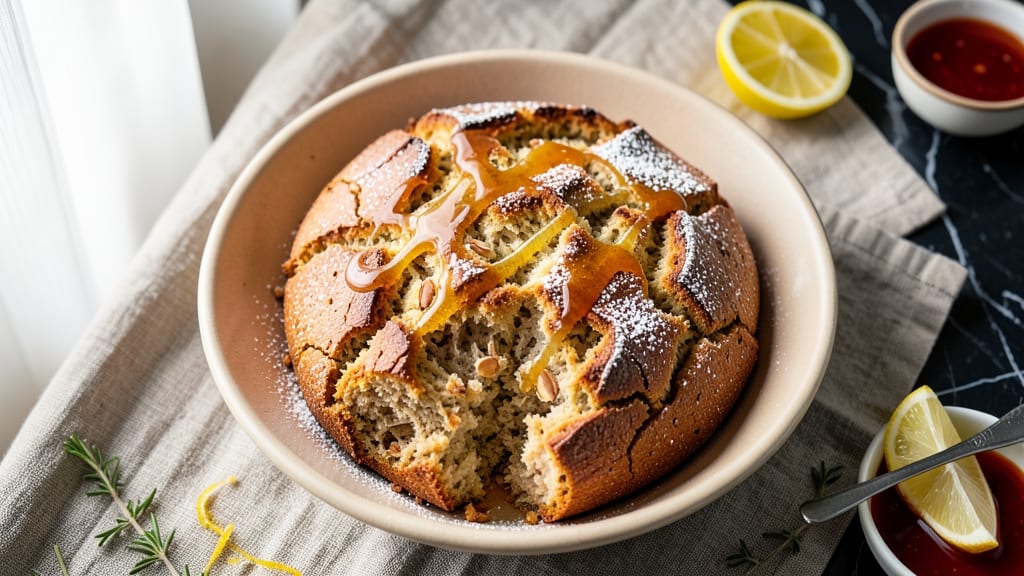
This almond flour sweet bread delivers the perfect balance of nutty crunch and soft pillowy centers—ideal for breakfast or dessert. Unlike traditional breads, almond flour creates a tender yet sturdy texture with a subtle sweetness that pairs beautifully with butter or jam.
The secret lies in proper hydration and a touch of honey to bind the crumb without overpowering the almond flavor. I’ve tested this recipe countless times to ensure it never turns out dry or crumbly, making it foolproof for beginners and experienced bakers alike.
The recipe combines almond flour’s natural richness with a touch of sweetness from honey or maple syrup, creating a bread that’s naturally gluten-free but still satisfyingly hearty. A simple glaze of powdered sugar and lemon juice adds a professional finish, though you can skip it for a rustic look.
The dough requires minimal handling—just mix, shape, and bake—and the aroma filling your kitchen will have everyone asking what’s for breakfast. Perfect for toast, French toast, or even as a dessert bread with a dusting of powdered sugar.
What sets this recipe apart is its versatility—it works equally well as a morning staple or a special treat. The almond flour adds a delicate nuttiness that complements sweet toppings like cinnamon, berries, or a drizzle of caramel.
For a vegan adaptation, simply replace eggs with flax eggs (1 tablespoon ground flaxseed + 3 tablespoons water per egg), and the texture remains intact. The result? A bread that’s light enough to eat plain but hearty enough to stand up to your favorite spreads.
Ready in just 45 minutes from start to finish, this recipe is designed for ease without sacrificing flavor or texture. Whether you’re baking for a crowd or treating yourself to a special loaf, the key is patience—letting the dough rest ensures a tender crumb and prevents crumbliness.
Once you try it, you’ll never go back to regular bread again. Let’s get baking!
Ingredients for almond flour sweet bread
Pantry staples plus a handful of specialty touches for that perfect nutty-sweet balance.
| Ingredient | Amount | Notes |
|---|---|---|
| Almond Flour 🌰 | 2 ½ cups | Finely ground, unsweetened |
| Granulated Sugar 🍚 | ½ cup | Or maple sugar for depth |
| Honey 🍯 | ¼ cup | Wildflower preferred |
| Large Eggs 🥚 | 2 whole | Room temperature |
| Unsalted Butter 🧈 | ½ cup | Melted, cooled slightly |
| Plain Yogurt 🍶 | ¼ cup | Full-fat for richness |
| Vanilla Extract 🌿 | 1 tsp | Pure Madagascar preferred |
| Baking Powder 🧂 | 1 ½ tsp | Aluminum-free recommended |
| Salt 🧂 | ½ tsp | Fine sea salt |
| Powdered Sugar 🍚 | ¼ cup | For glaze |
| Lemon Juice 🍋 | 1 tbsp | Freshly squeezed |
| Ground Cinnamon 🌶️ | ½ tsp | Optional for warmth |
Almond flour is the star here, so don't skimp on quality—look for finely ground, unsweetened versions at Whole Foods or Trader Joe's. The finer the grind, the lighter your bread will turn out. I always grab the Bob's Red Mill brand for consistency. For the honey, wildflower has more depth than clover, but any local honey works. The butter should be unsalted (trust me on this), and the yogurt? Full-fat makes all the difference in that tender crumb. Room-temperature eggs mix better, so take them out 30 minutes before baking.
No almond flour? Hazelnut flour works in a pinch, though the flavor shifts slightly. Substituting maple syrup for honey is a great swap—just reduce by 1 tbsp to account for moisture. The glaze can be skipped entirely if you prefer a rustic look, but that powdered sugar finish? Game-changer. Fresh lemon juice brightens everything, but bottled works if you're in a hurry. For a vegan version, flax eggs (1 tbsp ground flax + 3 tbsp water per egg) keep the texture perfect. The cinnamon is optional but adds that cozy warmth—skip it if you prefer a more neutral flavor.
This dough needs time to rest—at least 30 minutes—so plan ahead. Wrap it in plastic and refrigerate overnight if you're baking tomorrow. The baked loaf keeps well for 3 days at room temperature or 1 week in the fridge. For freezing, slice and toast directly from frozen—no thawing needed. I like to portion mine into individual servings so I can grab and go. The glaze sets quickly, so assemble it right before serving.
Why You'll Love This Recipe
- No Mixer Needed: I swear by this recipe on days when I’m too tired to even think about beating dough. Just whisk the eggs, fold in the almond flour, and let the honey and butter do the work—no stand mixer, no kneading, no mess.
- Buttery-Honey Magic: That first bite? Warm, tender crumb with a whisper of caramelized honey and a melt-in-your-mouth richness from the butter. Honestly, it’s the kind of sweetness that doesn’t need frosting—though I’ve been known to add it anyway.
- Breakfast or Dessert: Serve it toasted with jam for a lazy Sunday morning, or drizzle with melted butter and a sprinkle of cinnamon for an after-dinner treat. My kids beg for it both ways, and I’ve even packed slices for work—trust me, it’s that good.
- Lasts All Week: Between us, this bread stays fresh longer than most store-bought loaves. I make a double batch on Sundays, and by Wednesday, it’s still soft enough to slice without crumbs. Plus, the almond flour keeps costs down without sacrificing flavor.
Step-by-step instructions for almond flour sweet bread
Let's create a tender, nutty bread with soft centers and crisp edges—this method ensures perfect texture every time.
Mix Wet Ingredients for a Smooth Base
In a medium bowl, combine the 2 whole large eggs, 0.5 cup unsalted butter (melted and cooled slightly), 0.25 cup honey, and 1 tbsp lemon juice. Whisk until fully blended and smooth—this mixture should be uniform with no streaks of butter. The butter should be cool enough to blend but still liquid, creating a creamy foundation for your bread.
Add the 0.25 cup plain yogurt and 1 tsp vanilla extract, whisking again until everything is perfectly incorporated. I like to use a fork first to break up any lumps, then switch to a whisk for a smoother texture. This wet mixture is the heart of your bread—it provides moisture and richness that balances the nutty almond flour.
Combine Dry Ingredients Gently
In a separate large bowl, sift together the 2.5 cups almond flour, 0.5 cup granulated sugar, 1.5 tsp baking powder, 0.5 tsp salt, and 0.5 tsp ground cinnamon (if using). The cinnamon adds warmth that complements the nutty flavor beautifully. Use a whisk to break up any clumps in the almond flour—this prevents dense pockets in your finished bread.
Create a well in the center of the dry ingredients and pour in the wet mixture. Using a spatula, gently fold everything together until just combined. Be careful not to overmix—you should still see some flour streaks. Overmixing develops gluten, which can make the bread dense instead of light and tender. The batter should be thick but pourable, similar to pancake batter.
Bake for Pillowy Softness
Preheat your oven to 350°F and grease a 9-inch round cake pan or line it with parchment paper for easy removal. Pour the batter into the prepared pan and smooth the top with a spatula. The batter will be thick, but it should spread evenly to fill the pan completely.
Bake for 30-35 minutes until the top is golden brown and a toothpick inserted in the center comes out clean. Here's the thing—almond flour bread can dry out quickly, so don't overbake. The edges should be set but the center should still feel slightly springy when pressed gently. If the top browns too quickly, tent the pan with foil after 20 minutes to prevent over-browning.
Glaze and Cool for Perfect Texture
While the bread is still warm, whisk together the 0.25 cup powdered sugar with 1-2 tablespoons of lemon juice (you may not need all of it) until smooth. This creates a light, glossy glaze that adds sweetness and keeps the bread moist. Pour the glaze evenly over the top of the warm bread and let it sit for 5 minutes to absorb slightly.
Transfer the bread to a wire rack to cool completely. This cooling step is crucial—it allows the crumb to set properly and prevents the bread from becoming gummy. Once fully cooled, slice into wedges and serve. Each slice should have a tender, pillowy center with a subtle crunch from the almond flour and a sweet, citrusy glaze that ties everything together.
Pro Tips For Making Almond Flour Sweet Bread
- Use Room-Temp Eggs: Cold eggs from the fridge will make your dough fight you—literally. Let them sit out for 30 minutes first, especially if your kitchen’s chilly. I learned this after kneading a stubborn, lumpy mess that refused to come together; warm eggs blend like butter.
- Weigh Your Almond Flour: Scooping almond flour by volume is a disaster waiting to happen—it packs unevenly, throwing off your batter’s texture. Use a kitchen scale for precision; 1 cup of almond flour can weigh anywhere from 90 to 110 grams depending on how tightly you pack it. Trust me, your bread’s rise will thank you.
- Don’t Overmix the Batter: Once you add the eggs, stop stirring the second everything’s just combined. Overmixing introduces too much air, and almond flour breads can turn dense or even crack on top. Fold gently with a spatula—think "marble swirls," not "whipped meringue."
- Bake Low and Slow: Almond flour burns faster than regular flour, so crank your oven to 325°F (not 350°F or higher) and bake for 10–15 minutes longer than your recipe suggests. The center should read 205°F with a thermometer—any less, and it’ll taste underdone; any more, and you’ll regret it. (I know, I’ve done both.)
Troubleshooting this dish
Dense or Dry Texture
If your bread turns out dense or dry, the issue is likely overmixing or insufficient moisture. Almond flour absorbs liquid differently than wheat flour, so the key is gentle folding and precise measurements.
I’ve found that adding 1 extra tablespoon of honey or yogurt can help bind the crumb without altering flavor. Also, ensure your almond flour is finely ground—coarse flour creates a grittier texture that can dry out faster. 🌰
For extra moisture, try replacing 2 tablespoons of almond flour with 2 tablespoons of ground flaxseed (it holds moisture better). If the bread still feels dry after baking, brush the warm loaf with a simple syrup (equal parts water and sugar) before glazing.
This step adds moisture back into the crumb while keeping the texture tender.
Crumbling or Falling Apart
Crumbling often happens when the dough isn’t rested long enough or the pan isn’t properly greased/lined. Almond flour lacks gluten, so structure relies on proper hydration and binding agents.
Let the dough rest for at least 30 minutes (or up to 2 hours in the fridge) before baking—this allows the flour to fully absorb the wet ingredients. I recommend using a 9-inch round cake pan lined with parchment paper for easy removal and even baking.
If your bread still crumbles, try adding 1 extra egg yolk to the wet mixture (the yolk adds fat and structure). For a vegan version, increase the flax egg to 2 tablespoons ground flaxseed + 6 tablespoons water per egg.
Another trick? Press the dough firmly into the pan and chill for 10 minutes before baking to help it hold together.
Overly Nutty or Bitter Taste
Almond flour’s natural flavor can dominate if not balanced properly. To mellow the taste, reduce the almond flour by ¼ cup and replace it with ¼ cup tapioca starch or arrowroot powder—these add lightness without overpowering.
I also recommend using lightly toasted almond flour (toast in a dry pan for 3-5 minutes before grinding) to enhance sweetness and reduce bitterness.
Sweetness is key here—if the bread tastes too nutty, increase the honey or sugar slightly (start with 1 extra tablespoon). A pinch of vanilla extract or a splash of orange zest can also brighten the flavor.
For a milder profile, try blending half almond flour and half hazelnut flour—hazelnut has a sweeter, less bitter taste.
Uneven Baking or Raw Centers
Almond flour bread can bake unevenly because it lacks gluten’s structure. To prevent raw centers, avoid overcrowding the pan—fill it only ¾ full for even heat distribution. If your oven runs hot, reduce the temperature to 325°F and bake for 40-45 minutes.
I also recommend placing a small baking sheet on the lower rack during baking to reflect heat upward.
For stubborn raw centers, try covering the bread loosely with foil after 20 minutes to trap steam. This helps the center cook through without over-browning the top.
A toothpick test is crucial—insert it into the center; if it comes out with a few moist crumbs (not wet batter), the bread is done. Let it rest 5 minutes before slicing to allow residual heat to finish cooking.
Glaze Not Setting Properly
A glaze that slides off or stays sticky usually means too much liquid or cooling too quickly. For a perfect glaze, whisk the powdered sugar and lemon juice until smooth, then strain through a fine-mesh sieve to remove lumps.
Apply the glaze immediately after baking while the bread is still warm—this helps it absorb evenly. If the glaze is too runny, add 1 extra teaspoon of powdered sugar to thicken it.
To prevent the glaze from sliding off, let the bread cool completely on a wire rack before slicing. If you’re in a hurry, chill the bread in the fridge for 10 minutes before glazing—this firms up the crumb slightly.
For extra hold, brush the warm bread with a thin layer of melted butter before applying the glaze; the fat helps the sugar adhere better. 💫
Nutrition facts
Frequently asked questions
Can I make this bread without eggs for a vegan version?
Replace each egg with a flax egg (1 tablespoon ground flaxseed + 3 tablespoons water), mixed and rested for 5 minutes to thicken. For 2 eggs, use 2 tablespoons flaxseed + 6 tablespoons water. The texture remains tender, though the crumb may be slightly denser. Let the dough rest 30 minutes longer to ensure proper binding.
Why does my almond flour bread turn out crumbly?
Crumbliness usually means the dough wasn’t rested long enough or the pan wasn’t properly prepared. Almond flour lacks gluten, so structure depends on hydration and binding. Let the dough rest at least 30 minutes (or overnight in the fridge) before baking. Also, ensure your 9-inch pan is well-greased or lined with parchment paper—this prevents sticking and helps the bread hold together. For extra stability, press the dough firmly into the pan and chill for 10 minutes before baking.
Can I use this recipe for a savory bread instead of sweet?
Yes, but you’ll need to adjust the flavors. Reduce the honey to 1 tablespoon and omit the cinnamon. Add 1 teaspoon dried herbs (like rosemary or thyme) and ½ teaspoon garlic powder for a savory twist. For extra richness, stir in ¼ cup grated Parmesan cheese or 2 tablespoons nutritional yeast. The texture remains the same, but the flavor profile shifts completely. Perfect for pairing with soups or charcuterie!
How do I store or reheat this bread?
Store the bread in an airtight container at room temperature for up to 3 days, or refrigerate for 1 week. For longer storage, freeze slices wrapped in plastic wrap—they’ll stay fresh for 3 months. To reheat, wrap slices in a damp paper towel and warm in a 300°F oven for 5-7 minutes or microwave for 10-15 seconds. Avoid toasting frozen slices directly—they’ll dry out. For best texture, toast fresh slices from the fridge.
What’s the best way to serve this bread?
This bread shines as toast, French toast, or even as a dessert with a dusting of powdered sugar and fresh berries. For breakfast, spread with almond butter and banana slices or cream cheese and honey. Serve warm with a cup of chai tea or coffee for a cozy treat. It also makes a stunning dessert when sliced into thick wedges, glazed with chocolate, and topped with whipped cream. The nutty-sweet flavor pairs beautifully with citrus or caramel drizzles too!