
Desserts
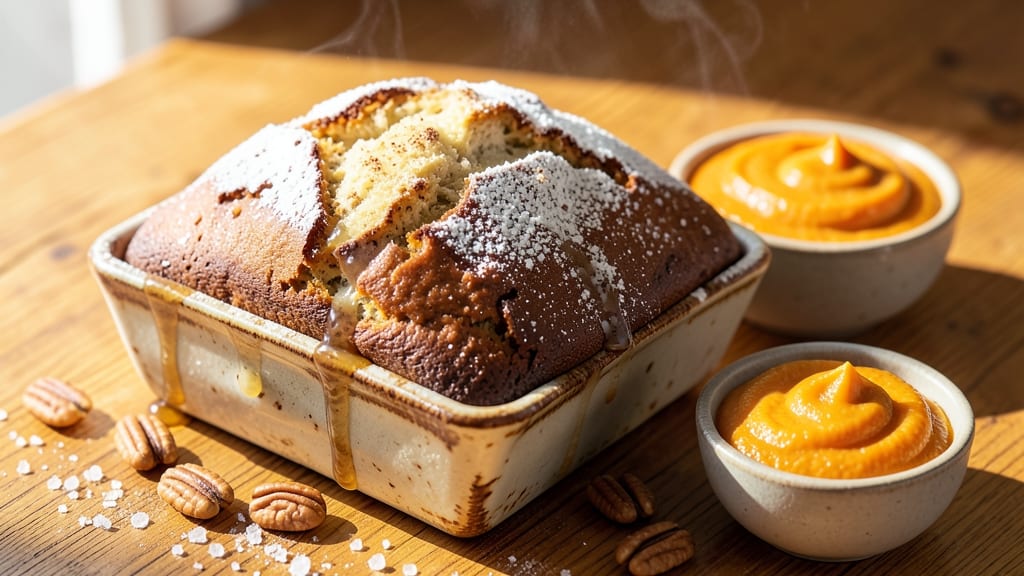
Alton Brown's pumpkin bread recipe delivers moist, spiced perfection with a signature foil-sealed rise that ensures a tender crumb every time. The secret lies in his precise mixing technique—creaming butter and sugar until light, then folding in pumpkin puree and warm spices for maximum flavor infusion.
This isn't your average pumpkin bread; it's a foolproof method that transforms ordinary ingredients into a showstopping dessert.
What sets this recipe apart is Alton's foil-sealed rise technique, which traps steam during baking for an ultra-moist texture without a dense center.
The warm spices—cinnamon, nutmeg, and ginger—infuse the bread with cozy autumn flavors, while the addition of pumpkin puree (not pumpkin pie filling) keeps it naturally sweet without added sugar. This method guarantees a perfectly domed loaf with a crackly top and moist interior that stays fresh for days.
The result is a restaurant-quality pumpkin bread with a tender crumb and aromatic spice notes that make it perfect for breakfast, brunch, or holiday gifting. The foil-sealed rise technique ensures even baking, while the precise spice balance creates depth in every slice.
Whether served warm with butter or as part of a dessert spread, this bread delivers consistent professional results at home.
For added texture, consider folding in chopped pecans or chocolate chips before baking—just don't overmix the batter to preserve that signature tender crumb. The recipe scales perfectly for larger loaves or mini versions, making it versatile for any occasion. Let's get baking!
Ingredients for alton brown pumpkin bread
Precision-mixed ingredients for Alton Brown's signature moist pumpkin bread with foolproof foil-sealed rise.
| Ingredient | Amount | Notes |
|---|---|---|
| Unsalted Butter 🧈 | 1 cup | Softened to room temperature |
| Granulated Sugar 🍚 | 1 ½ cups | Light brown sugar for depth |
| Pumpkin Puree 🎃 | 1 cup | 100% pure, unsweetened |
| Large Eggs 🥚 | 2 whole | Room temperature for even mixing |
| All-Purpose Flour 🌾 | 2 ½ cups | Sifted for light texture |
| Baking Soda 🧂 | 1 tsp | Pure baking soda, not baking powder |
| Ground Cinnamon 🌿 | 2 tsp | Freshly ground preferred |
| Ground Ginger 🌶️ | 1 tsp | Freshly grated for intensity |
| Ground Nutmeg 🌶️ | ½ tsp | Freshly grated preferred |
| Salt 🧂 | ½ tsp | Diamond Crystal kosher salt |
| Vanilla Extract 🍯 | 1 tbsp | Pure vanilla, not imitation |
| Almond Extract 🌿 | ½ tsp | Optional but recommended |
| Heavy Cream 🥛 | ½ cup | For ultra-moist crumb |
| Aluminum Foil 📄 | 1 sheet | Heavy-duty for sealing |
The butter and sugar require precise creaming—Alton's method demands room-temperature butter that's softened but not melted, ensuring proper aeration. For the pumpkin puree, Libby's 100% pure canned pumpkin is the gold standard, avoiding pie filling with added spices. Freshly ground spices—Penzeys or Spicewalla for optimal quality—make all the difference in flavor depth. The almond extract, though optional, elevates the bread's complexity by adding subtle nutty notes that complement the pumpkin. Store your butter in the fridge until 30 minutes before mixing to reach the ideal consistency.
No almond extract? Vanilla bean paste at double the amount works beautifully, though the flavor profile shifts slightly. Substituting light brown sugar for white reduces moisture, so if that's all you have, add 1 extra tbsp of pumpkin puree to compensate. For a gluten-free adaptation, replace the all-purpose flour with a 1:1 gluten-free baking blend, though texture may vary. The heavy cream can be swapped for Greek yogurt if preferred, though it may slightly alter the crumb structure. Always sift your flour and spices together to prevent dense pockets in the final loaf.
This bread peaks in flavor after 2-3 days at room temperature, wrapped in foil to maintain moisture. For longer storage, freeze the loaf up to 3 months by wrapping tightly in plastic and foil. To reheat, wrap slices in a damp paper towel and microwave for 15-20 seconds. The foil-sealed technique allows for flexible baking times—start checking for doneness at 50-55 minutes, as ovens vary. Always use a thermometer to confirm an internal temperature of 205°F for perfect doneness.
Why You'll Love This Recipe
- No Mixer Needed: I’ll admit, I don’t own a stand mixer—yet this recipe doesn’t miss it. The creaming method (butter + sugar) is foolproof, and the pumpkin puree blends in like a dream. Just a bowl, a whisk, and 10 minutes of elbow grease. That’s it.
- Spice-Perfect Balance: Here’s what sold me—the warm cinnamon, nutmeg, and ginger don’t overpower. The pumpkin puree keeps it moist without being cloying, and the molasses (yes, it’s in there) adds depth. One bite, and you’ll understand why people fight over this at Thanksgiving.
- Weeknight Hero: Between us, this is my go-to when I need something impressive but low-stress. Bake it for breakfast, pack slices for lunch, or serve it with coffee when the kids have soccer practice. It’s the kind of bread that disappears fast—no one will guess it’s just five pantry staples.
- Dollar-Smart Stretch: I make two loaves for the price of one at the bakery. The butter and sugar are rich but controlled, the eggs add structure, and the flour stretches to feed a crowd. Best part? It freezes like a dream—pull a slice from the freezer for a 30-second toast. Budget-friendly doesn’t get better than this.
Step-by-step instructions for Alton brown's pumpkin bread
Here's the method for achieving that signature moist texture and perfect rise.
Cream the Butter and Sugars
In a stand mixer fitted with the paddle attachment, beat the 1 cup unsalted butter and 1.5 cups granulated sugar on medium speed for 3-4 minutes. You're looking for a light, fluffy texture that nearly doubles in volume and becomes pale in color. This creaming process incorporates air, which creates a tender crumb in your pumpkin bread.
I press down on the mixture with a spatula occasionally to ensure everything is fully incorporated. The butter should be completely smooth with no lumps remaining. This step is crucial for achieving that signature tender texture that makes this bread so special.
Add Wet Ingredients
Reduce the mixer speed to low and add the 2 whole large eggs, one at a time, mixing just until each is fully incorporated. Then add the 1 cup pumpkin puree, 1 tbsp vanilla extract, 0.5 tsp almond extract, and 0.5 cup heavy cream. Mix on low speed for another 30 seconds to combine completely.
Here's the thing—adding the extracts last ensures their delicate flavors don't get overworked in the mixer. The pumpkin puree should be smooth with no lumps, and the mixture should be thick but pourable. If it looks too thin, don't worry; the dry ingredients will bring it together perfectly.
Combine Dry Ingredients
In a separate bowl, whisk together the 2.5 cups all-purpose flour, 1 tsp baking soda, 2 tsp ground cinnamon, 1 tsp ground ginger, 0.5 tsp ground nutmeg, and 0.5 tsp salt. Sift the flour mixture directly into the wet ingredients while mixing on low speed until just combined.
Don't overmix at this stage—you should still see some flour streaks. Overmixing develops gluten, which can make your bread dense instead of tender. The batter should be thick and smooth, with a consistency similar to pancake batter. If it's too thick to mix easily, press it down with a spatula to help it come together.
Prepare and Bake with Foil Seal
Preheat your oven to 350°F and grease two 9x5-inch loaf pans thoroughly with butter. Divide the batter evenly between the pans. Cut a 12x12-inch square from the 1 sheet aluminum foil and place it on a baking sheet.
Pour ½ cup boiling water onto the foil square, creating steam. Place the foil square on top of each loaf pan, pressing down gently to seal the steam inside. This foil-seal technique creates a moist environment during baking, which is key to achieving that signature moist texture. Bake for 50-60 minutes until a toothpick inserted into the center comes out clean.
Cool and Serve
Remove the bread from the oven and let it cool in the pans for 10 minutes. Then transfer to a wire rack to cool completely. The bread will be moist and tender, with a beautiful golden-brown crust. I like to let it cool for at least 30 minutes before slicing—this allows the flavors to fully develop and prevents the bread from falling apart.
Slice the bread and serve warm for the best experience. Each slice should be moist with a tender crumb and a subtle spice flavor from the cinnamon, ginger, and nutmeg. If you're not serving immediately, store the bread wrapped in plastic wrap at room temperature for up to 3 days or freeze for up to 3 months.
Pro Tips For Making Alton Brown Pumpkin Bread
- Cream Butter Thoroughly: This isn’t just mixing—press the butter and sugar together with a wooden spoon or your fingers until it’s actual butter, not just crumbs. I used to skip this, and the texture suffered. Alton’s recipe relies on that fat-to-sugar emulsion for moisture, so take the 30 seconds to make it work.
- Measure Pumpkin Puree Cold: Scoop that pumpkin straight from the fridge—room temperature puree makes the batter runnier than intended. I learned this after my first loaf turned out denser than a brick. Use a liquid measuring cup and let it sit for 10 minutes if you’re in a rush, but cold is ideal.
- Don’t Overmix the Batter: Stop folding in the flour the second it’s just combined. Overmixing develops gluten, and pumpkin bread turns tough instead of tender. I’ve ruined batches by beating this like pancake batter—two minutes max with a spatula, then call it done.
- Test Doneness with a Toothpick: The recipe says 50–55 minutes, but ovens lie. Insert a toothpick—it should come out with moist crumbs, not wet batter. If it’s sticky, tent with foil and bake 5 more minutes. Dry bread is a crime in this recipe.
Make-ahead tips for this alton brown pumpkin bread
Batter Prep Ahead
Mix the batter up to 24 hours before baking and store it in an airtight container in the refrigerator. The flavors meld beautifully overnight, deepening the pumpkin and spice notes.
When ready to bake, let the batter sit at room temperature for 30-60 minutes before dividing into pans—this ensures even baking and prevents condensation issues. I like to cover the container with plastic wrap directly on the surface to prevent a skin from forming. 🧈
Foil-Seal Prep
Cut your 12x12-inch foil squares and keep them ready on a baking sheet in your fridge. When baking day arrives, simply pour ½ cup boiling water onto each square right before placing them on the loaf pans.
This quick prep step ensures your steam seal is ready to go without last-minute scrambling. I keep a small pot of water on the stove for instant boiling—no need to wait for the kettle! ⏰
Baking Timeline
Bake the bread 50-60 minutes at 350°F, but plan for 10 minutes of cooling in pans before transferring to a wire rack. For holiday prep, bake the bread 2 days ahead—it develops even richer flavors when stored properly.
Wrap cooled loaves tightly in plastic wrap and store at room temperature. The foil-sealed technique means you can even bake it a day ahead and reheat slices in the microwave for 15 seconds with a damp paper towel. 💫
Freezer-Friendly
This bread freezes exceptionally well for up to 3 months. Wrap individual slices in plastic wrap and place them in a freezer bag with parchment paper between layers to prevent sticking.
To serve, thaw at room temperature for 1 hour or reheat directly from frozen by wrapping in a damp paper towel and microwaving for 20-30 seconds. The texture remains moist and tender—no freezer drying here! ❄️
Portioning for Gifts
For gift-giving, slice the bread into ½-inch thick pieces and wrap individually in parchment paper with a sprig of fresh rosemary tied around the bundle. Store wrapped slices in a cool, dark place for up to 5 days before gifting.
I like to include a small card with reheating instructions: "Microwave for 15 seconds with a damp paper towel for maximum freshness." This makes your homemade bread feel like a gourmet treat! 🎁
Make-Ahead Muffins
Divide the batter into greased muffin tins (fills about 24 standard muffin cups) and bake uncovered at 350°F for 18-20 minutes. Cool completely, then freeze in a single layer before transferring to an airtight container.
Reheat individual muffins in the microwave for 20 seconds—perfect for quick breakfasts or snacking. The foil-seal technique works just as well for muffins, ensuring a moist crumb even when reheated! 🧁
Nutrition facts
Frequently asked questions
Why does Alton Brown's pumpkin bread have a foil seal?
The foil-sealed rise creates a steam environment during baking that locks in moisture for a tender crumb. The boiling water poured on the foil generates steam that circulates inside the pan, preventing the top from drying out while ensuring even baking. This technique guarantees that signature moist texture even after cooling.
Can I substitute pumpkin pie filling for pumpkin puree?
No—pumpkin pie filling contains added sugar and spices that will make your bread overly sweet and spiced. Stick with 100% pure, unsweetened pumpkin puree (like Libby's) for the perfect balance. The puree's natural sweetness and neutral flavor let the warm spices shine without competition.
What's the secret to avoiding a dense pumpkin bread?
Don't overmix the batter after adding the dry ingredients—just combine until flour streaks disappear. Alton's method also calls for creaming the butter and sugar until light and fluffy, which incorporates air for a tender crumb. The foil-sealed rise technique further prevents density by maintaining moisture during baking.
How do I know when the bread is fully baked?
Use the toothpick test: insert a thin skewer into the center—it should come out clean with no wet batter clinging. The internal temperature should reach 205°F. The bread will also pull away slightly from the pan edges and have a golden-brown crust when done.
Can I make this bread in a bundt pan instead?
While possible, the foil-sealed technique won't work the same way in a bundt pan. For best results, use a regular loaf pan or divide the batter among multiple pans. The steam seal creates that signature moist texture that's harder to replicate in other pan shapes without adjustments.