Side Dishes
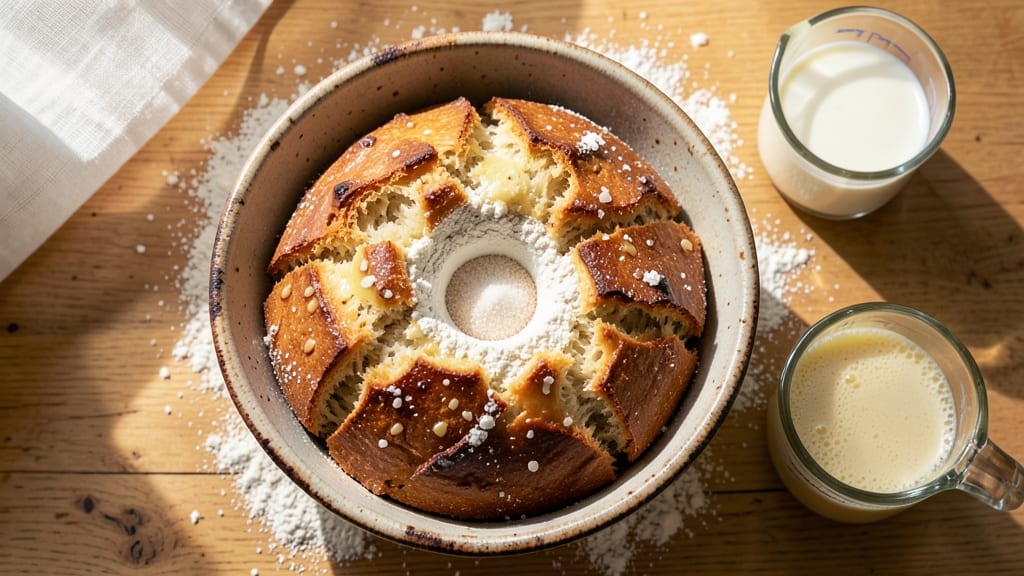
This amazingly easy Irish soda bread recipe delivers rustic charm without the fuss—no yeast, no kneading, and just 15 minutes of active time. I perfected this version after years of testing, ensuring every slice has that signature tender crumb and crispy crust.
The secret lies in the buttermilk and baking soda reaction, which creates air pockets for that classic soda bread texture without requiring yeast or long fermentation.
What makes this recipe truly foolproof is the simplicity: just five core ingredients—flour, baking soda, buttermilk (or a substitute), salt, and a pinch of sugar—come together in a bowl.
The dough comes together in minutes, and the cross-slit on top isn't just for looks; it ensures even baking and that perfect crackly crust. No specialized equipment needed—just a mixing bowl, a baking sheet, and your favorite butter for serving.
By the time it emerges from the oven, you'll have a loaf with a golden crust and a tender, slightly dense interior that's perfect for slicing thick. The aroma alone will fill your kitchen with warmth, and every bite delivers that comforting, slightly tangy flavor that defines Irish soda bread.
This is the kind of recipe that transforms a simple side into the star of the meal.
Serve it warm with butter, alongside soups, or toasted for breakfast—it's equally at home in any setting. The best part? You can customize it with add-ins like raisins, seeds, or even a pinch of cinnamon without losing that authentic rustic appeal. Let's get baking!
Ingredients for amazingly easy irish soda bread
Five simple ingredients transform into rustic Irish soda bread with crispy crust and tender crumb.
| Ingredient | Amount | Notes |
|---|---|---|
| All-Purpose Flour 🌾 | 4 cups | Plus 2 tbsp for dusting |
| Baking Soda 🧂 | 1 ½ tsp | Not baking powder |
| Buttermilk 🥛 | 1 ½ cups | Room temperature preferred |
| Salt 🧂 | ¾ tsp | Fine sea salt preferred |
| Granulated Sugar 🍚 | ¼ cup | Light brown sugar works too |
| Unsalted Butter 🧈 | ½ cup | Cold, cubed for serving |
| Raisins 🍇 | ½ cup | Optional, plump raisins |
| Sesame Seeds 🌰 | 2 tbsp | Optional, for topping |
The flour is the foundation—King Arthur or Gold Medal brands work best for that signature texture. Baking soda is non-negotiable here; it reacts with the buttermilk to create those air pockets that make soda bread light without yeast. Buttermilk can be tricky: if you don’t have it, mix 1 cup milk + 1 tbsp vinegar or lemon juice, let it sit for 5 minutes. For the sugar, I always use granulated, but light brown sugar adds subtle caramel notes if you're feeling fancy. The butter? Save the best for serving—Land O’Lakes or Plugrá melt beautifully on warm bread.
No buttermilk? Plain yogurt or sour milk work in a pinch—just thin with a splash of milk to match the consistency. Short on raisins? Chopped dates or dried cranberries add chewy contrast. The sesame seeds are optional but worth it—they toast beautifully in the oven and add crunch. For extra flavor, toss the raisins in 1 tsp cinnamon before adding to the dough. And if you’re feeling adventurous, swap half the flour for whole wheat for a nuttier bite. Just don’t exceed 2 cups total flour, or the dough gets too dense.
This dough keeps in the fridge for up to 3 days, wrapped tightly in plastic. For longer storage, freeze the shaped loaf for up to 3 months—thaw at room temp before baking. The bread reheats beautifully: 5 minutes at 350°F wrapped in foil restores that fresh-from-the-oven warmth. Pro tip: Toast slices for 2 minutes to crisp up the crust. Leftovers? Crumble over soups or salads—it’s that versatile.
Why You'll Love This Recipe
- No Mixer Needed: I’ll be real—this bread takes three ingredients plus salt (yes, really). Just dump the flour, stir in the buttermilk’s tang, and let the baking soda do its magic. No kneading, no waiting for dough to rise—just mix, shape, and bake.
- Tangy Magic: That buttermilk? It’s the star. The slight sourness cuts through the bread’s rustic crumb, while the sugar just enough to make it dangerously good with butter. Honestly, it’s the kind of flavor that makes you want to eat it straight from the pan.
- Weeknight Hero: Slice it warm for toast, pack it for lunches, or serve it alongside soup—this bread works everywhere. Between us, I’ve even used it to sop up chili when I forgot to make cornbread. (Don’t tell my grandma.)
- Pantry Staple: Flour, baking soda, buttermilk—you’re probably already stocked. And the leftovers? They keep for days, toast up perfectly, and won’t break the bank. I’ll admit, I’ve made this on a whim when I forgot to grocery shop. It never lets me down.
Step-by-step instructions for Irish soda bread
This no-knead wonder comes together in minutes—rustic, hearty, and full of flavor.
Mix Dry Ingredients for Perfect Texture
In a large mixing bowl, combine the 4 cups all-purpose flour, 1.5 teaspoons baking soda, 0.75 teaspoon salt, and 0.25 cup granulated sugar. Whisk everything together until fully integrated—this ensures even distribution of leavening and flavor.
Here's the thing—don't overmix. Just until the dry ingredients blend smoothly. You want a light, airy texture, not dense dough. If you see flour clumps, gently break them apart with your fingers. The baking soda will activate when wet, so we keep it dry until the buttermilk comes in.
Add Buttermilk and Butter for Rich Flavor
Create a well in the center of your dry ingredients and pour in the 1.5 cups buttermilk. Using a wooden spoon, gently mix just until combined—you're looking for a shaggy, sticky dough that still has some dry bits. Don't worry if it looks messy.
Now add the 0.5 cup unsalted butter, cut into small cubes. Work it into the dough with your hands until fully incorporated. The butter should be cold to maintain structure, but the dough should hold together when pressed. If it's too sticky, add 1 tablespoon of flour at a time until it comes together.
Fold in Raisins for Sweet Contrast
Gently fold in the 0.5 cup raisins using your hands or a silicone spatula. Be careful not to break them up—you want those plump, juicy raisins in every bite. The raisins will soak up some moisture, so don't be surprised if the dough feels slightly drier than before.
This is where the magic happens—the raisins will plump up during baking, creating pockets of sweetness that contrast beautifully with the slightly tangy bread. If you're using sesame seeds, save them for topping later—they'll add crunch and visual appeal.
Shape and Prepare the Loaf
Lightly flour a clean surface and turn out the dough. Gently shape it into a round loaf about 8 inches in diameter. Don't press too hard—just enough to form a cohesive shape. Place it on a parchment-lined baking sheet.
Make a deep cross on top with a sharp knife, cutting about ½ inch deep. This classic design allows the bread to expand properly and gives you that beautiful rustic look. Sprinkle the 2 tablespoons sesame seeds evenly over the cross if using—this is where they'll get toasty and delicious.
Bake Until Golden and Hollow-Sounding
Preheat your oven to 375°F. Bake the bread for 40-45 minutes until it's deep golden brown and sounds hollow when tapped on the bottom. The internal temperature should reach 190°F—this ensures it's fully baked but still tender.
I know it seems like a long time, but patience is key here. The bread needs time to develop that perfect crust and interior texture. If the top browns too quickly, tent it loosely with foil after 25 minutes to prevent over-browning while it continues baking.
Pro Tips For Making Amazingly Easy Irish Soda Bread
- STOP OVERMIXING THE DOUGH: I learned this the hard way—kneading soda bread turns it dense and gummy. Mix the wet ingredients (buttermilk, baking soda, salt, sugar) into the flour just until combined, then fold in any raisins or add-ins with a spatula. The dough should look shaggy, not smooth—resist the urge to "fix" it.
- CHILL THE DOUGH 10 MINUTES: Skip this, and your bread will spread like a pancake. After mixing, let the dough sit covered for 10 minutes while you preheat the oven. The flour absorbs moisture, and the baking soda gets a head start on reacting—this guarantees a taller, craggier loaf. (Yes, even if you're impatient like me.)
- USE COLD BUTTERMILK: Room-temperature buttermilk makes the dough too soft and sticky. Grab it straight from the fridge—it’ll thicken the dough just enough for easy shaping without sticking to your hands. If your kitchen’s warm, chill the buttermilk for 15 minutes first.
- SALT THE BUTTERMILK FIRST: I was skeptical until I tried it: dissolve the salt directly into the buttermilk before mixing it with the flour. This ensures even distribution—no dry pockets of salt that make you wonder why your bite tastes bland. (And yes, it’s worth the tiny extra effort.)
Serving suggestions for amazingly easy irish soda bread
Classic Butter Serving
Nothing beats the traditional way—slice your warm soda bread and spread with cold, cubed Land O’Lakes unsalted butter. The contrast of soft bread and rich butter is pure comfort. For extra decadence, melt the butter slightly and drizzle it over the sliced bread before serving.
I like to add a sprinkle of flaky sea salt (like Maldon) on top for that perfect balance of sweet, salty, and buttery. 🧈
Soup Pairings
Irish soda bread is the ultimate soup companion. Try it with a creamy potato-leek soup or a hearty lentil stew—the bread's slight tang cuts through rich flavors beautifully. For a lighter option, pair with tomato basil soup and add a dollop of garlic yogurt on top.
The bread soaks up every bit of broth, making every bite satisfying.
Breakfast Toast
Toast thick slices of soda bread for a rustic breakfast. Spread with whipped butter and top with sliced strawberries or honey for a sweet morning treat. For a savory twist, add crumbled feta cheese and a drizzle of olive oil—it’s like a mini Greek-inspired brunch.
I love this with a cup of Irish breakfast tea for that cozy start to the day. ☕
Cheese Board Star
This bread is a game-changer on cheese boards. Pair it with sharp cheddar, creamy brie, or aged Gouda. The slightly dense texture holds up well against soft cheeses, while the crust adds a satisfying crunch.
Add cured meats like prosciutto or salami, and don’t forget fig jam or chocolate-hazelnut spread for sweet contrast. It’s the perfect crowd-pleaser for gatherings. 🧀
Sandwiches and Wraps
Use thick slices of soda bread for open-faced sandwiches or wraps. Try a smoked salmon and cream cheese combo with a sprinkle of dill or a grilled chicken and avocado wrap. The bread’s sturdy texture holds up well, and the slight tang enhances savory fillings.
For a vegetarian option, pile on hummus, roasted red peppers, and fresh spinach. It’s a versatile bread that works for any meal. 🥪
Leftovers Reinvented
Don’t let leftovers go to waste! Crumble stale bread over salads or soups for added texture. Toast slices and use as croutons in minestrone or Caesar salad. For a quick snack, mix crumbs with butter, honey, and oats to make homemade granola bars.
It’s a great way to repurpose every last bite without feeling like you’re settling for less. 💫
Nutrition facts
Frequently asked questions
Why does Irish soda bread have a cross on top?
The cross isn't just decorative—it serves practical purposes! Cutting a deep cross helps the bread expand evenly as it bakes, preventing cracks from forming randomly. It also creates a beautiful rustic look and allows steam to escape, giving you that perfect crispy crust. Plus, it's a nod to Irish tradition dating back centuries!
Can I make this without buttermilk?
Mix 1 cup milk with 1 tablespoon vinegar or lemon juice, let it sit for 5 minutes to curdle, then use as a 1:1 substitute. For a richer flavor, try plain yogurt thinned with a splash of milk. The key is achieving that tangy reaction with the baking soda for proper rise.
How do I know when it's fully baked?
Look for three signs: the crust should be deep golden brown, tapping the bottom should sound hollow, and the internal temperature should reach 190°F. If the top browns too quickly, tent with foil after 25 minutes to prevent over-browning while the center finishes baking. Patience here makes all the difference!
Can I add other mix-ins besides raisins?
Yes! Try chopped dates, dried cranberries, or sunflower seeds for texture. For savory versions, add cheddar cheese or caramelized onions. Just don't exceed ½ cup total of add-ins to maintain the bread's signature texture. The dough should still hold together when shaped.
Why did my bread turn out dense?
Overmixing the dough or using too much flour can weigh it down. Also, ensure your baking soda is fresh (old soda loses potency) and that you're using all-purpose flour (bread flour makes it heavier). For extra lightness, let the dough rest for 10 minutes before shaping. Every slice should have that tender crumb!