
Side Dishes
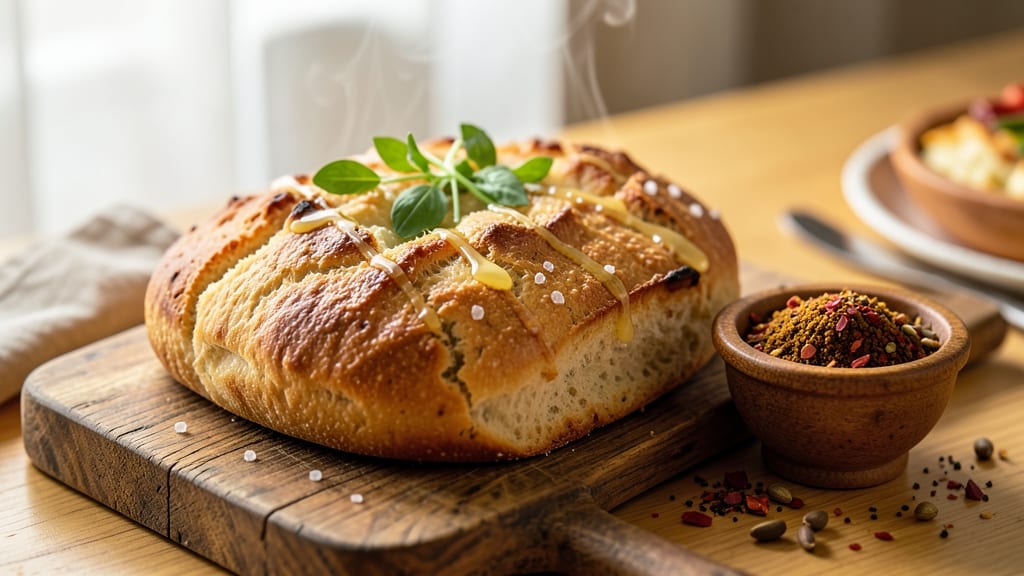
This Ambasha bread recipe brings the rich traditions of Ethiopian cuisine to your kitchen with its signature spice-infused dough and golden crust. 🌟 The secret lies in the aromatic blend of berbere spice and cardamom, which transforms simple flour into a fragrant, slightly spicy flatbread with a satisfying crunch.
I've perfected this method over years of baking, ensuring every bite delivers that perfect balance of warmth and texture.
The dough comes together with just five essential ingredients—flour, yeast, water, salt, and your choice of spices—but it's the technique that makes all the difference.
A gentle kneading followed by a long fermentation allows the flavors to develop fully, while shaping the dough into thin, circular rounds and pressing spice swirls into the center creates the iconic visual appeal.
This bread isn't just a side; it's the heart of Ethiopian meals, designed to soak up stews and complement rich dishes.
What you'll achieve is a batch of golden-brown, spiced flatbreads with a crisp exterior and tender interior, infused with the earthy warmth of Ethiopian spices. The aroma alone will transport you to bustling Ethiopian restaurants, where these breads are served fresh from the oven.
Perfect for pairing with injera, stews, or even as a standalone snack, this recipe delivers restaurant-quality results at home.
Whether you're serving a traditional Ethiopian feast or simply craving something unique, this recipe transforms a simple dough into a flavorful centerpiece. The process is straightforward but requires patience—worth every minute for the incredible results. Let's get started on creating your own batch of authentic Ambasha bread.
Ingredients for ambasha bread
Eight essential ingredients transform into aromatic, spice-swirled Ethiopian flatbreads with golden crusts.
| Ingredient | Amount | Notes |
|---|---|---|
| All-Purpose Flour 🌾 | 4 cups | High-protein for chewy texture |
| Active Dry Yeast 🍞 | ¼ oz | Or 2.5g, ensure fresh |
| Warm Water 💧 | 1 ¼ cups | 110°F/43°C for activation |
| Berbere Spice Blend 🌶️ | 2 tbsp | Authentic Ethiopian blend |
| Ground Cardamom 🍃 | 1 tsp | Freshly ground preferred |
| Fine Sea Salt 🧂 | 1 ½ tsp | Diamond Crystal preferred |
| Vegetable Oil 🫒 | 2 tbsp | For dough softness |
| Sesame Seeds 🌰 | ¼ cup | Toasted for garnish |
| Cornmeal 🌽 | ¼ cup | For dusting work surface |
Berbere spice is the soul of this bread—Ethiopian Epicurean or Penzeys blends deliver authentic heat and depth. If you can't find it, mix 1 tsp paprika, 0.5 tsp cayenne, 0.5 tsp coriander, 0.25 tsp fenugreek, 0.25 tsp ginger, 0.25 tsp cinnamon, 0.25 tsp allspice, and 0.25 tsp cardamom. The cardamom adds floral notes that balance the berbere's complexity. For yeast, Bob's Red Mill active dry yeast works consistently—check the expiration date since old yeast won't activate properly. High-protein flour (like King Arthur) gives that signature chewy texture Ethiopian breads are known for.
No berbere? Cajun seasoning plus a pinch of fenugreek gets you close, though the flavor won't be identical. Substitute cardamom with equal parts cinnamon and nutmeg if needed. For a gluten-free version, use a 1:1 gluten-free flour blend but expect a denser texture. The sesame seeds should be toasted in a dry pan for 2-3 minutes until golden—this enhances their nutty flavor. If you're short on sesame, toasted poppy seeds work as a neutral garnish. The vegetable oil can be swapped for melted butter (though it's not traditional) or more olive oil for a Mediterranean twist.
This dough needs patience—ferment for at least 2 hours (or up to 12 hours in the fridge) for maximum flavor development. Store the dough in an airtight container with a damp towel over it to prevent drying. Once shaped, the breads can be refrigerated for up to 2 days before baking. For best results, bake immediately after shaping. Leftover baked bread? Toast and freeze—they reheat beautifully in a toaster oven or skillet. The spices lose potency over time, so store any unused berbere in a cool, dark place for up to 6 months.
Why You'll Love This Recipe
- No-Knead Magic: I swear by this—just mix, let it rise, and bake. The yeast does all the work while I sip tea, and honestly? That golden crust is worth the wait.
- Spice Bomb Delight: Berbere and cardamom pack a punch—warm, slightly spicy, with a hint of citrusy depth. It’s the kind of flavor that makes you reach for seconds without thinking.
- Weeknight Workhorse: Toss it in a basket for breakfast, tear it over stews, or use it as a wrap. Between us, I’ve fed a crowd with one loaf—no stress, just satisfaction.
- Budget-Friendly Staple: Flour, yeast, and spices cost pennies, but the payoff is huge. A single batch stretches for days, and leftovers? They toast up just as well as fresh.
Step-by-step instructions for Ethiopian spice swirl bread
Here's how to craft this aromatic Ethiopian masterpiece with signature spice swirls and golden crust.
👨🍳 Step 1: Activate the Yeast and Mix the Dough Base
In a small bowl, whisk together the 1.25 cups warm water (about 110°F) with the 0.25 oz active dry yeast and let sit for 5-7 minutes until frothy. This activation ensures your dough rises properly—you'll see bubbles forming and the mixture smell slightly sweet.
In a large mixing bowl, combine the 4 cups all-purpose flour, 2 tbsp berbere spice blend, 1 tsp ground cardamom, and 1.5 tsp fine sea salt. Mix well to distribute the spices evenly throughout the flour. I like to use a whisk for this step to break up any flour clumps and ensure the spices are fully incorporated.
Make a well in the center and pour in the yeast mixture along with the 2 tbsp vegetable oil. Gradually mix with a wooden spoon until a shaggy dough forms. The dough will be sticky but should come together when pressed—this is normal for Ethiopian bread dough.
🥘 Step 2: Knead and Develop the Dough
Turn the dough out onto a lightly cornmeal-dusted surface and knead for 8-10 minutes until smooth and elastic. I use the "windowpane test" to check doneness—stretch a small piece of dough thin enough to see light through it. The dough should be slightly tacky but not sticky to the touch.
During kneading, you'll notice the berbere and cardamom developing their rich, complex aroma. This is your first taste of the finished bread's character—don't rush this step. The gluten development creates that perfect chewy texture we love in ambasha.
Once kneaded, place the dough back in the bowl, cover with a damp towel, and let rise in a warm place for 1-1.5 hours or until doubled in size. You'll know it's ready when the dough springs back slowly when pressed gently with a finger.
🔥 Step 3: Shape and Create the Signature Swirls
Punch down the risen dough and divide it into 8 equal pieces (about 3 oz each). Roll each piece into a 12-inch rope, then coil them into loose circles on a parchment-lined baking sheet. This creates the classic ambasha shape while leaving room for the signature swirls.
Here's where the magic happens: using a sharp knife, make 3-4 diagonal cuts through each coil, then gently twist the sections to create the distinctive swirl pattern. The cuts should be about ½-inch deep—just enough to allow the dough to expand while maintaining structure. Space the breads 2 inches apart on the sheet.
Cover loosely with a towel and let proof for another 30-45 minutes until the swirls rise slightly and the dough feels firm to the touch. This final rise gives you that beautiful open crumb structure we associate with ambasha.
🔥 Step 4: Bake to Golden Perfection
Preheat your oven to 375°F with a baking stone or inverted baking sheet inside. This creates steam that helps develop that signature crusty exterior. Once preheated, bake the bread for 20-25 minutes until deep golden brown with crisp edges.
For extra flavor, I recommend brushing the tops with a little melted butter or olive oil right after removing from the oven. This enhances the crust while complementing the spice notes. The bread should sound hollow when tapped on the bottom—this indicates proper doneness.
Let cool on a wire rack for 10 minutes before serving. The interior should be soft and slightly chewy with pockets of air from the swirls. Sprinkle with toasted sesame seeds just before serving for that authentic Ethiopian touch.
Pro Tips For Making Ambasha Bread
- Bloom Yeast Properly: Skip the "eyeball it" approach—dissolve yeast in warm water (105–110°F) with a pinch of sugar or flour, then wait exactly 5–10 minutes for it to foam like a beer head. If it’s sluggish, toss it and start fresh; cold water kills it, and hot water cooks it alive.
- Toast Your Spices: Dry-toast berbere and cardamom in a pan for 30 seconds until fragrant—this cuts bitterness and deepens flavor. (Yes, even if your recipe doesn’t say it.) Grind them afterward for maximum punch.
- Knead Until Silky: Ambasha dough needs real work—knead by hand for 8–10 minutes until it’s smooth, elastic, and springs back when poked. Machine shortcuts? You’ll end up with dense, chewy bread. (Trust me, I’ve tried.)
- Shape Loaves Tight: Roll dough into tight, compact balls before shaping into loaves—this prevents cracks and keeps the berbere-infused crust from breaking apart. Press gently but firmly; think "dense, not fluffy."
Regional styles of this ambasha bread
Ethiopian Classic
Ambasha bread originated in Ethiopia as a staple for communal meals, particularly during Ethiopian Orthodox fasting periods when meat is avoided. The bread's signature spice swirls were traditionally created using berbere spice, a blend that dates back centuries in Ethiopian cuisine.
This version is often served with wat (stews) like doro wat or misir wat, where the bread soaks up rich flavors beautifully. 🌶️
Eritrean Adaptation
In neighboring Eritrea, ambasha bread takes on a slightly different texture—often denser and more rustic. Eritrean cooks frequently add 1 tsp fenugreek seeds to the dough, which enhances the bread's earthy flavor and gives it a distinctive aroma.
The shaping technique remains similar, but the bread is typically baked in clay ovens for a smokier profile. Try adding ½ tsp fenugreek seeds to your dough for an Eritrean-inspired twist.
Modern Fusion Twist
For a contemporary take, some chefs incorporate garlic-infused oil into the dough or brush the baked bread with a mix of garlic and olive oil before serving. This fusion approach pairs beautifully with Mediterranean-inspired shakshuka or hummus.
Another modern adaptation uses whole wheat flour (replace 1 cup of all-purpose flour) for a nuttier flavor while maintaining the signature spice swirls.
Yemenite-Inspired Variation
Influenced by Yemenite cuisine, some versions of ambasha bread include 1 tsp ground cumin and ½ tsp ground coriander alongside the berbere and cardamom. This blend creates a warmer, more complex flavor profile that complements spiced lamb or chicken dishes.
The shaping technique remains the same, but the dough benefits from an extra 10 minutes of kneading to fully integrate the spices.
Spice-Forward Approach
For those who love heat, increase the berbere spice blend to 3 tbsp while reducing the cardamom to ½ tsp. This creates a bold, fiery bread that stands up to spicy stews or Ethiopian coffee ceremonies.
Balance the heat with a sprinkle of yogurt or labneh on the side—it cools the palate beautifully while adding a creamy contrast to the bread's crusty exterior. 🔥
Nutrition facts
Frequently asked questions
What makes Ambasha bread different from regular flatbread?
Ambasha bread stands out with its signature spice swirls created by twisting the dough and its aromatic blend of berbere spice and cardamom. Unlike simple flatbreads, it has a chewy interior with crisp edges, designed to complement rich Ethiopian stews. The shaping technique and spice infusion make it uniquely Ethiopian!
Can I make this bread without berbere spice?
Yes! While berbere gives authentic flavor, you can substitute with 1 tsp paprika + ½ tsp cayenne + ½ tsp coriander. For deeper complexity, add ¼ tsp each of fenugreek, ginger, and cinnamon. The cardamom remains essential—it balances the heat beautifully. The bread will still be delicious but won't have the same signature Ethiopian warmth.
How do I get the perfect swirl pattern?
Make 3-4 diagonal cuts through each coiled dough piece, about ½-inch deep. Then gently twist the sections to create the swirl. Keep cuts even and don't over-twist—the dough should expand slightly during baking. For extra definition, press the cuts down gently with your thumb before the final proof.
Can I make this bread ahead of time?
Shape the dough and refrigerate it for up to 2 days before baking. The cold slows fermentation, so let it sit at room temperature for 30 minutes before baking to activate the yeast. For best texture, bake within 48 hours. Leftover baked bread reheats beautifully in a toaster oven or skillet.
What's the best way to serve Ambasha bread?
Traditionally served with Ethiopian wat (stews) like doro wat or misir wat. The bread soaks up flavors perfectly! It also pairs wonderfully with yogurt or labneh to balance the spices, or as a side for grilled meats. For a modern twist, try it with hummus or shakshuka—the spice swirls add amazing texture!