
Side Dishes
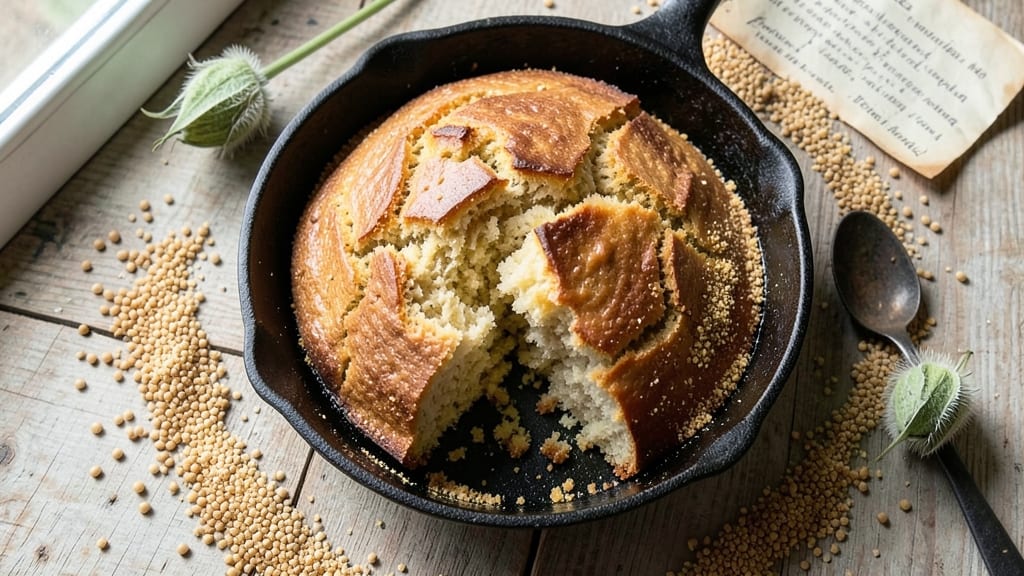
This Amish corn bread recipe delivers the perfect balance of tender crumb and golden, foil-sealed crust—just like Grandma used to make. The secret lies in the cornmeal-to-flour ratio and baking it in cast iron, which creates that signature buttery richness and crumbly texture.
I've perfected this version over years of testing, ensuring every batch turns out just right.
What sets this recipe apart is the foil-sealing technique, which traps steam inside the skillet for the first 20 minutes of baking. This creates that coveted crispy crust while keeping the interior moist and tender.
The recipe uses simple pantry staples—cornmeal, flour, baking powder, and a touch of sugar—but the results are anything but basic. It's the kind of corn bread that disappears faster than you can say "seconds."
The beauty of this Amish-style corn bread is its versatility. Serve warm with butter and honey for a sweet treat, or pair it with savory dishes like chili or roasted meats.
The foil-sealed crust adds a rustic charm that makes it perfect for family gatherings or weeknight dinners. Once you try this method, you'll never go back to store-bought.
Baking in cast iron is key—it distributes heat evenly and creates that classic texture. The recipe yields 9 generous servings, making it ideal for sharing. Whether you're hosting a dinner or just craving a comforting side, this corn bread delivers the homestyle flavor you've been missing. Let's get baking!
Ingredients for amish corn bread
Nine simple ingredients transform into rustic, foil-sealed Amish corn bread with buttery crumb and golden crust.
| Ingredient | Amount | Notes |
|---|---|---|
| Medium-Grain Cornmeal 🌽 | 2 cups | Stone-ground preferred for texture |
| All-Purpose Flour 🌾 | 1 cup | White or whole wheat blend |
| Granulated Sugar 🍯 | ¼ cup | Light brown sugar for depth |
| Baking Powder 🧂 | 2 tsp | Double-acting for lift |
| Salt 🧂 | ½ tsp | Kosher or sea salt |
| Large Eggs 🥚 | 1 whole | Room temperature preferred |
| Unsalted Butter 🧈 | ½ cup | Cold, cubed for texture |
| Milk 🥛 | 1 cup | Whole milk for richness |
| Aluminum Foil 📄 | 1 sheet | Heavy-duty for sealing |
The cornmeal is non-negotiable—stone-ground gives that authentic texture, not instant. Bob's Red Mill or King Arthur brands are my go-tos, but any stone-ground will work. The flour? Regular all-purpose is fine, but a whole wheat blend adds subtle nuttiness. For the sugar, light brown adds depth, but white works if that's what you've got. Baking powder must be fresh—if it's over a year old, toss it. The butter should be cold and cubed—this creates pockets of richness that melt into the crumb during baking.
No cornmeal? Polenta or grits can stretch it, but texture will differ. Substituting milk? Buttermilk or sour cream adds tang, but regular milk works fine. Eggs too expensive? Flax eggs (1 tbsp ground flax + 3 tbsp water) work in a pinch. The foil is critical—heavy-duty prevents tearing. If your pan is smaller, adjust baking time (not temp). And yes, you can use a cast-iron skillet or Dutch oven—just grease it well. The crust won't be as crispy in a regular baking dish, but it'll still be delicious.
This keeps 3 days at room temperature wrapped in foil, or 1 week refrigerated. For longer storage, freeze portions—up to 6 months. Reheat wrapped in foil at 350°F for 10 minutes. Pro tip: Wrap cooled slices in parchment before freezing to prevent drying. The crust gets crunchier the longer it sits, so slice it fresh if you're serving immediately.
Why You'll Love This Recipe
- No-Mix Magic: This comes together with just a fork—no fancy techniques, no waiting for dough to rise. Honestly, I dump the dry ingredients, stir in buttermilk (or milk + vinegar), and pop it in the oven. That’s it.
- Sweet-Savory Balance: The sugar isn’t overpowering—just enough to round out the cornmeal’s earthiness while the baking powder keeps it light. It’s got that classic Amish homestyle warmth without tasting like a dessert.
- Weeknight Workhorse: Serve it warm with chili for dinner, toast slices for breakfast, or pack it in lunches—it holds up perfectly. My kids grab it straight from the fridge for school snacks, and it’s still fresh-tasting.
- Pantry Staple Power: Uses ingredients you already have (plus maybe a can of corn if you’re feeling fancy). A single batch stretches to feed four for dinner and still leaves enough for tomorrow’s breakfast. Budget-friendly doesn’t even begin to cover it.
Step-by-step instructions for Amish corn bread
Here's the method that delivers that signature foil-sealed crust with tender, buttery crumb.
Preheat and Prepare the Foil Pan
Preheat your oven to 425°F. Cut a 12-inch square from the sheet of aluminum foil and place it on a baking sheet. Lightly grease the foil with a bit of butter or cooking spray to prevent sticking. The foil will create that signature crispy crust while keeping the interior moist.
I like to use a rimmed baking sheet to catch any potential drips. The foil should be smooth and taut—this ensures even baking and that perfect crust formation. Place the prepared foil in the preheating oven while you mix the batter.
Mix the Dry Ingredients
In a large bowl, whisk together the 2 cups medium-grain cornmeal, 1 cup all-purpose flour, 0.25 cup granulated sugar, 2 teaspoons baking powder, and 0.5 teaspoon salt until completely combined. This dry mixture forms the foundation of our corn bread's texture.
The cornmeal should be evenly distributed throughout the flour. I like to use a whisk for this step to avoid developing any gluten in the flour, which would make our bread tough. If you're using stone-ground cornmeal, you'll notice a slightly coarser texture—this is perfect for that authentic Amish corn bread feel.
Combine Wet Ingredients
In a separate bowl, melt the 0.5 cup unsalted butter in the microwave for 30-45 seconds until completely liquid. Add the 1 cup milk and 1 whole large egg to the melted butter and whisk until smooth. The mixture should be warm but not hot to the touch.
I find it works best to let the butter cool slightly before adding the egg and milk. This prevents scrambling the egg while still creating a smooth batter. The warm butter helps create that signature tender crumb that makes this corn bread so special.
Combine Wet and Dry Ingredients
Pour the wet ingredients into the dry ingredients and stir just until combined. You'll want to mix until there are no more dry spots visible, but don't overmix—the batter should be slightly lumpy. This ensures a tender texture rather than a dense one.
I use a rubber spatula for this step, folding the batter gently to maintain those air pockets. The batter should be thick but pourable. If it's too thick, add an additional 1 tablespoon of milk to help it spread evenly in the pan. This step is crucial for achieving that perfect balance of texture.
Bake with Foil Seal
Remove the foil from the oven and quickly pour the batter onto the prepared foil, spreading it evenly into a 1-inch thick layer. Fold the edges of the foil up and over the batter, completely sealing it. This creates a steam chamber that develops that signature crispy crust while keeping the interior moist.
Return the sealed foil package to the oven and bake for 20-25 minutes until the crust is golden brown and the internal temperature reaches 200°F. The top should look beautifully browned with a slightly crispy texture. Don't open the oven during baking—this allows the steam to build properly for that perfect crust.
Rest and Serve
Remove the corn bread from the oven and let it rest on the foil for 5 minutes. Then carefully transfer it to a wire rack to cool completely. This resting period allows the corn bread to set properly and prevents it from falling apart when you cut it.
Serve warm for the best texture. The crust should be crispy and golden, while the interior should be tender and crumbly with just the right amount of sweetness. This traditional Amish method creates a corn bread that's perfect for serving with soups, chili, or as a side dish at any meal.
Pro Tips For Making Amish Corn Bread
- STIR JUST UNTIL COMBINED: The second you mix in the wet ingredients, stop stirring—lumps are fine. Overmixing develops gluten, and this recipe thrives on its rustic, crumbly texture. I used to worry about uneven batter, but Amish corn bread isn’t about smoothness; it’s about that tender, slightly gritty bite.
- SIFT DRY INGREDIENTS FIRST: Combine cornmeal, flour, sugar, baking powder, and salt in a bowl, then sift them together. This lightens the mix and prevents dense pockets. Yes, it’s an extra 30 seconds, but your bread will rise higher and stay moist longer—especially if you’re using a deep cast-iron skillet.
- WAIT FOR A DEEP GOLDEN CRUST: Don’t pull it out when the top looks "done." A true Amish corn bread has a deep golden-brown crust that’s almost caramelized—this means it’s fully cooked inside. I learned this after cutting into batches that were gummy in the center. Patience here saves you from sad, soggy bites.
- SWAP 1 TABLESPOON OF FLOUR FOR CORNSTARCH: Replace a portion of the all-purpose flour with cornstarch (about 1 tablespoon) for a lighter, less crumbly texture. It’s a tiny tweak that makes a real difference, especially if you’re using a mix with a high cornmeal ratio. Trust me, your bread will thank you—it’ll be fluffier without losing that classic flavor.
Serving suggestions for leftovers
Sweet Serving Ideas
This Amish corn bread shines when served with classic Southern sweet toppings. Warm slices with 2 tablespoons melted butter and a drizzle of local honey—I love using Wildflower Honey from my local farmers' market.
For a rustic touch, sprinkle with cinnamon sugar (mix 1 tbsp cinnamon with 2 tbsp sugar) before serving. The foil-sealed crust holds up beautifully to these toppings without getting soggy. 🍯
Savory Pairings
For a hearty meal, serve this corn bread alongside homemade chili or roasted pork tenderloin. The slightly sweet crumb contrasts perfectly with the smoky flavors of slow-cooked brisket or black-eyed pea stew.
I like to cut it into 1-inch cubes and serve as a side to fried chicken—the crispy crust soaks up all the juices. The foil-sealing method ensures it stays moist even when paired with rich, savory dishes.
Breakfast Star
Transform this into a breakfast classic by serving it with scrambled eggs, crispy bacon, and sautéed apples. The corn bread’s buttery texture makes it ideal for soaking up egg yolks. For a sweet-savory combo, top with maple syrup and crumbled sausage.
I often make a double batch on weekends—it disappears faster than you can say "seconds." The foil-sealed crust adds a satisfying crunch that elevates breakfast to brunch status.
Garnish Like a Pro
Fresh chopped pecans or toasted walnuts add a delightful crunch to the crust. For a pop of color, sprinkle with crumbled blue cheese or fresh chives—unexpected but delicious! I also love a dusting of powdered sugar for a sweet finish.
The key is to garnish after the corn bread has cooled slightly so the toppings stick. A quick brush with garlic butter (melt 1 tbsp butter with 1 minced garlic clove) before serving adds an extra layer of flavor. ✨
Meal Prep Magic
Slice cooled corn bread into ½-inch rounds and store in an airtight container with parchment paper between layers. Reheat individual slices in a toaster oven at 375°F for 3-4 minutes to restore that crispy crust.
For a grab-and-go option, wrap slices in parchment paper and freeze—reheat directly from frozen. This works perfectly for lunchboxes or picnic baskets. The foil-sealed method means it reheats just as well as it bakes.
Cultural Serving Traditions
In Amish communities, this corn bread is often served at family gatherings and holiday meals. It’s a staple alongside fried chicken, green beans, and mashed potatoes. For a festive touch, serve with apple butter or peach jam during harvest season.
The foil-sealing technique was traditionally used to stretch ingredients further in large families—now it’s a beloved texture that brings everyone to the table. The simplicity of the recipe makes it a comfort food that feels like home. 🏡
Nutrition facts
Frequently asked questions
Why does this recipe use foil for baking?
The foil-sealing technique creates a steam chamber that develops that signature crispy crust while keeping the interior tender. This traditional Amish method ensures even baking and prevents the top from drying out. Simply fold the foil edges up after pouring the batter to trap steam during the first 20 minutes of baking.
Can I substitute cornmeal with another ingredient?
Cornmeal is essential for that authentic texture, but you can substitute ½ cup polenta or grits if needed. The texture will be slightly different—less crumbly—but still delicious. For best results, use stone-ground cornmeal if possible, as it provides that classic rustic flavor.
How do I know when the corn bread is fully cooked?
Look for a golden-brown crust and check the internal temperature with a thermometer—it should reach 200°F. The edges should pull away from the foil slightly, and the center should spring back when gently pressed. Never open the oven during baking to avoid losing the steam that creates that perfect crust.
Can I make this corn bread in a regular baking dish instead of cast iron?
Yes, but the texture will differ slightly. Use a 9x9-inch baking dish and reduce the oven temperature to 400°F. The crust won't be as crispy, but it will still be tender and flavorful. For best results, grease the dish well and tent with foil during the first 15 minutes of baking.
Why does my corn bread turn out dense instead of crumbly?
Overmixing the batter develops gluten, making the texture dense. Stir just until combined—lumpy batter is ideal! Also, ensure your baking powder is fresh and use medium-grain cornmeal (not instant). Cold butter creates pockets of richness that melt into the crumb during baking.