
Desserts
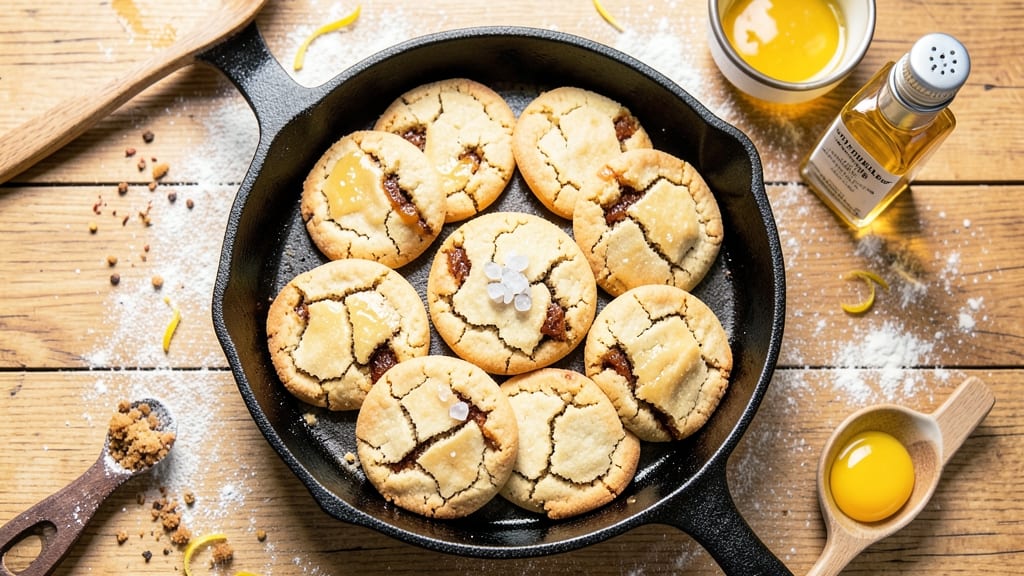
This Amish shortbread cookie recipe delivers the kind of tender, melt-in-your-mouth texture that's become a family heirloom in many kitchens. The secret lies in a precise balance of butter, brown sugar, and flour—no fancy techniques required, just patience and a few simple steps that create that signature crumbly-yet-tender crunch.
I've baked these dozens of times, and they never fail to disappear within minutes of coming out of the oven.
The beauty of traditional Amish shortbread is its simplicity—just six ingredients that work together to create cookies with a delicate vanilla aroma and just the right amount of caramelized sweetness from the brown sugar.
What makes these special is how they bake: edges slightly crisp while the centers remain soft, almost like shortbread meets cake. The dough requires minimal handling, making it perfect for both beginners and those who appreciate old-fashioned baking.
What you'll end up with is a batch of cookies that crumbles beautifully when broken apart, with a subtle vanilla flavor that lingers on your tongue. The texture is what sets these apart—neither too crumbly nor too cakey, but that perfect in-between that makes them irresistible.
These cookies stay fresh for days, making them ideal for holiday gifting or satisfying that afternoon sweet tooth.
While the basic recipe is foolproof, I'll show you how to customize it with optional add-ins like chopped nuts or citrus zest for extra depth of flavor. The key is keeping the proportions precise—too much flour makes them dry, too little butter makes them greasy.
Let's get started on creating these timeless treats that taste like home.
Ingredients for amish shortbread cookie
Six simple ingredients transform into melt-in-your-mouth Amish shortbread cookies with vanilla aroma and perfect crumb.
| Ingredient | Amount | Notes |
|---|---|---|
| Unsalted Butter 🧈 | 1 cup | Cold, cubed for even baking |
| Packed Light Brown Sugar 🍯 | 1 cup | Turbinado or regular, not dark |
| All-Purpose Flour 🌾 | 2 ½ cups | Sifted for light texture |
| Pure Vanilla Extract 🌸 | 1 tbsp | Imitation-free for real flavor |
| Large Egg Yolk 🥚 | 1 whole | Only yolk for richness |
| Diamond Crystal Kosher Salt 🧂 | ½ tsp | Fine grain preferred |
| Granulated Sugar 🍚 | ¼ cup | Optional for extra sweetness |
The butter makes or breaks this—use European-style or Plugrá if you want extra richness. Cold butter is key; don't let it soften before mixing. Brown sugar adds moisture and caramel flavor, so don't substitute white sugar. I always grab Bob's Red Mill flour for baking—it's sifted and consistent. The vanilla should be pure, not imitation, and Walmart's Great Value brand is surprisingly good for the price. For the egg yolk, use room temperature so it blends smoothly.
No vanilla extract? Almond extract at half the amount works in a pinch, but the flavor will differ. Short on brown sugar? Mix white sugar with 1 tsp molasses to mimic the flavor. Want extra crunch? Add 1/4 cup chopped pecans or walnuts. The granulated sugar is optional but helps balance the texture—skip it if you prefer a more traditional shortbread. For a citrus twist, add 1 tsp lemon zest with the vanilla. If you're baking at high altitude, reduce flour by 2 tbsp to prevent dryness.
Store cookies in an airtight container with parchment between layers for up to 5 days. They soften as they cool, so let them sit 10 minutes before storing. For longer shelf life, freeze portions for up to 3 months. I like to wrap individual cookies in wax paper before freezing—perfect for holiday gifts. These cookies reheat beautifully; pop them in a 300°F oven for 2-3 minutes to revive their softness.
Why You'll Love This Recipe
- Five-Ingredient Magic: I swear by this lineup—just butter, brown sugar, flour, vanilla, and an egg yolk. No fancy mix-ins, no stress. The dough comes together faster than you can say "shortbread," and honestly? That’s the charm.
- Buttery Vanilla Hug: The moment those cookies hit the oven, the aroma of brown sugar caramelizing with cold butter is chef’s kiss. The vanilla? It doesn’t just flavor—it makes every bite feel like a warm embrace, especially when the edges get that perfect golden crunch.
- Holiday or Snack Attack: Between us, these are my go-to for Christmas gifts (wrap them in cellophane, tie a ribbon), but they’re also the perfect after-dinner treat when you’re too full for cake. Freeze half the batch—trust me, you’ll thank me in January.
- Zero-Waste Comfort: A single batch makes 24 cookies, and they last forever in an airtight container. I’ve had them sit for weeks, still tasting fresh. Plus, the recipe costs less than $3—pure butter and sugar do the heavy lifting, so your wallet stays happy.
Step-by-step instructions for Amish shortbread cookies
Here's how to make these melt-in-your-mouth cookies with buttery richness and perfect crumb.
Mix Cold Butter and Sugars
In a large mixing bowl, combine the 1 cup unsalted butter (cold and cubed) with the 1 cup packed light brown sugar and 0.25 cup granulated sugar. Using a wooden spoon or rubber spatula, mix until the butter is broken into small pieces and the sugars are evenly distributed. The butter should stay cold—this is crucial for creating those signature flaky layers.
Here's the thing—don't let the butter soften. If it starts to melt, pop the bowl in the freezer for 2-3 minutes to firm it back up. Cold butter creates steam during baking, which makes the cookies light and tender. I like to press the mixture with the back of the spoon to ensure even distribution of the sugars.
Add Vanilla and Egg Yolk
Next, stir in the 1 tbsp pure vanilla extract and 1 whole large egg yolk. Mix until fully incorporated, scraping down the sides of the bowl to ensure no dry spots remain. The mixture should be thick and slightly sticky but still manageable. If it feels too loose, let it sit at room temperature for 5 minutes—this helps the flour absorb moisture better later.
This is where the magic happens: the vanilla adds depth, and the egg yolk binds everything together while keeping the texture tender. Don't overmix—just combine until smooth. Overworking the dough will develop gluten, making the cookies tough instead of delicate.
Incorporate Dry Ingredients
In a separate bowl, whisk together the 2.5 cups all-purpose flour and 0.5 tsp diamond crystal kosher salt. Sift the flour if it's not already sifted—this prevents lumps and ensures a light texture. Gradually add the dry ingredients to the wet mixture, mixing gently with a wooden spoon or your hands until just combined.
You'll know it's ready when the dough forms a shaggy mass that comes together when pressed. The reason we don't overmix here is to keep the cookies tender. If the dough seems too dry, add 1 teaspoon of cold water at a time until it holds together. It should be firm enough to shape but not crumbly.
Chill and Shape the Dough
Divide the dough into 4 equal portions (about 1 portion per serving) and flatten each into a ½-inch thick disk. Wrap each disk tightly in plastic wrap and refrigerate for at least 1 hour or up to 24 hours. Chilling firms up the butter, which prevents excessive spreading in the oven and ensures clean edges.
This step is non-negotiable. Cold dough = perfect cookies. If you skip it, your cookies will spread too much and lose that classic Amish shortbread shape. While the dough chills, preheat your oven to 325°F—this lower temperature ensures even baking without browning.
Bake to Golden Perfection
Place one disk of dough on a parchment-lined baking sheet and cut into 1-inch squares using a sharp knife or cookie cutter. Press gently to create clean edges—this is what gives Amish shortbread its signature look. Bake for 18-22 minutes until the edges are light golden brown and the centers still look slightly soft.
Here's the trick: rotate the baking sheet halfway through baking for even cooking. The cookies will firm up as they cool, so don't overbake. They should pull away from the parchment easily when done. Let them cool on the baking sheet for 5 minutes before transferring to a wire rack. Serve warm for maximum melt-in-your-mouth goodness!
Pro Tips For Making Amish Shortbread Cookie
- Chill the Dough Properly: I learned this the hard way—rolling out dough straight from the fridge leads to cracks and uneven baking. Wrap the dough in plastic and refrigerate for at least 1 hour (or up to 24 hours), then let it sit at room temperature for 10 minutes before rolling. That middle step prevents the butter from melting too fast when you shape the cookies.
- Use Cold Butter, Not Soft: Skip the urge to cut butter straight from the fridge into warm sugar—it’ll melt and turn your dough greasy. Instead, let the butter sit at room temperature for 30 minutes (it should be soft but not liquid), then measure it. Cold butter creates flaky layers, while warm butter makes cookies spread too much.
- Press, Don’t Roll, the Dough: Amish shortbread relies on that signature ridged texture, and rolling it out evenly ruins it. Press the dough into a pan with your fingers, using a fork to make the classic crisscross pattern. A little unevenness? That’s the charm—it bakes up better than perfectly smooth dough.
- Bake Low and Slow: The oven’s hot spot will burn these cookies before they’re done. Bake at 325°F (not 350°F) and rotate the pan halfway through. Underbaking slightly is better—shortbread firms up as it cools, and overbaking turns them dry. Test with a toothpick: it should come out clean but slightly crumbly.
Regional styles of this amish shortbread cookie
Pennsylvania Dutch Roots
These Amish shortbread cookies trace their origins to the Pennsylvania Dutch communities of Lancaster County, where traditional baking relied on simple pantries and minimal ingredients. The recipe evolved from European shortbread traditions but adapted to use locally available ingredients like brown sugar and vanilla.
I remember my great-grandmother always making these during harvest season—they were a staple at community gatherings and family reunions. 🌾
The Pennsylvania Dutch (or Pennsylvania Germans) brought their baking skills from Germany and Switzerland in the 1700s, and this recipe reflects that heritage. What makes it uniquely Amish is the emphasis on simplicity—no fancy techniques, just precise measurements and patience.
The cookies became a symbol of self-sufficiency and resourcefulness in Amish communities, often baked in large batches to share with neighbors.
Ohio Amish Twist
In Ohio's Amish settlements, particularly around Holmes County, you'll find a slightly different approach using more turbinado sugar for texture and sometimes adding a pinch of cinnamon for warmth. I picked up this variation from an Ohio Amish baker who swore by the extra crunch from the coarse sugar.
The Ohio version also often includes a longer chill time—sometimes overnight—to achieve even more tenderness. 🧈
What sets Ohio Amish shortbread apart is the texture contrast—the turbinado sugar creates tiny crunchy pockets while maintaining the melt-in-your-mouth center. For this version, I recommend using ½ cup turbinado sugar instead of regular brown sugar, and adding ¼ tsp ground cinnamon to the dry ingredients.
The flavor profile becomes more complex with these subtle changes.
Midwest Homestyle Adaptations
In the Midwest, where Amish communities are widespread, shortbread cookies often get adapted for local preferences. Many families add chopped pecans or walnuts for texture, or even a sprinkle of coarse sea salt on top before baking.
I've seen variations where the dough is rolled slightly thinner—about ¼-inch thick instead of ½-inch—to create a more delicate cookie. 🥜
Another Midwest favorite is the "snowball" variation where the dough is shaped into balls before baking, creating a softer, cake-like texture. For this version, simply roll the dough into 1-inch balls instead of cutting squares, and bake at 300°F for 15-18 minutes.
The result is a cookie that's more like a shortbread cake—perfect for those who prefer a softer bite.
Seasonal Variations
Amish communities celebrate these cookies year-round, but they take on special meanings during holidays. For Christmas, many families add orange zest and a pinch of cardamom to the dough, creating a warm, spiced variation perfect for gift-giving.
I've made these with 1 tsp orange zest and ½ tsp cardamom, and they become a festive centerpiece. 🎄
In summer, you'll find lemon variations where the dough incorporates 1 tbsp lemon extract and 1 tsp lemon zest. The bright citrus flavor pairs beautifully with the buttery base, making these cookies perfect for picnics and outdoor gatherings.
For a festive touch, I like to dust the baked cookies with powdered sugar before serving.
Nutrition facts
Frequently asked questions
Why do these Amish shortbread cookies need to chill before baking?
Chilling the dough for at least 1 hour is essential because it firms up the cold butter, preventing excessive spreading in the oven. This creates those signature clean edges and maintains the perfect 1-inch square shape. Skipping this step often results in flat, misshapen cookies that lose their classic appearance.
Can I make these cookies without butter?
While traditional Amish shortbread relies on butter for its signature richness, you can substitute with 1 cup shortening or vegetable oil (though texture will differ). For a dairy-free option, use 1 cup coconut oil that's been solidified in the fridge. The cookies will be less tender but still delicious.
How do I store these cookies to keep them fresh?
Store in an airtight container with parchment paper between layers to prevent sticking. They'll stay fresh for 5 days at room temperature. For longer storage, freeze portions for up to 3 months. To revive stale cookies, warm them in a 300°F oven for 2-3 minutes until soft again.
What's the secret to getting that perfect crumbly-yet-tender texture?
The magic is in the butter-to-flour ratio and minimal mixing. Use cold butter and handle the dough as little as possible to avoid developing gluten. The brown sugar adds moisture while the egg yolk binds everything together without making them cakey. Overmixing is the #1 mistake that ruins this texture!
Can I add nuts or other mix-ins to these cookies?
For texture, add ¼ cup chopped pecans or walnuts to the dough. For flavor, try 1 tsp citrus zest (lemon/orange) or ½ tsp cinnamon. Just don't exceed ⅓ cup total add-ins—too much will make the cookies dense. Fold mix-ins gently after combining wet and dry ingredients.