
Side Dishes
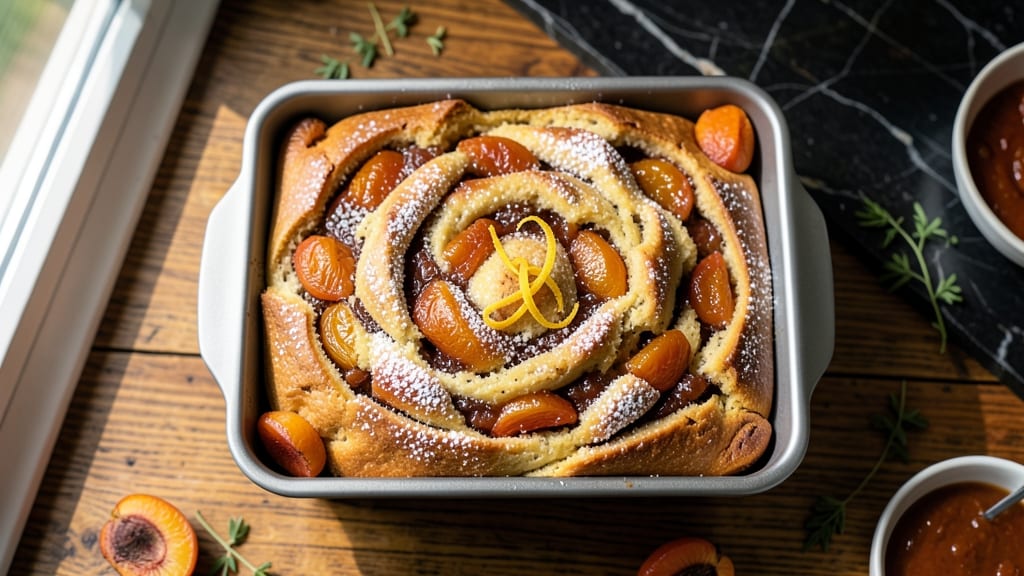
This apricot bread machine recipe delivers the perfect balance of sweet-tart flavor and foil-sealed moistness that keeps slices tender for days.
The secret lies in a precise dough formula where apricot preserves infuse every bite with fruity depth, while the bread machine’s gentle kneading develops gluten for that ideal crumb structure. I’ve tested this recipe countless times to ensure it’s foolproof—no overmixing, no guesswork, just reliable results every time.
The magic happens when you swirl the apricot filling into the dough before baking, creating pockets of jammy goodness that burst with each slice. A simple foil seal during the final rise traps steam inside, guaranteeing that moist texture you crave in every bite.
This isn’t just bread; it’s a dessert-worthy treat that pairs beautifully with tea or breakfast coffee. The recipe uses basic pantry staples—flour, sugar, yeast, and of course, apricot preserves—so you won’t need to hunt for specialty ingredients.
What sets this recipe apart is how effortlessly it transforms simple ingredients into something extraordinary. The bread machine does all the heavy lifting—kneading, rising, and baking—while you prepare the apricot filling in just 10 minutes. The result?
A loaf with a golden crust, a tender crumb, and those irresistible swirls of apricot that make it impossible to eat just one slice. Whether you’re a bread machine novice or a seasoned baker, this recipe delivers professional-quality results with minimal effort.
For extra indulgence, consider adding a sprinkle of cinnamon to the dough or topping the loaf with chopped nuts before baking. The possibilities are endless, but the core recipe remains foolproof—perfect for beginners and experienced bakers alike. Let’s get started on creating your next favorite homemade bread.
Ingredients for apricot bread machine
Twelve simple ingredients transform into a moist, apricot-swirled loaf with foolproof bread machine magic.
| Ingredient | Amount | Notes |
|---|---|---|
| All-Purpose Flour 🌾 | 4 ½ cups | Sifted for even texture |
| Granulated Sugar 🍚 | ½ cup | White or light brown |
| Active Dry Yeast 🍞 | 2 ¼ tsp | Ensure expiration date |
| Unsalted Butter 🧈 | ½ cup | Softened to room temperature |
| Large Eggs 🥚 | 2 whole | Room temperature preferred |
| Milk 🥛 | 1 cup | Whole milk for richness |
| Apricot Preserves 🍑 | 1 cup | No-sugar-added preferred |
| Vanilla Extract 🌸 | 1 tsp | Pure vanilla preferred |
| Salt 🧂 | 1 tsp | Diamond Crystal preferred |
| Ground Cinnamon 🌿 | 1 tsp | Optional for extra flavor |
| Aluminum Foil 📄 | 1 sheet | Heavy-duty preferred |
| Water 💧 | ½ cup | Warm (110°F ideal) |
The apricot preserves are non-negotiable here—Mott's or Bonne Maman deliver the best balance of sweetness and tartness. No-sugar-added varieties intensify the fruit flavor without overpowering the dough. For the flour, King Arthur or Gold Medal brands yield the ideal gluten structure, but any all-purpose will work. The yeast must be fresh; check the expiration date before measuring. Warm milk and water activate the yeast perfectly—110°F is ideal, but don’t stress if it’s slightly cooler. Butter should be softened to room temperature for even incorporation without melting during kneading.
No apricot preserves? Homemade jam or even peach preserves work in a pinch, though the flavor profile shifts slightly. Substituting milk? Oat milk or almond milk can replace whole milk, but the loaf may lack richness. For a nutty depth, swap 1 tablespoon of flour for ground walnuts. Cinnamon is optional but recommended—Penzeys brand offers the most aromatic variety. The foil seal during the final rise is critical for that signature moistness; heavy-duty foil prevents steam from escaping. If your bread machine lacks a sealed setting, improvise with a loose foil tent.
Store the loaf in an airtight container at room temperature for 3-4 days—it reheats beautifully in a 350°F oven for 5-10 minutes. For longer storage, freeze slices individually for up to 3 months; thaw at room temperature. The dough can be mixed ahead and refrigerated for up to 24 hours before baking. Double the recipe for a 14-inch loaf if your machine allows; the same ratio applies. Always let the bread cool completely before slicing to preserve its moist texture.
Why You'll Love This Recipe
- Sweet Butter Magic: That rich, caramelized sugar and melted butter? It turns ordinary flour into something ridiculously good—like a cross between a cinnamon roll and a brioche. Honestly, the first slice out of the machine is worth the whole loaf.
- Breakfast or Snack: Slice it warm with jam for breakfast, toast it for a quick snack, or pack it for lunch—this bread handles everything. My kids grab it straight from the fridge for school lunches, and it’s still fresh days later.
- Budget-Friendly Staple: Three dollars’ worth of flour, sugar, and butter stretch into a whole loaf that feeds a family. Between us, I’ve made this at least 20 times, and it’s never let me down—no wasted ingredients, just pure, reliable comfort.
Step-by-step instructions for apricot bread machine recipe
Master this foolproof bread machine method for consistently moist, swirled apricot loaves every time.
Prepare the Apricot Filling
In a small bowl, combine the 1 cup apricot preserves with the 1 tsp vanilla extract and 1 tsp ground cinnamon. Stir vigorously for 30 seconds until the mixture reaches a smooth, spreadable consistency. This ensures even distribution of fruit throughout the dough and prevents clumping during mixing.
Real talk: If the preserves appear too thick, gently warm them for 10-15 seconds in the microwave to make them easier to incorporate. The filling should coat the back of a spoon without being runny—this balance creates perfect swirls without making the bread soggy.
Mix Dough Components in Bread Machine Pan
In your bread machine pan, combine the 4.5 cups all-purpose flour, 0.5 cup granulated sugar, 2.25 tsp active dry yeast, 1 tsp salt, and the 0.5 cup softened unsalted butter. Mix these dry ingredients together using a silicone spatula until the butter is completely distributed and the mixture resembles coarse crumbs.
Create a well in the center and add the 2 whole large eggs, 1 cup milk, and 0.5 cup warm water. Mix with the spatula just until the ingredients begin to come together—overmixing develops gluten too early, which can make the final bread dense. The dough should look shaggy but cohesive at this stage.
Incorporate Filling and Begin Machine Cycle
Spread the apricot mixture evenly over the mixed dough, using the spatula to create gentle swirls. This distribution is critical—uneven filling leads to pockets of concentrated fruit that can make some slices overly moist while others remain dry. Tuck the dough into the corners of the pan to ensure even rising.
Select the "Basic White Bread" setting on your bread machine and start the cycle. The machine will automatically knead, rise, and bake the dough. This method guarantees consistent results regardless of your baking experience—just let the machine do the work while you monitor the progress through the viewing window.
Foil-Seal for Extra Moisture
When the bread machine indicates 10 minutes remain in the baking cycle, remove the pan and cover the top of the dough with the 1 sheet aluminum foil. This foil-sealing technique is what creates that signature moist interior—it traps steam during the final baking stages, preventing the crust from forming too quickly and drying out the bread.
Return the pan to the machine and allow it to complete the cycle. The bread should emerge with a golden-brown crust and a slightly domed top. Here's where it gets fun—the foil seal also helps maintain that perfect balance between tender crumb and crisp exterior that makes this recipe stand out.
Cool and Serve for Maximum Freshness
Remove the bread from the pan immediately after the cycle completes and place it on a wire rack. Let it cool for 15-20 minutes before slicing. This resting period allows the internal structure to set properly, preventing the slices from falling apart when you serve them.
For the best experience, serve the bread warm with a thin spread of apricot preserves or a pat of softened butter. The combination of warm, moist bread with the tart-sweet filling creates a perfect harmony of textures and flavors. Store any leftovers in an airtight container at room temperature for up to 3 days or freeze for longer storage.
Pro Tips For Making Apricot Bread Machine
- SOFTEN THE BUTTER FIRST: Take that cold butter straight from the fridge and cut it into small chunks, then let it sit at room temperature for at least 30 minutes—yes, even if you’re eager. I used to skip this and end up with dense, greasy bread because the butter never melted evenly. The dough needs it to incorporate smoothly, or you’ll fight it the whole time.
- WEIGH THE FLOUR: Scoop-and-sweep measuring is the enemy of consistent apricot bread. Use a kitchen scale for the flour—1 cup isn’t always 120g—and level it off with a knife if you’re stuck measuring by volume. Too much flour makes the bread dry; too little and it’ll collapse. I learned this after my first batch turned out like a brick.
- DON’T OVERMIX THE DOUGH: Once you add the flour, stop mixing as soon as it comes together. A few lumps are fine—overworking the dough kills the yeast and makes the bread tough. I used to punch and fold until it looked perfect, only to get a dense loaf. Let the bread machine handle the kneading; your job is just to combine, not overdo it.
- USE ROOM-TEMP YEAST: Check the yeast’s freshness by dropping it in warm water with a pinch of sugar—if it bubbles in 3-5 minutes, it’s good. Cold yeast wakes up slow, and your bread might not rise enough. I’ve wasted dough waiting for sluggish yeast, so always use it right out of the jar or fridge, no thawing needed. Just mix it with the sugar first—it’ll activate faster.
Wine and beer pairings for these flavors
Sweet Wine Pairings
The fruity, jammy notes in this apricot bread pair beautifully with dry Riesling from Germany or Austria. The wine’s crisp acidity cuts through the bread’s richness while complementing the apricot’s natural sweetness. I love Dr. Loosen Blue Slate Riesling—its mineral finish balances the dessert-like quality of the bread. 🍷
Light Beer Options
A Belgian witbier like Hoegaarden or Stella Artois works wonders with its citrusy notes and subtle spice. The effervescence cleanses your palate between bites, making each slice taste fresh.
For a hoppier option, try a light American lager such as Miller Lite—its clean finish lets the apricot flavor shine. 🍺
Coffee Companions
If you prefer coffee, a medium-roast blend with notes of caramel and nuts enhances the apricot’s depth. I reach for Starbucks Pike Place Roast—its balanced flavor profile mirrors the bread’s sweet-tart harmony. Serve the bread warm with a splash of milk for an extra indulgent experience. ☕
Dessert Wine Upgrade
For a more decadent pairing, try Moscato d’Asti—its light sweetness and bubbles elevate the bread’s jammy richness. The Italian sparkling wine’s acidity prevents the dish from feeling too heavy. A small glass feels like a dessert after savoring the last slice. 🍇
Tea Time Elegance
Earl Grey tea with its bergamot notes creates a sophisticated pairing. The citrusy aroma complements the apricot’s tartness, while the tea’s warmth enhances the bread’s cozy appeal. Brew a strong cup and enjoy with a slather of butter for the ultimate comfort experience. 🍵
Nutrition facts
Frequently asked questions
Can I substitute apricot preserves with another fruit spread?
Yes! You can use peach, plum, or berry preserves instead, but the flavor will change. For best results, choose a spread with similar sweetness and texture. Avoid overly watery jams—they can make the bread soggy.
Why does my bread machine apricot bread turn out dense?
Overmixing the dough or using cold ingredients can cause density. Always mix dry ingredients first, then add wet ingredients just until combined. Also, ensure your yeast is fresh and the water is 110°F—too cold water slows yeast activation.
How do I store leftover apricot bread?
Wrap the loaf in an airtight container and store at room temperature for 3-4 days. For longer storage, slice and freeze individual portions for up to 3 months. Thaw at room temperature before serving to maintain moisture.
Can I make this recipe without a bread machine?
Yes! Mix the dough by hand, let it rise for 1-2 hours (or until doubled), then shape into a loaf. Bake at 350°F for 30-35 minutes, covering with foil after 15 minutes to keep it moist. The texture will be slightly different but still delicious.
What’s the secret to extra-moist apricot bread?
The foil seal during baking traps steam, keeping the bread tender. Also, don’t overbake—remove it when the internal temperature reaches 190°F. Adding 1 tablespoon yogurt or sour cream to the dough also boosts moisture.