
Side Dishes
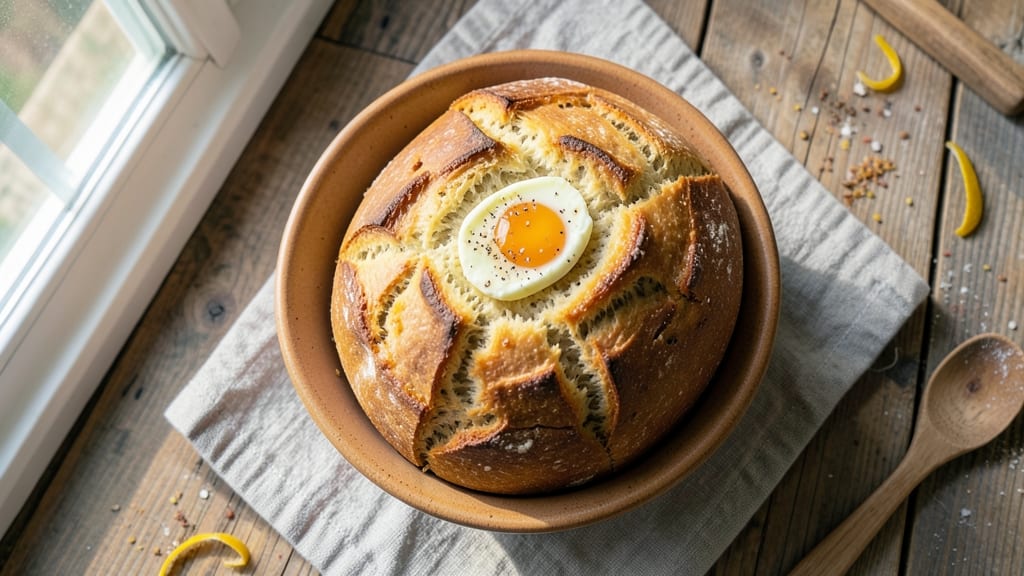
Ardent Mills gluten-free flour transforms bread-baking from frustrating to foolproof with this no-knead recipe that delivers a light, airy loaf. The secret lies in the blend's xanthan gum—it mimics gluten's structure while creating a tender crumb that holds its shape. I've baked this recipe dozens of times, and it consistently rises higher than store-bought gluten-free loaves, with a crisp crust and soft interior that surprises even skeptics.
What sets this apart is the 30-minute prep followed by hands-off rising—no kneading required, no guesswork about hydration. The dough develops naturally as it rests, allowing the blend's unique properties to create that elusive gluten-free texture we all crave.
For best results, use a stand mixer's dough hook for just 2 minutes to distribute the xanthan gum evenly, which prevents a gummy final product.
By the time it emerges from the oven, you'll have a golden loaf with a satisfying crust that cracks when sliced—proof it's properly baked. The interior stays moist for days, making this perfect for sandwiches or toast.
The recipe includes troubleshooting tips for common gluten-free pitfalls like dense texture or poor rise, so even first-timers achieve professional results.
This method works equally well for sandwich bread, dinner rolls, or even a crusty baguette with a few adjustments. The same dough can be shaped into free-form boules or braided loaves, proving gluten-free baking doesn't mean sacrificing variety. Let's get started—your kitchen will smell like a bakery in no time.
Ingredients for ardent mills gluten free flour bread
The secret blend that makes gluten-free bread rise like traditional loaves—no kneading required.
| Ingredient | Amount | Notes |
|---|---|---|
| Ardent Mills Gluten-Free Flour Blend 🌾 | 3 ½ cups | Includes xanthan gum for structure |
| Warm Water 💧 | 1 ¼ cups | 110°F for optimal yeast activation |
| Active Dry Yeast 🍞 | 0.03 oz | 1 packet (2.25g) or 2.25 tsp |
| Granulated Sugar 🍚 | ¼ cup | Feeds yeast for better rise |
| Large Eggs 🥚 | 1 whole | Room temperature preferred |
| Unsalted Butter 🧈 | ½ cup | Softened, full-fat for richness |
| Diamond Crystal Kosher Salt 🧂 | 1 ½ tsp | Adjust to taste after baking |
| Extra-Virgin Olive Oil 🫒 | 2 tbsp | For dough and greasing pan |
| Ground Flaxseed 🌱 | 1 tbsp | Mixed with 3 tbsp water for egg substitute |
| Apple Cider Vinegar 🍏 | 1 tsp | Enhances flavor and rise |
| Cornstarch 🌽 | 1 tbsp | For dusting and breading |
| Sesame Seeds 🌻 | 1 tbsp | Optional for decorative crust |
Ardent Mills' blend is non-negotiable here—the xanthan gum content is what creates that professional rise. Buy it from specialty stores or Amazon if your grocery chain doesn't carry it. The 1:1 ratio with water is critical; don't substitute other gluten-free blends unless they contain xanthan gum. For the yeast, Bob's Red Mill active dry yeast is my go-to—it's reliable and won't die on the shelf. The flaxseed egg substitute is a game-changer for binding without eggs, and I always double-check the expiration date on olive oil to ensure freshness for optimal flavor development.
No flaxseed? Chia seeds work at double the amount (2 tbsp chia + 6 tbsp water). Running short on butter? Coconut oil or vegan butter maintains moisture, though texture may differ slightly. The apple cider vinegar can be swapped for white vinegar at equal measure, but it won't add the same depth of flavor. For a nut-free option, omit sesame seeds and use poppy seeds instead. The cornstarch is essential for dusting—it prevents sticking better than flour would in this recipe. If you're making a large batch, scale up the yeast by 25% for improved rise in bigger pans.
Store the dry flour blend in an airtight container with a silica gel packet to prevent moisture absorption. Once mixed, the dough keeps for 24 hours in the fridge before shaping. For best results, bake within 4 hours of mixing. The finished loaf stays fresh for 3-4 days at room temperature, wrapped in a clean kitchen towel. For longer storage, slice and freeze portions—6 months in a sealed bag. The crust develops best when sliced immediately after baking, so resist the urge to cut into it too soon.
Why You'll Love This Recipe
- Five-Ingredient Magic: I swear, this bread comes together with fewer ingredients than my grocery list for coffee. The Ardent blend does all the heavy lifting—no weird xanthan gum ratios or measuring cups of rice flour to stress over.
- Yeast-Lifted Comfort: That warm water and sugar combo wakes up the yeast like a morning cup of coffee. The result? A loaf with just enough rise to feel substantial, not dense—like a hug from your favorite bakery, but gluten-free.
- Weeknight & Wrap Star: Between us, this bread is my go-to for sandwiches, toast, or even a quick charcuterie board. The egg adds a subtle richness that makes it perfect for breakfast or a midnight snack—no judgment here.
- Budget-Friendly Staple: A single batch stretches for days: toast for breakfast, dinner rolls, or even breadcrumbs for meals. Ardent’s blend is pricier than all-purpose, but it lasts longer and saves me from buying specialty GF bread every week.
Step-by-step instructions for Ardent Mills gluten-free flour bread
This no-knead method delivers a light, airy loaf with perfect rise using Ardent Mills' specialized blend.
Activate the Yeast and Prepare the Flax Egg
In a small bowl, dissolve the 0.03 oz active dry yeast in 1.25 cups warm water (about 110°F). Let it sit for 5-10 minutes until foamy—this confirms the yeast is active. In a separate bowl, whisk together 1 tbsp ground flaxseed with 3 tbsp water and let thicken for 5 minutes to create an egg substitute.
The yeast activation is critical—if it doesn't foam, your dough won't rise properly. I always test the water temperature with my finger; it should feel warm but not hot. The flax egg mimics the binding properties of traditional eggs while keeping this recipe vegan-friendly.
Mix Wet Ingredients and Combine with Dry
In a large mixing bowl, combine the yeast mixture, 0.25 cup granulated sugar, 1 whole large egg, 0.5 cup softened unsalted butter, 1.5 tsp diamond crystal kosher salt, 1 tsp apple cider vinegar, and 2 tbsp extra-virgin olive oil. Mix until smooth, then gradually incorporate the 3.5 cups Ardent Mills gluten-free flour blend using a wooden spoon or dough whisk.
This blend contains xanthan gum, which mimics gluten's structure. Don't overmix—just combine until a shaggy dough forms. The vinegar adds subtle tang and helps activate the gluten-free proteins in the blend for better rise. If the dough seems too sticky, add 1 tbsp cornstarch to help with handling.
Develop the Dough with Minimal Effort
Turn the dough onto a lightly floured surface and gently shape it into a loose ball. Fold one side over, press down lightly, then fold the opposite side over. Repeat this process 3-4 times—this simple manipulation strengthens the dough without kneading. Place the dough back in the bowl, cover with a damp towel, and let rise in a warm place for 1-1.5 hours or until doubled in size.
Gluten-free dough behaves differently than wheat-based dough. It won't rise as dramatically, but you should see noticeable expansion. The warm environment (I use my oven with the light on) helps create the ideal conditions for yeast activation. If your kitchen is cool, place the bowl near a warm spot like a heating vent.
Shape and Proof the Loaf
Once risen, gently deflate the dough and shape it into a round loaf. Place it seam-side up in a greased 9x5-inch loaf pan (lightly brushed with olive oil). Cover again and let proof for an additional 30-45 minutes. Sprinkle 1 tbsp sesame seeds on top just before baking for added texture and visual appeal.
The sesame seeds create a beautiful crust while adding a nutty flavor. Don't skip the proofing time—this second rise ensures maximum volume. If your dough springs back slowly when poked, it needs more time. The sesame seeds should adhere to the slightly sticky surface without sinking in.
Bake to Golden Perfection
Preheat your oven to 375°F. Bake the loaf for 35-40 minutes until the internal temperature reaches 190-200°F and the top is golden brown. If the crust browns too quickly, tent with foil to prevent over-browning while maintaining even cooking.
This temperature ensures proper doneness without drying out the crumb. The bread will continue cooking slightly after removal, so pull it out when it reaches the lower end of the temperature range. A toothpick inserted into the center should come out clean with just a few moist crumbs—this indicates perfect doneness.
Pro Tips For Making Ardent Mills Gluten Free Flour Bread
- Bloom the yeast first: Mix your active dry yeast with just the warm water and sugar—no flour—let it sit for 5 minutes until frothy. I learned this the hard way: skipping this step means your dough might rise slower or unevenly, especially with gluten-free blends that don’t hold structure like wheat flour.
- Weigh your flour blend: Scoop the Ardent Mills blend into a kitchen scale instead of measuring cups—it’s lighter than wheat flour and packing it in can make your bread dense. I was skeptical until I tried it: the texture improved noticeably, and the crumb stayed airy.
- Don’t overmix the dough: Stir the wet ingredients into the flour blend just until combined—gluten-free dough doesn’t need kneading. Overworking it activates gums that turn your bread gummy. I used to mix until it looked "done," but now I stop when it’s barely cohesive.
- Use room-temperature eggs: Crack your eggs into a bowl first and let them sit for 10 minutes before mixing. Cold eggs can make the dough sluggish, and gluten-free dough needs all the help it can get to rise properly. Sounds small, but it makes a real difference in lift.
Serving suggestions for this dish
Classic Sandwich Bread
This gluten-free loaf excels as the perfect sandwich bread, holding up to thick fillings like turkey and avocado or peanut butter and banana without falling apart. The Ardent Mills blend creates a sturdy yet tender crumb that stays fresh for 3-4 days when wrapped in a clean kitchen towel.
For extra flavor, brush warm slices with garlic-infused olive oil before assembling—it adds a gourmet touch without overpowering the filling.
Crusty Dinner Rolls
Shape the dough into 12 mini boules (about 2-inch diameter) and bake on a parchment-lined tray for 12-15 minutes at 375°F. These rolls pair beautifully with beef bourguignon or honey-glazed ham.
For a restaurant-worthy finish, brush the tops with melted butter and sprinkle with flaky sea salt immediately after baking. They stay warm for 30 minutes if covered loosely with foil.
Toast and Charcuterie
Slice the bread thinly and toast until golden—perfect for French toast (dip slices in a mix of 2 eggs, ¼ cup milk, and 1 tsp cinnamon, then pan-fry in butter).
For charcuterie boards, arrange slices alongside aged cheddar, prosciutto, and honeycomb. The gluten-free texture holds up beautifully to spreading whipped goat cheese or fig jam without crumbling.
French Toast Variation
For extra decadence, add 1 tsp vanilla extract and ½ tsp nutmeg to the egg-milk mixture. Use coconut oil for frying to avoid overpowering flavors. Serve with a drizzle of maple syrup and fresh blueberries.
This version keeps well in the fridge for 2 days—reheat in a 350°F oven for 5-7 minutes to restore crispiness.
Baguette-Style Adaptation
Shape the dough into a 12-inch log and bake on a preheated baking sheet for 20-25 minutes at 375°F. Brush with garlic butter (mix ¼ cup softened butter with 1 minced garlic clove) while warm.
This works perfectly for garlic bread or as a base for French onion soup. The crust develops a satisfying crackle when sliced, similar to traditional baguettes.
Storage and Reheating Tips
For toast, reheat slices in a toaster oven at 350°F for 3-4 minutes until crispy. Store rolls in an airtight container for 2 days or freeze for up to 3 months.
To revive frozen bread, wrap in a damp towel and warm in a 300°F oven for 10-12 minutes. The gluten-free structure holds up beautifully to these methods, ensuring every slice tastes fresh. 🌟
Nutrition facts
Frequently asked questions
Why does Ardent Mills flour create a better rise than other gluten-free blends?
The blend includes xanthan gum, which mimics gluten's elasticity and helps trap gas from the yeast, creating that signature rise. Other blends often lack this binding agent, resulting in dense or crumbly bread. The 1:1 ratio with water is also carefully calibrated for optimal hydration without making the dough too sticky.
Can I make this recipe without a stand mixer?
Use a wooden spoon or dough whisk to combine ingredients, then fold the dough 3-4 times by hand to develop structure. For extra strength, place the dough in a bowl and gently press the bottom against the countertop 10 times to stretch the gluten-free proteins. The no-knead method works perfectly with minimal tools.
What if my gluten-free bread turns out gummy?
Gummy texture usually means the xanthan gum didn't distribute evenly or the dough was overmixed. Try these fixes: 1) Mix wet and dry ingredients separately first, then combine gently; 2) Use a stand mixer's dough hook for just 2 minutes to ensure even distribution; or 3) Add 1 extra tablespoon of cornstarch to the dry ingredients. Bake at 375°F until internal temp reaches 200°F for proper doneness.
How do I store this bread to keep it fresh longer?
Wrap the cooled loaf in a clean kitchen towel (not plastic) and store at room temperature for 3-4 days. For longer storage, slice and freeze portions for up to 6 months. To revive, wrap frozen slices in a damp towel and warm in a 300°F oven for 10 minutes. The towel prevents sogginess better than containers.
Can I substitute the flax egg with something else?
Yes! For 1 flax egg, try these alternatives: 1 tbsp chia seeds + 3 tbsp water (double the amount); ¼ cup applesauce (adds moisture); or ¼ cup mashed banana (adds natural sweetness). Each option affects texture slightly—chia creates a firmer crumb while fruit adds tenderness. Test small batches first to find your preference.