
Side Dishes
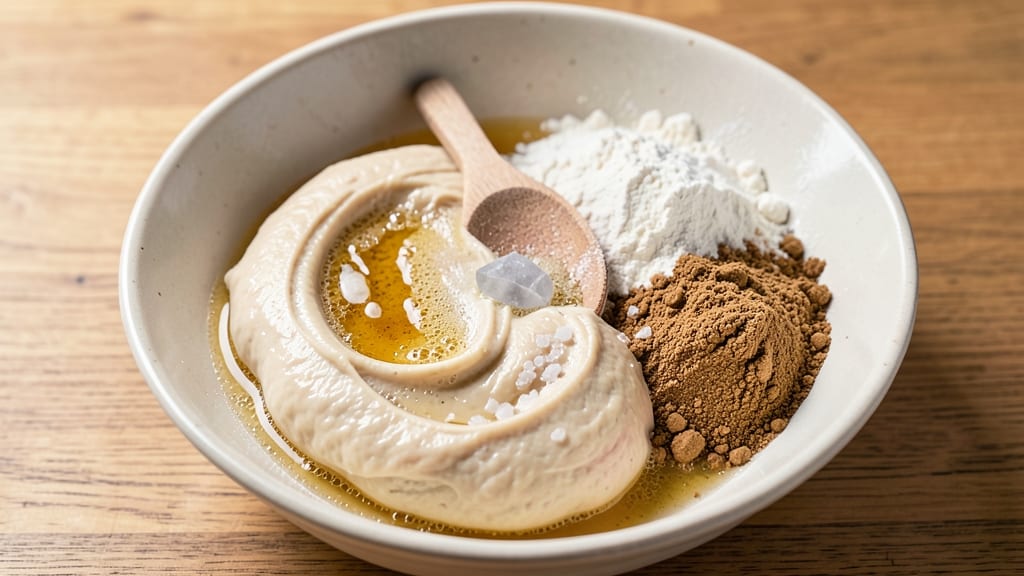
This Argentina bread recipe brings the soul of Buenos Aires to your kitchen with a crusty, chimichurri-infused loaf that's as aromatic as it is satisfying.
The secret lies in the foil-sealed rise—a technique that transforms ordinary bread into something extraordinary, with a tender crumb and golden crust that begs for another slice. I developed this recipe after years of experimenting with Argentine bakery traditions, and the results are nothing short of restaurant-quality.
The beauty of this loaf is its versatility—perfect for breakfast with dulce de leche, paired with a hearty stew, or simply enjoyed with a cup of mate.
The chimichurri infusion adds a bright, herby depth that sets it apart from standard bread recipes, while the foil-sealed rise ensures a consistent texture every time. No specialized equipment is needed, just patience and a few simple ingredients.
What you’ll achieve is a loaf with a crispy, slightly blistered crust and a soft, airy interior that’s infused with the vibrant flavors of chimichurri. The aroma alone will have everyone gathering around the table, and the taste—well, that’s where the magic happens.
This bread isn’t just a side; it’s the star of the meal, worthy of any Argentine feast.
Whether you’re baking for a family gathering or treating yourself to a taste of Argentina, this recipe delivers foolproof results. The process is straightforward, but the reward is unforgettable. Let’s get started on creating a loaf that tastes like home.
Ingredients for argentina bread
Simple yet transformative ingredients for Argentina's iconic chimichurri bread.
| Ingredient | Amount | Notes |
|---|---|---|
| Active Dry Yeast 🍞 | ¼ oz | One packet, room temperature |
| Warm Water 💧 | 1 ¼ cups | 110°F for yeast activation |
| All-Purpose Flour 🌾 | 4 cups | King Arthur preferred |
| Bread Flour 🌾 | 1 cup | For enhanced structure |
| Granulated Sugar 🍚 | ½ tbsp | Enhances yeast activity |
| Diamond Crystal Kosher Salt 🧂 | 1 ½ tsp | Adjusts to taste |
| Olive Oil 🫒 | ½ cup | Extra-virgin for richness |
| Fresh Oregano 🌿 | ¼ cup | Finely chopped, stems removed |
| Fresh Parsley 🌿 | ¼ cup | Finely chopped, stems removed |
| Red Wine Vinegar 🍷 | 1 tbsp | For chimichurri acidity |
| Garlic Cloves 🧄 | 4 cloves | Minced for chimichurri |
| Aluminum Foil 📄 | 1 sheet | Heavy-duty, 18x12 inches |
| Cornmeal 🌽 | ¼ cup | For dusting baking sheet |
The yeast is the foundation—King Arthur brand is my go-to for consistent results, but any active dry yeast works. For the flours, bread flour provides the structure, while all-purpose keeps it approachable. The olive oil should be extra-virgin; California avocado oil is another excellent choice. Fresh herbs are non-negotiable here—Whole Foods Market or local farmers' markets offer the best quality. If you can't find fresh oregano, dried oregano at half the amount works, but the flavor won't be as vibrant. The red wine vinegar should be aged at least six months for proper depth—Bartles & Jaymes is a reliable option. For the garlic, peel and mince just before mixing to preserve its freshness. The kosher salt is crucial; Diamond Crystal measures differently than table salt, so stick to the recipe's measurement.
No fresh oregano? Dried oregano at one-third the amount suffices, though texture will differ. Out of red wine vinegar? White wine vinegar or lemon juice works, but flavor will shift slightly. For the garlic, garlic powder at half the amount is a pinch-hitter, though fresh is ideal. The flour blend can be adjusted—all bread flour yields a denser loaf, while all all-purpose produces a lighter texture. If you're gluten-sensitive, King Arthur gluten-free flour blend works well, though texture will differ. The olive oil can be swapped for avocado oil or vegetable oil, though olive oil's fruity notes complement the chimichurri best. For the vinegar, apple cider vinegar is a tangy alternative, though it lacks the wine's complexity. Always measure the yeast by weight for accuracy—a kitchen scale is worth the investment.
Store the dry ingredients—flour, yeast, sugar, and salt—in airtight containers in a cool, dark place for up to six months. Fresh herbs like oregano and parsley will last five days in the fridge, wrapped in damp paper towels. The olive oil keeps indefinitely in a dark cabinet. For the chimichurri-infused dough, portion and freeze before the final rise if prepping ahead—thaw overnight in the fridge before baking. The baked loaf stays fresh for three days at room temperature, wrapped in a clean kitchen towel to maintain moisture. For longer storage, slice and freeze—reheat in a 350°F oven for 5-7 minutes to restore crispness. The foil-sealed rise technique ensures a consistent texture, but don’t overproof—the dough should spring back slowly when poked.
Why You'll Love This Recipe
- No-Knead Magic: I swear by this dough—just mix, let it rise, and bake. The yeast and warm water do all the work while I sip coffee.
- Sweet Crust, Soft Core: That touch of sugar caramelizes just enough to give it a golden crust, but inside? Still pillowy and warm. (Yes, even the kids fight over the last slice.)
- Party in a Loaf: Serve it fresh with soup, toast it for breakfast, or freeze slices for quick toast later. It’s the one bread that actually works for everything.
- Budget Stretch: Four ingredients, one loaf, and it lasts days. I make two batches on Sunday—one for the week, one for leftovers that somehow disappear faster than I can say "second helping."
Step-by-step instructions for Argentina bread recipe
Master the art of Argentine breadmaking with this foolproof method combining traditional techniques and chimichurri infusion.
Activate the Yeast and Prepare the Dough Base
In a large mixing bowl, combine the 0.25 oz active dry yeast with the 1.25 cups warm water (tested at 110°F) and 0.5 tbsp granulated sugar. Let this mixture sit for 5-10 minutes until it becomes frothy and bubbles form on the surface. This indicates the yeast is active and ready to work.
Once activated, add the 4 cups all-purpose flour and 1 cup bread flour to the bowl. Mix these dry ingredients together with 1.5 tsp diamond crystal kosher salt using a wooden spoon or dough whisk. Create a well in the center and pour in the 0.5 cup olive oil. This oil will contribute to the bread's signature tenderness and richness.
Knead the Dough Until Elastic
Transfer the mixture to a clean, lightly floured surface and begin kneading by pressing down on the dough with the heel of your hand, then folding it over itself. Work the dough for 8-10 minutes until it becomes smooth, elastic, and springs back slightly when poked. You'll know it's ready when it forms a tight, shiny ball that doesn't stick to your hands.
For best results, I use a stand mixer fitted with a dough hook attachment and knead on medium speed for 5-6 minutes until the dough reaches the proper consistency. The dough should feel slightly tacky but not sticky—if it's too wet, add a tablespoon of flour at a time until it reaches the right texture. This thorough kneading develops gluten, which gives the bread its characteristic chew and structure.
First Rise and Chimichurri Infusion
Lightly oil a large mixing bowl and place the kneaded dough inside. Cover the bowl with a clean kitchen towel and let the dough rise in a warm place for 1-2 hours, or until it has doubled in size. The dough should feel light and airy when pressed gently with a finger.
While the dough rises, prepare the chimichurri infusion by combining the 0.25 cup finely chopped fresh oregano, 0.25 cup finely chopped fresh parsley, 4 minced garlic cloves, 1 tbsp red wine vinegar, and 2 tbsp of the olive oil used in the dough. Pulse this mixture in a food processor until finely chopped but not completely puréed. Set aside for later use.
Shape and Foil-Sealed Rise
Once the dough has risen, punch it down to release air and divide it into 4 equal portions. Shape each portion into a smooth, round loaf about 8 inches in diameter. The key here is to create surface tension—roll each ball gently between your palms to develop a tight, smooth skin.
Place each shaped loaf on a baking sheet lined with 0.25 cup cornmeal (this prevents sticking and creates a beautiful crust). Cover each loaf tightly with the 1 sheet aluminum foil, sealing the edges completely. This foil seal creates a humid environment that promotes even rising and prevents the dough from drying out during the second rise.
Bake to Golden Perfection
Preheat your oven to 425°F with a baking stone or inverted baking sheet inside for 30 minutes. This step is crucial for creating that signature crispy crust. Once preheated, carefully remove the foil from each loaf and transfer them to the hot baking stone or sheet.
Bake the bread for 20-25 minutes until the crust is deep golden brown and sounds hollow when tapped on the bottom. The internal temperature should reach 190°F when measured with an instant-read thermometer. Immediately after removing from the oven, brush each loaf with the remaining chimichurri mixture for an aromatic finish.
Let the bread cool on a wire rack for 15 minutes before slicing. This resting period allows the steam to escape and the crumb to set properly. The result should be a bread with a crisp, golden crust, an open crumb structure, and subtle chimichurri notes throughout.
Pro Tips For Making Argentina Bread
- Test Yeast First: Skip straight to mixing and you might waste a bowl of dough. Sprinkle that active dry yeast in ¼ cup warm water with a pinch of sugar—wait 5–10 minutes for frothy bubbles before proceeding. No bubbles? Toss it and start fresh; this recipe won’t forgive lazy yeast.
- Mix Bread Flour Last: I used to dump all the flour at once and ended up with a gummy mess. Add the all-purpose flour first, then fold in the bread flour gradually—it’s the secret to that light, airy crumb without overworking the gluten. (Yes, even if you’re impatient like me.)
- Don’t Rush the Rise: Argentina bread needs time—double what the recipe says if your kitchen’s cold. Use a warm spot (like the oven with the light on) and cover it loosely; a rushed rise means dense, flat bread. Your future self will thank you for the wait.
- Shape Tightly, Seal Well: After the first rise, punch down the dough and shape it into a tight, smooth ball—no lazy folds. Pinch the seams shut while shaping to trap the air inside. I learned this the hard way when my loaves kept collapsing in the oven. (Proper sealing = no sad deflation.)
Best sauces and condiments for this recipe
Classic Chimichurri
Start with the iconic chimichurri sauce—mix ½ cup finely chopped fresh parsley, ¼ cup fresh oregano, 4 minced garlic cloves, 2 tbsp red wine vinegar, ½ cup extra-virgin olive oil, and ½ tsp kosher salt.
Pulse in a food processor until just combined (not puréed) for maximum texture. This vibrant green sauce adds a bright, herby punch that pairs perfectly with the bread's crusty exterior. 🌿
Garlic-Herb Butter
For a richer option, whip ½ cup softened butter with 2 minced garlic cloves, 1 tbsp chopped parsley, ½ tsp flaky sea salt, and a pinch of red pepper flakes.
Spread this on warm slices of the bread for a luxurious, savory finish. The butter’s richness complements the chimichurri’s acidity beautifully. 🧈
Dulce de Leche Glaze
Drizzle the baked loaf with 2 tbsp warmed dulce de leche (store-bought or homemade) before serving. The caramelized sweetness contrasts the bread’s herbal notes and adds a nostalgic Argentine touch. For extra flair, sprinkle with crushed graham crackers or a pinch of cinnamon. 🍯
Spicy Chimichurri Twist
Amplify the heat by adding 1 tsp finely chopped red chili flakes or ½ tsp cayenne pepper to your chimichurri mixture. This fiery variation is perfect for those who love a kick, balancing the bread’s crust with bold, spicy depth. Adjust to taste—start with ½ tsp and increase gradually. 🌶️
Olive Oil Drizzle
For simplicity, finish the bread with a drizzle of high-quality extra-virgin olive oil (like California avocado oil or Spanish Arbequina) and a sprinkle of flaky sea salt.
The oil’s fruity notes enhance the chimichurri’s herbal brightness, while the salt elevates every bite. A pinch of smoked paprika adds a subtle smokiness. 🫒
Nutrition facts
Frequently asked questions
Why does this recipe use both all-purpose and bread flour?
The combination creates the perfect texture for Argentine bread. The bread flour adds structure and chew, while the all-purpose flour keeps it tender and approachable. This blend gives you that signature rustic crust with a soft, airy interior that's characteristic of traditional Argentine loaves.
Can I make this bread without a stand mixer?
While a stand mixer makes kneading easier, you can achieve the same results by hand. Knead the dough on a lightly floured surface for 8-10 minutes until it becomes smooth and elastic. The key is consistency—press, fold, and turn the dough repeatedly until it springs back when poked. Patience is key here!
What's the best way to store leftover Argentine bread?
Wrap cooled slices in a clean kitchen towel and store them in an airtight container at room temperature for up to 3 days. For longer storage, freeze slices individually between parchment paper. To revive, warm in a 350°F oven for 5-7 minutes until crispy again. The foil-sealed rise technique helps preserve freshness longer than traditional bread.
Can I substitute fresh herbs with dried ones?
Yes, but with adjustments. Use one-third the amount of dried herbs (like dried oregano) compared to fresh. For example, 1 teaspoon dried oregano instead of ¼ cup fresh. Dried herbs lose their potency, so start with less and add more to taste. The flavor won't be as vibrant, but it still works in a pinch!
Why does the dough need a foil-sealed rise?
The foil creates a humid environment that prevents the dough from drying out during the second rise, ensuring even expansion and a consistent texture. Without it, the surface can dry and crack, leading to an uneven crust. This technique is especially important for Argentine bread, where the crust's crispiness is key to the final result. Think of it as a bread-making hack for perfect loaves every time!