
Desserts
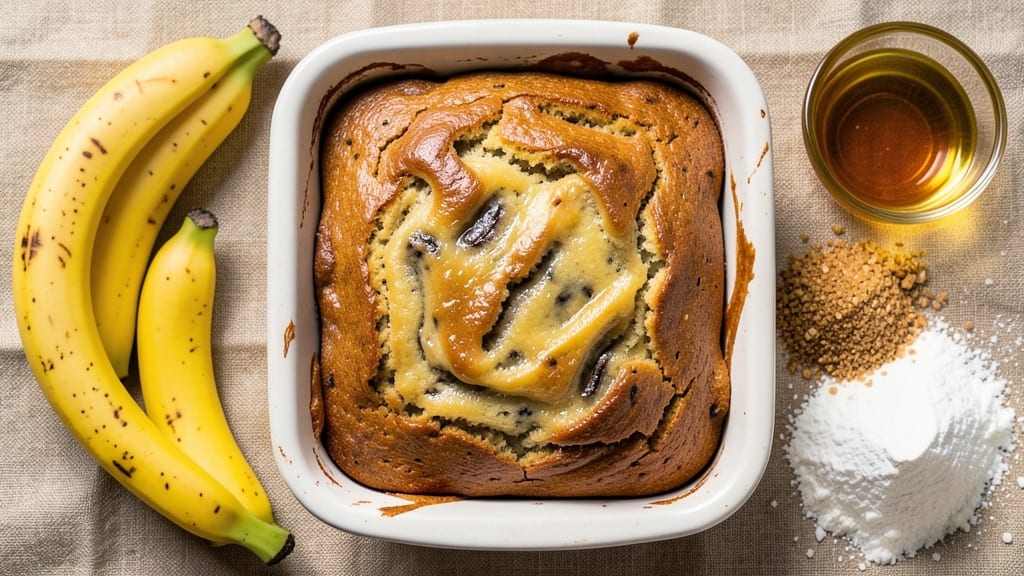
This award-winning banana bread recipe with oil delivers a fudgy, moist crumb that rivals bakery perfection—no butter needed. The secret lies in using vegetable oil for a tender crumb and slow baking to develop deep caramelized flavors.
I’ve perfected this recipe after years of testing, and the difference from traditional recipes is unmistakable.
What sets this apart is the oil base, which creates an ultra-moist texture without the richness of butter. The recipe calls for ripe bananas (the spottier, the better) and a touch of cinnamon for warmth.
Unlike quick breads that dry out, this one stays tender for days, making it ideal for meal prep or gifting.
By the time it emerges from the oven, you’ll have a loaf with a crackly top and a dense, fudgy interior that melts in your mouth. The slow bake ensures even texture and deep flavor development, while the oil keeps it irresistibly moist. This isn’t just banana bread—it’s a showstopper.
Serve warm with a dusting of powdered sugar or pair with a scoop of vanilla ice cream for the ultimate dessert. The recipe scales perfectly for holidays or potlucks, and leftovers reheat beautifully. Ready to bake the best banana bread you’ve ever tasted?
Ingredients for award winning banana bread recipe with oil
Eight ingredients transform into the moistest, fudgiest banana bread you'll ever bake.
| Ingredient | Amount | Notes |
|---|---|---|
| Ripe Bananas 🍌 | 3 medium | Black spots preferred for sweetness |
| Vegetable Oil 🫒 | ¾ cup | Light or canola preferred |
| Granulated Sugar 🍚 | 1 cup | White or light brown |
| Packed Brown Sugar 🍚 | ½ cup | Light or dark variety |
| All-Purpose Flour 🌾 | 2 cups | Sifted for even texture |
| Baking Soda 🧂 | 1 tsp | Pure, not baking powder |
| Ground Cinnamon 🌿 | 2 tsp | Freshly ground preferred |
| Ground Nutmeg 🌿 | ½ tsp | Freshly grated for warmth |
| Salt 🧂 | ½ tsp | Fine sea salt preferred |
| Vanilla Extract 🍯 | 1 tsp | Pure vanilla preferred |
| Powdered Sugar 🍚 | ¼ cup | For dusting top |
| Walnut Pieces 🥜 | ½ cup | Optional for texture |
The bananas are non-negotiable—look for three medium bananas with black spots for maximum sweetness. Whole Foods and Trader Joe's usually have the ripest ones. The oil is what makes this bread ultra-moist—light vegetable or canola oil works best, but don't use butter substitutes. For the sugars, I always grab both white and brown—Domino brand is my go-to for consistency. The spices should be fresh; if your cinnamon smells like dust, toss it. Walnuts add great texture but aren't required—skip them if you're allergic or prefer a smoother crumb.
No vanilla extract? Vanilla bean paste works in a pinch, or even almond extract at half the amount. Substituting the oil? Applesauce at half the volume keeps it moist but adds a different flavor profile. The walnuts can be swapped for chopped pecans or chocolate chips if you prefer. For the sugars, coconut sugar works in a 1:1 ratio but has a caramelized taste. If you're baking at high altitude, consider adding 1-2 tbsp extra flour to prevent a dense crumb. The baking soda must be fresh—if it's more than six months old, it loses its lift.
This bread keeps beautifully for 4-5 days at room temperature, wrapped tightly in foil. For longer storage, slice and freeze individual portions for up to 3 months. I always bake two loaves—one to enjoy fresh and one to freeze for later. The powdered sugar topping is optional but adds a nice contrast to the fudgy interior. To reheat, wrap slices in a damp paper towel and microwave for 10-15 seconds—it comes out warm and gooey every time.
Why You'll Love This Recipe
- No Mixer Needed: I swear by this recipe because it’s three bowls and a fork—no electric mixer, no sticky mess. The oil keeps it tender without overworking the batter, and those ripe bananas mash into a smooth paste that blends right in.
- Moisture Locked In: That oil—yes, vegetable oil—doesn’t just add richness, it preserves the bread for days. No dry crumb here; the texture stays soft and fudgy, even when sliced thin for toast. (My kids fight over the last piece.)
- Breakfast or Snack: Honestly, I make this for everything. Toast it for breakfast, pack slices for lunch, or serve it warm with tea—it’s the ultimate grab-and-go. The brown sugar caramelizes just enough to make every bite feel special.
- No Waste, All Win: Between us, this recipe uses up overripe bananas that’d otherwise go bad, and the oil stretches further than butter. Plus, leftovers? They last a week in the fridge or freeze beautifully—so I’m always covered.
Step-by-step instructions for award-winning banana bread
Here's the method that delivers a rich, fudgy texture with a perfect balance of moistness and crumb.
Prepare the Banana and Wet Ingredients
Preheat your oven to 350°F and grease a 9x5-inch loaf pan with vegetable oil or line it with parchment paper. Peel the 3 medium ripe bananas and mash them thoroughly in a large mixing bowl until completely smooth—no lumps. The riper the bananas, the sweeter and more flavorful your bread will be.
Add the 0.75 cup vegetable oil, 1 cup granulated sugar, and 0.5 cup packed brown sugar to the mashed bananas. Mix well until the sugars dissolve completely. Stir in the 1 teaspoon vanilla extract and let the mixture sit for 5 minutes—this allows the flavors to meld and creates a more cohesive batter. You'll notice the mixture becomes slightly thicker as the starches in the bananas hydrate.
Combine Dry Ingredients and Fold Gently
In a separate medium bowl, whisk together the 2 cups all-purpose flour, 1 teaspoon baking soda, 2 teaspoons ground cinnamon, 0.5 teaspoon ground nutmeg, and 0.5 teaspoon salt. Sift the dry ingredients directly into the wet mixture to avoid clumping. Use a silicone spatula to gently fold everything together until just combined—you should still see streaks of flour throughout the batter. Overmixing develops gluten, which can make your bread dense instead of tender.
Fold in the 0.5 cup walnut pieces by hand if using. The nuts add delightful texture contrast to the fudgy crumb. If you prefer a smoother texture, omit them entirely. The batter will be thick but pourable—this is perfect for achieving that rich, moist crumb.
Bake Slowly for Even Cooking
Pour the batter into your prepared loaf pan and smooth the top with a spatula. The batter should fill the pan about ¾ full. Place the pan in the preheated oven and bake for 50-60 minutes until a toothpick inserted into the center comes out clean or with just a few moist crumbs clinging to it. The bread is done when the top springs back gently when pressed and the edges pull away slightly from the pan.
I recommend baking for the full 60 minutes—this slower cook time ensures the bread develops that award-winning fudgy texture without becoming dry. If the top browns too quickly, tent the pan loosely with aluminum foil after 30 minutes to prevent over-browning while allowing steam to escape.
Cool and Dust for Perfect Presentation
Remove the bread from the oven and let it cool in the pan for 10 minutes. This resting period allows the moisture to redistribute and prevents the bread from falling apart when you remove it. After 10 minutes, transfer the bread to a wire rack to cool completely. The bread will continue to set as it cools, becoming firmer and easier to slice.
Once completely cool, dust the top generously with the 0.25 cup powdered sugar using a fine-mesh sieve. This step adds a beautiful finishing touch and balances the rich banana flavor with a hint of sweetness. Slice with a serrated knife for clean cuts and serve warm or at room temperature. Each slice should be moist, tender, and packed with banana flavor—this is what makes this recipe truly award-worthy.
Pro Tips For Making Award Winning Banana Bread Recipe With Oil
- MEASURE BROW SUGAR PACKED: I learned this the hard way—using scooped brown sugar leaves you dry and disappointed. Pack it tightly into your measuring cup, then level it off. That extra moisture from the molasses is what keeps your banana bread tender, not just sweet.
- MASH BANNANAS UNTIL SILKY: No lumps, no excuses. Mash those ripe bananas until the mixture is smooth, like pudding—no visible chunks left. I used to rush this, but those tiny banana bits make the texture uneven, and nobody wants a bread that fights back with texture surprises.
- USE A THERMOMETER FOR 205°F: That vague "golden brown" test is unreliable. Your oven runs hot or cold, and banana bread with oil needs that internal temp to be foolproof. The moment the center hits 205°F, pull it—no guessing, no overbaking the edges while the middle stays doughy.
- SWAP 1 TBLSP OIL FOR MELTED BUTTER: Yes, even with oil, this swap makes a real difference. The butter adds depth and a subtle richness that vegetable oil alone can’t match. Just melt it first, let it cool slightly, and fold it in—your bread will taste like it belongs in a bakery case, not just your kitchen.
Common mistakes when making perfect results
Overmixing the Batter
I’ve seen this happen more times than I can count—someone gets excited about mixing and ends up with a dense, tough loaf instead of the tender, fudgy texture you want. The key is to fold just until combined; you should still see streaks of flour in the batter.
Overmixing develops gluten, which makes the bread chewy rather than moist. Use a silicone spatula and stop as soon as the dry ingredients disappear. 🌾
Skipping the Resting Time
Rushing to slice that warm loaf is tempting, but resist! Letting the bread cool in the pan for 10 minutes before transferring to a rack prevents it from crumbling apart when you slice.
The moisture redistributes during this time, giving you clean, neat slices every time. I’ve learned this the hard way—skipping the rest can turn your masterpiece into a messy pile.
Using Butter Instead of Oil
The oil is what makes this banana bread ultra-moist and rich without being greasy. Butter adds flavor but can make the crumb denser. If you must substitute, use unsweetened applesauce at half the volume for moisture, but the texture will differ slightly.
Stick with vegetable or canola oil for that award-winning fudgy consistency.
Overbaking for Dryness
I’ve seen people bake this bread until it’s rock-hard, thinking it needs more time. The toothpick test is your friend—it should come out with a few moist crumbs, not completely clean.
Overbaking dries out the bread, turning it into a sad, crumbly disappointment. Aim for 50-60 minutes at 350°F—no more, no less.
Ignoring Banana Ripeness
Those black spots on bananas aren’t just for show—they’re a sign of peak sweetness and flavor. Using underripe bananas will give you a less sweet, more bland loaf. Look for bananas with black spots covering at least half the peel.
If yours aren’t ripe enough, place them in a paper bag with an apple overnight to speed up the process. 🍌
Not Greasing the Pan Properly
A dry loaf pan can cause the bread to stick and lose its perfect shape. Grease it thoroughly with oil or use parchment paper for easy release. I like to brush the pan with oil and then dust it with flour for extra insurance.
If the bread sticks, you’ll end up with a messy, uneven loaf that doesn’t look as impressive as it should.
Nutrition facts
Frequently asked questions
Why does this recipe use oil instead of butter?
The oil creates an ultra-moist, fudgy texture without adding richness or risking dryness. Vegetable or canola oil keeps the crumb tender and even, while butter can make the bread denser. The oil also helps develop that signature award-winning consistency that stays fresh for days.
How do I know when my bananas are ripe enough?
Look for bananas with black spots covering at least half the peel—these are sweetest and most flavorful. The spottier, the better! If your bananas aren't ripe enough, place them in a paper bag with an apple overnight to speed up ripening.
Can I make this recipe without walnuts?
The walnuts add texture but aren't essential. Skip them if you prefer a smoother crumb or have nut allergies. You could also substitute with chopped pecans or chocolate chips for a different flavor twist.
How long should I let the bread cool before slicing?
Let it cool in the pan for 10 minutes first, then transfer to a wire rack to cool completely. This resting time prevents crumbling and ensures clean slices. Patience here makes all the difference for that perfect texture!
What's the secret to that award-winning fudgy texture?
The combination of oil, slow baking (50-60 minutes at 350°F), and ripe bananas creates that signature fudgy crumb. The oil keeps it moist while the slow bake develops deep caramelized flavors. Don't rush it—this is what sets this recipe above the rest!