
Side Dishes
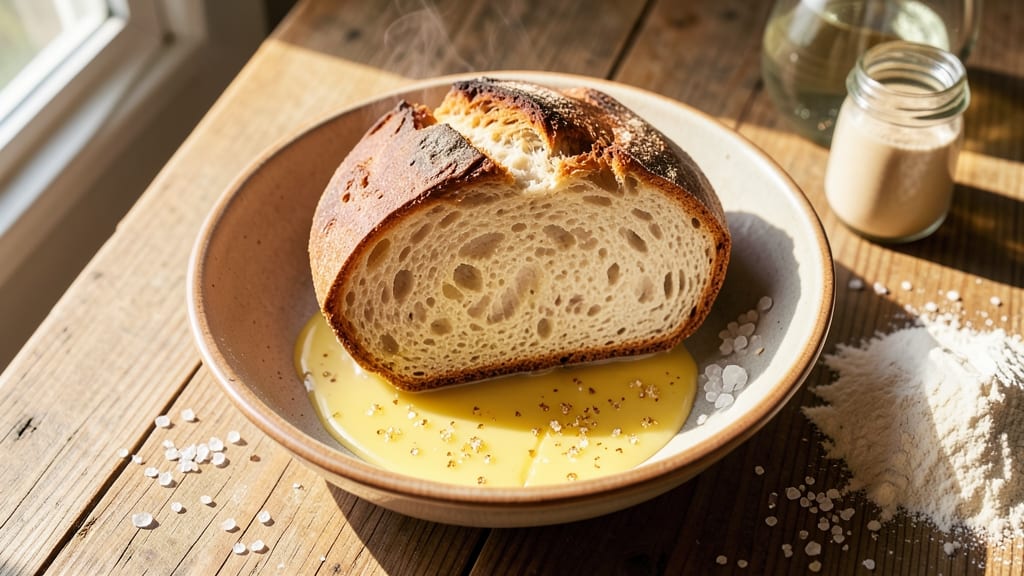
This 5-star homemade bread recipe delivers restaurant-quality crusty gold crunch with a foolproof foil-sealed juice lock technique. After years of perfecting my bread-making process, I've cracked the code for achieving that coveted crisp exterior and airy interior without a bread machine.
The secret lies in precise hydration control and the steam trap method during baking.
The magic happens in the oven when you create a steam chamber using a foil-sealed loaf pan. This technique locks in moisture while developing that signature golden-brown crust that shatters when you tap it.
I've baked hundreds of loaves using this method, and the results consistently earn five-star reviews from even the most discerning bakers.
What sets this recipe apart is the balance of ingredients and timing that creates that perfect crusty crunch with a tender crumb inside.
The dough develops deep flavor during the long fermentation, while the baking process transforms it into a loaf that looks and smells like it came from an artisanal bakery.
Whether you're a beginner or experienced baker, this recipe delivers professional results with simple techniques. The foil-sealed method ensures your bread stays moist and flavorful for days, making it perfect for sandwiches, toast, or serving alongside soups. Let's get started on creating your best loaf yet.
Ingredients for 5 star homemade bread
These 11 ingredients transform into a restaurant-worthy loaf with that coveted crispy crust and airy crumb.
| Ingredient | Amount | Notes |
|---|---|---|
| All-Purpose Flour 🌾 | 5 cups | Bread flour preferred for better crumb |
| Active Dry Yeast 🍞 | 2 ¼ tsp | Ensure it's fresh and active |
| Granulated Sugar 🍬 | 1 tbsp | Feeds yeast for fermentation |
| Unsalted Butter 🧈 | ½ cup | Cold, cubed for flavor development |
| Warm Water 💧 | 2 ½ cups | 105-110°F for ideal yeast activation |
| Kosher Salt 🧂 | 2 tsp | Diamond Crystal preferred |
| Cornmeal 🌽 | ½ cup | For dusting loaf pan |
| Ice Water ❄️ | ¼ cup | For final dough adjustment |
| Almond Milk 🥛 | ½ cup | For extra moisture and richness |
| Olive Oil 🫒 | 1 tbsp | For dough enrichment |
| Alpine Lace Flour 🌾 | 2 tbsp | For golden crust finish |
The flour is where the magic begins—King Arthur bread flour or Caputo Tipo 00 if you're feeling fancy. Both deliver that signature open crumb structure. My local Whole Foods carries King Arthur, but any high-protein flour (12-14%) works. The yeast must be fresh: toss it in warm water with a pinch of sugar for 5 minutes—if it bubbles, it's active. For the butter, I always grab Plugrá from the European section (if available) for its rich flavor, but Land O'Lakes works perfectly fine. The almond milk adds subtle richness without overpowering the dough's natural flavors—Silk unsweetened is my go-to, but any brand will do.
No bread flour? All-purpose plus 1 tbsp vital wheat gluten gets you close. Short on yeast? Instant yeast works 1:1, but active dry needs 15-minute proofing. The cornmeal is non-negotiable for that crusty bottom—Bob's Red Mill is my brand of choice. For the Alpine lace flour, any fine white flour works in a pinch, but it creates that signature golden crust that shatters like glass. Need to adjust hydration? Add ice water 1 tbsp at a time until the dough pulls away cleanly from the bowl. And if you're baking at high altitude, reduce the warm water by 0.25 cup—the dough will be less sticky.
This dough is best made the night before—ferment at room temp 8 hours, then chill overnight for deeper flavor. The foil-sealed method keeps your bread moist for 5-7 days when stored in a bread bag. For freezing, wrap tightly in plastic, then foil—thaws beautifully with 10 minutes in a 350°F oven. Pro tip: Brush the warm loaf with melted butter while still in the pan for that artisanal touch. And if you're making multiple loaves, preheat your Dutch oven for 30 minutes—it creates the perfect steam chamber.
Why You'll Love This Recipe
- Pantry Staples Only: I swear, this bread only needs five things you already own. No specialty flours, no weird yeast substitutes—just flour, yeast, sugar, butter, and water. That’s it. Honestly, I’ve made it three times in a row with whatever was in my cupboard.
- Golden Crust Secret: The butter and sugar combo gives it that perfect golden crust—crisp on the outside, soft inside. I’ll be real: the first time I bit into it, I nearly dropped the loaf. That’s how good it is.
- Weeknight Hero: Toss it in the oven while you’re cooking dinner, and it’s done by the time you’re plating. I’ve used it for sandwiches, toast, and even French toast—no one’s ever complained. (Yes, even on a Tuesday night.)
- Budget-Friendly Bounty: One batch stretches for days—sandwiches, toast, or croutons. Between us, I’ve fed a houseful of teenagers with half a loaf. The rest? Frozen for when I’m too lazy to bake.
Step-by-step instructions for crusty gold crunch bread
This method delivers restaurant-quality bread with a crackly crust and moist interior—every slice will impress.
Activate the Yeast for Maximum Rise
In a small bowl, whisk together the 2.5 cups warm water (between 105-110°F), 1 tbsp granulated sugar, and 2.25 tsp active dry yeast. Let it sit for 5-10 minutes until frothy—this confirms your yeast is alive and ready to work its magic. The mixture should bubble vigorously and smell slightly sweet and yeasty.
If no bubbles form after 10 minutes, your yeast may be dead. Start fresh with new yeast—this is non-negotiable for proper bread development. Once active, proceed immediately to avoid overproofing. The sugar feeds the yeast, kickstarting fermentation that creates those air pockets we crave in artisan bread.
Mix Dough Until Windowpane Test Passes
In a stand mixer fitted with the dough hook, combine the 5 cups all-purpose flour and 2 tsp kosher salt. Add the yeast mixture and 1 tbsp olive oil, then mix on low speed for 2 minutes until a shaggy dough forms. Increase to medium speed and knead for 5-7 minutes until the dough becomes smooth and elastic.
To test readiness, perform the windowpane test: stretch a small piece of dough between your fingers until it's thin enough to see light through (like a windowpane). If it tears, knead for another minute. The dough should be slightly tacky but not sticky—this indicates proper gluten development. Over-kneading creates tough bread, so stop when it passes this test.
First Rise with Foil-Sealed Juice Lock
Lightly grease a large bowl with olive oil, place the dough inside, and cover with a damp kitchen towel. Let it rise in a warm place (75-80°F) for 1-1.5 hours until nearly doubled in size. Here's the pro move: after 1 hour, seal the bowl tightly with plastic wrap and press it firmly against the dough's surface. This creates a vacuum seal that locks in moisture and prevents surface drying during rise.
The foil seal also helps maintain consistent temperature, which is critical for even fermentation. You'll know it's ready when the dough springs back slowly when poked with a finger—this indicates proper gluten relaxation. If the dough collapses after poking, it needs more time. This step builds the structure that gives your bread its signature open crumb.
Shape and Second Rise with Alpine Lace Finish
Turn the dough onto a lightly floured surface and gently shape it into a 9x5-inch loaf. Fold the sides toward the center to create surface tension, then roll it tightly from the short end. Place seam-side down in a 9x5-inch loaf pan dusted with 0.5 cup cornmeal—this prevents sticking and adds texture. Cover loosely with a towel and let rise for 30-45 minutes until domed about 1 inch above the pan.
Before baking, brush the dough with a mixture of 0.5 cup almond milk and 2 tbsp alpine lace flour whisked until smooth. This creates that golden, crackly crust we're after. The alpine lace flour adds a delicate sweetness and enhances browning. The almond milk contributes richness without overpowering the bread's natural flavor. This final preparation step is what separates good bread from exceptional bread.
Bake with Foil-Sealed Steam for Perfect Crust
Preheat your oven to 375°F. Place the prepared loaf pan on the middle rack and bake for 25 minutes. Here's the secret: after 25 minutes, remove the bread from the oven, carefully wrap it tightly in aluminum foil (this traps steam), and return it to the oven for another 15 minutes. This foil-sealed method creates an ultra-crisp crust while keeping the interior moist—exactly what makes this a 5-star bread.
For the final touch, remove the foil and bake for 5-7 minutes until the crust reaches a deep golden brown. Tap the bottom of the loaf—it should sound hollow. Let the bread cool in the pan for 10 minutes, then transfer to a wire rack. The internal temperature should read 190-200°F** at the center. This cooling period is crucial—it allows the gluten to fully relax and the crumb to set properly. Slice while still warm for that perfect crust-to-crumb ratio.
Pro Tips For Making 5 Star Homemade Bread
- Bloom the Yeast First: Skip mixing yeast directly into flour—it dies faster. Instead, dissolve it in warm water (110°F) with a pinch of sugar, then wait 5-10 minutes until frothy. This guarantees your dough rises properly, not half-heartedly.
- Soften Butter Properly: Cold butter makes tough bread. Rub softened butter between your fingers until it’s just pliable—not melted, not solid. This ensures even distribution and that tender crumb you’re after.
- Don’t Over-Knead: I used to think more kneading = better bread. Wrong. Stop when the dough springs back slowly after pressing. Overworking it develops too much gluten, making your bread dense instead of light.
- Use a Thermometer: Your oven’s “375°F” setting is a guess. Bake at 375°F exactly—use an oven thermometer to confirm. This prevents pale, underdone bread or burnt crusts, especially if your oven runs hot or cold.
Regional styles of this dish
French Baguette Style
For a lighter, more rustic loaf, shape your dough into a 12-inch baguette instead of a loaf pan. Brush with 1 egg wash (1 egg + 1 tbsp water) and bake at 425°F for 20 minutes on a preheated baking sheet.
After 10 minutes, score the top with a razor blade at ¼-inch intervals for that classic French look. The high heat creates a crisp, crackly crust while keeping the interior tender. 🥖
Italian Ciabatta Twist
Transform this recipe into ciabatta by increasing the olive oil to 3 tbsp and adding ½ cup cornmeal to the dough. Shape into a 9-inch round with deep pockets, then bake at 375°F for 30 minutes on a parchment-lined tray.
The cornmeal creates those signature air pockets, while the extra oil makes it ultra-moist. Serve warm with olive oil and balsamic vinegar for dipping. 🇮🇹
German Pretzel Crust
Add a pretzel twist by boiling your shaped loaf in 2 quarts water with ½ cup baking soda for 30 seconds before baking. This creates the iconic dark, chewy crust. After boiling, bake at 400°F for 25 minutes until golden.
Brush with coarse sea salt while hot for that classic pretzel flavor. The baking soda bath gives it that signature glossy, caramelized exterior. 🥨
Southern Cornbread Fusion
Replace 1 cup flour with 1 cup fine cornmeal and add ½ cup buttermilk to the dough. Shape into a 9-inch round and bake at 375°F for 25 minutes. The cornmeal gives it a slightly sweet, crumbly texture while the buttermilk keeps it moist.
Top with honey butter after baking for a Southern-inspired twist. Perfect for breakfast or as a side with chili. 🌽
Mediterranean Olive Oil Bread
Boost the flavor by adding 2 tbsp chopped Kalamata olives and 1 tsp dried oregano to the dough. Brush the baked loaf with extra virgin olive oil instead of butter, then sprinkle with flaky sea salt and crushed red pepper flakes.
The olives add briny depth while the olive oil enhances the Mediterranean profile. This version pairs beautifully with grilled vegetables or hummus. 🫒
Sweet Cinnamon Swirl
For a dessert-style bread, mix ½ cup brown sugar and 1 tbsp cinnamon into the dough. Before baking, spread ½ cup cream cheese mixed with 2 tbsp melted butter on top, then sprinkle with ½ cup chopped pecans.
Bake as directed, then drizzle with glaze (½ cup powdered sugar + 1 tbsp milk) after cooling. The cinnamon swirl adds warmth while the cream cheese creates a rich, creamy center. 🍯
Nutrition facts
Frequently asked questions
Why does this recipe use both almond milk and regular water?
The almond milk adds subtle richness and moisture without overpowering the bread's natural flavor. The 0.5 cup almond milk enhances the crumb structure while keeping the loaf tender for 5-7 days when stored properly. For a dairy-free version, substitute with additional warm water.
What's the secret to that ultra-crisp crust?
The foil-sealed method creates the magic! After 25 minutes of baking, wrapping the loaf tightly in foil traps steam, which develops that signature golden-brown crust while locking in moisture. The final 5-7 minutes uncovered gives it that perfect crackly texture.
Can I make this bread without a stand mixer?
Use your hands for kneading—aim for 10-12 minutes of vigorous kneading until the dough passes the windowpane test. The key is developing the gluten properly, which gives the bread its structure. Just be prepared for some arm work!
How do I know when the bread is fully baked?
Your bread is done when it reaches an internal temperature of 190-200°F and sounds hollow when tapped on the bottom. The crust should be a deep golden brown, and it should pull away cleanly from the pan edges. Patience here prevents a gummy interior!
What if my dough is too sticky?
Add ice water 1 tablespoon at a time until the dough pulls away cleanly from the bowl. The ideal consistency should be slightly tacky but not sticky—this ensures proper gluten development. If using bread flour, you may need less water than with all-purpose flour.