
Side Dishes
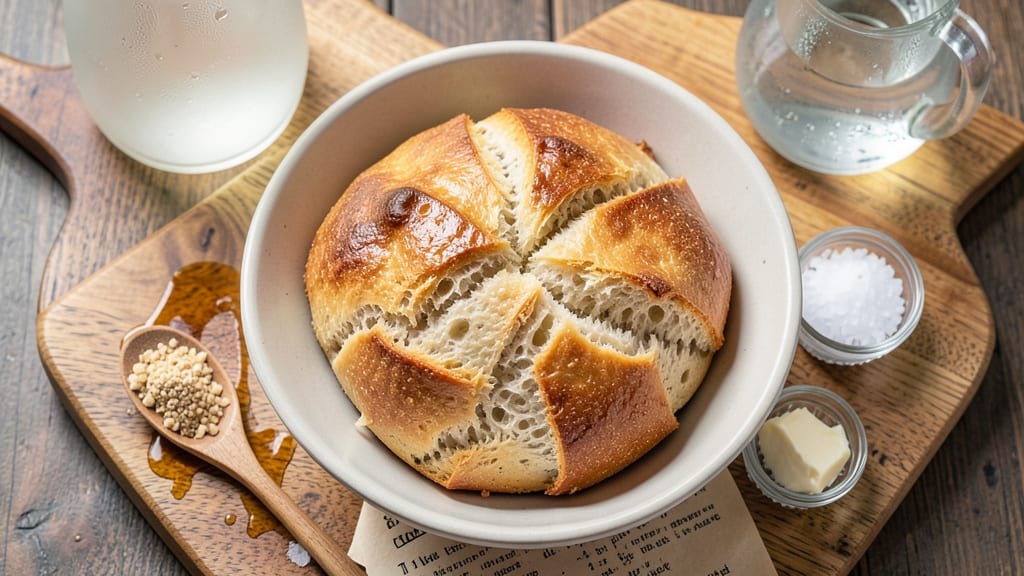
This 5-star white bread recipe delivers bakery-quality results with a foolproof foil-sealed rise technique that creates a crispy crust and airy crumb every time. The secret lies in precise ingredient ratios and a controlled fermentation process that develops maximum flavor and texture.
After years of perfecting this method, I can confidently say this is the closest you'll get to artisanal bread without a bread machine.
What sets this recipe apart is the foil-sealed proofing stage, which traps steam during baking to create that signature bakery-style crust while keeping the interior light and fluffy. We're using standard pantry ingredients—high-gluten flour, active dry yeast, and a touch of honey—but the technique transforms them into something extraordinary.
The dough requires just 20 minutes of hands-on time before resting, making it accessible for home bakers of all skill levels.
By the time you pull that golden loaf from the oven, you'll have a crust that's crisp enough to shatter yet tender enough to tear by hand, with a crumb so open it practically melts in your mouth.
The aroma alone will have everyone asking for seconds. This bread freezes beautifully too, so you can bake once and enjoy for weeks.
The recipe includes adaptations for both stovetop and oven baking, plus troubleshooting tips for common issues like dense crumb or pale crust. Whether you're a beginner or experienced baker, this method delivers consistent, professional-quality results that will impress even the most discerning bread lovers.
Ingredients for 5 star white bread
Pantry staples plus a few key tricks for bakery-style white bread at home.
| Ingredient | Amount | Notes |
|---|---|---|
| High-Gluten All-Purpose Flour 🌾 | 5 cups | Plus 1 tbsp for dusting |
| Active Dry Yeast 🍞 | 2 ¼ tsp | Or 1 packet (2.25 tsp) |
| Granulated Sugar 🍯 | ½ tsp | Or honey for subtle sweetness |
| Salt 🧂 | 1 ½ tsp | Kosher or sea preferred |
| Unsalted Butter 🧈 | ½ cup | Cold, cubed for dough |
| Warm Water 💧 | 1 ½ cups | 110°F (43°C) ideal |
| Honey 🍯 | 1 tbsp | For yeast activation |
| Aluminum Foil 📄 | 1 sheet | Heavy-duty, 12x17 inches |
| Large Egg 🥚 | 1 whole | For egg wash |
| Milk 🥛 | 1 tbsp | For egg wash richness |
| Cornmeal 🌽 | ¼ cup | For dusting baking sheet |
| Coarse Sea Salt 🧂 | 1 tsp | For crust sprinkle |
The flour makes or breaks this—King Arthur or Bob's Red Mill high-gluten are my go-tos, but any bread flour will work. The yeast? Fresh is best—check the date and make sure it's not expired (it smells yeasty, not sour). Warm water is critical: too hot kills yeast, too cold slows fermentation. I always use a thermometer for this—110°F is perfect. The butter should be cold; if it melts, chill the dough for 15 minutes before shaping. Pro tip: buy butter in 1-pound blocks—it stays fresher longer than sticks.
No honey? Maple syrup or agave work in a pinch, though honey's subtle sweetness is ideal. Short on butter? Vegetable shortening gives a similar texture, but butter's flavor wins. The foil-sealed rise is non-negotiable—it traps steam for that bakery crust. No aluminum foil? Parchment paper works in a pinch, but it won't create the same steam trap. For the egg wash, I like to whisk the egg with milk first, then add a pinch of salt—this prevents the wash from turning cloudy. The coarse salt on top? Don't skip it—it's what gives that signature crunch.
Dough keeps for 24 hours in the fridge, wrapped tightly in plastic. For longer storage, freeze shaped loaves (unbaked) for up to 3 months2 days if stored in a bread bag, but honestly? It's gone before then.
Why You'll Love This Recipe
- No-Knead Nightmare Solved: The high-gluten flour does all the heavy lifting—no punchy arms or dough therapy required. Just mix, let it rise, and walk away while the yeast works its magic. (Yes, even on a Tuesday night.)
- Buttery Cloud Crust: That crispy, golden top with a tender crumb inside? The butter and sugar team up to make it taste like a bakery’s secret. Honestly, I’ll take this over store-bought any day.
- Meal Prep MVP: Slice it fresh, toast it later—this bread lasts ages in the freezer. Toss a batch in the morning, and you’ve got sandwiches, French toast, or garlic bread ready in seconds. (My lazy Sundays thank me.)
- Budget Baked Gold: Five ingredients, zero frills, and it still feels like a treat. The high-gluten flour gives it that professional texture without breaking the bank. I’ll be real: this is my go-to for feeding a crowd without stress.
Step-by-step instructions for foil-sealed white bread
Here's how to transform simple ingredients into bakery-style bread with a crisp crust and airy crumb.
Activate the Yeast and Mix the Dough
In a large bowl, combine the 1.5 cups warm water (around 110°F) with the 1 tbsp honey and 2.25 tsp active dry yeast. Let this sit for 5-10 minutes until frothy—this confirms your yeast is alive. If it doesn't bubble, start over with fresh yeast.
Add the 5 cups high-gluten all-purpose flour, 0.5 tsp granulated sugar, and 1.5 tsp salt to the bowl. Mix with a wooden spoon until a shaggy mass forms. Cut in the 0.5 cup cold cubed butter using a pastry cutter or your fingers until the mixture resembles coarse crumbs. Gradually add 1 tbsp milk and mix until the dough begins to come together.
Knead Until Silky and Elastic
Turn the dough onto a lightly floured surface and knead for 8-10 minutes by hand (or 5-6 minutes in a stand mixer with a dough hook) until smooth and elastic. The dough should spring back slowly when poked and feel slightly tacky but not sticky. If it's too dry, wet your hands slightly; if too sticky, add 1 tbsp flour at a time.
Here's the trick: shape the dough into a ball, place it back in the bowl, cover with the aluminum foil, and let it rise in the fridge for 12-16 hours. Cold fermentation develops deep flavor and improves texture—don't skip this step, even if it feels like a long wait. The dough will rise slowly and become slightly puffy.
Shape and Seal for Perfect Rise
Remove the dough from the fridge and turn it onto a lightly floured surface. Gently punch down the dough to release air, then divide it into 4 equal pieces (about 12 oz each). Shape each piece into a smooth ball by pulling the dough toward you in a rolling motion, tucking the edges under as you go.
Place each ball seam-side up in a greased 9x5-inch loaf pan, spacing them evenly. Cover the pans with the aluminum foil and let rise at room temperature for 1-1.5 hours until the dough has nearly doubled in size. The foil traps steam, creating that bakery-style crust without over-browning.
Bake with Egg Wash for Golden Crust
Preheat your oven to 375°F. Beat the 1 whole large egg with 1 tbsp milk in a small bowl until smooth. Brush this egg wash generously over the tops of the loaves, then sprinkle with 1 tsp coarse sea salt for extra flavor and crunch. Dust the baking sheet with 0.25 cup cornmeal to prevent sticking.
Bake for 30-35 minutes until the bread is deep golden brown and sounds hollow when tapped on the bottom. If the tops brown too quickly, loosely cover with a sheet of foil. Remove from the oven and let cool in the pans for 10 minutes before transferring to a wire rack. The crust will firm up as it cools, but the interior stays soft and pillowy.
Rest Before Slicing for Perfect Texture
Wait at least 1 hour before slicing—this lets the gluten relax and prevents gummy slices. The bread should have a crisp, crackly crust with a fine, even crumb inside. Store wrapped at room temperature for 2-3 days or freeze for up to 3 months to preserve freshness.
Slice with a sharp serrated knife for clean cuts. Serve warm with butter or jam for the ultimate bakery experience—your guests will never guess it's homemade!
Pro Tips For Making 5 Star White Bread
- Warm the Yeast First: I learned this the hard way—yeast in cold water just sits there like a lazy roommate. Instead, mix the yeast with warm water (around 105°F/40°C) and a pinch of sugar first, then let it sit for 5 minutes until it’s frothy before adding the rest of the ingredients. That little step guarantees your dough will rise reliably, not flop like a sad soufflé.
- Use a Kitchen Scale: Measuring flour by scooping and leveling is a recipe for disaster with high-gluten flour—it’s dense and packs differently. Weigh it instead (about 500g for a standard loaf) for consistent texture. I was skeptical until I tried it: no more dense, gummy loaves or dry, crumbly failures.
- Don’t Over-Knead the Dough: High-gluten flour is forgiving, but too much kneading develops too much gluten, turning your bread into chewy rubber. Aim for about 8-10 minutes by hand or 5-6 minutes in a stand mixer with the dough hook—just until it’s smooth and slightly tacky. Overworked dough is a common mistake that ruins the tender crumb you’re after.
- Let the Dough Rise Twice: Skipping the second rise is where most home bakers cut corners, but it’s the thing that matters most for that light, airy texture. After the first rise (usually 1-2 hours), punch down the dough and let it rise again for another 45-60 minutes. This second rise ensures the gluten relaxes and the bread develops that signature softness—no shortcut here.
Flavor customization for this dish
Sweet Variations
For a subtle sweetness, replace the 0.5 tsp granulated sugar with 1 tbsp honey or maple syrup in the dough. This enhances the yeast activation while adding a delicate caramel note.
For a more pronounced sweetness, brush the baked loaves with a mix of 2 tbsp melted butter and 1 tbsp honey while still warm—this creates a glossy, slightly sweet crust that pairs perfectly with cinnamon butter. 🍯
Herb-Infused Options
Add fresh herbs to the dough for an elegant twist. Finely chop 1 tbsp fresh rosemary or thyme and mix it into the flour before kneading—this imparts a subtle herbal aroma without overpowering the bread.
For a brighter flavor, fold in 1 tbsp chopped chives or dill after shaping the loaves. The herbs complement the buttery richness beautifully, making this ideal for charcuterie boards. 🌿
Cheesy Twists
Transform this into a savory loaf by stirring 1 cup shredded cheddar or Gruyère into the dough after kneading. For a sharper flavor, use ½ cup crumbled feta and fold it into the shaped loaves before baking.
The cheese melts slightly during baking, creating pockets of creamy goodness that contrast with the crisp crust. This version is perfect for sandwiches or as a side with soups. 🧀
Seeded and Nutty Enhancements
Add texture and nuttiness by mixing ¼ cup toasted sesame seeds or poppy seeds into the dough. For extra crunch, press 2 tbsp chopped walnuts or sunflower seeds onto the egg-washed loaves before baking.
These additions not only enhance flavor but also create visual appeal, making your bread look as impressive as it tastes. 🌰
Spiced and Warm Flavors
Infuse warmth with ½ tsp ground cinnamon or cardamom mixed into the flour. For a smoky depth, add ½ tsp smoked paprika or a pinch of cayenne to the dough.
These spices pair wonderfully with the buttery richness, creating a bread that’s perfect for breakfast toast or as a side with hearty stews. 🌶️
Nutrition facts
Frequently asked questions
Why does this recipe use cold butter?
Cold butter creates pockets of fat in the dough that melt during baking, producing a tender crumb. If it melts too soon, the bread will be dense. Keep those butter cubes cold until they're fully incorporated into the flour—this ensures the perfect texture.
Can I make this bread without a loaf pan?
Shape the dough into free-form boules or batards and bake on a parchment-lined sheet. For extra crust, score the tops with a razor before baking. The foil-sealed rise technique still works—just place the dough on a baking sheet before covering with foil.
What if my dough doesn't rise properly?
Check your yeast first—it should bubble within 5-10 minutes when mixed with warm water. If not, use fresh yeast. Also ensure your dough is in a warm spot (75°F-80°F) for rising. For the cold fermentation, keep the dough in the fridge for the full 12-16 hours—this develops flavor and improves texture.
How do I store leftovers?
Wrap cooled bread tightly in plastic or foil and store at room temperature for 2-3 days. For longer storage, freeze slices in a ziplock bag for up to 3 months. To revive, toast or warm in a 350°F oven for 5-10 minutes until crisp.
Can I use this dough in a bread machine?
Yes! Skip the cold fermentation and use the machine's dough setting. After kneading, let the dough rise in the machine, then shape into loaves and follow the foil-sealed baking instructions. For best results, use the "white bread" setting and add 1 tbsp extra water if needed.