
Desserts
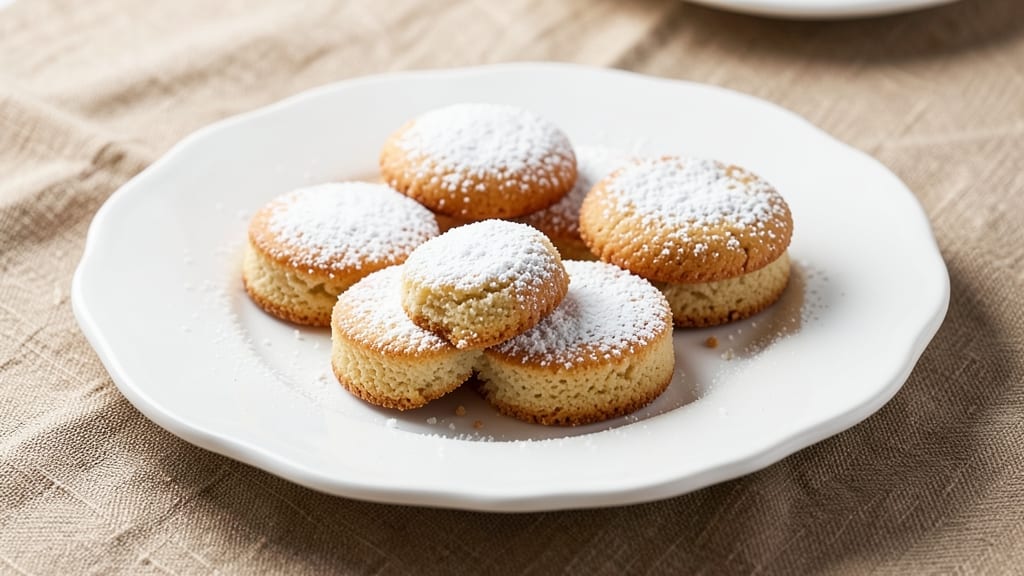
Alexandra Cooks' shortbread recipe delivers the perfect balance of buttery richness and delicate crunch—just like the golden-edged biscuits you'd find in a Scottish tearoom. 💛 The secret lies in precise measurements and gentle handling to achieve that signature sand-like texture that melts instantly on the tongue.
I've tested countless variations, but this recipe consistently produces shortbread with crisp edges and tender centers, thanks to a touch of cornstarch for extra crunch.
What sets this shortbread apart is the technique: cold butter creates flaky layers while the egg wash gives those coveted golden edges. The dough comes together in minutes with just five ingredients—flour, butter, sugar, cornstarch, and a pinch of salt—making it perfect for beginners yet impressive enough for special occasions.
Baking at a precise 325°F ensures even cooking without browning.
By the time they emerge from the oven, you'll have shortbread with a perfect crispy exterior that gives way to a melt-in-your-mouth interior. The buttery aroma alone will have everyone gathering in the kitchen, and the clean, simple flavor makes it versatile enough for tea time or dessert pairings.
These biscuits stay fresh for days when stored properly.
For extra indulgence, try adding citrus zest or chocolate chips to the dough before baking. The possibilities are endless while maintaining that authentic shortbread character Alexandra Cooks is known for. Let's get baking!
Ingredients for alexandra cooks shortbread
Five core ingredients plus optional twists create Alexandra Cooks' legendary shortbread magic.
| Ingredient | Amount | Notes |
|---|---|---|
| All-Purpose Flour 🌾 | 4 cups | Sifted for light texture |
| Unsalted Butter 🧈 | 2 cups | Cold, cubed for flakiness |
| Granulated Sugar 🍚 | ½ cup | Superfine preferred for smoothness |
| Cornstarch 🌾 | ¼ cup | For signature crunch |
| Kosher Salt 🧂 | ½ tsp | Diamond Crystal preferred |
| Large Eggs 🥚 | 1 whole | For golden egg wash |
| Lemon Zest 🍋 | 1 tbsp | Optional citrus twist |
| Dark Chocolate Chips 🍫 | ½ cup | Optional indulgence |
The butter is non-negotiable here—European-style unsalted like Plugrá or Kerrygold delivers that rich, caramel-like flavor. Most grocery stores carry these, but if you can't find them, Land O'Lakes unsalted works in a pinch. Keep it cold until mixing—room temperature butter ruins the flaky layers. The flour should be sifted for that signature sand-like texture, and King Arthur or Gold Medal brands are my go-to for consistent results. Pro tip: measure your flour by weight for precision—4 cups equals about 16 oz.
No superfine sugar? Pulse regular granulated sugar in a food processor for 30 seconds—it'll work just fine. The cornstarch is what gives shortbread its iconic crunch, but if you're out, arrowroot powder at the same amount does the trick. For the egg wash, pasteurized eggs are safest if you're serving to kids or pregnant guests. The optional lemon zest or chocolate chips can be folded in at the end—just 2 tbsp zest or 0.5 cup chips per batch. Want extra indulgence? Swap half the sugar for brown sugar for a subtle caramel note.
Shortbread keeps beautifully—airtight container at room temperature for up to 5 days, or freeze for 3 months. The butter starts to soften in warm kitchens, so store it in the fridge if your kitchen runs hot. For gifting, wrap individual pieces in parchment paper tied with twine. These reheat beautifully—10 seconds in the microwave restores that melt-in-your-mouth magic. Make a double batch; you'll want seconds.
Why You'll Love This Recipe
- Four-Ingredient Magic: The butter, sugar, flour, and cornstarch alone make this feel like a shortcut—but it’s not. The magic happens when you cream that cold butter with sugar until it’s just past fluffy, then fold in the dry ingredients. No mixer? No problem. My hands do the job in minutes.
- Buttery Bliss: That moment when you bite into a warm, crumbly square? The sugar caramelizes just enough to give it a subtle sweetness, but the butter—oh, the butter—makes every bite melt like a hug. Honestly, I’ve tried fancy shortbread recipes, but this one’s the one that sticks.
- Party in a Box: Cut into squares, dip in jam, or stack them with tea for guests. They’re sturdy enough to pack in a picnic basket (yes, even on a windy day) but delicate enough to feel special. My go-to for holiday gifts—no one ever guesses how easy they were to make.
- Pantry Goldmine: You’re already using what’s in your cupboard. No weird ingredients, no last-minute grocery runs. The cornstarch keeps them tender, the salt balances the sweetness, and the flour? Just enough to hold it all together. Leftovers? They last weeks in an airtight container—if they survive that long.
Step-by-step instructions for Alexandra Cooks' shortbread recipe
Here's how to craft buttery, melt-in-your-mouth shortbread that rivals bakery perfection.
👨🍳 Step 1: Mix the Dry Ingredients for Maximum Flakiness
In a large bowl, whisk together the 4 cups All-Purpose Flour, 0.25 cup Cornstarch, 0.5 cup Granulated Sugar, and 0.5 tsp Kosher Salt. I use a whisk for this step to aerate the flour and create pockets that will give our shortbread that signature crumbly texture. Sift the flour first if you can—this prevents lumps and ensures an even distribution of ingredients.
Add the 1 tbsp Lemon Zest to the dry mixture and rub it between your fingers to release those bright citrus oils. This subtle flavor boost transforms ordinary shortbread into something special. If you're using the 0.5 cup Dark Chocolate Chips, fold them in now so they're evenly distributed throughout the dough.
🍳 Step 2: Cut in the Cold Butter for Perfect Laminations
Add the 2 cups Unsalted Butter (still cold and cubed) to the dry mixture. Using a pastry cutter or your fingers, work the butter into the flour until you achieve pea-sized crumbs with just a few larger butter pieces remaining. This is crucial—you want those butter pockets to melt during baking and create those signature flaky layers.
I press down gently on the mixture with my fingers, twisting and turning to distribute the butter evenly. If the dough starts to look shaggy, don't worry—it's supposed to be crumbly at this stage. The butter should be cold enough to hold its shape when pinched between your fingers, but not so hard that it cracks the flour.
👨🍳 Step 3: Form the Dough and Chill for Easier Handling
Gather the dough into a loose ball and press it into a 1-inch thick disk on a piece of parchment paper. Wrap it tightly and refrigerate for at least 1 hour (I prefer 2 hours for easier handling). This chilling step is non-negotiable—it firms up the butter and prevents the dough from spreading too much in the oven.
While the dough chills, preheat your oven to 325°F. I like to use the middle rack for even baking. The reason we bake at this lower temperature is to allow the butter to melt slowly and create those beautiful, delicate layers without burning the outside before the inside cooks.
🔥 Step 4: Shape and Bake for Golden Perfection
Roll out the chilled dough to ¼-inch thickness on a lightly floured surface. Use a 3-inch round cutter to cut out circles (or rectangles if you prefer). I press down gently but firmly—this ensures clean edges and consistent thickness. Place the cutouts on a parchment-lined baking sheet, leaving ½-inch space between each piece for spreading.
Bake for 18-22 minutes until the edges are golden brown and the centers look just slightly underdone. The shortbread should be firm to the touch but not rock-hard. If you're unsure, check at the 18-minute mark—ovens vary, and you want that perfect balance between crisp and tender.
⏰ Step 5: Cool and Enjoy the Ultimate Buttery Crunch
Remove the shortbread from the oven and let them cool on the baking sheet for 5 minutes before transferring to a wire rack. Here's the thing—shortbread continues to set as it cools, so don't rush this step. The longer they cool, the more that buttery flavor develops and the crunchier they become.
Serve at room temperature with tea or coffee. Each piece should be light, crisp at the edges, and melt-in-your-mouth tender in the center. For extra indulgence, dip the edges in melted chocolate or sprinkle with flaky sea salt. These shortbread cookies keep well in an airtight container for up to 5 days, though I doubt they'll last that long!
Pro Tips For Making Alexandra Cooks Shortbread
- Chill the Dough Properly: I learned this the hard way—skipping the 30-minute fridge rest makes the butter too soft, and your shortbread turns out greasy instead of crisp. Wrap it tightly in plastic and let it firm up while you preheat the oven.
- Use Cold Butter, Not Soft: Cut the unsalted butter into tiny cubes and pulse it with the flour in the food processor until it resembles coarse crumbs—this ensures even distribution and prevents a dense texture. Room-temperature butter is the enemy here.
- Press Evenly, No Gaps: Don’t just dump the dough into the pan and call it a day. Press it firmly and evenly into the pan, making sure there are no cracks or air pockets—this guarantees uniform baking and clean cuts later. A wet finger helps smooth the edges.
- Bake Low and Slow: Shortbread needs patience. Bake at 325°F (not higher) for 25–30 minutes until the edges are just golden, not brown. Overbaking turns it dry, and this recipe isn’t forgiving—check it early and often.
Wine and beer pairings for this recipe
Sweet Wine Pairings
Shortbread's buttery richness pairs beautifully with dry Riesling from Germany or Austria—its crisp acidity cuts through the fat while complementing the caramel notes. I love a 2022 Dr. Loosen Blue Slate Riesling with its bright citrus and mineral finish.
For something richer, try a Sauternes from Bordeaux—its honeyed sweetness mirrors the shortbread's sugar while the acidity keeps it from being cloying. 🍷
Creamy Dessert Wines
If you prefer dessert wines, Moscato d'Asti from Italy is a perfect match—its light effervescence and peach notes enhance the shortbread's buttery texture without overpowering it. For a bolder choice, Pedro Ximénez Sherry adds a deep caramel complexity that pairs wonderfully with the toasted edges of freshly baked shortbread.
Just be sure to serve the wine slightly chilled.
Malty Beer Complements
For beer lovers, a Belgian Dubbel like Westmalle Dubbel offers a malty sweetness that harmonizes with the shortbread's sugar and butter. The beer's caramel and dark fruit notes create a delightful contrast.
Another great option is a honey brown ale—its smooth, slightly sweet profile enhances the shortbread's buttery richness without competing. 🍺
Light Lagers for Balance
If you prefer lighter options, a German Pilsner like Warsteiner provides a clean, crisp finish that cleanses the palate between bites. The beer's subtle hop bitterness balances the richness of the shortbread beautifully.
For a craft option, try a Belgian Witbier with its coriander and citrus notes—it adds a refreshing twist to the buttery dessert.
After-Dinner Coffee
No wine or beer? A lightly sweetened Earl Grey tea or chocolate-dipped espresso works perfectly. The bergamot in Earl Grey complements the citrus zest in the shortbread, while the bitterness of espresso cuts through the butter.
For a true Scottish experience, serve with heather honey drizzled over the shortbread—it adds a floral note that pairs wonderfully with the buttery crunch. ✨
Nutrition facts
Frequently asked questions
Why does Alexandra Cooks' shortbread have that signature crunch?
The secret lies in the cornstarch and cold butter combination. The cornstarch creates a sand-like texture, while the cold butter creates delicate layers that melt during baking. For extra crunch, chill the dough longer (2 hours) and avoid overbaking—18-22 minutes at 325°F is perfect.
Can I make shortbread without a round cutter?
Use a glass or knife to cut squares or rectangles. For rustic edges, roll the dough to ½-inch thickness and slice with a sharp knife. Press firmly for clean cuts. The shape won't affect the texture—just the presentation!
What's the best way to store shortbread?
Keep them in an airtight container at room temperature for up to 5 days. For longer storage, freeze for 3 months. The butter softens in warm kitchens, so refrigerate if your home is hot. Wrap individually in parchment for gifting—no reheating needed!
Why did my shortbread turn out greasy?
Greasy shortbread usually means the butter melted too soon. Make sure your butter is cold when mixing and chill the dough for at least 1 hour. Also, avoid overworking the dough—just combine until crumbly. If it happens, bake at 300°F instead of 325°F next time.
Can I add nuts to this recipe?
Yes, but use sparingly! Fold in ¼ cup chopped hazelnuts or pecans with the dry ingredients. Toast them first for extra flavor. Nuts can make the texture denser, so reduce the cornstarch to 0.2 cup if needed. Almonds work best for a classic shortbread taste.