
Side Dishes
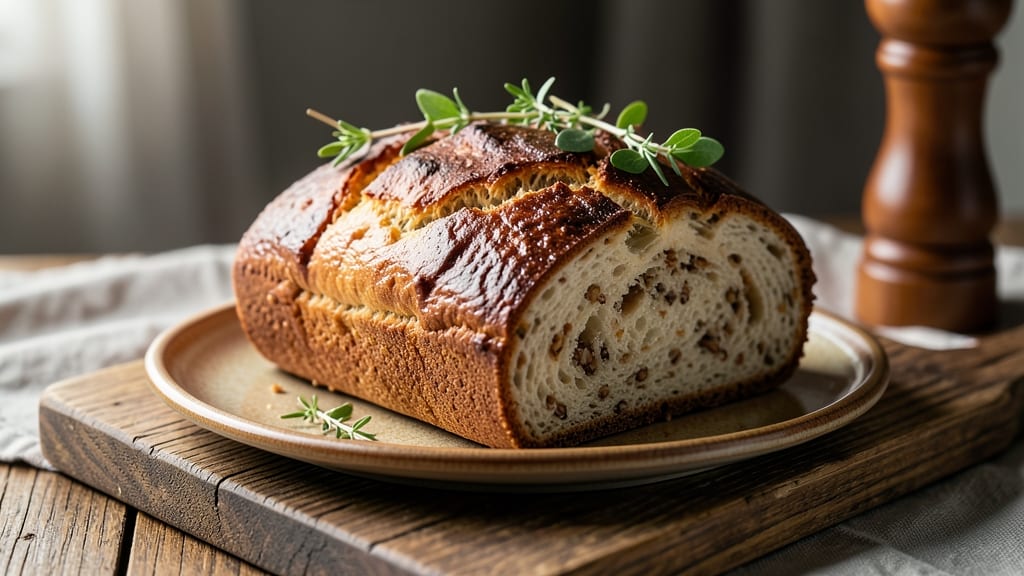
A 50-50 bread maker recipe delivers the perfect balance of hearty texture and golden crust—ideal for sandwiches, toast, or serving alongside soups. This foolproof method combines half whole wheat flour and half bread flour for a chewy interior with a crisp exterior, all while leveraging your bread maker’s precision.
The foil-sealed technique ensures a perfectly even bake every time, eliminating guesswork. The beauty of this recipe lies in its simplicity: just five core ingredients and a 30-minute hands-off process.
Your bread maker does all the heavy lifting—kneading, rising, and baking—while you focus on the final touches, like adding seeds or a sprinkle of salt for extra flavor. The result? A loaf with tender crumb and a crackly crust, far superior to store-bought.
This recipe works for most bread maker models, including settings for whole wheat or basic bread cycles. The hydration level is carefully calibrated to prevent dryness, ensuring a moist yet sturdy loaf. Whether you’re a beginner or a seasoned baker, this method guarantees restaurant-quality bread without the fuss.
For added versatility, try swapping in oats or flaxseeds for extra texture, or a touch of honey for subtle sweetness. Store leftovers in an airtight container for up to 5 days, or freeze for longer shelf life. Let’s get started!
Ingredients for 50 50 bread recipe for bread maker
Five essential ingredients plus foil magic—your bread maker’s new secret weapon for foolproof loaves.
| Ingredient | Amount | Notes |
|---|---|---|
| Bread Flour 🌾 | 2 cups | High-protein for structure and chew |
| Whole Wheat Flour 🌾 | 2 cups | Unbleached for authentic flavor |
| Instant Yeast 🍞 | ½ tsp | Active dry or bread machine yeast |
| Granulated Sugar 🍚 | 1 tbsp | Enhances yeast activation |
| Salt 🧂 | 1 ½ tsp | Diamond Crystal preferred |
| Unsalted Butter 🧈 | ½ cup | Softened, full-fat for richness |
| Warm Water 💧 | 1 ¼ cups | 110°F for optimal yeast activation |
| Aluminum Foil 📄 | 1 sheet | For sealing during baking |
| Sesame Seeds 🌱 | 1 tbsp | Optional for decorative crust |
The flour blend is where the magic happens. King Arthur Bread Flour and Bob’s Red Mill Whole Wheat create that perfect chewy texture, but any high-protein bread flour and unbleached whole wheat will work. For yeast, Saf-Instant is my go-to—it activates without proofing. The butter should be softened but not melted; Land O’Lakes works perfectly. Water temperature is critical: too hot kills yeast, too cold slows fermentation. Use a thermometer if you’re unsure—110°F is ideal. For salt, Diamond Crystal dissolves more easily than table salt, preventing dryness.
No bread flour? All-purpose plus 1 tbsp vital wheat gluten mimics the protein structure. Whole wheat substitution? Spelt flour at 1:1 ratio adds nuttiness. Butter out of reach? Olive oil or melted coconut oil keeps the loaf moist, though butter’s richness wins. Yeast too old? Proof it first—drop in warm water with a pinch of sugar; if it bubbles in 5-10 minutes, it’s active. Sesame seeds optional, but toasted in a dry pan first adds depth. For extra crunch, sprinkle coarse sea salt instead.
Store-bought bread can’t compete with this loaf’s shelf life. Wrap cooled bread in beeswax wrap for 5 days at room temperature, or freeze for 3 months. To revive, toast or warm in a 200°F oven for 10 minutes. The foil-sealed technique isn’t just for crust—it traps steam, preventing dryness. For large batches, double the recipe and bake in two cycles. Leftovers? Toss in a brown paper bag with a few ice cubes to crisp up stale slices—works like magic.
Why You'll Love This Recipe
- No-Fuss Mix-In: I just dump the bread flour and whole wheat in the bread maker—no measuring cups, no sifting, no stress. The yeast does all the work while I sip coffee.
- Nutty Crunch Twist: That 50/50 flour blend gives it a subtle earthiness, but the real magic? A light toast brings out the whole wheat’s natural sweetness—like a hug for your sandwich.
- Weeknight Workhorse: Freezes like a dream (slice and toast later) and turns into garlic bread, French toast, or grilled cheese without extra effort. My lazy nights’ best friend.
- Pantry Staple Power: Uses ingredients you already own—no specialty flours or pricey yeast. One batch stretches into toast, croutons, or even breadcrumbs for meatballs. Zero waste, all win.
Step-by-step instructions for 50-50 bread maker recipe
This method delivers a perfectly balanced loaf with a crisp crust and chewy interior—every time.
Combine Dry Ingredients in Bread Pan
In the bread machine pan, whisk together the 2 cups bread flour and 2 cups whole wheat flour. The high-protein bread flour provides structure while the whole wheat adds nutty depth. Sprinkle in the 0.5 tsp instant yeast and 1 tbsp granulated sugar, then mix thoroughly with a silicone spatula to distribute evenly.
Next, add the 1.5 tsp salt. I like to create small wells in the flour mixture before adding salt to prevent clumping. Use your fingers to gently break up any salt crystals that form. This step ensures even yeast activation and balanced flavor throughout the loaf.
Incorporate Butter and Warm Water
Cut the 0.5 cup unsalted butter into small cubes and add them to the dry ingredients. Use your fingers to work the butter into the flour mixture until it resembles coarse crumbs with pea-sized butter pieces distributed throughout. This creates pockets of fat that will contribute to the bread's tender crumb.
Pour in the 1.25 cups warm water (between 110-115°F) while stirring gently with a spoon. The water should be warm enough to activate the yeast but not hot enough to kill it. Mix until a shaggy dough forms that clings to the sides of the pan. The dough will be sticky—this is normal for a high-moisture bread.
Set Bread Machine and Select Program
Close the bread machine lid and select the "Basic" or "White Bread" setting. I prefer the longer cycle (typically 3 hours) for this recipe as it allows for proper fermentation and development of flavor. The machine will automatically knead, rise, and bake the bread.
During the kneading phase, you'll hear the machine working. The dough should increase in volume by about 50% and become smooth and elastic. If the dough appears too wet after kneading, you may need to adjust the water quantity slightly next time—this recipe's hydration level creates that signature chewy texture.
Foil Seal for Optimal Crust Development
When the machine signals the end of the first rise (usually after about 1 hour), remove the bread pan and carefully tear off a 12x12-inch square from the 1 sheet aluminum foil. Place this foil directly on top of the risen dough, pressing gently to seal it completely.
This foil seal is crucial for developing that signature golden crust. It creates a steam chamber that prevents the top from drying out while allowing the sides to brown beautifully. Return the pan to the bread machine and continue with the baking cycle. The machine will automatically remove the foil at the appropriate time for final browning.
Final Baking and Cooling
Allow the bread to complete its baking cycle, which should take approximately 2-2.5 hours total. You'll know it's done when the machine beeps and the internal temperature reaches 190-200°F. The loaf should have a deep golden-brown crust with a slight crack on top.
Remove the bread from the pan and place it on a wire rack to cool completely. I know it's tempting to slice immediately, but waiting 1-2 hours allows the gluten to fully relax and prevents a gummy texture. Once cooled, sprinkle the 1 tbsp sesame seeds on top for added texture and visual appeal. Store any leftovers wrapped in a clean kitchen towel to maintain freshness.
Pro Tips For Making 50 50 Bread Recipe For Bread Maker
- MEASURE FLOUR BY WEIGHT: I learned this the hard way—scooping whole wheat and bread flour by volume leads to dense, gummy loaves. Use a food scale for the 50/50 mix (250g each) to guarantee consistent texture. The bread maker’s cup measurements won’t cut it here.
- LET THE DOUGH RISE TWICE: Skip the urge to rush straight to baking. After the bread maker’s first rise, take the dough out, shape it into a ball, and let it rest another 10 minutes before returning it. This extra step makes the crumb lighter and the whole wheat less heavy—trust me, it’s worth the wait.
- USE WARM WATER FOR YEAST: Cold water kills yeast before it can activate, especially in whole wheat’s heavier dough. Mix the instant yeast with 110°F (43°C) water first, let it foam for 5 minutes, then add the dry ingredients. No waiting = no rise.
- ADD A TEASPOON OF HONEY: The sugar in granulated sugar isn’t enough to feed the yeast through the whole wheat’s tougher structure. Swap 1 tablespoon of granulated sugar for honey or molasses—it browns the crust better and keeps the dough from tasting flat. (Yes, even if the recipe doesn’t list it.)
Wine and beer pairings for these flavors
Crisp White Wine
This 50-50 bread’s nutty whole wheat notes and buttery richness pair beautifully with a dry Riesling or Sauvignon Blanc. I love a New Zealand Sauvignon Blanc—its bright citrus and herbal notes cut through the bread’s hearty texture while complementing the sesame seeds.
For a budget-friendly option, try a German Riesling Kabinett—its crisp acidity and subtle sweetness balance the bread’s earthiness. Serve chilled to enhance the wine’s refreshing qualities. 🍷
Malty Amber Ale
Beer lovers should reach for an amber ale with caramel and biscuit undertones, like Allagash White or Fat Tire. The bread’s whole wheat nuttiness harmonizes with the beer’s toasted malt flavors, while the bread’s buttery richness mirrors the ale’s creamy mouthfeel.
For a hoppier option, try a German Helles—its gentle bitterness contrasts nicely with the bread’s sweetness. Serve at 50-55°F to let the flavors shine. 🍺
Red Wine for Bold Pairings
If you prefer red wine, a light-bodied Pinot Noir or Chianti works surprisingly well. The acidity in these wines cuts through the bread’s density, while their earthy notes enhance the whole wheat flavor.
I recommend a Oregon Pinot Noir—its red fruit and subtle spice complement the sesame seeds and buttery crust. Avoid heavy Cabernets; their tannins can overpower the bread’s delicate texture. 🍇
Coffee or Tea Pairings
For a non-alcoholic option, pair this bread with a medium-roast coffee or Earl Grey tea. The coffee’s caramel notes mirror the bread’s buttery richness, while the tea’s bergamot adds a bright contrast. I like a lightly sweetened chai latte—the spices enhance the bread’s nutty depth.
For a morning treat, toast the bread and serve with a dollop of clotted cream for a British-style breakfast. ☕
Nutrition facts
Frequently asked questions
Why does this recipe use equal parts whole wheat and bread flour?
The 50-50 blend creates the perfect balance: bread flour provides structure and chew, while whole wheat adds nutty flavor and moisture. This combination prevents the bread from becoming too dense (common with 100% whole wheat) or too light (common with 100% bread flour). The butter also helps maintain tenderness in the whole wheat portion.
Can I substitute all-purpose flour for bread flour?
Yes, but add 1 tablespoon vital wheat gluten per cup of all-purpose flour to mimic bread flour's high protein content. Without it, your loaf may lack structure and chewiness. The gluten helps develop the gluten network needed for that signature bread maker texture. For best results, stick with bread flour if possible.
What if my bread maker doesn't have a 'whole wheat' setting?
Use the 'Basic' or 'White Bread' setting—this recipe works on most machines. The key is the 3-hour cycle for proper fermentation. If your machine has a 'Crust' option, select 'Medium' to avoid over-browning. The foil seal technique ensures perfect crust development regardless of settings.
How do I know when the dough is ready for the foil seal?
Look for the machine's first rise completion signal (usually after 1 hour10 more minutes before sealing—this ensures optimal oven spring during baking.
Can I make this bread without butter?
Yes, replace butter with ½ cup melted coconut oil or olive oil for a dairy-free version. The oil won't add richness but will keep the bread moist. For extra flavor, add 1 teaspoon honey or maple syrup to compensate. The texture will be slightly less tender but still delicious.