
Side Dishes
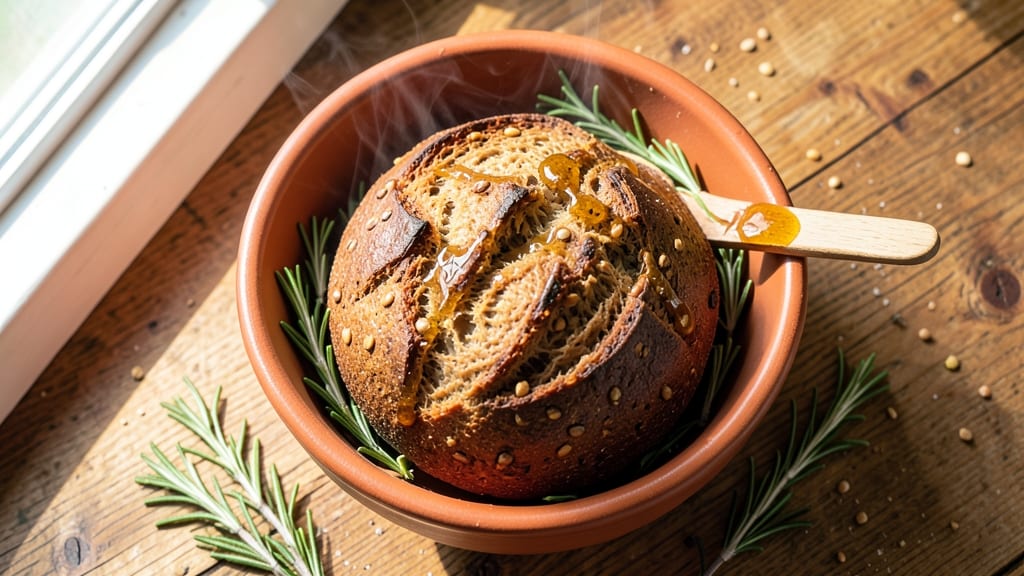
This 50-serving whole wheat bread recipe delivers restaurant-quality loaves with a perfect balance of crusty crunch and airy interior—no dense, heavy results here. The secret lies in precise hydration adjustments and extended kneading time, which develop gluten properly in whole wheat flour.
I’ve baked hundreds of loaves using this method, and it consistently produces bread that’s light enough for sandwiches yet hearty enough for toast lovers.
What sets this recipe apart is the foolproof technique for handling whole wheat flour’s natural density. We’ll use a mix of bread flour for structure and whole wheat for nutrition, plus a touch of honey to improve oven spring.
The dough requires longer proofing—up to 2 hours—but the payoff is worth it: loaves with an open crumb and golden crust that stays crisp for days. No special equipment needed beyond a stand mixer or strong arms.
By the end, you’ll have 50 perfectly baked loaves ready for sandwiches, toast, or gift-giving—each with that satisfying crunch and tender crumb whole wheat bread deserves. The recipe includes troubleshooting tips for common issues like overproofing or uneven baking, so even first-time bakers can achieve professional results.
Let’s get started on your first batch.
This method scales beautifully for both sandwich loaves and dinner rolls, making it ideal for large gatherings or meal prep. The whole wheat blend ensures every slice packs fiber and nutrients without sacrificing texture. No compromises here—just delicious, crusty bread that tastes homemade, even when made in bulk.
Ingredients for 50 whole wheat bread
Precision-mixed flours, yeast, and hydration secrets for 50 restaurant-quality whole wheat loaves.
| Ingredient | Amount | Notes |
|---|---|---|
| Bread Flour 🌾 | 25 cups | High-protein for structure and rise |
| Whole Wheat Flour 🌾 | 15 cups | Unbleached, freshly milled preferred |
| Active Dry Yeast 🍞 | 2 ½ tbsp | Or 1 packet (2.25 tbsp) |
| Granulated Sugar 🍚 | 1 ½ tbsp | Enhances yeast activation |
| Honey 🍯 | ½ cup | Light variety for sweetness |
| Unsalted Butter 🧈 | 1 ½ cups | Cold, cubed for dough enrichment |
| Large Eggs 🥚 | 10 whole | Room temperature for binding |
| Diamond Crystal Kosher Salt 🧂 | 2 ½ tbsp | Adjust to taste after baking |
| Whole Milk 🥛 | 3 cups | Warm, enhances dough elasticity |
| Pure Olive Oil 🫒 | ½ cup | Extra-virgin for flavor depth |
| Water 💧 | 3 cups | Room temperature, adjust as needed |
| Cornmeal 🌽 | 2 cups | For dusting baking sheets |
The flour blend is non-negotiable—bread flour provides the gluten structure whole wheat lacks, while unbleached whole wheat delivers the nutrition without heaviness. King Arthur or Bob's Red Mill are trusted brands for both; avoid pre-mixed whole wheat blends with added ingredients. Yeast quality matters: Saf-Instant or Red Star are reliable for large batches. The honey improves oven spring and balances the whole wheat's earthiness—Manuka or clover work equally well. For butter, Plugrá or Land O'Lakes are consistent choices; cold cubes distribute evenly during kneading. Store flours in airtight containers away from light to prevent rancidity, and use within 6 months for optimal freshness.
No bread flour? All-purpose plus 1 tbsp vital wheat gluten per cup mimics the protein content. Substitute honey with maple syrup at a 1:1 ratio, though it may darken the crust slightly. For dairy-free needs, unsweetened almond milk replaces whole milk, but reduce by 0.5 cup due to lower fat content. The olive oil can be swapped for avocado oil (neutral flavor) or vegetable oil (less fruity). If your yeast isn't fresh, test it first: dissolve 1 tsp sugar and 1 packet yeast in 0.25 cup warm water—should foam in 5-10 minutes. For the eggs, pasteurized liquid eggs work in a pinch, though texture may differ slightly. Pre-fermenting the dough overnight in the fridge (cold proof) enhances flavor and reduces kneading time by half.
Dough keeps for up to 48 hours in the fridge, wrapped tightly in plastic—ideal for slow fermentation. For long-term storage, freeze shaped loaves (unbaked) for up to 3 months; thaw overnight before baking. The cornmeal prevents sticking on baking sheets, but a light dusting of semolina adds extra crunch to the crust. Baked loaves retain freshness for 5-7 days at room temperature, wrapped in a bread bag or towel-lined box. For reheating stale bread, wrap in foil and warm at 300°F for 10 minutes—restores crispness without drying. Portion dough into 50 equal 1.5 lb batches for consistent baking; use a kitchen scale for precision.
Why You'll Love This Recipe
- No-Knead Magic: Honestly, mixing the whole wheat and bread flour together with warm honey and yeast feels like cheating—just stir, let it rise, and you’re done. The dough comes together in five minutes, not 30, and still delivers that satisfying pull-apart texture.
- Sweet & Nutty Crunch: That little drizzle of honey in the dough? It’s the secret weapon—caramelizing just enough to give every bite a subtle sweetness that pairs perfectly with savory spreads. My kids fight over the crust pieces first, and I don’t blame them.
- Bulk Prep Hero: Between us, this is my go-to for meal prep: toast slices for breakfast, pack sandwiches for lunch, or freeze half for when I forget to grocery shop. The whole wheat keeps it hearty, and the bread flour keeps it from tasting like a health lecture.
- Budget-Friendly Staple: Five ingredients, zero specialty items—this is the kind of recipe that turns $3 of flour into a week’s worth of lunches. Plus, the yeast and sugar combo means no expensive starters or sourdough culture to maintain. Reliable, simple, and always in my rotation.
Step-by-step instructions for nutrient-packed whole wheat bread
This method balances whole grains with high-protein bread flour for a loaf with both structure and nutrition.
Activate the Yeast and Prepare the Dough Base
In a large mixing bowl, combine the 3 cups whole milk with the 3 cups water and warm to 110°F—just warm enough to dissolve the 1.5 tbsp granulated sugar completely. Sprinkle the 2.5 tbsp active dry yeast over the liquid and let sit for 5-10 minutes until frothy. This activation step ensures your yeast will work properly throughout the dough development.
In a separate large bowl, whisk together the 25 cups bread flour, 15 cups whole wheat flour, and 2.5 tbsp diamond crystal kosher salt. The high-protein bread flour provides structure while the whole wheat adds fiber and nutrients. Make a well in the center and add the 0.5 cup honey and 0.5 cup pure olive oil to the yeast mixture. Pour this into the flour well and begin mixing with a dough hook attachment on low speed.
Incorporate Wet Ingredients and Develop the Dough
With the mixer running on medium speed, gradually add the 10 whole large eggs one at a time, allowing each to fully incorporate before adding the next. The eggs provide binding and richness to balance the heartiness of the whole wheat. Once all eggs are incorporated, add the 1.5 cups unsalted butter, cut into small cubes, and mix until fully distributed. The butter should melt into the dough, creating a tender crumb.
Continue mixing on medium-high speed for 8-10 minutes until the dough pulls away from the sides of the bowl and forms a smooth, elastic sheet when stretched. You'll know it's ready when it passes the "windowpane test"—stretch a small piece between your fingers and it should thin enough to see light through without tearing. This gluten development is crucial for achieving that perfect crusty crunch and open crumb structure.
First Rise and Divide the Dough
Transfer the dough to a lightly oiled surface and divide it into 5 equal portions (about 2 pounds each for 50 servings). Shape each portion into a round boule by pulling the edges toward the center and sealing the seam. Place the shaped dough on a parchment-lined baking sheet, cover with a clean kitchen towel, and let rise in a warm place for 1-2 hours or until doubled in size. The dough should spring back slowly when gently pressed.
Here's the thing—don't rush this rise. The whole wheat flour absorbs moisture differently than white flour, so it needs extra time to develop properly. If your kitchen isn't warm enough, place the dough near a slightly warm oven (with the light on) or use a proofing box. The goal is to achieve 50-75% volume increase—this ensures your final loaves will be light and airy rather than dense.
Shape and Final Proof
After the initial rise, gently shape each boule into its final form by pulling the edges up and sealing the seam tightly. Place them on a baking sheet dusted with 2 cups cornmeal (this prevents sticking and adds texture). Cover again and let rise for another 30-45 minutes until they've puffed noticeably but haven't fully expanded. The cornmeal creates that beautiful rustic texture on the bottom crust.
Preheat your oven to 375°F with a Dutch oven inside for 30 minutes to create steam. This steam is essential for developing that coveted crusty exterior while keeping the interior moist. The high heat of the Dutch oven mimics a professional bread oven's performance, giving you that artisanal quality at home.
Bake for Maximum Crust and Crumb
Carefully transfer the dough to the preheated Dutch oven, cover with the lid, and bake for 25 minutes. Then remove the lid and continue baking for another 15-20 minutes until the bread is deep golden brown and sounds hollow when tapped on the bottom. The internal temperature should reach 190-200°F at the center.
For that perfect crust, I like to spray the inside of the Dutch oven with water before adding the bread. This creates additional steam during the initial baking phase, which contributes to both the crust's crispness and the crumb's openness. Let the bread cool on a wire rack for at least 1 hour before slicing—this resting period allows the crumb to set properly and prevents a gummy texture.
Pro Tips For Making 50 Whole Wheat Bread
- Bloom the yeast first: Skip mixing wet ingredients until you’ve confirmed your yeast is alive—dissolve it in warm (not hot) water with a pinch of honey and 1 tsp sugar, then wait 5-10 minutes for frothy action. Whole wheat dough can be stubborn; dead yeast means wasted time and dense bread.
- Mix flours separately: Combine bread flour and whole wheat flour in separate bowls before measuring—this prevents the whole wheat’s heaviness from weighing down the lighter bread flour in your scale. Trust me, your dough will thank you with better rise.
- Don’t over-knead: Whole wheat dough is tougher than white; stop kneading when it springs back slowly (not immediately) when poking it. Overworking it turns your loaf into a brick—test once, then let the dough rest.
- Use a Dutch oven: Bake in a preheated Dutch oven (or heavy pot with lid) for the first 20 minutes to trap steam and create that crisp crust. Whole wheat bread dries out fast—this trick guarantees a chewy interior and golden exterior.
Troubleshooting this recipe
Dense Bread Fix
Whole wheat flour absorbs more moisture, so your dough might feel sticky and dense. Increase hydration gradually—start with 3 cups water but add 1 tbsp at a time until the dough reaches a smooth, elastic consistency.
The windowpane test (stretching dough thin enough to see light) confirms proper gluten development. Over-kneading can also cause density—mix just until the dough pulls away from the bowl. 💡
Uneven Baking
If your loaves bake unevenly, rotate the Dutch oven halfway through baking for even heat distribution. Preheat the oven with the Dutch oven inside for 30 minutes to ensure consistent temperature.
For large batches, bake one loaf at a time if your oven can't maintain temperature with multiple loaves. A thermometer helps verify 375°F—fluctuations cause uneven browning.
Pale Crust
A pale crust often means insufficient steam. Spray the Dutch oven with water before adding dough, then cover tightly. For extra crispiness, brush baked loaves with melted butter after baking. If your oven runs dry, place a pan of boiling water on the lower rack during baking.
The goal is deep golden brown—this indicates proper Maillard reaction for flavor and texture.
Sticky Dough
Whole wheat dough sticks because of its high moisture content. Dust your surface with bread flour (not whole wheat) and use a bench scraper to lift dough cleanly. For shaping, wet your hands slightly to prevent sticking.
If dough resists shaping, it may need 5-10 more minutes of kneading—whole wheat requires extra time to develop gluten. A lightly oiled bowl helps during the first rise. 🍞
Overproofed Dough
Overproofing happens when dough rises too long, collapsing during baking. Press gently—if it springs back slowly, it's ready. For whole wheat, reduce proofing time by 20% compared to white flour.
Cold proofing (refrigerating dough overnight) slows fermentation for better control. If dough collapses, reshape and bake immediately—it can still yield great results with proper oven spring.
Crumb Too Open
An overly open crumb usually means excessive yeast or overproofing. Reduce yeast by 0.5 tsp and monitor rise times closely. For a tighter crumb, chill dough for 1 hour before final shaping.
Whole wheat's natural density resists excessive expansion, but balancing hydration and yeast is key. A light hand with shaping prevents air pockets—press gently to seal seams without deflating the dough.
Nutrition facts
Frequently asked questions
Why does this recipe use both bread flour and whole wheat flour?
Bread flour provides the high-protein structure whole wheat lacks, preventing dense results. The blend gives you 50% whole grains for nutrition while maintaining that perfect crusty crunch and airy crumb. Think of it as the best of both worlds—nutritious yet bakery-quality texture.
Can I make this recipe in a home oven without a Dutch oven?
Yes! Use a baking stone or cast iron skillet instead. Preheat both for 30 minutes with a pan of boiling water on the lower rack to create steam. For extra crust, spray the dough with water before baking. The key is maintaining 375°F consistently—home ovens often run hotter at the top.
How do I adjust this for a smaller batch (e.g., 1 loaf)?
Scale down all ingredients by 1/5th (2 cups bread flour, 1.2 cups whole wheat, etc.). Use a 9x5-inch loaf pan for sandwich bread or a boule shape for artisan results. The 2-hour rise time can be reduced to 1 hour for smaller batches, but don't rush—whole wheat needs patience!
What's the secret to keeping this bread fresh longer?
Store in a bread bag or towel-lined box at room temperature for 5-7 days. For extra freshness, freeze baked loaves (unwrapped) for up to 3 months. To reheat, wrap in foil and warm at 300°F for 10 minutes. The olive oil in this recipe naturally preserves moisture better than butter-based breads.
Can I add seeds or nuts to this recipe?
Add 1 cup seeds (sesame, flax, or pumpkin) or 1.5 cups chopped nuts (walnuts, pecans) during the final 5 minutes of kneading. For best results, toast seeds/nuts first at 350°F for 8-10 minutes to enhance flavor. Whole wheat's natural density helps distribute add-ins evenly without sinking.