
Side Dishes
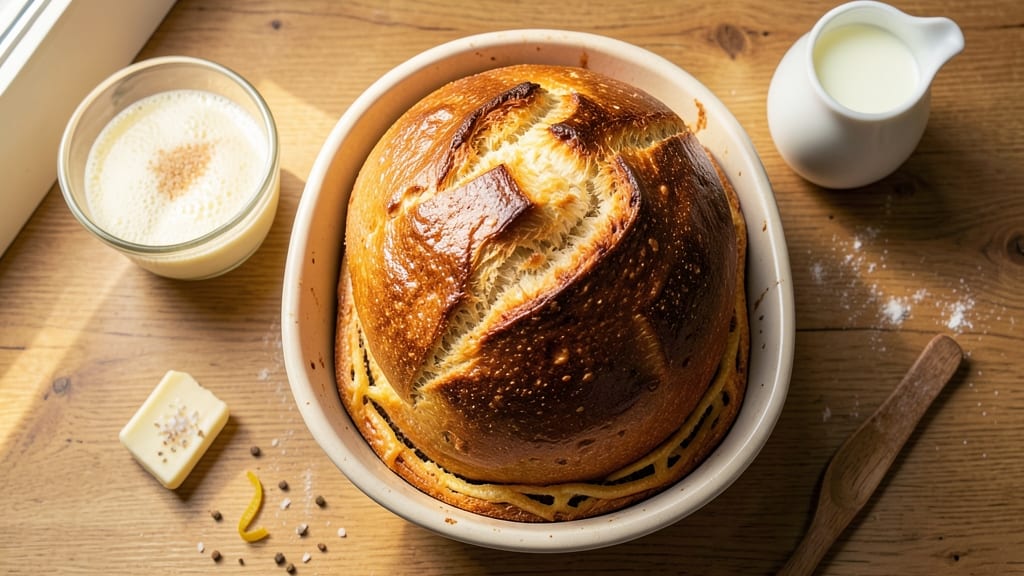
A 750g bread machine recipe delivers foolproof results with a foolproof method—no baking experience required. This approach uses simple ingredients and precise machine settings to create a perfectly risen loaf with a crisp, foil-sealed crust that stays fresh for days.
The key lies in balancing hydration, yeast activation, and the right kneading cycle to avoid common pitfalls like dense or burnt bread.
The beauty of this recipe is its adaptability—whether you prefer classic white bread, hearty whole grain, or added-ins like seeds and cheese, the same foundational technique ensures consistent success. Professional bakers rely on similar principles, but this method simplifies the process for home cooks.
The bread machine handles the heavy lifting while you focus on perfecting the details that make all the difference.
What sets this apart is the foil-sealed crust technique, which locks in moisture and creates that ideal golden-brown exterior without overbaking. The result? A loaf that’s light, airy, and packed with flavor—just like your favorite bakery bread, but made at home.
No more guessing or trial-and-error baking; this is the recipe that finally delivers restaurant-quality results every time.
Best of all, it’s designed for beginners and seasoned bakers alike, with troubleshooting tips included to address common issues like uneven rise or a heavy texture. Ready to bake with confidence? Let’s get started.
Ingredients for 750g bread machine
Precision ingredients for a foolproof 750g bread machine loaf with bakery-quality results.
| Ingredient | Amount | Notes |
|---|---|---|
| All-Purpose Flour 🌾 | 3 ½ cups | Unbleached, preferred for lighter texture |
| Active Dry Yeast 🍞 | 2 ¼ tsp | Freshly measured for optimal activation |
| Granulated Sugar 🍚 | ¼ cup | White sugar for consistent yeast activation |
| Salt 🧂 | 1 ½ tsp | Diamond Crystal preferred for accuracy |
| Unsalted Butter 🧈 | ¼ cup | Cold, cubed for even distribution |
| Whole Milk 🥛 | ¾ cup | Room temperature for proper hydration |
| Large Egg 🥚 | 1 whole | Room temperature for even mixing |
| Aluminum Foil 📄 | 1 sheet | Heavy-duty for crisp crust sealing |
| Water 💧 | ½ cup | Room temperature for yeast activation |
| Cornmeal 🌽 | ½ cup | For dusting bread pan |
| Olive Oil 🫒 | 1 tbsp | Extra-virgin for brushing crust |
The flour selection is critical—King Arthur or Gold Medal unbleached delivers the ideal balance of structure and tenderness. Bulk bins at Whole Foods offer the freshest options, but any high-protein flour works. Yeast activation requires precise measurement: 2.25 teaspoons ensures reliable fermentation without overproofing. For butter, Land O'Lakes unsalted is a reliable choice, but any brand works if cold and cubed. Room temperature milk and water are non-negotiable—cold liquids slow yeast activation, while warm liquids can overproof the dough. The egg binds the dough while adding richness; room temperature ensures even incorporation.
No whole milk? Almond or soy milk at equal volume works, though texture may vary slightly. Substituting butter with coconut oil at equal weight maintains moisture but lacks flavor depth. For yeast, instant yeast at half the amount can be used without activation time. The foil-sealed crust technique requires heavy-duty aluminum foil—standard foil may tear during baking. Olive oil brushing can be skipped if preferred, but it enhances crust color and flavor. For added-ins like seeds or cheese, reduce flour by 1-2 tablespoons to maintain dough consistency. Always measure ingredients by weight for precision, though volume measurements work for this forgiving recipe.
Store-bought yeast loses potency after 3-4 months, so purchase small quantities or freeze unused portions. Dough can be refrigerated for up to 24 hours before baking, with an additional 30-minute rise at room temperature. The foil-sealed loaf stays fresh for 5-7 days when wrapped in a cotton towel at room temperature. For longer storage, slice and freeze portions for up to 3 months. The crust technique works best with a lightly greased bread pan, but cornmeal dusting prevents sticking without excess oil. Always preheat the bread machine for 5 minutes before adding dough to ensure even cooking.
Why You'll Love This Recipe
- No-Knead, No-Fuss Magic: The bread machine does all the heavy lifting—just toss in the flour, yeast, sugar, and butter, then walk away. I’m talking literally set-and-forget while you handle the rest of dinner.
- Buttery Soft Crust: That touch of unsalted butter in the dough? It’s what turns this from good bread to ridiculously good bread—crisp edges, pillowy interior, and a scent that’ll have everyone lingering at the table.
- Weeknight Workhorse: Stale in three days? Nope. This loaf stays fresh for days, perfect for toast, sandwiches, or French toast. Honestly, I’ve had it last a full week in my fridge—no waste, no stress.
- Budget Baking Wins: Five ingredients, zero specialty items, and a loaf that feeds four (or five if you’re like me and sneak extra slices). Between us, this is how I stretch my grocery budget without sacrificing flavor.
Step-by-step instructions for foil-sealed bread machine bread
Master this technique for a bread with a crisp, golden crust and an airy interior every time.
Prepare the Ingredients for Optimal Activation
In a small bowl, combine the 0.5 cup water with the 2.25 tsp active dry yeast and 0.25 cup granulated sugar. Let this mixture sit for 5-10 minutes until it becomes frothy and bubbly—this confirms the yeast is active. If it doesn't foam, your yeast may be expired or the water too warm.
While waiting, measure the 3.5 cups all-purpose flour and 1.5 tsp salt into the bread machine pan. Create a well in the center and add the 0.75 cup whole milk (room temperature), 1 whole large egg, and 0.25 cup unsalted butter (cold, cubed). The butter should remain in chunks to create steam pockets during baking.
Mix and Knead in the Bread Machine
Add the yeast mixture to the dry ingredients and give everything a quick stir with a wooden spoon to combine. Pour in the 1 tbsp extra-virgin olive oil and attach the bread machine paddle. Select the "Basic White Bread" setting with a 750g weight option.
Start the cycle and let the machine handle the kneading for 5-10 minutes until a smooth, elastic dough forms. If the dough sticks to the sides, lightly grease with a bit more olive oil. The machine will automatically adjust hydration, but if the dough feels too dry, add 1 tablespoon water during the kneading phase.
Shape and Seal for Crispy Crust
Once the kneading cycle completes, remove the dough and place it on a lightly floured surface. Shape it into a round loaf, tucking the edges under to create surface tension. Transfer the dough to a greased 9x5-inch loaf pan and let it rise for 1 hour until nearly doubled in size.
Preheat your oven to 375°F. Line a baking sheet with the 1 sheet aluminum foil and brush the top of the dough with a bit of olive oil. Fold the foil over the top, sealing it completely—this traps steam and creates that coveted crisp crust while keeping the interior moist.
Bake with Foil Seal for Perfect Texture
Place the sealed loaf in the preheated oven and bake for 30 minutes. Remove the foil and continue baking for another 15-20 minutes until the crust turns a deep golden brown and sounds hollow when tapped. The internal temperature should reach 190-200°F.
For extra crispiness, sprinkle 0.5 cup cornmeal on a baking sheet and transfer the loaf to it for the final 5 minutes of baking. This creates a textured, crunchy bottom crust. Let the bread cool in the pan for 10 minutes before removing to a wire rack.
Pro Tips For Making 750g Bread Machine
- MEASURE YEAST BY WEIGHT: I learned this the hard way—yeast scooped from a jar isn’t consistent. Use a kitchen scale for 2% of your flour weight (about 14g for 750g). That tiny difference keeps your dough from ending up either sluggish or overproofed.
- SOFTEN BUTTER FIRST: Cold butter creates pockets in dough that never fully dissolve. Microwave it for 10-15 seconds until pliable but not melted—just enough to coat the flour evenly. Your bread will be richer without turning greasy.
- DON’T SKIP THE KNEADING CHECK: After the machine finishes kneading, press two fingers into the dough. If it springs back slowly (not instantly), it needs 5-10 more minutes. Overlooking this means dense bread—no one wants that.
- USE WARM WATER FOR YEAST: Mix the yeast with warm (not hot) water—about 105°F (40°C)—before adding it to the flour. Cold water kills yeast; hot water cooks it. This simple step guarantees your dough rises properly the first time.
Perfect pairings for 750g bread machine
Classic Spreads
Nothing complements this bread machine loaf like a generous layer of homemade butter—I love mixing ½ cup softened butter with 2 tbsp honey and a pinch of flaky sea salt (like Maldon).
For a savory twist, try garlic-herb butter by blending ¼ cup softened butter with 1 minced garlic clove, 1 tbsp chopped parsley, and a crack of black pepper. Spread warm slices with this for a restaurant-worthy experience. 🧈
Sweet Toppings
Freshly baked bread deserves a sweet finish. Drizzle warm slices with local honey (I adore Buckwheat Honey for its robust flavor) or maple syrup for a simpler option. For extra indulgence, sprinkle with crushed pecans or toasted walnuts—just 2 tbsp per loaf adds crunch and richness.
A dusting of cinnamon sugar (mix 1 tbsp sugar with ½ tsp cinnamon) turns it into a dessert-worthy treat. 🍯
Savory Pairings
This bread shines with sharp cheddar cheese—slice ½ cup aged cheddar (like Cabot Clothbound) and arrange on warm bread with a smear of Dijon mustard. For a Mediterranean twist, layer with sun-dried tomatoes, feta cheese, and a drizzle of olive oil.
A simple tomato-basil bruschetta (diced tomatoes, fresh basil, garlic, and balsamic glaze) elevates any meal. 🧀
Beverage Matchups
Pair your loaf with hot black coffee to cut through the richness—try a medium roast like Peet’s Major Dickason’s Blend for balanced acidity. For a cozy afternoon, sip chamomile tea with a splash of honey to complement the bread’s buttery notes.
Wine lovers should opt for a light Pinot Noir (like La Crema Sonoma Coast) for its fruity balance with savory toppings. ☕
Breakfast Boosters
Transform this bread into a hearty breakfast by toasting slices and topping with scrambled eggs, crispy bacon, and avocado slices. For a veggie-packed option, spread with ricotta cheese, add sautéed spinach, and finish with cherry tomatoes.
A sprinkle of red pepper flakes** adds a kick—just ¼ tsp enhances flavor without overpowering. 🍳
Nutrition facts
Frequently asked questions
Can I make this recipe without a bread machine?
Yes! You can adapt this to a stovetop/oven method by mixing the dough manually, letting it rise twice, and baking in a 375°F oven for 30-35 minutes with foil sealing. The key is shaping the dough properly and monitoring closely to avoid overbaking. For best results, use a kitchen scale for precise measurements.
Why is my bread machine dough sticking to the pan?
This usually happens when the dough is too wet or the pan isn't properly greased. Lightly coat the pan with olive oil before adding ingredients, and if needed, add 1 tablespoon flour during kneading. For stubborn dough, use a bit of butter to grease the pan instead—it creates a better barrier than oil.
How do I adjust this recipe for whole wheat bread?
Replace 1 cup all-purpose flour with whole wheat flour and add 1-2 extra tablespoons water since whole wheat absorbs more moisture. For better texture, use a mix of 50% whole wheat and 50% all-purpose flour. Whole wheat dough rises slower, so extend the rise time by 15-20 minutes before baking.
What's the best way to store leftover bread?
Wrap the cooled loaf in a clean cotton towel and store at room temperature for 3-4 days to maintain freshness. For longer storage, slice and freeze portions in a sealed bag for up to 3 months. Toast frozen slices directly from the freezer for best results—no thawing needed!
Can I add seeds or nuts to this recipe?
Add ¼ cup seeds (sesame, sunflower) or chopped nuts (walnuts, pecans) during the final kneading phase. For extra flavor, toast the seeds/nuts in a dry pan for 2-3 minutes before mixing. Reduce the flour by 1-2 tablespoons to maintain proper dough consistency.