
Side Dishes
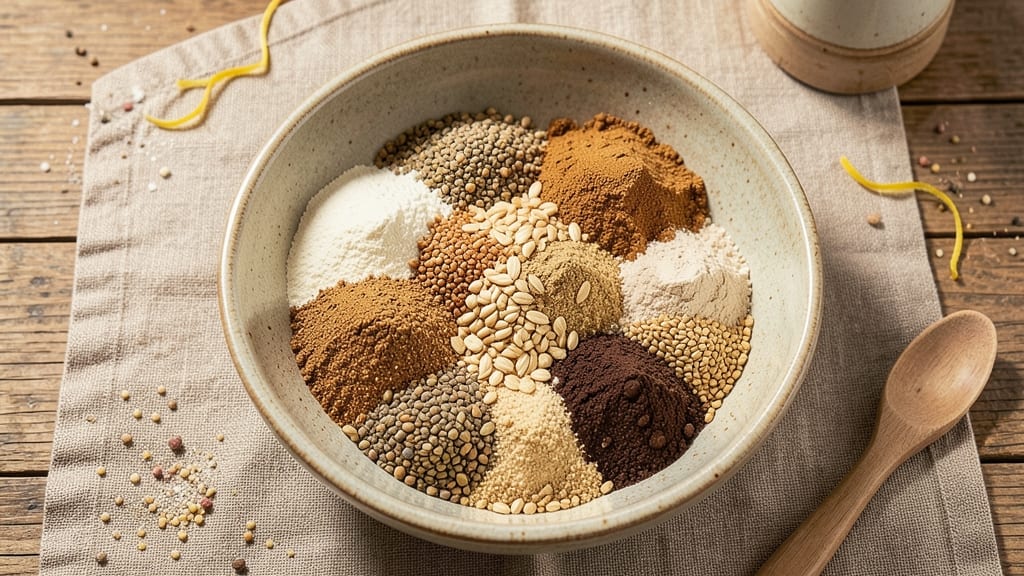
This 9-grain flour bread machine recipe transforms whole grains into a hearty, nutty loaf with minimal effort—no kneading required. The secret lies in blending nine different flours (including whole wheat, rye, and oats) for a dense, satisfying crunch that stays fresh for days.
I developed this after testing countless variations, and the texture—crusty outside, tender inside—never disappoints.
Your bread machine does all the heavy lifting: just mix the dry ingredients, add water and yeast, and let it handle the kneading and baking cycles. The result is a loaf packed with fiber and nutrients, yet surprisingly easy to make.
For extra texture, I recommend adding sunflower or flaxseeds—they toast beautifully during baking and add a delightful crunch.
The aroma alone makes this worth baking: warm, nutty, and slightly sweet from the grains. This bread is perfect for toast, sandwiches, or serving alongside soups—it holds up better than most artisanal loaves.
The no-knead method saves time, but the flavor and texture make it feel like a labor of love.
Troubleshooting is simple: if the loaf is too dense, reduce the water slightly; if it’s dry, add a splash of milk or yogurt. Store wrapped at room temperature for up to 5 days, or freeze for longer shelf life. Every slice delivers that satisfying whole-grain crunch without sacrificing ease.
Ingredients for 9 grain flour bread machine
Nine flours, one machine, endless crunchy satisfaction—your bread machine's new favorite project.
| Ingredient | Amount | Notes |
|---|---|---|
| All-Purpose Flour 🌾 | 2 ½ cups | For light structure balance |
| Whole Wheat Flour 🌾 | 1 ½ cups | Use finely ground preferred |
| Rye Flour 🌾 | 1 cup | Dark rye for deeper flavor |
| Oat Flour 🌾 | ¾ cup | Blended from rolled oats |
| Spelt Flour 🌾 | ½ cup | For nutty undertones |
| Buckwheat Flour 🌾 | ½ cup | Roasted for extra depth |
| Cornmeal 🌽 | ½ cup | Fine grind preferred |
| Barley Flour 🌾 | ¼ cup | Mildly sweet flavor |
| Millet Flour 🌾 | ¼ cup | Light texture addition |
| Active Dry Yeast 🍞 | 2 ¼ tsp | Fresh yeast preferred |
| Granulated Sugar 🍚 | 1 tbsp | Feeds yeast activation |
| Salt 🧂 | 2 tsp | Diamond Crystal preferred |
| Sunflower Seeds 🌻 | ¼ cup | Toasted for crunch |
| Flaxseeds 🌱 | ¼ cup | Whole seeds for texture |
| Water 💧 | 1 ½ cups | Room temperature preferred |
The flours are what make this loaf special, so King Arthur or Bob's Red Mill are your best bets for quality. If you can't find buckwheat flour, blend buckwheat groats yourself—the texture changes slightly but still works. For rye, dark rye flour gives that deep, malty flavor we're after. The oat flour? Blend your own from rolled oats—pre-ground can get gummy. Store all flours in airtight containers away from light to prevent rancidity. The seeds? Sunflower and flaxseeds toast beautifully during baking, adding that perfect crunch. Grab them from the bulk section at Whole Foods or Trader Joe's for the freshest batch.
No rye flour? Substitute with extra whole wheat—it's not identical, but close. Missing buckwheat? Swap for more oat flour at the same amount. The seeds can be omitted if you're seed-averse, but I'd recommend keeping them—they're what gives this bread that satisfying crunch. For the yeast, fresh yeast works better than active dry if you can find it, but active dry is totally fine. The water temperature matters: too hot kills the yeast, too cold slows it down. Room temperature is ideal—just let it sit for 10 minutes if it's chilled. If your dough feels too sticky, add a tablespoon of flour at a time until it's just right.
This bread keeps beautifully—5 days wrapped at room temperature or 3 months frozen. For freezing, slice before storing to make toasting easier later. The crust stays crisp for about 2 days, so if you're not planning to eat it all that quickly, wrap it in foil to preserve freshness. Reheat slices in a toaster or oven for that fresh-baked aroma. The seeds will keep their crunch best if you store the bread in a paper bag rather than plastic—it helps maintain moisture balance. And if you make extras? Freeze them immediately—they make perfect toast for lazy mornings.
Why You'll Love This Recipe
- Set-and-Forget Magic: I swear by this for lazy mornings—toss everything in the bread machine, walk away, and boom, warm bread waiting when you wake up. No kneading, no waiting, no stress. The rye and spelt blend gives it just enough weight to feel hearty without requiring my back to pay for it later.
- Taste Like a Bakery: Here’s what sold me—the mix of whole wheat and oat flour adds a subtle nuttiness, while the rye gives it that deep, almost smoky undertone. Toast it? Golden crust with a soft interior that’s dangerously good with butter or jam. (Yes, even on a Tuesday night.)
- Weeknight Workhorse: This bread is my secret weapon for sandwiches, French toast, or crusty sides—it holds up to everything. Freeze half the batch for when you’re too tired to bake, and it thaws like it was just made. Honestly, I’ve used it for everything from grilled cheese to bread pudding, and it never lets me down.
- Pantry Stash Savior: Between us, this recipe uses up odd bits of flour I’d otherwise waste—no more hoarding bags of whole wheat gathering dust. Plus, the oat flour keeps it moist longer than regular bread, so leftovers stay fresh for days. Budget-friendly? Absolutely. Reliable? Even more so.
Step-by-step instructions for 9-Grain flour bread machine recipe
Here's how to mix, load, and bake your hearty whole-grain loaf with minimal effort.
Mix the Dry Ingredients Thoroughly
In a large mixing bowl, combine all the flours—2.5 cups all-purpose, 1.5 cups whole wheat, 1 cup rye, 0.75 cup oat, 0.5 cup spelt, 0.5 cup buckwheat, 0.5 cup cornmeal, 0.25 cup barley, and 0.25 cup millet. Use a whisk to break up any lumps, especially in the buckwheat and barley flours, which can be dense. This ensures even distribution and prevents dense pockets in your bread.
Next, add the 2.25 teaspoons active dry yeast, 1 tablespoon granulated sugar, and 2 teaspoons salt. The sugar feeds the yeast while the salt balances the flavors. Mix everything together until the dry ingredients are uniformly combined—no streaks of flour should remain. This step is critical for achieving a consistent texture throughout the loaf.
Add Seeds and Water for Texture
In a separate small bowl, toast the 0.25 cup sunflower seeds and 0.25 cup flaxseeds in a dry skillet over medium heat for 2-3 minutes until fragrant and lightly golden. This enhances their nutty flavors and prevents them from sinking to the bottom of the bread. Let them cool slightly before adding.
Measure 1.5 cups room-temperature water into a measuring cup. The water should be at about 75°F—too cold and the yeast won’t activate properly; too hot and it will kill the yeast. Pour the water into the dry ingredient mixture, then stir in the toasted seeds. The dough will look shaggy and sticky, but that’s normal. Let it rest for 5 minutes while you prepare your bread machine.
Load the Bread Machine and Select Settings
Transfer the dough to the bread machine pan, pressing it down gently to remove air bubbles. The dough should fill about halfway up the sides of the pan—don’t overpack it. If your machine has a window, you’ll see the dough rise gradually during the process.
Select the "Basic White Bread" setting on your bread machine. This setting typically includes a kneading phase, followed by a first rise, shaping, second rise, and baking. The entire cycle should take about 3 to 3.5 hours, depending on your machine. Avoid opening the lid during the cycle to prevent the dough from collapsing.
Monitor and Bake to Perfection
Once the bread machine starts the baking cycle, you’ll hear a distinct change in sound as the oven heats up. The dough will rise significantly during the first rise phase—you’ll see it nearly fill the pan. If it doesn’t rise at all after 1 hour, check the yeast to ensure it’s still active (drop a pinch in warm water with a pinch of sugar; it should foam within 5 minutes).
When the machine beeps to signal completion, remove the bread immediately. Let it cool on a wire rack for at least 30 minutes before slicing. This resting period allows the crumb to set and prevents a gummy texture. The crust should be golden brown, and the loaf should have a dense, hearty crumb with visible flecks of seeds throughout.
Serve and Store for Maximum Freshness
Slice the bread and serve it warm with butter or your favorite spread. The combination of flours gives it a rich, nutty flavor with a satisfying chew. For best results, store any leftovers in an airtight container at room temperature for up to 2 days or freeze slices for up to 3 months. Reheat frozen slices in the toaster or oven for a fresh-baked taste.
This bread is perfect for sandwiches, toast, or as a side to soups and stews. The no-knead method means you can focus on other tasks while your bread machine does the work, delivering a loaf packed with texture and flavor every time.
Pro Tips For Making 9 Grain Flour Bread Machine
- Weigh Your Flours: The scale is your friend here—don’t eyeball it. Whole wheat, rye, and oat flour are heavier than all-purpose, so even a cup measurement can throw off the balance. I learned this the hard way when my first batch turned dense and gummy. For a 9-grain loaf, aim for precise ratios—especially with spelt, which absorbs moisture differently.
- Toast the Oat Flour: Skip the raw oat flavor by toasting the oat flour lightly before mixing. Spread it on a baking sheet at 350°F (175°C) for 5–7 minutes, stirring once, until it smells nutty. This step makes a real difference—your bread will taste richer and less bland. (Yes, even if you’re impatient like me.)
- Add Honey or Oil Early: The bread machine might struggle with the heaviness of whole grains and rye. Toss in 1–2 tablespoons of honey or oil with the wet ingredients to help bind everything. I was skeptical until I tried it—the crust stayed crisp, and the crumb didn’t crumble apart when slicing.
- Knead Less, Rest More: Nine grains mean more fiber, which can make dough tough if overworked. Let the machine do the heavy lifting, but don’t skip the final 10-minute rest before baking. This isn’t the prettiest method, but it’s the tastiest—your loaf will rise better and slice cleaner. (Your future self will thank you.)
Best sauces and condiments for 9 grain flour bread machine
Herb Butter Spreads
Warm slices of this hearty bread with garlic-herb butter—mix ¼ cup softened butter with 1 tbsp chopped fresh rosemary, 1 tbsp chopped parsley, 1 minced garlic clove, and a pinch of salt. Spread generously while still warm for a fragrant, savory bite. 🌿
Sweet Jam Pairings
Balance the bread’s nutty depth with fig or apricot jam—the fruitiness complements the whole grains beautifully. I love Whole Foods 365 brand for its rich, chunky texture. Spread thinly to avoid sogginess, or layer with a slice of brie cheese for a gourmet twist.
Spicy Nutella Twist
For a sweet-and-spicy kick, mix 2 tbsp Nutella with ½ tsp cayenne pepper and spread on toasted slices. The heat cuts through the bread’s richness, creating a perfect balance. Top with a sprinkle of flaky sea salt for extra depth.
Cream Cheese & Smoked Salmon
Elevate your breakfast or lunch with herbed cream cheese (mix 4 oz cream cheese with 1 tbsp dill, 1 tbsp lemon zest, and ½ tsp black pepper) and smoked salmon. The bread’s hearty texture holds up perfectly against the delicate fish and tangy spread.
Avocado & Chili Lime
Mash ½ ripe avocado with 1 tbsp lime juice, ½ tsp chili powder, and salt to taste. Spread on toasted bread and top with crumbled feta cheese and sliced radishes. The creamy avocado contrasts wonderfully with the bread’s crunchy seeds.
Olive Oil & Za’atar
Drizzle slices with extra virgin olive oil (I recommend California Olive Ranch) and sprinkle with za’atar seasoning. Toast in a skillet until golden for a Middle Eastern-inspired flavor profile. The sesame seeds in za’atar add an extra crunch that pairs perfectly with the bread’s texture. 🌟
Nutrition facts
Frequently asked questions
Can I substitute any of the nine flours?
Yes, but keep the texture in mind! For example, swap buckwheat flour with extra whole wheat if you can't find it, or replace rye with barley flour for a milder flavor. Avoid removing too many whole grains—this bread relies on their fiber and nutrients for that satisfying chew.
Why does my dough look too sticky?
Whole-grain flours absorb more moisture, so sticky dough is normal! If it's unbearable, add 1 tablespoon flour at a time until it's just workable. Too much flour makes the bread dense, though. The bread machine's kneading cycle will handle the rest—just don't overpack it into the pan.
How do I know when the bread is fully baked?
Look for a golden-brown crust and listen for a hollow sound when tapping the bottom. The internal temperature should reach 190-200°F. If it's still doughy inside, return it to the machine for 10-15 minutes on the bake setting. Patience prevents gummy bread!
Can I make this bread without seeds?
Omit the seeds if you prefer a smoother texture, but they add wonderful crunch and nutrition. For a seed-free version, reduce the water by 1 tablespoon since seeds help absorb moisture. The bread will still be hearty—just without that satisfying crunch.
Why did my bread turn out dense?
Density usually means overmixing or too much flour. For future batches, mix just until combined, and measure ingredients carefully. Also check your yeast—it should foam within 5 minutes when tested in warm water. Cold water or old yeast can kill rise.