
Side Dishes
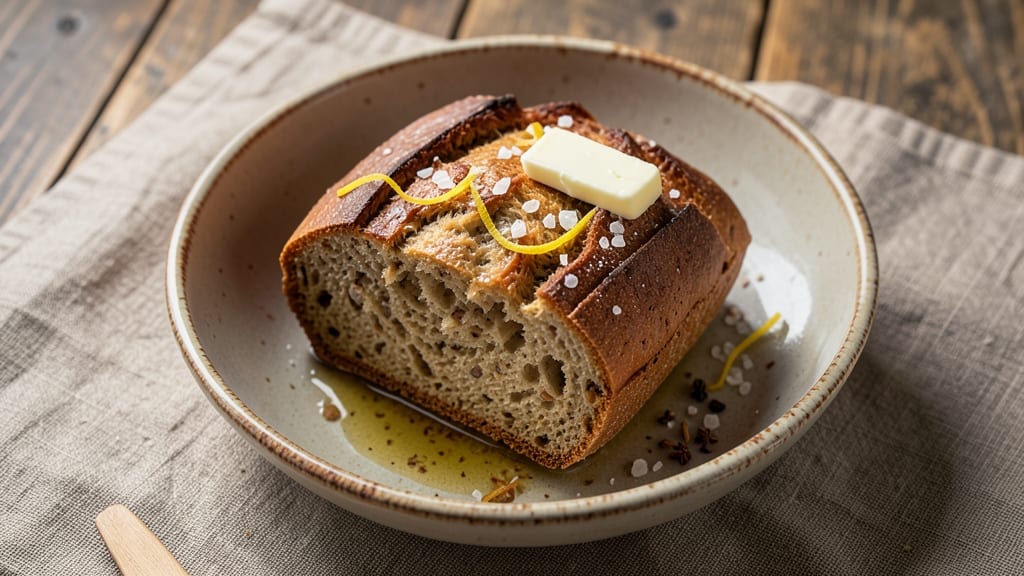
This active dry yeast whole wheat bread recipe delivers the perfect balance of nutty flavor and light, airy texture—no dense crumb in sight.
The secret lies in proper yeast activation and a strategic mix of whole wheat flour with bread flour for structure, ensuring a loaf that’s both wholesome and satisfying.
I’ve baked countless batches to perfect this method, and the results speak for themselves: a crisp golden crust with an open, tender crumb that’s ideal for sandwiches or toast.
What sets this recipe apart is the foolproof technique for handling whole wheat dough, which can be tricky due to its density. By combining active dry yeast with warm water (not hot—110°F is ideal) and allowing ample fermentation time, we create a dough that rises beautifully without sacrificing texture.
The kneading process is simplified, and proofing is monitored closely to guarantee a light, fluffy loaf every time. No more heavy, brick-like whole wheat bread—just rich flavor and satisfying bite.
The final loaf boasts a nutty, toasted crust that’s perfect for dipping in olive oil or butter, while the interior remains soft and open, with just the right amount of chew.
This recipe is designed for home bakers of all levels, with clear instructions for shaping, scoring, and baking to achieve professional results. Whether you’re feeding a family or treating yourself to homemade bread, this method ensures success without the guesswork.
For added versatility, consider mixing in seeds like flax or sunflower for extra crunch, or herbs like rosemary for a savory twist. Store the bread at room temperature for up to 3 days, or freeze for longer shelf life.
The possibilities are endless, but the foundation—light, flavorful, and foolproof—remains the same. Let’s get baking!
Ingredients for active dry yeast whole wheat bread
Four loaves of nutty, airy whole wheat bread start with these simple yet powerful ingredients.
| Ingredient | Amount | Notes |
|---|---|---|
| Active Dry Yeast 🍞 | ¼ oz | Freshly opened for best results |
| Whole Wheat Flour 🌾 | 3 cups | Unbleached preferred for nuttiness |
| Bread Flour 🌾 | 1 cup | For lighter texture and structure |
| Warm Water 💧 | 1 ¼ cups | 110°F for yeast activation |
| Granulated Sugar 🍚 | 1 tbsp | Feeds yeast for fermentation |
| Unsalted Butter 🧈 | ½ cup | Cold, cubed for easier mixing |
| Salt 🧂 | 1 ½ tsp | Diamond Crystal preferred |
| Honey 🍯 | 1 tbsp | Adds subtle sweetness and softness |
| Flaxseeds 🌰 | 2 tbsp | Optional for extra crunch |
| Sunflower Seeds 🌻 | 2 tbsp | Optional for nutty flavor |
| Egg 🥚 | 1 whole | Enhances dough elasticity |
| Olive Oil 🫒 | 1 tbsp | For dough shaping and crust |
The yeast is your secret weapon—Fleischmann's active dry yeast is my go-to because it activates reliably. If you're using whole wheat flour, King Arthur brand has the best texture for this recipe. The bread flour is key for structure; don't skip it—it's what keeps the loaf light despite the whole wheat. For the water, use a thermometer to hit 110°F—too hot and you'll kill the yeast, too cold and it won't activate. I always double-check the temperature because this is where most home bakers go wrong. The honey and sugar feed the yeast, but too much will make the crust too dark—stick to the amounts for that perfect golden-brown finish.
No flaxseeds? Chia seeds work just as well—they add the same crunch and omega-3s. Short on sunflower seeds? Pumpkin seeds or sesame seeds give a similar texture. The egg is optional if you're making a vegan version, but I find it adds that perfect chew to the crumb. If you're using a different brand of yeast, check the package—some require less because they're more potent. The butter should be cold; if it melts during mixing, chill the dough for 10 minutes before shaping. And if your kitchen is humid, reduce the water by a tablespoon to prevent a gummy dough.
This dough is best used fresh, but you can refrigerate it for up to 24 hours if you want to let it develop more flavor. For longer storage, wrap tightly in plastic and freeze for up to 3 months. When you're ready to bake, let it sit at room temperature for 1 hour before shaping. The crust stays crisp for 2 days at room temperature, but if you want to keep it fresh longer, slice and freeze the loaf. Toasting revives the texture perfectly—just pop it in the toaster or oven for 5 minutes at 350°F.
Why You'll Love This Recipe
- I bake two loaves every Sunday: one for toast, one for sandwiches. It freezes like a dream (just thaw overnight) and turns even the simplest lunch into something special. My kids grab it for school without complaint—proof it’s a winner.
- No-Fuss Mix-In: I swear by the 5-minute prep here—just toss the yeast, warm water, and sugar together, let it bubble, then fold in the flours. No stand mixer, no stress, just a bowl and a spoon. (Yes, even on a Tuesday night when I’m still in pajamas.)
- Nutty Earthy Crunch: That whole wheat flour gives it a satisfying bite, while the bread flour keeps it tender—like a hug from your favorite sourdough but with none of the fuss. Honestly, the first slice makes me pause mid-bite just to appreciate it.
- Meal Prep MVP: I bake two loaves every Sunday: one for toast, one for sandwiches. It freezes like a dream (just thaw overnight) and turns even the simplest lunch into something special. My kids grab it for school without complaint—proof it’s a winner.
Step-by-step instructions for artisan whole wheat bread
Let's create a loaf that balances whole grain nutrition with bakery-style texture—no dense crumb here!
Activate the Yeast and Mix the Dough
In a large bowl, combine the 1.25 cups warm water (around 110°F), 1 tbsp granulated sugar, and 0.25 oz active dry yeast. Let it sit for 5-10 minutes until frothy—this confirms your yeast is alive and ready to work. If it doesn't bubble, your yeast might be dead, and you'll need to start over.
In a separate bowl, whisk together the 3 cups whole wheat flour, 1 cup bread flour, 1.5 tsp salt, and 1 tbsp honey. Add the yeast mixture and mix with a wooden spoon until combined. The dough will be shaggy at first, but that's normal. Here's the thing—whole wheat dough absorbs moisture differently than white flour dough, so don't add extra water yet. We'll incorporate the remaining ingredients next.
Incorporate Fat and Egg for Elasticity
Cut the 0.5 cup unsalted butter into small cubes and add them to the dough. Use your hands or a dough hook attachment on low speed to work the butter into the dough until it's fully incorporated. The butter should be cold enough to resist melting completely—this creates pockets of steam during baking that give your bread that beautiful oven spring.
Add the 1 whole egg and 1 tbsp olive oil to the dough. Mix until the dough begins to come together. At this point, you'll need to use your hands. Turn the dough out onto a lightly floured surface and knead for 5-7 minutes until smooth and elastic. Whole wheat dough is stickier than white flour dough, so wet your hands slightly if needed to prevent sticking.
First Rise - Let the Dough Develop
Lightly oil a large bowl and place the dough inside. Cover with a damp kitchen towel or plastic wrap and let it rise in a warm place for 1-2 hours, or until it has roughly doubled in size. This first rise allows the gluten to develop fully, which is crucial for that light crumb you're after. I like to place my oven light on for 5 minutes to create a warm environment if my kitchen runs cool.
Here's where patience pays off: poke the dough gently with your finger. If it springs back slowly (not immediately) and leaves a slight indentation, it's ready. If it springs back quickly, give it another 30 minutes. Overproofing is easier to recover from than underproofing, but you don't want to go too far either.
Shape and Second Rise for Structure
Punch down the dough to release air, then divide it into 4 equal pieces (about 1 pound each). Shape each piece into a round boule by pulling the edges toward the center and sealing the seam. Place the shaped dough on a parchment-lined baking sheet, cover with a towel, and let rise again for 30-45 minutes until puffy. The second rise is shorter because we're shaping the dough after the first rise.
For extra flavor and texture, sprinkle the 2 tbsp flaxseeds and 2 tbsp sunflower seeds evenly over each boule before the final rise. This adds beautiful crunch and nutty depth to each bite. The seeds will toast slightly during baking, enhancing their flavor.
Bake to Golden Perfection
Preheat your oven to 375°F with a Dutch oven inside for 30 minutes. This creates steam, which is essential for that crisp crust and open crumb structure. Carefully transfer the boules to the hot Dutch oven, cover, and bake for 25 minutes. Remove the lid and bake for another 10-15 minutes until the crust is deep golden brown and sounds hollow when tapped on the bottom.
Let the bread cool on a wire rack for at least 30 minutes before slicing. I know it's tempting to cut into that warm loaf immediately, but resisting gives you that perfect crumb structure. The bread should have a crisp crust with a tender, open crumb that's lighter than traditional whole wheat bread. Store any leftovers wrapped in a bread bag at room temperature for up to 3 days, or freeze for longer storage.
Pro Tips For Making Active Dry Yeast Whole Wheat Bread
- Bloom the Yeast First: I learned this the hard way—skipping the quick yeast test means guessing if your dough will rise. Mix 1 teaspoon of yeast with ¼ cup warm water (110°F) and 1 teaspoon sugar, then wait 5-10 minutes for bubbles. If it’s flat? Toss it and start fresh—no one wants a brick for bread.
- Mix the Dough by Hand: Yes, even if you’re impatient like me. Whole wheat flour’s grittiness makes mixers struggle, and over-kneading turns the dough tough. Use a wooden spoon or your hands to fold the dough until it’s smooth but still slightly sticky—about 5 minutes. The gluten will develop just fine without overworking it.
- Skip the Extra Water: Whole wheat flour absorbs moisture like a sponge, but adding water to "fix" a sticky dough is a recipe for disaster. Measure your flour by weight (425g total for a standard loaf) and use the warm water called for—no more. If the dough feels too dry, let it rest 10 minutes; it’ll relax and absorb what it needs.
- Proof in a Warm Drawer: Your oven’s lightbulb drawer (or a turned-off oven with a bowl of boiling water) keeps dough cozy without baking it. Set the dough in a greased bowl, cover with a damp towel, and let it rise until it’s doubled—about 1-2 hours. This steady warmth beats a cold countertop every time for even rising.
Wine and beer pairings for this dish
Crisp Whites
This nutty whole wheat bread pairs beautifully with Sauvignon Blanc from New Zealand or France. The wine’s bright acidity and citrus notes cut through the bread’s richness, while its herbal undertones complement the seeds and whole wheat flavor.
I love a Cloudy Bay Sauvignon Blanc—its zesty grapefruit finish balances the bread’s earthiness perfectly. 🍷
Malty Beers
For beer lovers, an amber ale or wheat beer works wonders. The malty sweetness of a Blue Moon Belgian White or Allagash White enhances the bread’s caramelized crust, while the slight spiciness from coriander adds depth.
If you prefer darker beers, a honey brown ale like New Belgium Fat Tire brings out the bread’s nutty undertones without overpowering it.
Red Wine Contrasts
Surprisingly, a Pinot Noir from Oregon or Burgundy pairs well with this bread. The wine’s light body and red fruit flavors contrast nicely with the bread’s toasted crust, while its earthy notes echo the whole wheat’s nuttiness.
Look for a La Crema Pinot Noir—its bright acidity and cherry notes make it a refreshing match for sandwiches or toast.
Non-Alcoholic Options
Don’t drink alcohol? No problem. A sparkling apple cider like Martinelli’s adds a crisp, fruity contrast that cleanses the palate between bites. For something richer, try a chilled hibiscus iced tea—its tartness balances the bread’s sweetness, especially when topped with seeds.
Both options highlight the bread’s texture without competing for attention. 🍎
Nutrition facts
Frequently asked questions
Why does my whole wheat dough feel so sticky?
Whole wheat flour absorbs more moisture than white flour, making the dough naturally stickier. The solution? Wet your hands slightly when handling it, and avoid over-kneading. The recipe uses bread flour to balance this—it provides structure while keeping the texture light. If the dough feels too wet, add 1 tablespoon more flour at a time until it's just workable.
Can I substitute bread flour with all-purpose flour?
You can try, but expect a denser crumb. Bread flour has a higher protein content (12-14% vs. 10-12% in all-purpose), which gives the gluten more strength for that light texture. If you must substitute, reduce the bread flour by ¼ cup and add ¼ cup extra whole wheat flour to maintain flavor. The crust may be slightly less crisp, but the bread will still be tasty.
How do I know when the yeast is activated?
Look for bubbles forming on the surface and a frothy, foamy texture within 5-10 minutes of mixing with warm water. If nothing happens after 15 minutes, your yeast may be dead—try fresh yeast or check your water temperature (should be 110°F, not hotter). Cold water slows activation, while water over 120°F kills it instantly.
What if my dough doesn't rise the first time?
Don’t panic! Whole wheat dough often rises slower due to its density. First, check your yeast—it must be fresh. If the dough shows any rise after 2 hours, give it another 30-60 minutes. For future batches, try adding ½ teaspoon more sugar to feed the yeast, or place the dough in a warm oven with the light on (not preheated) to create a consistent 80°F environment.
Can I make this bread without seeds?
The seeds are optional and add texture, but they’re not essential. For a simpler version, skip them or replace with 1 teaspoon dried herbs (like rosemary or thyme) mixed into the dough. The flavor will still be rich and nutty—just without the crunch. If you love seeds, try sesame or pumpkin seeds instead for variety.