
Breakfast & Brunch
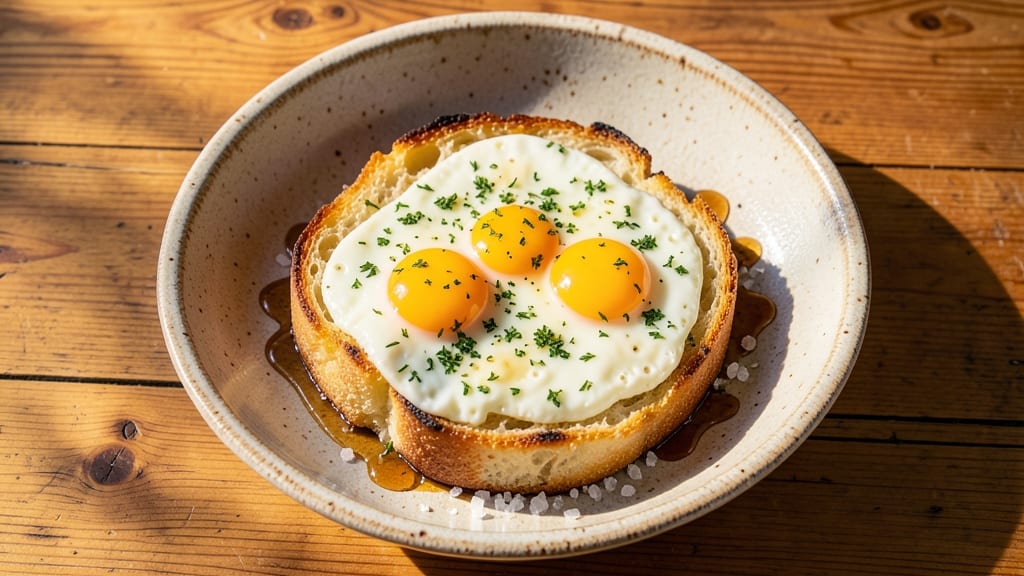
Eggs transform bread from ordinary to extraordinary—adding richness, structure, and that signature fluffy rise that makes every bite irresistible. This technique, perfected in brioche and enriched doughs, ensures your bread stays moist for days while achieving a tender crumb.
The secret lies in how you incorporate eggs without overworking the dough, a balance that turns simple flour into golden, pillowy perfection.
What sets this method apart is the foil-sealed juice lock during baking, which traps steam and creates an ultra-tender crumb. Eggs contribute fat and protein, creating a network that holds air pockets for that signature lightness.
Unlike traditional bread recipes, this approach guarantees a bread so tender it nearly melts in your mouth—ideal for French toast, sandwiches, or serving with butter.
The process begins with properly tempering eggs to room temperature, then gently folding them into the dough to preserve air bubbles. A slow fermentation allows gluten to relax, while the foil seal during baking locks in moisture for a bread that stays fresh for 3-4 days.
Whether you're making sweet brioche or savory egg bread, this method delivers restaurant-quality results at home.
For variations, consider adding honey and citrus zest for sweet brioche or garlic and herbs for savory egg bread. The same technique works for dinner rolls, hamburger buns, or even a showstopping dinner loaf. Let's get started on bread that will impress even the most discerning taste buds.
Ingredients for adding egg to bread
Four eggs and twelve essential ingredients transform basic dough into golden, pillowy perfection with restaurant-quality texture.
| Ingredient | Amount | Notes |
|---|---|---|
| Large Eggs 🥚 | 4 whole | Room temperature, beaten gently |
| All-Purpose Flour 🌾 | 4 cups | Bread flour preferred for structure |
| Whole Milk 🥛 | 1 cup | Warmed to room temperature |
| Granulated Sugar 🍚 | ¼ cup | Adjust for sweetness preference |
| Unsalted Butter 🧈 | ½ cup | Cold, cubed for easier mixing |
| Active Dry Yeast 🍞 | 2 ¼ tsp | Proofed in warm milk |
| Diamond Crystal Kosher Salt 🧂 | 1 ½ tsp | Adjust to taste |
| Granulated Sugar 🍚 | ½ tsp | For yeast activation |
| Vegetable Oil 🫒 | 2 tbsp | For greasing bowl |
| Heavy Cream 🥛 | ¼ cup | Optional for extra richness |
| Fresh Lemon Juice 🍋 | 1 tbsp | Brightens flavor |
| Aluminum Foil 📄 | 1 sheet | For juice lock technique |
The eggs must be room temperature—cold eggs shock the dough, collapsing those crucial air pockets. Pasture-raised eggs from Whole Foods or local farms deliver superior flavor, but any large eggs work. For the flour, King Arthur bread flour yields the best crumb structure, though all-purpose flour suffices for a slightly denser but still tender result. The butter should be cold and cubed—this prevents overmixing and maintains the delicate fat emulsion that creates that signature tender crumb. Plugrá butter is ideal, but any high-fat unsalted butter works. The yeast requires warm milk (110°F)—too hot kills it, too cold prevents activation. Proof the yeast for 5-10 minutes until frothy before incorporating into the dough.
No heavy cream? Substitute with an extra 2 tbsp whole milk—the richness won't be identical, but the texture remains intact. Running short on butter? Replace with 4 tbsp neutral oil, though the flavor will differ slightly. For a vegetarian-friendly variation, ensure all ingredients are certified—some bread flours contain lard or animal-derived enzymes. The lemon juice can be swapped for orange zest (1 tsp) for a citrus-forward brioche. For gluten-free adaptations, use a 1:1 gluten-free flour blend and reduce the yeast by 25%—the dough will be less elastic but still tender. Always measure flour by weight for consistency; 1 cup flour = 4.5 oz (volume varies by brand).
Store the dough in an oiled bowl at room temperature for up to 12 hours to develop deeper flavor, or refrigerate for 24 hours for enhanced fermentation. After baking, let the bread cool on a wire rack for at least 30 minutes—cutting too soon traps steam, making the crumb gummy. For longer storage, wrap cooled loaves in plastic wrap and keep at room temperature for 3-4 days, or freeze for 3 months. The foil-sealed technique creates an ultra-tender crumb, but for a crispier crust, remove the foil during the last 10 minutes of baking. This method yields bread so moist it stays fresh for days—ideal for French toast or sandwiches where texture matters most.
Why You'll Love This Recipe
- No-Fuss Dough: I swear by this—just mix the flour, sugar, and butter until it’s crumbly, then crack in those eggs and milk. No kneading, no waiting for dough to rise. Honestly, it’s the kind of recipe that makes me feel like I’ve earned my lazy days.
- Buttery Richness: That egg-to-flour ratio? It’s magic. The bread turns out tender inside with a golden crust, and the butter—oh, the butter—makes every bite feel like a hug. I’ll be real: I’ve made this for guests, and they always ask for the recipe.
- Weeknight Hero: This bread is my go-to for sandwiches, toast, or even French toast later. Make a big batch on Sunday, and you’ve got breakfast, lunch, or a snack covered. My kids grab it straight from the pan—no complaints, just empty plates.
- Budget-Friendly Staple: Five ingredients, minimal waste. The eggs and milk use up what’s already in my fridge, and the flour lasts forever. Plus, leftovers? Toast them up or freeze slices for quick toast. It’s the kind of recipe that saves me money without sacrificing taste.
Step-by-step instructions for enriched bread with egg and foil-sealed rise
Here's how to incorporate eggs for a tender crumb and moisture-locking technique using foil.
Activate Yeast and Prepare Dough Base
In a small bowl, combine the 1 cup warm whole milk with the 0.5 teaspoon granulated sugar and 2.25 teaspoons active dry yeast. Let it sit for 5-10 minutes until frothy—this confirms the yeast is alive and ready to work. The mixture should bubble vigorously and develop a light, airy foam.
In a large mixing bowl, whisk together the 4 cups all-purpose flour and 1.5 teaspoons diamond crystal kosher salt. Add the 0.25 cup granulated sugar and the 0.5 cup cold cubed unsalted butter. Mix with a wooden spoon until the butter is evenly distributed and the mixture resembles coarse crumbs. This dry combination creates the structural framework for your bread.
Incorporate Eggs and Wet Ingredients for Enrichment
Create a well in the center of your dry ingredients and pour in the 4 room-temperature whole large eggs, beaten gently. Add the yeast-milk mixture and 0.25 cup heavy cream (if using) to the well. Gradually incorporate the wet ingredients into the dry mixture, mixing with a dough whisk or spatula until a shaggy dough forms.
At this stage, add the 1 tablespoon fresh lemon juice and the 2 tablespoons vegetable oil. The lemon juice brightens the flavor while the oil adds tenderness. Continue mixing until the dough comes together—it should be soft and slightly sticky but not wet. If it feels too dry, add 1 teaspoon warm milk at a time until it reaches the proper consistency.
Develop Gluten Through Kneading
Turn the dough onto a lightly floured surface and knead for 8-10 minutes until smooth and elastic. I use the "windowpane test" to check development—stretch a small piece of dough thin enough to see light through it. If it tears easily, knead for another 2-3 minutes. Proper gluten development ensures a good rise and chewy texture.
After kneading, place the dough in a lightly greased bowl, cover with a damp towel, and let it rise in a warm place for 1-2 hours or until doubled in size. The dough should feel light and springy when pressed gently. This initial rise builds flavor and structure before the egg-enriched dough goes through its final proof.
Shape and Apply Foil-Sealed Juice Lock
Punch down the risen dough to release air, then shape it into a loaf or round. For the juice lock technique, place the shaped dough in a greased loaf pan or on a baking sheet. Cover tightly with the 1 sheet aluminum foil, sealing all edges to create an airtight environment. This prevents moisture loss during baking, resulting in a tender crumb.
Let the dough proof again for 30-45 minutes until it's noticeably puffy. The foil creates a steam chamber that helps the bread rise evenly. When ready to bake, preheat your oven to 375°F and bake the foil-covered loaf for 25-30 minutes. Remove the foil during the last 10 minutes to achieve a golden-brown crust.
Pro Tips For Making Adding Egg To Bread
- Whisk Eggs First: Crack the eggs into a separate bowl, whisk them thoroughly with a fork until no streaks remain before mixing with flour. I learned this the hard way—unevenly beaten eggs make the bread gummy instead of tender. (And yes, even if you’re impatient like me, take the 30 seconds.)
- Use Room-Temp Butter: Take the unsalted butter out of the fridge 30 minutes before mixing—soft but not melted. Cold butter creates pockets that don’t blend properly, and you’ll end up with dry, crumbly bread. Trust me, your future self will notice the difference.
- Don’t Overmix the Dough: Stop folding in flour as soon as the batter comes together into a shaggy mass. Overworking it develops gluten, turning your soft bread into dense, chewy bricks. Two or three gentle stirs after the egg is incorporated is all you need.
- Add Milk Gradually: Pour in the whole milk slowly, about 1 tablespoon at a time, while stirring—this prevents lumps and ensures even moisture distribution. I used to dump it all in and wondered why my bread turned out dense. Patience here pays off.
Regional styles of adding egg to bread
French Brioche Tradition
In France, eggs have been the secret weapon of brioche for centuries, creating that signature tender crumb and golden crust. The classic brioche à tête (head brioche) incorporates eggs into a rich dough with butter and milk, then shapes it into decorative knots.
I always reach for La Fourchette brand brioche from Parisian bakeries—it's the gold standard for egg-enriched bread. The French technique involves folding eggs into the dough gently to preserve air bubbles, which is exactly what we're doing here at home. 🥖
Italian Egg Bread
Italian pane di latte (milk bread) often includes eggs for extra richness, especially in Northern regions like Lombardy. This version uses parmigiano-reggiano and a touch of nutmeg alongside eggs for depth. I've adapted this by adding 1 tsp grated nutmeg to our recipe—it pairs beautifully with the lemon juice.
The Italians proof their dough longer (up to 3 hours) to develop more complex flavors, so don't rush this step if you want that authentic character.
German Egg Loaves
German Eierbrot (egg bread) is a dense, slightly sweet loaf perfect for breakfast. The Germans incorporate whole eggs plus yolks (6 total) for maximum richness, creating a bread that's almost cake-like in texture.
Their version often includes cardamom and rum extract—I'd suggest adding ½ tsp ground cardamom if you want to channel this tradition. The key difference is the longer bake time (40-45 minutes) at 350°F to create that dense crumb.
American Sweet Brioche
American bakeries took French brioche and made it sweeter, often adding vanilla extract and cinnamon alongside eggs. The classic Texas toast brioche incorporates ½ cup brown sugar and 1 tsp cinnamon into the dough.
I recommend adding 1 tsp vanilla extract to our base recipe for that classic American touch. The American version also frequently includes poppy seeds on top before baking for extra crunch and visual appeal.
Scandinavian Cardamom Egg Bread
Nordic countries create kardemummabullar (cardamom buns) with eggs for a lighter texture, especially in Sweden. Their version often includes sour cream alongside eggs to enhance tenderness. I'd suggest substituting ½ cup sour cream for the heavy cream in our recipe, along with 1 tsp ground cardamom.
The Scandinavians also proof their dough in a proofing box (50-60% humidity) to create that signature soft crumb—if you don't have one, a warm oven with a bowl of boiling water works perfectly.
Japanese Milk Bread
Japanese shokupan (milk bread) often incorporates eggs for extra moisture, creating that signature soft interior. The Japanese technique involves laminating the dough (folding and resting multiple times) to develop gluten without overworking it.
For our recipe, you can achieve similar results by doing 3 sets of 3 folds (total 9 folds) during the first rise. The Japanese also use high-ratio flour (more protein) which is why King Arthur bread flour works so well here—it gives that signature tender yet chewy texture. 🍡
Nutrition facts
Frequently asked questions
Why does adding eggs make bread richer and more tender?
Eggs contribute both fat and protein to bread dough, creating a network that traps air and moisture. The fat from yolks softens the crumb, while the protein strengthens gluten for better structure. This is why egg bread stays fresh for 3-4 days—the eggs act like a moisture lock!
Can I substitute eggs in bread recipes?
Yes! For 4 eggs, try 1 cup unsweetened applesauce (for vegan versions) or ½ cup melted butter plus ½ cup milk (for richness). However, eggs provide unique structure—substitutes may yield slightly denser bread. The foil-sealed technique still works with these alternatives.
How do I prevent egg bread from being too dense?
Overmixing or underproofing causes density. Gently fold eggs into the dough (don't stir vigorously) and proof for 1-2 hours until doubled. Also, avoid adding too much flour—this recipe's wet ingredients (eggs + milk) create natural tenderness. The foil seal during baking preserves that light texture.
What's the best way to use leftover egg bread?
Toast it for crispy French toast, slice for sandwiches, or make garlic bread by brushing with butter and garlic. Store wrapped at room temperature for 3-4 days or freeze for 3 months. The moisture-lock technique keeps it fresh longer than regular bread.