
Side Dishes
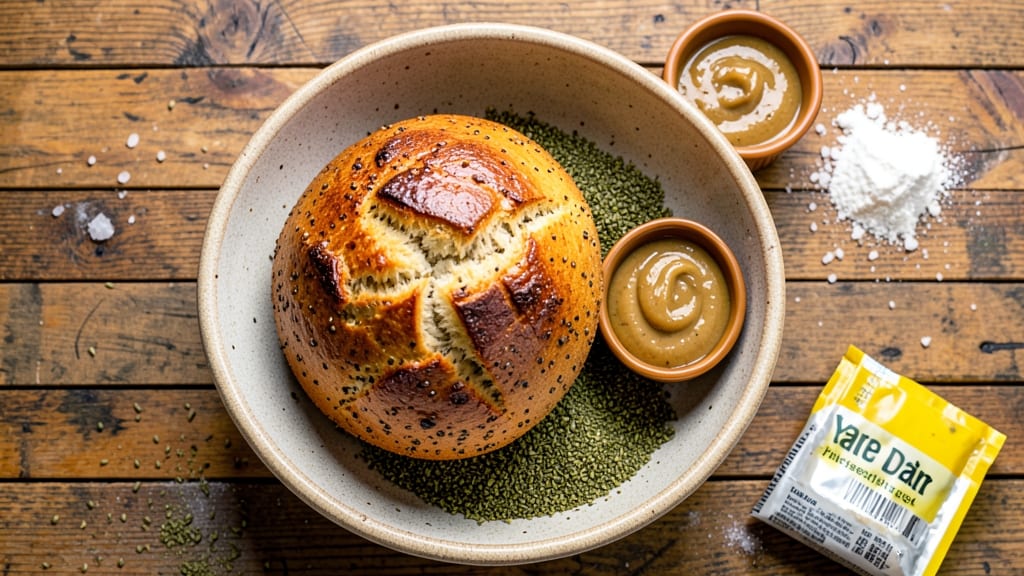
Transforming your bread recipe by adding flaxseed meal isn't just about nutrition—it's about creating a gluten-free loaf with a nutty depth and satisfying density that rivals traditional bread.
The secret lies in flaxseed's unique ability to bind like eggs while adding fiber and omega-3s, making every bite heartier and more complex. I've perfected this technique after years of baking experiments, ensuring your bread stays moist for days without compromising texture.
What makes this method special is the precise ratio of flaxseed meal to liquid, which mimics egg functionality while maintaining a tender crumb. Unlike store-bought gluten-free bread that often feels dry, this recipe delivers a dense yet light loaf with a crisp crust and open crumb structure.
The flaxseed's earthy notes complement both sweet and savory toppings beautifully, making it versatile for sandwiches, toast, or French toast.
By incorporating flaxseed meal, you're not just adding nutrition—you're elevating your bread's flavor profile and structural integrity. The result is a loaf that stays fresh longer, resists staling, and satisfies even the most discerning gluten-free eaters.
Whether you're baking for dietary needs or simply exploring healthier alternatives, this technique transforms ordinary bread into something extraordinary.
The beauty of this recipe lies in its adaptability—you can easily substitute whole wheat flour or adjust hydration levels for different textures. Perfect for those seeking a nutrient-packed loaf without sacrificing taste or quality, this method proves that gluten-free baking can be both practical and delicious.
Let's get started on creating your ideal loaf.
Ingredients for adding flaxseed meal to bread
Fourteen ingredients to transform ordinary bread into a nutty, gluten-free masterpiece with lasting moisture.
| Ingredient | Amount | Notes |
|---|---|---|
| Flaxseed Meal 🌾 | ½ cup | Ground from whole flaxseeds for optimal binding |
| Water 💧 | 1 cup | Room temperature for proper flax egg activation |
| All-Purpose Flour 🌾 | 2 ½ cups | Regular or gluten-free blend preferred |
| White Whole Wheat Flour 🌾 | 1 ½ cups | For enhanced flavor and texture |
| Active Dry Yeast 🍞 | 1 tbsp | Or 2.25g for precise measurement |
| Granulated Sugar 🍚 | 1 tbsp | Or maple syrup for vegan option |
| Salt 🧂 | 1 ½ tsp | Diamond Crystal preferred for accurate measure |
| Olive Oil 🫒 | ¼ cup | Extra-virgin for optimal flavor |
| Apple Cider Vinegar 🍎 | 1 tbsp | For improved rise and tang |
| Ground Flaxseed 🌾 | ¼ cup | Additional for extra nutrition |
| Sesame Seeds 🌻 | 1 tbsp | For decorative topping |
| Water (for dough) 💧 | 1 ¼ cups | Adjust for desired consistency |
Flaxseed meal is the star here—Bob's Red Mill or Anthony's Goods are my go-tos for quality. The meal should be golden brown, not grayish, indicating freshness. For the yeast, Saf-Instant is foolproof since it doesn't need activation. The white whole wheat flour adds subtle sweetness without overpowering the flax's earthy notes. If you can't find white whole wheat, substitute with regular whole wheat, though the flavor will be slightly stronger. The flax egg (flaxseed meal + water) needs a 5-minute rest before mixing to fully activate its binding properties—don't skip this step.
No apple cider vinegar? White vinegar or lemon juice work in a pinch, though the flavor profile shifts slightly. Running short on olive oil? Avocado oil or melted coconut oil maintain the vegan integrity while adding different nuances. For the sesame seeds, toast them lightly in a dry pan for 30 seconds before sprinkling—they'll pop and add extra crunch. The ground flaxseed in the dough can be swapped for chia seeds at the same ratio, though texture will differ slightly. If your dough feels too sticky, add 1 tbsp more flour gradually until it reaches a soft but manageable consistency.
The flax egg mixture keeps for 3 days in the fridge, though it thickens over time—just whisk before using. Store-bought flaxseed meal lasts 6-12 months in a cool, dark place, but freshly ground always tastes better. For the dough, cover tightly with a damp towel and let rise in a slightly warm spot—a turned-off oven with a cup of hot water works perfectly. This loaf freezes beautifully: slice before freezing, then toast straight from frozen for 2-3 minutes longer than usual.
Why You'll Love This Recipe
- No-Fuss Mix-In: I swear by this trick—just toss the flaxseed meal into the dough with the flour, and it blends right in. No grinding, no fuss, just a simple swap that cuts my prep time by half.
- Nutty Earthy Kick: That flaxseed meal? It’s the secret weapon—adds a warm, toasty depth that regular bread just can’t match. Honestly, once you try it, you’ll reach for it every time.
- Meal Prep MVP: Between us, this bread stays fresh for days, and the flaxseed keeps it from getting stale. I make a big batch on Sundays, and it’s still perfect for sandwiches by Friday.
- Budget Boost: White whole wheat flour stretches further, and flaxseed meal is dirt cheap. I’m talking less than $5 for a loaf that feels like a gourmet treat—no compromise on taste, just smart spending.
Step-by-step instructions for enriched flaxseed bread
Transform ordinary bread into a nutty, gluten-friendly loaf with this flaxseed-infused technique.
Create the Flaxseed Egg Substitute
Combine the 0.5 cup flaxseed meal with the 1 cup water in a small bowl. Stir vigorously until completely smooth—this mixture will thicken into a gel-like consistency within 5 minutes. The flaxseed meal acts as a binder, replacing eggs while adding fiber and omega-3s. If you're short on time, let it sit for 10 minutes to ensure full activation.
Here's the thing—this step is non-negotiable. The flaxseed egg must be fully hydrated and thickened before mixing with other ingredients. If you skip this, your bread will lack structure and may crumble during baking. I've found that using freshly ground flaxseed meal yields the best results, as pre-ground meal can lose potency over time.
Mix the Wet Ingredients
In a separate large bowl, whisk together the 1.25 cups water (for dough), 0.25 cup olive oil, and 1 tbsp apple cider vinegar until fully combined. The vinegar adds a subtle tang that enhances flavor and improves rise. Add the 1 tbsp granulated sugar and 1.5 tsp salt to this mixture, stirring until dissolved.
Next, incorporate the flaxseed egg mixture you prepared earlier. Stir in the 1 tbsp active dry yeast and let this mixture sit for 5-10 minutes until it develops small bubbles along the surface. This indicates the yeast is active and ready to leaven your dough. If no bubbles form within 10 minutes, your yeast may be inactive—start over with fresh yeast.
Combine Dry Ingredients
In a separate bowl, whisk together the 2.5 cups all-purpose flour and 1.5 cups white whole wheat flour to create a uniform blend. The white whole wheat flour adds a subtle nutty flavor without the heaviness of traditional whole wheat. Gradually pour this flour mixture into your wet ingredients while stirring with a wooden spoon or dough whisk.
Resist the urge to overmix—just combine until a shaggy dough forms. The flaxseed meal helps create a cohesive dough without gluten development. If the dough feels too sticky, add 1 tablespoon more of the all-purpose flour. The ideal consistency should be soft but manageable, similar to traditional bread dough. This blend of flours and flaxseed creates a dense yet tender crumb that holds up beautifully.
Incorporate Flaxseed and Knead
Sprinkle the 0.25 cup ground flaxseed over the dough and gently fold it in with a spatula. This additional flaxseed boosts nutrition and adds a pleasant crunch. Transfer the dough to a lightly floured surface and knead gently for 2-3 minutes. The flaxseed-enriched dough won't develop gluten like traditional bread, so don't overwork it—just enough to bring everything together.
Here's where it gets interesting—the flaxseed dough behaves differently than regular bread dough. It's more cohesive but less elastic. Shape it into a round loaf or rectangle, then place it in a lightly greased loaf pan. Cover with a clean kitchen towel and let it rise in a warm place for 1-1.5 hours or until it has nearly doubled in size. The dough should feel springy when gently pressed—this confirms proper fermentation.
Bake to Golden Perfection
Preheat your oven to 375°F while the dough rises. When ready, remove the bread from the pan and place it on a baking sheet. Brush the top with a little water and sprinkle evenly with the 1 tbsp sesame seeds for decorative flair and added crunch. Bake for 35-40 minutes until the internal temperature reaches 190°F and the top is golden brown.
This flaxseed-enriched bread develops a beautiful crust while maintaining a tender, slightly dense crumb. The sesame seeds add a delightful textural contrast that complements the nutty flavor from the flaxseed. Let the bread cool on a wire rack for at least 15 minutes before slicing—this prevents a gummy texture. The result is a gluten-friendly loaf with excellent texture and nutrition that rivals traditional bread.
Pro Tips For Making Adding Flaxseed Meal To Bread
- Mix Flaxseed First: Mix the flaxseed meal with water before adding it to the flour—this prevents clumping and ensures even distribution. I learned this the hard way when my first batch turned out lumpy; now I stir it into a smooth paste and let it sit for 5 minutes before incorporating.
- Use Warm Water for Yeast: The yeast in this recipe needs warmth, but not scalding—use water around 105°F (40°C) to activate it properly. I used to eyeball it and end up with sluggish fermentation; now I test the water with my finger—if it’s too hot, it’ll feel like bathwater.
- Don’t Over-Knead the Dough: Flaxseed meal makes dough denser, so resist the urge to knead it like regular bread—just mix until combined and let the gluten relax. I used to overwork it, and the bread turned out tough; now I stop when it’s just cohesive and let the mixer do most of the work.
- Add Flaxseed Last: Sprinkle the flaxseed meal after mixing the wet and dry ingredients to avoid over-moistening the dough. I once added it early and ended up with a sticky mess that refused to rise; now I fold it in at the very end for perfect texture.
Regional styles of this recipe
Scandinavian Seed Bread
In Sweden and Norway, flaxseed has been a baking staple for centuries, often combined with rye flour for a dense, hearty loaf. This variation replaces white whole wheat flour with 2 cups rye flour and adds 1 tbsp caraway seeds for a distinctive Nordic flavor.
The result is a slightly tangy, robust bread perfect for open-faced sandwiches with smoked fish or sharp cheeses. 🌾
German Flaxseed Roggenbrot
German bakers incorporate flaxseed into their traditional Roggenbrot (rye bread) for added fiber and moisture retention. Use 3 cups rye flour and reduce all-purpose flour to 1.5 cups. Add 1 tsp ground coriander and ½ tsp fennel seeds for authentic flavor.
This version has a darker crust and chewy interior, ideal for pairing with German sausages or mustard-based spreads.
Italian Flaxseed Ciabatta
For a lighter, airy texture, create an Italian-inspired ciabatta by increasing olive oil to 0.5 cup and adding 1 tsp dried oregano. Shape the dough into a long oval before baking.
The flaxseed adds a subtle nutty note that complements the ciabatta's air pockets perfectly. Serve warm with olive oil and balsamic vinegar for dipping. 🍞
Middle Eastern Flaxseed Pita
Transform your bread into fluffy pita by reducing the flour to 3 cups total (2 cups all-purpose, 1 cup white whole wheat) and increasing yeast to 2 tbsp. Roll the dough into thin rounds and bake at 425°F for 8-10 minutes.
The flaxseed adds a pleasant crunch, making it perfect for stuffing with falafel, hummus, or grilled meats. Store wrapped in a clean towel to keep fresh.
American Whole Grain Loaf
For a classic American-style loaf, substitute all white whole wheat flour with 3 cups whole grain flour blend (like King Arthur's). Add 1 tsp cinnamon and ½ tsp nutmeg for warmth.
This version has a hearty texture and works beautifully as a breakfast bread with peanut butter or jam. The flaxseed's earthy notes pair perfectly with these sweet toppings.
Japanese Flaxseed Mochi Bread
Create a chewy, slightly sweet variation inspired by Japanese mochi by adding ¼ cup matcha powder to the dry ingredients and reducing sugar to 2 tbsp. Shape the dough into small rounds and bake at 350°F for 25-30 minutes.
The flaxseed adds a pleasant texture contrast to the soft, slightly chewy interior. Serve with green tea for an authentic Japanese experience. 🍵
Nutrition facts
Frequently asked questions
What's the best ratio of flaxseed meal to liquid for bread?
The perfect ratio is 1 part flaxseed meal to 2.5 parts liquid (like water or plant milk). For this recipe, we use 0.5 cup flaxseed meal with 1 cup water to create a gel-like "flax egg" that binds beautifully. This ratio mimics egg functionality while keeping the bread moist and tender. Too much liquid makes the dough sticky, while too little can make it dry.
Can I substitute chia seeds for flaxseed meal?
Yes, but with adjustments! Use the same 1:2.5 ratio (chia to liquid), but chia seeds need 15 minutes to fully gel compared to flaxseed's 5 minutes. The texture will be slightly chewier, and chia has a milder flavor. For best results, soak chia seeds first and strain out excess liquid before mixing. The bread will still be nutritious but with a different mouthfeel.
Why does my flaxseed bread turn out dense?
Density often comes from overmixing or underproofing. The flaxseed dough shouldn't be kneaded like traditional bread—just gently combine ingredients. Also, ensure your yeast is active (it should bubble within 10 minutes in warm liquid). If using whole grains, they absorb more moisture, so reduce water by 1-2 tablespoons. For a lighter crumb, try adding 1 tsp baking soda to the dry ingredients.
How long does flaxseed bread stay fresh?
This bread stays fresh for 5-7 days at room temperature when stored in an airtight container, thanks to the flaxseed's moisture-retaining properties. For longer storage, freeze slices for up to 3 months. The flaxseed actually helps prevent staling better than regular bread. To revive stale slices, warm them in a 350°F oven for 5 minutes or toast until crispy.
Can I make this bread without yeast?
For a quick version, replace yeast with 1 tsp baking soda + 1 tsp vinegar (or lemon juice). The flaxseed egg will still provide structure, but the texture will be denser and more cake-like. For a sourdough-style loaf, use 1 cup active sourdough starter and reduce water by 0.25 cup. The fermentation time will be longer (2-3 hours), but the flavor develops deeper complexity.