
Side Dishes
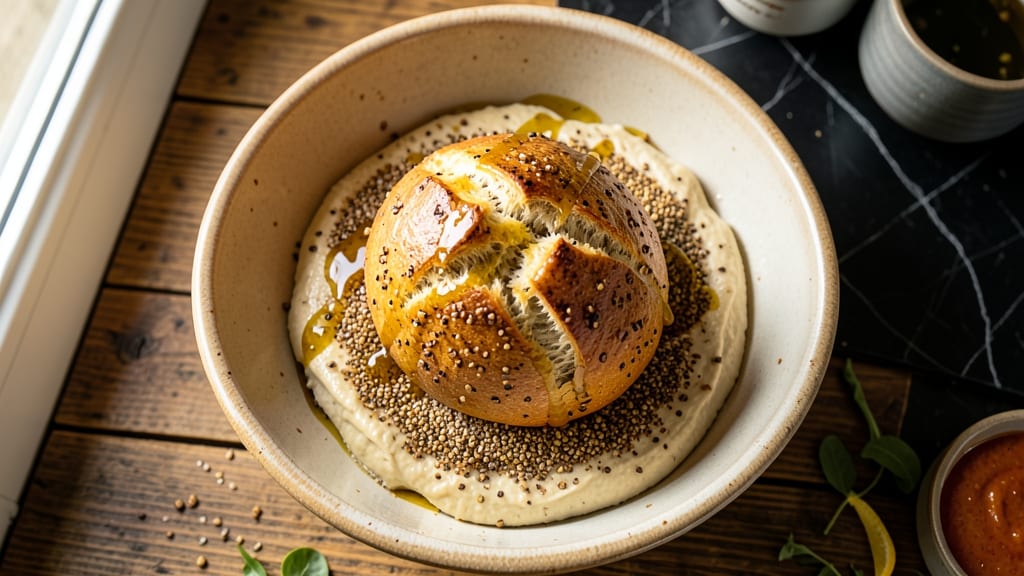
Adding spelt flour to your bread recipe transforms it with its nutty earthiness and delicate crumb structure, creating a loaf that’s lighter yet more flavorful than traditional wheat bread.
The lower gluten content means slightly less structure, but with the right adjustments—like increased hydration and longer fermentation—you’ll achieve a tender crust and open crumb that bakes up beautifully. I’ve perfected this technique after years of experimenting, and the results are worth the extra attention to detail.
The key to success with spelt flour lies in understanding its unique properties: it absorbs moisture differently and develops gluten more slowly than all-purpose flour. This means your dough will feel softer and stickier during mixing, but don’t let that deter you—it’s a sign the flour is working its magic.
A slightly longer fermentation (up to 2 hours at room temperature) allows the gluten to strengthen gradually, ensuring a well-structured loaf without dense heaviness.
What sets spelt bread apart is its complex flavor profile—earthy, slightly sweet, and subtly nutty—paired with a tender yet crisp crust. The crumb will be finer and more uniform than whole wheat bread, with a delicate texture that almost melts in your mouth.
This recipe balances spelt’s natural characteristics with traditional bread-making techniques, so you get the best of both worlds: rustic flavor and professional results.
Whether you’re baking a classic sandwich loaf, a crusty artisan bread, or a sweet dinner roll, spelt flour adds depth and character that’s hard to resist. The adjustments are minimal, and the payoff is a loaf that’s as impressive as it is delicious.
Let’s get started—your kitchen is about to smell like a European bakery.
Ingredients for adding spelt flour to bread
Spelt flour needs careful balancing—here’s how to make it shine in your loaf.
| Ingredient | Amount | Notes |
|---|---|---|
| Spelt Flour 🌾 | 3 cups | Stone-ground for optimal texture |
| All-Purpose Flour 🌾 | 1 cup | Balances spelt's lower gluten |
| Active Dry Yeast 🍞 | ½ tsp | Or 1 packet instant yeast |
| Warm Water 💧 | 1 ½ cups | 105-110°F for yeast activation |
| Extra-Virgin Olive Oil 🫒 | 2 tbsp | For tender crumb structure |
| Honey 🍯 | 1 tbsp | Enhances sweetness and browning |
| Sea Salt 🧂 | 1 ½ tsp | Diamond Crystal preferred |
| Whole Milk 🥛 | ¼ cup | Increases hydration for spelt |
| Egg 🥚 | 1 whole | Enriches texture and structure |
| Cornmeal 🌽 | ¼ cup | For crisp crust development |
| Ice Water ❄️ | ½ cup | Final dough adjustment |
The spelt flour is the star, so Bob’s Red Mill or King Arthur brands are your best bets—they’re stone-ground and maintain that nutty complexity. If you can’t find spelt flour, whole wheat pastry flour works in a pinch, but expect a denser crumb. The all-purpose flour isn’t just filler; it’s what gives your loaf that perfect balance of structure and tenderness. For the yeast, fresh is always better—test it in warm water with a pinch of sugar to see if it foams within 5 minutes. If it doesn’t, toss it and start over. The honey? Local raw honey adds depth, but any variety will work.
No spelt flour? Substitute with whole wheat flour at 1:1 ratio, but reduce the water by 2 tbsp to account for its higher absorption. Running short on milk? Greek yogurt or buttermilk adds richness and tang, though the texture will shift slightly. The egg is non-negotiable for structure—no substitutes here—but if you’re avoiding eggs, flax eggs (1 tbsp ground flax + 3 tbsp water) can work in a bind. For the olive oil, avocado oil is a neutral alternative, though it lacks the fruity notes that elevate spelt’s earthiness. And if you’re baking in a dry climate, add 1 extra tbsp of water to compensate.
This dough is a diva—it needs patience. Let it ferment at room temperature for 1.5 to 2 hours, until it’s nearly doubled in size. For best results, shape the loaf in the morning and bake in the afternoon; the slow rise enhances flavor. Store wrapped at room temperature for 2 days or freeze for up to 3 months. To reheat, wrap in a towel and warm in a 350°F oven for 10 minutes. The crust will crisp up beautifully, and the crumb? That’s where the magic happens—soft, airy, and packed with that nutty spelt goodness.
Why You'll Love This Recipe
- I swear by this combo: just toss spelt flour with all-purpose, a pinch of yeast, and warm water—no fancy equipment. The olive oil keeps it tender while the spelt adds that nutty depth without extra steps. Honestly, my dough comes together faster than my morning coffee.
- No-Fuss Mix-In: I swear by this combo: just toss spelt flour with all-purpose, a pinch of yeast, and warm water—no fancy equipment. The olive oil keeps it tender while the spelt adds that nutty depth without extra steps. Honestly, my dough comes together faster than my morning coffee.
- Nutty Crust, Soft Core: That spelt flour? It’s the MVP here—gives the crust a subtle toasty bite while the inside stays pillowy. I’ll be real: my kids don’t even notice the whole-grain swap, but I do. (Yes, even on a Tuesday night when I’m craving something actually interesting.)
- Weeknight & Picnic Star: This bread’s my go-to for sandwiches, toast, or even a quick charcuterie board. It freezes like a dream too—just thaw and toast. Between us, I’ve packed it for hikes, lunch dates, and lazy Sundays. It’s that reliable.
Step-by-step instructions for spelt flour bread
Here's how to transform spelt flour into a tender, nutty loaf with a light crust.
Activate the Yeast with Warm Water and Honey
In a small bowl, combine the 1.5 cups warm water (between 105-110°F) with the 1 tablespoon honey and 0.5 teaspoon active dry yeast. The water should feel pleasantly warm to your wrist—not hot enough to kill the yeast, but warm enough to wake it up. Let this mixture sit for 5-10 minutes until it becomes frothy and bubbly. You'll see tiny bubbles forming on the surface and a slightly sweet, yeasty aroma developing.
This activation step is critical—it ensures your yeast is alive and ready to work. If the mixture doesn't bubble after 10 minutes, your yeast may be dead or expired. In that case, start fresh with a new packet. The honey here serves a dual purpose: it feeds the yeast while adding subtle sweetness to balance spelt's earthy flavor.
Mix Wet Ingredients and Combine with Dry
In a large mixing bowl, whisk together the 2 tablespoons extra-virgin olive oil, 0.25 cup whole milk, 1 whole egg, and 1.5 teaspoons sea salt. Add the activated yeast mixture and stir until just combined. Now, gradually incorporate the 3 cups spelt flour and 1 cup all-purpose flour, mixing with a wooden spoon or dough whisk until a shaggy dough forms. The spelt flour will be heavier than all-purpose, so don't be surprised if the dough feels denser initially.
I like to use a dough whisk for this step—it helps distribute the spelt flour evenly without overdeveloping the gluten too early. The all-purpose flour in this blend acts as a bridge, compensating for spelt's lower gluten content while still delivering that signature nutty flavor. Once combined, the dough should be sticky but manageable, with a few dry spots remaining.
Knead the Dough Until Elastic
Turn the dough onto a lightly floured surface and knead for 8-10 minutes by hand, or use a stand mixer with a dough hook attachment for 5-6 minutes on medium speed. You're looking for a smooth, elastic dough that springs back slightly when poked. The spelt flour will make this dough slightly more resistant than traditional bread dough, so press firmly during kneading to develop the gluten properly.
Here's the thing—spelt dough can feel gummy at first, but don't add extra flour. The hydration from the milk and egg is essential for that tender crumb. If the dough sticks to your hands, wet them slightly with water instead. Once kneaded properly, the dough should pass the "windowpane test": stretch a small piece thin enough to see light through it without tearing.
First Rise and Shaping
Lightly oil a large bowl, place the dough inside, and cover with a damp kitchen towel. Let it rise in a warm place (like a turned-off oven with a bowl of hot water inside) for 1-1.5 hours, or until doubled in size. The spelt dough will rise more slowly than all-purpose flour dough, so be patient. You'll notice the dough puff up and develop a few small bubbles on the surface—this indicates active fermentation.
Once risen, gently punch down the dough to release air bubbles, then shape it into a round loaf or divide it into smaller portions for rolls. For a classic boules shape, create a taut surface by pulling the dough toward the center as you shape it. Sprinkle the 0.25 cup cornmeal on a baking sheet to prevent sticking, then place the shaped dough on top. Cover loosely with plastic wrap and let it rise again for 30-45 minutes until puffy.
Bake to Golden Perfection
Preheat your oven to 375°F with a Dutch oven inside for 30 minutes. Remove the Dutch oven and carefully transfer the dough (still on its cornmeal-dusted sheet) into the pot. The cornmeal helps create that beautiful crisp crust we're after. Bake covered for 30 minutes, then remove the lid and bake uncovered for an additional 15-20 minutes until the crust is deep golden brown and sounds hollow when tapped on the bottom.
Here's where the magic happens: the Dutch oven traps steam during the first phase, creating a tender crumb, while the uncovered bake develops that coveted crust. The spelt flour will give your bread a slightly denser texture than white bread but with a wonderful nutty depth. Let the bread cool on a wire rack for at least 30 minutes before slicing—this prevents a gummy interior and allows the flavors to fully develop.
Pro Tips For Making Adding Spelt Flour To Bread
- Mix the flours first: Spelt flour absorbs water differently than all-purpose, so combine them dry before adding liquids. I learned this the hard way—skipping it leads to a gummy, uneven dough that fights you every step.
- Use lukewarm water, not hot: Spelt flour needs yeast to activate properly, and water over 110°F (43°C) kills it instantly. Fill a measuring cup with warm water, let it sit for 5 minutes, then check—it should feel like a warm bath, not a sauna.
- Don’t over-knead: Spelt dough is stickier and weaker than regular wheat dough. Knead just until it passes the windowpane test (3-4 minutes by hand), or you’ll end up with a dense, chewy loaf that’s more brick than bread.
- Add olive oil last: Spelt flour’s natural oils can go rancid faster, so hold off until the dough comes together. A splash of extra-virgin olive oil at the end (about 1 tablespoon) keeps the crumb tender without overpowering the flavor—just don’t drown it.
Creative variations of this dish
Ancient Grain Fusion
Spelt flour isn’t just an ingredient—it’s a time machine. This ancient grain, dating back to Egyptian times, brings nutty, slightly sweet notes that elevate any bread.
I love blending it with whole wheat pastry flour (1:1 ratio) for extra depth, or even adding 10% rye flour for a darker, heartier loaf. The result? A bread that tastes like a cross between a rustic sourdough and a French baguette—complex and satisfying. 🌾
Sweet Variations
Why stop at savory? Swap the honey for maple syrup and add ½ cup chopped walnuts or sunflower seeds for texture. For a dessert loaf, fold in ¼ cup dried cranberries and 1 tsp cinnamon—the spelt’s earthiness pairs beautifully with tart fruits.
The key is reducing the yeast to ¼ tsp to prevent overproofing, since sweet doughs ferment faster. Trust me, your breakfast toast will never be the same.
Gluten-Friendly Adaptations
Spelt’s lower gluten content makes it a great base for lighter breads, but you can push it further. For a gluten-reduced version, replace ½ cup all-purpose flour with xanthan gum (½ tsp) to mimic gluten’s structure.
For a fully gluten-free twist, use a 1:1 spelt flour blend (like Bob’s Red Mill) and add 1 tsp psyllium husk powder per cup of flour. The texture won’t be identical, but it’s a game-changer for sensitive stomachs—just don’t expect the same chew.
Regional Twists
In Southern Italy, spelt bread often includes rosemary or fennel seeds for a fragrant twist. For a German-inspired loaf, add 1 tbsp caraway seeds and a pinch of cardamom—the anise notes cut through spelt’s earthiness beautifully.
In Scandinavia, a sprinkle of linseeds on top before baking adds a Nordic touch. Each region treats spelt differently, but the principle stays the same: balance its bold flavor with complementary herbs or spices.
Texture Experiments
Want a crispier crust? Brush the baked loaf with melted butter and sprinkle with coarse sea salt while still hot. For a softer crumb, increase hydration by 1 tbsp and let the dough rest 20 minutes after kneading.
I’ve even tried adding 1 tbsp vital wheat gluten to boost elasticity—it works, but the flavor shifts slightly toward traditional wheat. The beauty of spelt is its versatility; experiment to find your perfect balance. ✨
Nutrition facts
Frequently asked questions
Why does my spelt bread turn out denser than regular bread?
Spelt flour has lower gluten content than all-purpose flour, which means less structure in your loaf. To combat this, increase hydration slightly (add 1-2 extra tablespoons of water) and let the dough ferment longer (1.5-2 hours at room temperature). The extra time allows the gluten to develop gradually, resulting in a lighter crumb. Also, avoid over-kneading—spelt dough is more delicate than wheat dough.
Can I substitute spelt flour 1:1 for all-purpose flour in any recipe?
Not exactly! While you can replace up to 50% of all-purpose flour with spelt, it’s best to blend it with 20-30% all-purpose or bread flour for better structure. Spelt absorbs moisture differently, so reduce other liquids by 1-2 tablespoons per cup of spelt flour. For example, in a sandwich loaf, use 3 cups spelt + 1 cup all-purpose flour instead of all spelt.
How do I store spelt bread to keep it fresh longer?
Spelt bread has a slightly higher moisture content, so store it in an airtight container at room temperature for 2-3 days (longer than whole wheat bread). For extended storage, freeze the loaf wrapped in plastic and aluminum foil for up to 3 months. To revive, thaw overnight in the fridge and warm in a 350°F oven for 10 minutes wrapped in a towel—this restores the crust’s crispness.
What’s the best way to test if my spelt dough is ready for baking?
Use the poke test: Gently press two fingers into the dough. If the indentation springs back slowly (not immediately), it’s ready. For spelt, the dough should also feel light and airy with visible bubbles on the surface. If it’s still dense after 1.5 hours of rising, let it go another 30 minutes—spelt takes longer to proof than wheat flour due to its lower gluten content.
Can I add seeds or nuts to spelt bread without changing the texture?
Yes! For best results, add ½ cup chopped nuts/seeds (like walnuts or sunflower seeds) to the dough after the first rise. This prevents them from absorbing too much moisture during mixing. To maintain structure, reduce the water by 1 tablespoon per ½ cup of add-ins. For extra crunch, toast the seeds/nuts first—this enhances flavor and prevents sogginess in the baked loaf.