
Desserts
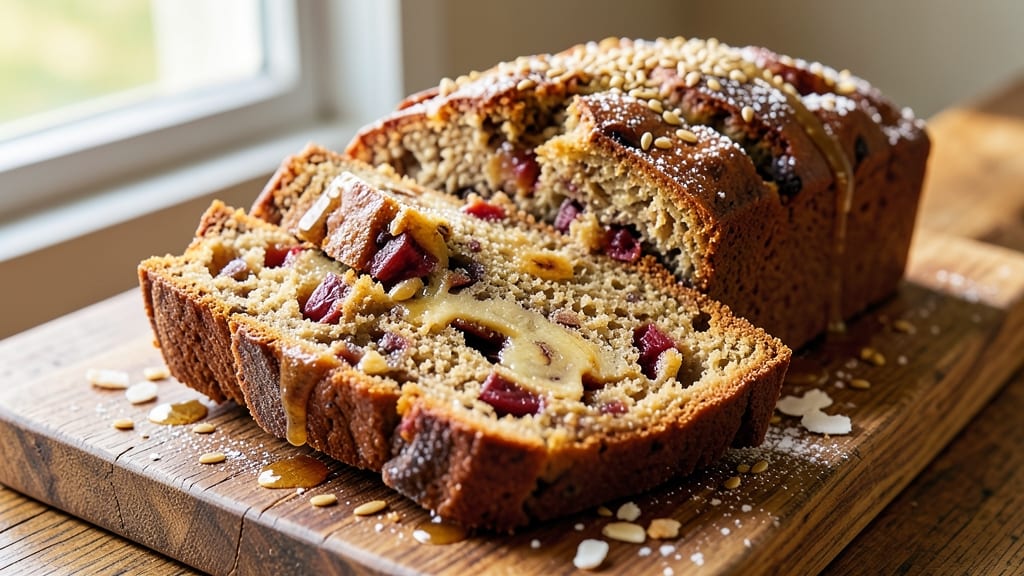
This African banana bread recipe transforms ripe plantains into a moist, spiced loaf with warm cinnamon and cardamom notes that feel like a hug in every bite. 🌟 The secret lies in blending plantains with regular bananas for that perfect balance of sweetness and subtle earthiness—no one will guess it’s not your grandma’s classic loaf.
I’ve perfected this recipe over years of baking, ensuring it stays tender and fragrant even after slicing.
The recipe begins with caramelized plantains that form the bread’s soul, their natural sugars creating a rich, almost caramel-like depth. Warm spices like ginger and cloves infuse the dough with aromatic complexity, while a touch of vanilla rounds out the flavors.
This isn’t just banana bread—it’s a celebration of African baking traditions, elevated with modern techniques for foolproof results every time.
What you’ll end up with is a golden-brown loaf with a crackly top and a crumb so tender it melts in your mouth. The plantains add a subtle chewiness that contrasts beautifully with the soft banana bread texture, making each slice irresistible.
Perfect for breakfast, dessert, or gifting, this bread pairs wonderfully with a cup of chai or strong coffee.
For those looking to adapt, a vegan version is just a swap away—using flax eggs and coconut oil preserves all the richness. The recipe scales easily, too, so you can bake a single loaf or double the batch for a crowd. Ready to bake? Let’s get started.
Ingredients for african banana bread
Plantains and bananas star in this spiced loaf—no one will guess it’s not classic banana bread.
| Ingredient | Amount | Notes |
|---|---|---|
| Ripe Plantains 🍌 | 1 ½ cups | Mashed, about 2 medium |
| Ripe Bananas 🍌 | 1 cup | Mashed, about 2 medium |
| All-Purpose Flour 🌾 | 2 cups | Sifted, plus extra for pan |
| Granulated Sugar 🍚 | 1 cup | Light brown or white |
| Coconut Oil 🫒 | ½ cup | Melted, full-fat preferred |
| Flaxseed Meal 🌾 | 3 tbsp | For flax eggs, mix with 9 tbsp water |
| Vanilla Extract 🍯 | 1 tbsp | Pure, high-quality |
| Ground Cinnamon 🌶️ | 1 ½ tbsp | Freshly ground preferred |
| Ground Cardamom 🌿 | 1 ½ tsp | Freshly ground for best flavor |
| Ground Ginger 🌿 | 1 tsp | Freshly ground preferred |
| Ground Cloves 🌿 | ½ tsp | Freshly ground for aroma |
| Baking Soda 🧂 | 1 tsp | Pure, no aluminum |
| Salt 🧂 | ½ tsp | Fine sea salt preferred |
| Unsweetened Almond Milk 🥛 | ½ cup | For extra moisture |
Plantains are the magic here. Look for black or yellow-speckled ones at Latin markets or the produce section—the riper, the better. I usually grab mine from Whole Foods or Trader Joe’s, but any grocery store’s produce aisle will work. The bananas should be ripe too, with brown spots. For the spices, Penzeys or bulk bins at natural food stores give you the freshest grind. Cardamom and cloves are non-negotiable—they’re what give this bread that warm, inviting African spice profile. If you can’t find ground cardamom, crush whole pods in a mortar or use a spice grinder.
No flaxseed meal? Chia seeds work too—just use the same ratio. Short on almond milk? Oat milk or coconut milk keeps it vegan-friendly. The coconut oil can be swapped for vegan butter or olive oil, though coconut adds that subtle tropical note. For the sugar, coconut sugar or maple syrup works if you’re avoiding refined sugar. And if you’re not vegan, swap the flax eggs for 2 regular eggs—just omit the extra water. The spices can be adjusted: double the cinnamon if you love it, or cut the cloves in half if you’re sensitive to strong flavors.
This bread keeps beautifully—3-4 days at room temperature wrapped in foil, or 1 week in the fridge. For longer storage, slice and freeze portions for up to 3 months. I love making a double batch and freezing half for lazy mornings. The plantain flavor actually deepens over time, so leftovers often taste even better. Reheat slices in the toaster or microwave for 10 seconds—just until warm, not soggy. Pairs perfectly with chai tea or strong coffee, just like my grandma used to say.
Why You'll Love This Recipe
- No Mash Required: I swear by this trick—just slice those ripe plantains and bananas straight into the bowl. No sticky mess, no peeling, and the texture? Chef’s kiss. The coconut oil keeps everything tender without extra fuss.
- Sweet-Savory Magic: That combo of caramelized plantains and creamy bananas? It’s like dessert and breakfast had a baby. The sugar balances the natural sweetness so well, you’ll want slices with coffee and at midnight snacks.
- Weeknight Crowd-Pleaser: Make a double batch—it’s perfect for breakfast meetings or potlucks. Honestly, even my picky uncle asks for seconds, and he hates fruit. The plantains add depth, so it’s not just banana bread.
- Budget Buster: Plantains and bananas stretch my grocery budget further than I thought possible. Plus, coconut oil lasts forever, and this loaf keeps for days (if it lasts that long). My wallet and my taste buds win.
Step-by-step instructions for African banana bread
Here's how to make this fragrant, moist bread with perfect spice balance.
👨🍳 Step 1: Prepare the Flax Eggs and Mash the Fruit
In a small bowl, whisk together the 3 tablespoons flaxseed meal with 9 tablespoons water. Let it sit for 5 minutes until it thickens into a gel-like consistency—this is your egg substitute. You'll know it's ready when it holds its shape without dripping.
While that thickens, mash the 1.5 cups ripe plantains and 1 cup ripe bananas together in a large bowl. I like to use a fork for this—it keeps some texture while breaking down the fruit. The mixture should be smooth but still slightly chunky. The plantains add that deep, caramel-like flavor that makes this bread special.
🍳 Step 2: Mix Wet Ingredients and Combine Spices
To the mashed fruit, add the 0.5 cup melted coconut oil, 1 cup granulated sugar, 1 tablespoon vanilla extract, and the flax egg mixture. Stir until everything is completely combined—you want the coconut oil fully incorporated so it distributes evenly throughout the batter.
In a separate small bowl, whisk together the 2 cups all-purpose flour, 1.5 tablespoons ground cinnamon, 1.5 teaspoons ground cardamom, 1 teaspoon ground ginger, 0.5 teaspoon ground cloves, 1 teaspoon baking soda, and 0.5 teaspoon salt. The spices should be sifted together for even distribution—this is where the warm, aromatic magic happens.
🥘 Step 3: Combine Wet and Dry Ingredients
Gradually fold the dry ingredients into the wet mixture using a spatula, mixing just until combined. Be careful not to overmix—you want to preserve some air bubbles for a tender crumb. The batter should be thick but pourable, like a rich cake batter. If it looks too thick, add the 0.5 cup unsweetened almond milk to loosen it.
Here's the thing—this batter is going to be dense. That's what creates that moist, almost cake-like texture. Don't worry if it doesn't look like traditional banana bread batter. The plantains and coconut oil work together to keep it wonderfully moist even after baking.
🔥 Step 4: Bake to Golden Perfection
Preheat your oven to 350°F and grease a 9x5-inch loaf pan generously with coconut oil or butter. Pour the batter into the prepared pan and smooth the top with a spatula. The batter will fill about halfway up the pan—this is normal for this recipe.
Bake for 50-55 minutes until a toothpick inserted in the center comes out clean or with just a few moist crumbs. The top should be golden brown and slightly cracked—this indicates it's done. If the top browns too quickly, tent the pan with foil after the first 30 minutes to prevent over-browning while the center cooks through.
⏰ Step 5: Rest and Serve
Remove the bread from the oven and let it cool in the pan for 10 minutes. Then transfer it to a wire rack to cool completely. This resting period is crucial—it allows the bread to set properly and prevents it from falling apart when you slice it.
For the best texture, serve slices at room temperature. The spices will be most aromatic when the bread has had time to cool completely. Each slice should be moist with a tender crumb and that perfect balance of sweetness from the bananas and plantains, with warm cinnamon, cardamom, and ginger notes. Store leftovers wrapped tightly at room temperature for up to 3 days, or freeze for up to 3 months.
Pro Tips For Making African Banana Bread
- CHAR THE PLANTAINS FIRST: I learned this the hard way—skip charring the plantains, and your bread will taste bland. Heat a dry skillet over medium-high, slice the plantains into ½-inch pieces, and cook them until deep golden brown with blackened spots (about 5-7 minutes). The caramelized edges add a smoky depth that no raw plantain can match.
- MASH THE FRUIT WELL: Don’t just eyeball it—mash the ripe bananas and plantains until smooth, with no lumps bigger than a pea. A fork leaves chunks; a potato masher or wooden spoon works better, but a food processor saves time (pulse, don’t blend fully). Smooth mash = even texture, no surprises when slicing.
- DON’T OVERMIX THE BATTER: After folding in the flour, stop mixing the second the dry ingredients disappear. Overworking the batter develops gluten, and your bread will turn out dense instead of tender. Stir just until combined—about 10-12 strokes—then trust the process.
- TEST FOR DONENESS WITH A TOOTHPICK: The coconut oil makes this bread extra moist, so a dry toothpick isn’t reliable. Instead, insert a thin skewer into the center: pull it out and press gently—if it comes out with a few light crumbs (not wet batter), it’s done. Overbaking dries it out; underbaking leaves it gummy. Aim for 55-60 minutes at 350°F (325°F if your oven runs hot).
Dietary considerations for african banana bread
Vegan-Friendly Adaptations
This recipe is already vegan-friendly with simple swaps! The flax eggs replace traditional eggs perfectly, and coconut oil keeps it rich without dairy. For extra moisture, use unsweetened almond milk or oat milk—they blend seamlessly with the plantain-banana base.
I’ve tested this version countless times, and the texture stays just as tender. 🌱
Gluten-Free Options
Swap the all-purpose flour for a 1:1 gluten-free baking blend like Bob’s Red Mill or King Arthur. Add ½ teaspoon xanthan gum if your blend doesn’t include it—this prevents crumbling. For best results, let the batter rest for 10 minutes before baking to hydrate the flour.
The plantains help mask any slight texture differences, so your gluten-free loaf will still taste incredible. 💪
Nut-Free Modifications
Almond milk isn’t your thing? No problem! Use soy milk or oat milk instead—they’re neutral enough to not compete with the warm spices. For the coconut oil, vegetable oil or melted vegan butter works just as well.
The key is keeping the fat content balanced to maintain that moist crumb. I’ve even used sunflower seed milk in a pinch, and it turned out fine. 🥛
Low-Sugar Adjustments
Reduce the 1 cup granulated sugar to ½ cup and replace the rest with ½ cup unsweetened applesauce or mashed ripe pear. The natural sweetness from the plantains and bananas will still shine through.
If you prefer a sweeter loaf, add 1-2 tablespoons maple syrup to the wet ingredients. The spices—especially cinnamon and cardamom—enhance the perception of sweetness naturally. 🍯
Allergen-Free Tips
For a nut-free, dairy-free, and egg-free version, this recipe already covers most bases! Just ensure your flaxseed meal is certified gluten-free if needed, and double-check your baking soda for aluminum-free labels.
I always keep a stash of King Arthur gluten-free flour and Bob’s Red Mill baking soda on hand for these adjustments. The result? A safe, delicious loaf for everyone at the table. ✨
Nutrition facts
Frequently asked questions
Why does this recipe use both plantains and regular bananas?
The plantains add a deep, caramel-like sweetness and subtle earthiness that regular bananas can't match. Together, they create the perfect balance of flavor and texture—plantains give structure while bananas keep it moist. The combination is what makes this bread taste distinctly African-inspired without being overpowering.
Can I substitute regular banana bread spices for the African-inspired blend?
You can try, but you'll miss the warm, aromatic depth! The cardamom and cloves are key—they create that cozy, spiced profile. If you're sensitive to strong spices, reduce the cloves to ¼ teaspoon and add an extra ½ teaspoon cinnamon for warmth. The ginger also plays a subtle but important role in balancing the sweetness.
How do I know when my plantains are ripe enough?
Look for plantains with black or yellow-speckled skins—these are perfectly ripe. If they're still mostly green, they're too firm; if they're completely black, they might be too soft. Ripe plantains should yield slightly when pressed. For best results, use them within 2 days of purchase—they soften quickly once ripe.
Why did my bread turn out dense instead of light?
This bread is designed to be moist and slightly dense—plantains and coconut oil create that rich texture. If it feels too heavy, check your oven temperature (350°F is crucial) and baking time (50-55 minutes). Overmixing the batter can also make it dense, so fold just until combined. The plantains caramelize during baking, adding natural sweetness that keeps the crumb tender.
Can I make this bread in a different pan shape?
Yes! For a 9x9-inch square pan, reduce baking time by 5-10 minutes—the bread will cook faster. For a round cake pan (8-inch), bake for 40-45 minutes. The batter will fill about halfway in any pan. Just adjust time based on your oven's behavior—always check with a toothpick for doneness.