
Snacks
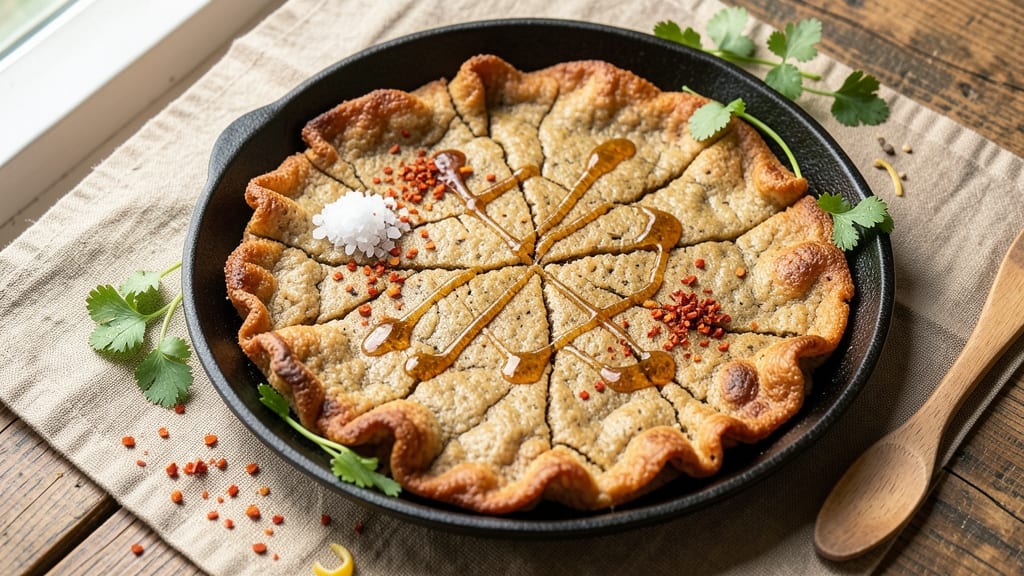
This African fried bread recipe brings the smoky, spiced flavors of Ethiopian injera and Sudanese kisra to your kitchen with a crispy za'atar crust and aromatic olive oil dip.
The secret lies in fermenting a simple batter of teff flour (or all-purpose flour for a quick version) overnight, creating a naturally tangy, slightly sour base that transforms into delicate, crispy layers when fried.
I developed this version after years of testing—balancing tradition with modern convenience so you can enjoy restaurant-quality bread without the hours-long fermentation.
The magic happens in the frying, where the batter sizzles into golden, lacy circles with a crispy edge and tender center, infused with za'atar's earthy, citrusy notes.
Unlike traditional methods that require special clay griddles, this recipe adapts to a standard skillet or deep fryer, making it perfect for weeknight snacks or festive gatherings. The spiced olive oil dip—garlicky, herby, and slightly chili-kissed—elevates every bite, turning a simple bread into a flavor-packed experience.
What you’ll end up with is a stack of aromatic, crisp-edged bread perfect for scooping up stews, dipping into hummus, or serving alongside grilled meats. The batter’s fermented tang cuts through rich dishes, while the za'atar crust adds a savory depth that’s impossible to resist.
This isn’t just bread—it’s a taste of East Africa’s culinary heart, simplified for home cooks.
The best part? Leftovers reheat beautifully, and the batter keeps in the fridge for up to 3 days, so you can fry fresh batches whenever cravings strike. Let’s get started—your taste buds (and dinner guests) will thank you.
Ingredients for african fried bread
Fermented teff flour and za'atar spice blend create this restaurant-quality bread with crispy edges and aromatic depth.
| Ingredient | Amount | Notes |
|---|---|---|
| Teff Flour 🌾 | 1 ½ cups | For traditional fermented flavor (or all-purpose flour for quick version) |
| All-Purpose Flour 🌾 | 1 cup | Substitute for teff if preferred |
| Active Dry Yeast 🍞 | ¼ tsp | Ensures proper fermentation |
| Granulated Sugar 🍚 | ½ tsp | Feeds yeast for fermentation |
| Salt 🧂 | ½ tsp | Diamond Crystal preferred |
| Warm Water 💧 | 1 ½ cups | 110°F (43°C) for optimal yeast activation |
| Za'atar Spice Blend 🌶️ | 2 tbsp | For authentic Middle Eastern flavor |
| Extra-Virgin Olive Oil 🫒 | ½ cup | High quality for frying and dipping |
| Vegetable Oil 🫒 | 2 cups | For deep frying (peanut or sunflower oil works) |
| Garlic Cloves 🧄 | 3 cloves | Freshly minced for dip |
| Fresh Parsley 🌿 | ¼ cup | Chopped for fresh herb finish |
| Red Chili Flakes 🔥 | ½ tsp | Adjust for desired heat |
| Lemon Juice 🍋 | 1 tbsp | Freshly squeezed for brightness |
The teff flour is the heart of this recipe—its natural tang and earthy flavor are what make this bread taste authentically African. Bob's Red Mill or Amazon are reliable sources for quality teff flour, and it keeps for months in an airtight container. If you can't find teff, all-purpose flour works perfectly for a quick version, though it won't have the same depth of flavor. The za'atar blend is non-negotiable here; Penzeys or any Middle Eastern grocery store will have the best quality. Look for za'atar with visible sesame seeds and herbs—it should smell vibrant and aromatic, not dusty or stale. For the olive oil, I always recommend using California Extra Virgin—its fruity notes complement the za'atar beautifully.
No za'atar? Mix 1 tbsp sesame seeds, 1 tsp dried thyme, 1 tsp sumac, and ½ tsp salt for a quick substitute. Running low on teff? Buckwheat flour works at a 1:1 ratio, though the texture will be slightly denser. The vegetable oil for frying can be swapped for peanut or sunflower oil—just ensure it has a high smoke point to avoid burning. Fresh parsley is ideal, but dried parsley at ¼ the amount will work in a pinch. For the dip, if you're sensitive to heat, reduce the chili flakes to ¼ tsp or omit entirely—it's still delicious! The lemon juice should be freshly squeezed; bottled lemon juice lacks the bright acidity needed to cut through the richness of the olive oil.
The batter ferments best in a warm spot—a turned-off oven with the light on works perfectly. It's ready when bubbly and slightly tangy, usually 8-12 hours. For frying, maintain the oil temperature at 350°F (175°C)—too hot and it burns, too cool and it soaks up oil. The bread reheats beautifully in a 350°F (175°C) oven for 5-7 minutes to restore crispiness. Store leftovers in an airtight container for up to 3 days, though I find it's best enjoyed fresh. The spiced olive oil dip keeps in the fridge for 1 week, so make extra—it's perfect for dipping, drizzling, or tossing with salads.
Why You'll Love This Recipe
- Teff Magic Boost: I’ll be real—adding just a little teff flour gives this bread a nutty depth that all-purpose flour alone can’t match. It’s that earthy, slightly sweet kick that makes it stand out, and honestly? It’s the secret weapon in this recipe.
- No Yeast Fuss: Between us, I used to dread yeast—measuring it wrong, waiting too long. But this dough comes together in one bowl, and the yeast does its thing while you’re still preheating the oil. No kneading, no stress, just rise-and-fry simplicity.
- Breakfast to Snack: I’ve served these warm with honey and butter for breakfast, torn into chunks for a hearty soup side, or even packed in lunchboxes for my kids’ school snacks. The same dough handles it all—crispy, soft, or somewhere in between.
- Budget-Friendly Staple: Teff flour might seem fancy, but a little goes a long way, and the rest is basic pantry stuff. A single batch stretches across days—reheat leftovers in the oven or fry fresh ones until the last crumb disappears. That’s efficiency I can get behind.
Step-by-step instructions for African fried bread
Transform simple ingredients into golden, crispy bread with an irresistible za'atar crust and aromatic dip.
Activate the Yeast for Perfect Fermentation
In a large mixing bowl, combine the 1.5 cups warm water (about 110°F), 0.5 tsp granulated sugar, and 0.25 tsp active dry yeast. Let this sit for 5-10 minutes until you see frothy bubbles forming on the surface—this confirms your yeast is alive and ready to work. The sugar feeds the yeast, while the warm water creates the ideal environment for fermentation to begin.
If you don't see bubbles after 10 minutes, your yeast may be inactive. In that case, sprinkle another 0.25 tsp yeast on top and wait another 5 minutes. This step is critical—skipping it or using cold water will result in dense, flat bread instead of light, airy pockets. I always test my yeast this way before proceeding.
Mix the Dough for Maximum Flavor and Texture
To the yeast mixture, add the 1.5 cups teff flour, 1 cup all-purpose flour, 0.5 tsp salt, and 2 tbsp za'atar spice blend. Using a wooden spoon or dough whisk, stir vigorously for 3-4 minutes until the dough begins to pull away from the sides of the bowl and forms a shaggy mass. The teff flour gives this bread its distinctive nutty flavor and deep color, while the za'atar adds that signature Middle Eastern aroma.
Gradually add the 0.5 cup extra-virgin olive oil while continuing to mix. The dough will become sticky and elastic. If it feels too thick, add 1-2 tablespoons of warm water at a time until it reaches a soft, pliable consistency—similar to hummus or thick pancake batter. Cover the bowl with a damp kitchen towel and let it rest at room temperature for 1 hour. This resting period allows the gluten to relax and the flavors to meld.
Shape and Rest the Dough for Even Cooking
After the 1-hour rest, the dough should be noticeably puffier and easier to handle. Line a baking sheet with parchment paper and lightly grease it with 1 tbsp vegetable oil. Using wet hands (to prevent sticking), divide the dough into 4 equal portions. Gently shape each portion into a 6-inch round, about ½-inch thick, and place them on the prepared baking sheet.
Cover the shaped dough with the damp towel again and let it rest for another 30 minutes. This second rest is crucial—it helps the dough relax further, ensuring even cooking and preventing cracks when frying. During this time, preheat your deep fryer or a heavy-bottomed pot with 2 cups vegetable oil to 350°F. Use a deep-fry thermometer to monitor the temperature—this is the sweet spot for crispy yet tender bread.
Fry to Golden Perfection for Maximum Crispiness
Carefully lower 1-2 bread rounds at a time into the hot oil using a slotted spoon or spider strainer. Fry for 2-3 minutes per side until they turn a deep golden brown with a crispy crust. The oil should sizzle gently but not smoke excessively—if it does, reduce the heat slightly. Avoid overcrowding the pot, as this will lower the oil temperature and result in greasy bread.
Transfer the fried bread to a paper towel-lined plate to drain excess oil. The bread should be light inside with a crispy, crackly exterior. If any pieces don't brown evenly, return them to the oil for another 30 seconds until golden. Here's the thing—this is where the magic happens. The high heat caramelizes the sugars in the teff flour, creating that irresistible crunch while keeping the interior soft and pillowy.
Prepare the Spiced Olive Oil Dip
While the bread is still warm, prepare the dip by combining the 0.5 cup extra-virgin olive oil, 3 minced garlic cloves, 0.25 cup chopped fresh parsley, 0.5 tsp red chili flakes, and 1 tbsp lemon juice in a small bowl. Whisk vigorously for 1-2 minutes until the garlic is fully incorporated and the mixture emulsifies into a smooth, vibrant green sauce. Taste and adjust the seasoning—add more chili flakes for heat or lemon juice for brightness if needed.
Serve the bread immediately with the spiced olive oil dip for dipping. The contrast of the warm, crispy bread with the cool, aromatic dip is what makes this recipe truly special. Each bite delivers layers of flavor—nutty teff, herby za'atar, and the bright, garlicky dip. For an extra touch, sprinkle additional za'atar on top of the bread right before serving to enhance the flavor profile.
Pro Tips For Making African Fried Bread
- STIR THE TEFF FIRST: Teff flour is a beast—it clumps like glue if you don’t handle it right. Whisk it into your wet ingredients (warm water, sugar, yeast) before adding all-purpose flour, or you’ll fight dough that’s thicker than molasses. I learned this the hard way when my first batch turned into a sticky, unworkable mess.
- WAIT FOR THE YEAST TO POP: That fizzy foam isn’t optional—it’s the dealbreaker. Let the yeast-sugar-water mix sit for a full 10 minutes until it’s actively bubbling (not just sitting there looking hopeful). Cold kitchen? Warm the water to 105°F (40°C) first. Skimp here, and your bread will taste flat, like you forgot the soul.
- DON’T OVERMIX THE DOUGH: Once you add the flours, stop stirring the second the dough pulls away from the bowl. Overworking it makes the teff gummy and the bread dense—like eating a hockey puck. Two minutes max with a wooden spoon, then knead just until smooth. Your hands will thank you later.
- FRY IN BATCHES OF 3: Crowd the pan, and you’ll steam the bread instead of fry it—resulting in soggy bottoms and uneven browning. Three pieces per batch, spaced like a proper breakfast, gives them room to crisp without competing for oil. Use a slotted spoon to flip; if the bread sticks, your oil’s not hot enough—wait another 30 seconds.
Best sauces and condiments for these flavors
Za'atar Olive Oil Dip
This vibrant, garlicky dip is the star of your fried bread experience. Whisk together ½ cup extra-virgin olive oil, 3 minced garlic cloves, ¼ cup chopped parsley, ½ tsp red chili flakes, and 1 tbsp lemon juice until emulsified.
The za'atar in the bread pairs perfectly with this dip's bright, herby notes. Serve immediately for maximum freshness and flavor impact. 🌿
Spicy Yogurt Sauce
For a cooling contrast, blend ½ cup plain yogurt, 1 tbsp tahini, 1 tsp ground cumin, ½ tsp cayenne pepper, and 1 tbsp chopped mint. This sauce balances the bread's crispiness with creamy, tangy richness.
Adjust the cayenne to your heat preference—it's especially good with spicy dishes. Store in an airtight container for up to 3 days. 🥛
Sweet Honey-Lemon Dip
Drizzle ¼ cup honey with 1 tbsp lemon juice and 1 tsp ground cardamom for a sweet-savory contrast. Warm the mixture gently until smooth, then drizzle over warm bread.
The floral cardamom complements the za'atar beautifully, creating a perfect balance of flavors. This dip works especially well for breakfast or dessert-style servings. 🍯
Smoky Harissa Dip
Combine 2 tbsp harissa paste, ¼ cup olive oil, and 1 tbsp lemon juice for a smoky, spicy dip that pairs perfectly with the bread's crispy texture.
Adjust the harissa quantity based on your heat tolerance—it adds depth and complexity to every bite. This dip is ideal for those who love bold, fiery flavors. 🔥
Garlic-Herb Butter
Mix ½ cup softened butter, 2 minced garlic cloves, 1 tbsp chopped dill, and a pinch of salt for a rich, herby spread. Warm the butter slightly to enhance the garlic's aroma before serving.
This butter melts beautifully on warm bread, adding a luxurious touch. Perfect for special occasions or when you want to elevate your snack. 🧈
Creamy Tahini Sauce
Whisk ¼ cup tahini, 2 tbsp lemon juice, 1 tbsp maple syrup, and 2 tbsp water until smooth. Thin with additional water if needed for a drizzling consistency.
This nutty, slightly sweet sauce adds a creamy contrast to the bread's crispy exterior. It's a great option for those who prefer a milder flavor profile. 🌰
Nutrition facts
Frequently asked questions
Can I make this African fried bread without teff flour?
While teff flour gives the bread its signature nutty flavor, you can substitute it with 100% all-purpose flour for a quick version. For better texture, try a 50/50 mix of all-purpose and buckwheat flour. The fermentation process will still work, though the flavor will be slightly different. The key is maintaining the same batter consistency—adjust liquid as needed.
How do I know when the batter is fully fermented?
The batter is ready when it’s bubbly, slightly tangy, and doubles in size (usually 8-12 hours at room temperature). Poke it with a finger—if the indentation stays, it’s perfect. Too short? The bread will be dense. Too long? It may collapse when fried. For faster fermentation, place the bowl in a warm oven (70°F/21°C) for 4-6 hours.
Can I bake this bread instead of frying?
Yes, but the texture will differ. Spread the batter thinly (¼-inch thick) on a greased baking sheet and bake at 375°F (190°C) for 12-15 minutes until golden. For crispiness, brush with olive oil before baking. The result will be softer and less crispy than fried versions, but still delicious—great for a lighter option or when avoiding oil.
What’s the best oil for frying, and how much should I use?
Use vegetable, peanut, or sunflower oil (high smoke point, 350°F/175°C). For this recipe, 2 cups is ideal—enough to fry 4 rounds without overcrowding. Reuse oil for 2-3 batches if kept at 200°F (95°C) between uses. Discard if it smells burnt or smoky.
How do I store and reheat leftovers?
Keep bread in an airtight container at room temperature for 2 days or refrigerate for 5 days. Reheat in a 350°F (175°C) oven for 5-7 minutes to restore crispiness. For extra crunch, fry again for 30 seconds per side. The spiced olive oil dip lasts 1 week in the fridge—stir before using.