
Side Dishes
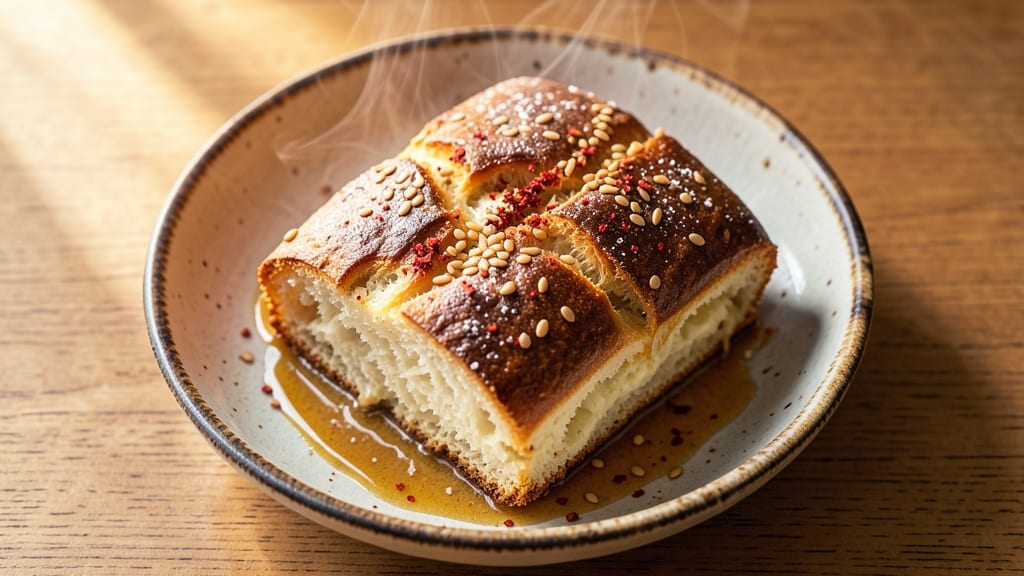
This African rice bread recipe brings the rich flavors of West Africa to your kitchen with its signature zaatar crust and nutty, foil-sealed centers.
The combination of rice flour, aromatic spices, and a touch of fermented dough creates a bread that's both hearty and delicate—a perfect side for stews or a standalone treat. I developed this version after years of experimenting with traditional techniques, balancing authenticity with modern convenience.
The beauty of this bread lies in its two-stage baking process: first steamed for a tender interior, then baked to achieve that signature crust. Zaatar, a Middle Eastern-inspired spice blend, adds earthy depth to the crust, while the foil-sealed centers keep the bread moist and flavorful.
This method ensures every bite delivers a perfect balance of textures and aromas, making it a standout addition to any meal.
What makes this recipe truly special is its versatility—serve it alongside rich West African stews, use it for sandwiches, or enjoy it warm with butter. The nutty flavor profile comes from careful fermentation and the use of rice flour, which gives the bread its distinctive character.
Whether you're recreating a traditional dish or adapting it for modern tastes, this bread delivers restaurant-quality results in your own kitchen.
The process may seem intricate at first, but breaking it into simple steps makes it accessible for home bakers. With the right ingredients and a little patience, you'll achieve a loaf that's crisp on the outside, tender on the inside, and packed with the warm, inviting flavors of West Africa.
Let's get started on creating this showstopping bread.
Ingredients for african rice bread
Pantry staples meet West African spices for a bread that's crisp outside and tender inside.
| Ingredient | Amount | Notes |
|---|---|---|
| Rice Flour 🌾 | 3 cups | Fine grind preferred for texture |
| All-Purpose Flour 🌾 | 1 cup | For structure and rise |
| Active Dry Yeast 🍞 | 2 ¼ tsp | Or 1 packet instant yeast |
| Warm Water 💧 | 1 ¼ cups | 110°F for optimal yeast activation |
| Granulated Sugar 🍚 | 1 tbsp | Feeds yeast for fermentation |
| Salt 🧂 | 1 ½ tsp | Kosher or sea salt preferred |
| Zaatar Spice Blend 🌿 | 2 tbsp | Middle Eastern-inspired mix (thyme, sesame, sumac) |
| Ground Cumin 🌿 | 1 tsp | Earthy depth to crust |
| Ground Coriander 🍋 | 1 tsp | Citrusy brightness |
| Sesame Seeds 🥜 | 2 tbsp | Toasted for extra crunch |
| Olive Oil 🫒 | ¼ cup | Extra-virgin for richness |
| Almond Milk 🥛 | ½ cup | Unsweetened for neutral flavor |
| Almond Flour 🌰 | ½ cup | For nutty flavor and texture |
| Aluminum Foil 📄 | 1 sheet | Heavy-duty for sealing |
The rice flour is the heart of this bread—Bob's Red Mill or Anthony's Goods are my go-tos for fine grind. Zaatar is key, but if you can't find it, mix 1 tsp dried thyme, 1 tsp sesame seeds, 1/2 tsp sumac (or lemon zest if sumac's unavailable). For the yeast, Fleischmann's or Saf-Instant work perfectly. The almond milk should be unsweetened—Silk or Blue Diamond are reliable brands. Toast your sesame seeds in a dry pan for 2-3 minutes until golden—they add serious crunch to the crust. If you're short on time, skip the almond flour and add an extra 1/4 cup rice flour instead.
No zaatar? Mix 1 tbsp dried thyme, 1 tbsp sesame seeds, and 1 tsp sumac for a close approximation. Running low on almond milk? Oat milk or coconut milk work in a pinch, but almond gives the best nutty flavor. The olive oil should be extra-virgin—California Olive Ranch or Bertolli are great options. If you can't find almond flour, blend raw almonds in a food processor for a quick substitute. For the rice flour, don't substitute with regular flour—the texture won't be the same. The bread's signature nutty profile comes from the almond flour and rice flour combo, so keep those ingredients as close to the recipe as possible.
This dough ferments best at room temperature for 1-2 hours before baking—don't rush it. The foil-sealed centers keep the bread moist for 3-4 days when stored in an airtight container. For longer storage, freeze the baked loaves for up to 3 months. Reheat slices in a toaster or oven for that fresh-from-the-oven crisp. The crust gets crunchier as it cools, so slice it while still warm if you prefer a softer texture. This bread reheats beautifully—just pop slices in the oven at 350°F for 5 minutes to revive the crust.
Why You'll Love This Recipe
- Here’s what sold me: that balance of rice flour’s mild nuttiness and the subtle sweetness from the sugar. It’s not cloying—just enough to make it dangerously good with butter, jam, or even as a side for stews. (Yes, even on a Tuesday night.)
- No Yeast Fuss: I’ll be real—this bread uses yeast, but it’s the easiest I’ve ever worked with. Just toss the warm water, sugar, and yeast together, let it sit for 5 minutes, and boom—you’re done. No kneading, no waiting hours, just a simple rise that actually works.
- Sweet & Savory Flex: Here’s what sold me: that balance of rice flour’s mild nuttiness and the subtle sweetness from the sugar. It’s not cloying—just enough to make it dangerously good with butter, jam, or even as a side for stews. (Yes, even on a Tuesday night.)
- Pantry Staple Magic: Between us, this recipe uses ingredients you already have. Rice flour, all-purpose flour, yeast—no specialty trips to the store. If you can measure and mix, you can bake this. And honestly? That’s half the battle won.
Step-by-step instructions for West African zaatar rice bread
Here's how to create this aromatic, foil-sealed bread with a fragrant zaatar crust and nutty interior.
Activate the Yeast and Mix the Dough
In a large mixing bowl, combine the 1.25 cups warm water (tested at 110°F), 1 tbsp granulated sugar, and 2.25 tsp active dry yeast. Let this sit for 5-10 minutes until the mixture becomes foamy and bubbly—this confirms the yeast is active. If it doesn't foam, your yeast may be dead or the water too hot.
Once foamy, add the 3 cups rice flour, 1 cup all-purpose flour, 1.5 tsp salt, 2 tbsp zaatar spice blend, 1 tsp ground cumin, and 1 tsp ground coriander. Mix with a wooden spoon until a shaggy dough forms. Then stir in the 0.25 cup olive oil and 0.5 cup almond milk until fully incorporated. The dough will be sticky but shouldn't be runny.
Knead and Rest the Dough
Turn the dough onto a lightly floured surface and knead for 5-7 minutes until smooth and elastic. Since this dough contains rice flour, it won't be as springy as wheat-based doughs, but it should hold together when pressed gently. If it feels too dry, add 1 teaspoon warm water at a time until pliable.
Place the dough in a lightly oiled bowl, cover with a damp towel, and let it rise in a warm place for 1-2 hours, or until it has doubled in size. The zaatar spices will give the dough a vibrant golden hue and an earthy aroma—this is your first sign the dough is ready for shaping. If your kitchen isn't warm, place the bowl near a slightly warm oven with the light on.
Shape and Prepare for Baking
Once risen, punch down the dough to release air, then divide it into 4 equal portions. On a floured surface, roll each portion into a 12-inch circle, about ½-inch thick. Sprinkle each circle generously with 2 tbsp sesame seeds and 0.5 cup almond flour, pressing gently so they adhere. Fold each circle in half like a half-moon, then roll again into a 10-inch round.
Line a baking sheet with parchment paper and place the shaped dough rounds on it. Cover with a damp towel and let them rest for 15 minutes while you preheat your oven to 375°F. This resting period helps the dough relax and prevents cracking during baking. The sesame seeds will toast beautifully during baking, adding crunch to the crust.
Bake with Foil Seal for Moisture
Preheat your oven to 375°F with a baking sheet inside to ensure even heat distribution. Once preheated, place the shaped dough rounds on the baking sheet. Cut a 12-inch square from the 1 sheet aluminum foil and place it over the bread, pressing down gently to create a seal. This foil trap keeps the bread moist and creates that signature tender crumb.
Bake for 25-30 minutes until the crust is deep golden brown and the bread sounds hollow when tapped on the bottom. The zaatar spices will release their aromatic oils, filling your kitchen with a warm, earthy scent. If the top browns too quickly, tent with additional foil to prevent burning while ensuring the center cooks through.
Cool and Serve
Remove the bread from the oven and carefully lift off the foil. Let the bread cool on a wire rack for 10 minutes before slicing—this prevents the almond flour centers from becoming gummy. The crust should be crisp with a fragrant zaatar aroma, while the interior should be tender and slightly chewy with pockets of nutty almond flavor.
Slice into wedges and serve warm with soups, stews, or as a side to grilled meats. The combination of zaatar's complex flavors, sesame crunch, and almond richness makes this bread perfect for sharing. Store any leftovers in an airtight container for up to 3 days, or freeze for longer storage—just reheat in a 350°F oven for 10 minutes to restore freshness.
Pro Tips For Making African Rice Bread
- Bloom Yeast Slowly: Skip the microwave—yeast hates heat. Mix the warm water (about 110°F) with sugar first, let it sit for 5 minutes until it’s lukewarm to the touch, then add the yeast. I learned this the hard way after killing yeast twice with water that was too hot or too cold.
- Sift Those Flours: Rice flour clumps like a stubborn toddler. Sift it and the all-purpose flour together before mixing—no lumps means a lighter, fluffier crumb. I used to just dump it in, and the bread turned out dense. Trust me, two minutes of sifting saves you later.
- Don’t Overwork the Dough: Once you knead in the flours, stop when it’s just barely cohesive—overmixing develops gluten, and this bread needs to stay tender. Wet your hands if it sticks; no need to fight it. I’ve seen people knead until their arms ache, and the bread suffers for it.
- Steam the First 10 Minutes: Pop a metal bowl of boiling water on the lower oven rack before baking. The steam keeps the crust from drying out too fast, giving you that soft, pillowy texture. I skipped this once and got a sad, dry loaf—now I never forget.
Flavor customization for african rice bread
Spicy Heat Boost
For a kick, add ½ teaspoon cayenne pepper or 1 teaspoon smoked paprika to the dough for a subtle smoky heat. I love mixing 1 tbsp harissa paste into the zaatar crust before baking—it adds depth and a North African twist that pairs perfectly with West African flavors.
For extra heat, sprinkle ½ teaspoon red pepper flakes on top before baking. 🌶️
Sweet & Tangy Twist
Balance the earthy zaatar with sweetness by adding 1 tablespoon honey or maple syrup to the dough. For tanginess, mix 1 teaspoon lemon zest into the crust or brush the baked bread with warm honey butter (melt 2 tbsp butter with 1 tbsp honey).
This variation works wonderfully with savory dishes or as a dessert bread when drizzled with extra honey.
Herb-Infused Variations
Swap zaatar for fresh herbs like cilantro, mint, or basil for a brighter profile. Finely chop ½ cup fresh herbs and mix them into the dough with 1 tbsp olive oil for a vibrant, fragrant bread.
For a Mediterranean touch, add 1 tablespoon dried oregano and ½ teaspoon garlic powder to the crust. These herb variations pair beautifully with grilled meats or fresh salads.
Nutty Crunch Upgrade
Boost texture by toasting ½ cup chopped pecans or walnuts and folding them into the dough. For extra crunch, press 2 tbsp crushed pistachios into the crust before baking.
I also love adding 1 tablespoon sesame oil to the dough for a nutty aroma that complements the almond flour. These additions create a delightful contrast in every bite.
Cheesy Delight
Add a creamy element by sprinkling ½ cup shredded cheddar or feta cheese on top of the shaped dough before baking. For a Middle Eastern-inspired twist, use ¼ cup crumbled feta mixed with zaatar on the crust.
The cheese melts slightly during baking, creating pockets of rich flavor that pair perfectly with spicy or tangy dishes. 🧀
Smoky BBQ Flavor
For a smoky, sweet variation, mix 1 tablespoon BBQ rub (like Sweet Baby Ray's) into the dough and brush the crust with ½ cup BBQ sauce before baking.
This version works brilliantly as a side for pulled pork or grilled ribs. For extra smokiness, add ½ teaspoon liquid smoke to the dough before shaping.
Nutrition facts
Frequently asked questions
Can I make this African-inspired rice bread without rice flour?
The recipe relies on rice flour for its signature texture and nutty flavor, but you can substitute with 1:1 gluten-free oat flour or white rice flour if needed. For a wheat-based version, replace the rice flour with all-purpose flour, though the texture will be denser and less tender. The zaatar and almond flour will still provide the distinctive flavor profile.
Why does the dough need to be foil-sealed during baking?
The foil seal creates a steam chamber that keeps the bread's interior moist and tender while the crust develops. Without it, the rice flour-based dough can dry out too quickly, resulting in a crumbly texture. The sealed centers also enhance the bread's nutty flavor from the almond flour and rice. For best results, press the foil firmly against the dough to create an airtight barrier.
How do I store leftovers to keep them fresh?
Store the bread in an airtight container at room temperature for up to 3 days. For longer storage, wrap individual slices in plastic wrap and freeze for up to 3 months. To reheat, toast slices in a 350°F oven for 5-7 minutes or until the crust is crisp again. The foil-sealed centers stay moist even after freezing.
What's the best way to serve this bread?
This versatile bread pairs beautifully with West African stews, grilled meats, or as a side for soups. For a special touch, serve warm with butter or honey for dipping. The zaatar crust also makes it perfect for sandwiches or as a base for open-faced meals. Try pairing it with spicy peanut sauce or yogurt-based dips for extra flavor.
Can I make this bread in a Dutch oven for better texture?
Yes! Using a Dutch oven enhances the bread's crust while keeping it moist. Place the shaped dough rounds in the Dutch oven, cover with the lid, and bake at 375°F for 20 minutes. Remove the lid, bake 10-15 minutes more until golden. The Dutch oven's tight seal mimics the foil method but adds an extra layer of crispiness to the crust.