
Desserts
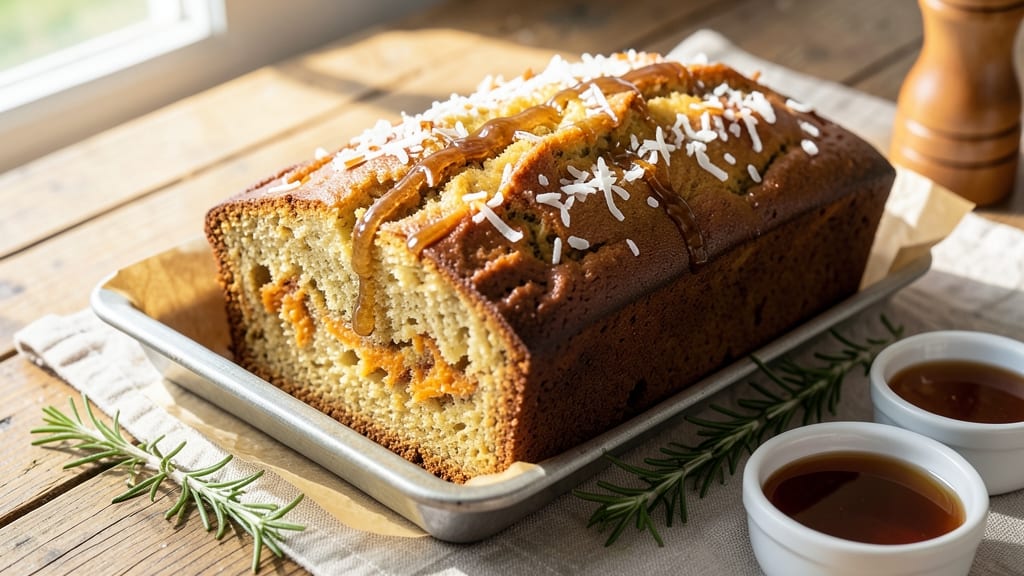
This AIP pumpkin bread recipe delivers all the cozy, spiced warmth of traditional pumpkin bread—but without grains, dairy, or processed sweeteners. The secret lies in almond flour and coconut sugar, which create a tender, moist crumb that stays fresh for days.
I developed this version after struggling to find a truly compliant recipe that didn’t sacrifice texture or flavor, and it’s now a staple in my autoimmune-friendly baking rotation.
The foundation starts with pumpkin puree (not canned—fresh or pure canned works best) blended with almond flour and coconut oil for structure and richness. A touch of cinnamon, ginger, and cloves provides that classic pumpkin spice warmth, while vanilla extract and maple syrup add depth.
Unlike many AIP desserts that turn dry, this bread stays tender and slightly dense, almost like a cross between bread and cake.
Baking at 350°F for 45-50 minutes ensures a golden top with a perfectly set interior—no soggy centers here. The key to moisture retention is wrapping the loaf in foil after 30 minutes, which prevents over-browning while keeping the crumb soft.
Once cooled, each slice reveals a spiced, velvety texture that pairs beautifully with a dollop of coconut whipped cream or a cup of herbal tea.
This recipe is designed for strict AIP compliance, but it’s also naturally vegan-friendly and free from cross-contamination risks. Whether you’re baking for dietary needs or simply craving a healthier take on pumpkin bread, this version proves you don’t need traditional ingredients to achieve restaurant-quality results.
Let’s get to the mixing bowl!
Ingredients for aip pumpkin bread
Almond flour and coconut sugar create a tender, moist crumb without grains or dairy.
| Ingredient | Amount | Notes |
|---|---|---|
| Canned Pumpkin Puree 🎃 | 1 ½ cups | Pure canned, no spices or sugar added |
| Almond Flour 🌰 | 2 cups | Finely ground, blanched preferred |
| Coconut Sugar 🌴 | ¾ cup | Finely ground for even distribution |
| Coconut Oil 🥥 | ½ cup | Melted, not solid, for proper texture |
| Pure Maple Syrup 🍁 | ¼ cup | Grade B preferred for depth of flavor |
| Pure Vanilla Extract 🌿 | 1 tbsp | Alcohol-free if preferred |
| Ground Cinnamon 🌶️ | 2 tsp | Freshly ground for optimal aroma |
| Ground Ginger 🌿 | 1 tsp | Freshly ground for maximum potency |
| Ground Cloves 🌶️ | ½ tsp | Freshly ground, sparingly used |
| Sea Salt 🧂 | ½ tsp | Fine grain for even distribution |
| Baking Soda 🧪 | 1 tsp | Pure, aluminum-free |
| Apple Cider Vinegar 🍎 | 1 tbsp | Unfiltered for tangy depth |
| Filtered Water 💧 | ¼ cup | Room temperature for proper activation |
The almond flour is the backbone of this recipe—Bob’s Red Mill or Anthony’s Goods brands provide the finest grind for optimal texture. Look for blanched almond flour specifically, as it yields a lighter crumb. Coconut sugar should be finely ground; pulse it in a food processor if your brand has large crystals. For the pumpkin puree, Libby’s 100% pure pumpkin (no spices added) is my go-to, but any canned puree without additives works. Coconut oil must be melted—Virgins brand is my preferred choice for its high quality, but any organic brand will suffice. The maple syrup should be Grade B for its deeper, caramel-like flavor profile, which enhances the bread’s richness without overpowering the spices.
No coconut sugar? Pure date syrup or monk fruit sweetener work as substitutes, though the texture may vary slightly. Almond flour unavailable? Tapioca starch or cassava flour can replace up to 50% of the almond flour, but the crumb will be denser. Vanilla extract can be omitted if you prefer, but the vanilla bean seeds scraped from a pod add an extra layer of complexity. For the spices, McCormick’s or Frontier Co-op brands are reliable, but freshly ground spices from a spice grinder elevate the flavor significantly. The apple cider vinegar acts as a natural leavener—ensure it’s unfiltered for the best tang. If you’re avoiding vinegar entirely, lemon juice at the same quantity works well.
This bread stays moist for 5-7 days when stored in an airtight container at room temperature, though the texture will firm up slightly. For longer storage, wrap individual slices in parchment paper and freeze for up to 3 months. Reheat slices in a 350°F oven for 5-10 minutes to restore moisture. The coconut oil in the batter can solidify if left at room temperature for extended periods, so store any unused batter in the fridge for up to 1 week or the freezer for 3 months. For best results, bake immediately after mixing—this bread doesn’t improve with resting.
Why You'll Love This Recipe
- No Mixer Needed: The almond flour and coconut oil blend together in seconds with a fork—no stand mixer, no stress. Honestly, I’ve made this while chatting on the phone because it’s that simple.
- Warm Spice Without Guilt: That cozy pumpkin flavor? It’s all from the canned puree and maple syrup, but the coconut sugar keeps it sweet without the blood sugar crash. (Yes, even on a Tuesday night.)
- Breakfast or Snack Fix: Slice it thick for a hearty breakfast with a dollop of coconut yogurt, or pack it for lunch—it stays fresh for days. Here’s what sold me: it’s my go-to when I forget to plan.
- Budget-Friendly Pantry Staples: Almond flour and canned pumpkin are my secret weapon for avoiding pricey ingredients. I’ve made this twice with the same bag of flour, and it’s always spot-on.
Step-by-step instructions for AIP pumpkin bread
This method delivers a perfectly moist, spice-forward loaf every time—no grains or dairy required.
Preheat and Prepare the Loaf Pan
Preheat your oven to 350°F and line an 8x4-inch loaf pan with parchment paper, allowing the ends to overhang for easy removal. Lightly grease the paper with coconut oil using a pastry brush to prevent sticking. The paper ensures even baking while the oil creates a non-stick barrier that works beautifully with almond flour.
Place the prepared pan on the middle rack. This central position guarantees even heat distribution throughout the baking process. I've found that almond flour-based batters benefit from consistent heat circulation to avoid dry edges or underbaked centers.
Combine Wet Ingredients for Maximum Moisture
In a large mixing bowl, whisk together the 1.5 cups canned pumpkin puree, 0.5 cup melted coconut oil, 0.25 cup pure maple syrup, and 1 tbsp apple cider vinegar until completely smooth. The vinegar acts as a natural leavener that reacts with the baking soda to create lift, while the pumpkin puree provides natural moisture that prevents dryness.
Add the 1 tbsp pure vanilla extract and stir gently. The vanilla not only enhances flavor but also contributes to the bread's rich aroma. Let this mixture sit for 5 minutes at room temperature—this brief rest allows the ingredients to begin melding together, creating a more cohesive batter.
Mix Dry Ingredients and Combine
In a separate bowl, sift together the 2 cups almond flour, 0.75 cup coconut sugar, 2 tsp ground cinnamon, 1 tsp ground ginger, 0.5 tsp ground cloves, 0.5 tsp sea salt, and 1 tsp baking soda. The sifting ensures even distribution of the spices and baking soda, which is critical for consistent rise and flavor throughout the loaf.
Make a well in the center of the dry ingredients and pour in the wet mixture. Using a spatula, gently fold everything together until just combined—you should still see some dry flour streaks. Overmixing develops gluten, which we want to avoid since we're using almond flour instead of traditional wheat flour. The batter should be thick but pourable.
Bake Until Golden and Springy
Pour the batter into the prepared loaf pan and smooth the top with a spatula. Bake for 45-50 minutes until a toothpick inserted in the center comes out clean and the top is deep golden brown. The bread is done when it springs back slightly when pressed in the center—this indicates proper moisture retention.
I recommend checking for doneness at the 40-minute mark since ovens vary. If the top browns too quickly, tent loosely with foil to prevent over-browning while allowing the center to cook through. The internal temperature should reach 205°F for perfect texture.
Cool and Serve for Optimal Texture
Remove the bread from the oven and let it cool in the pan for 10 minutes before transferring to a wire rack to cool completely. This gradual cooling prevents cracking and allows the moisture to distribute evenly throughout the loaf. The bread will firm up slightly as it cools but will remain wonderfully moist.
Slice when completely cool for clean cuts. Each slice should be dense yet tender with a perfect balance of sweetness from the maple syrup and warm spices. Store wrapped at room temperature for up to 3 days or refrigerate for up to 1 week for maximum freshness.
Pro Tips For Making Aip Pumpkin Bread
- MEASURE FLUIDS FIRST: I learned this the hard way—almond flour is finicky. Weigh your coconut oil and maple syrup in grams or milliliters before adding them to the dry mix. Scooping directly from the jar packs in air, which makes your bread dense and gummy. Use a kitchen scale for the oil (it’s less messy) and a liquid measuring cup for the syrup.
- WHISK ALMOND FLOUR WET: Skip the dry mixing. After combining pumpkin puree and coconut sugar, pour in the coconut oil and maple syrup, then immediately whisk in the almond flour. This prevents clumping and ensures even distribution—no one likes lumps in their bread. Work fast; the batter thickens quickly.
- BAKE UNTIL 205°F: Your bread is done when the internal temp hits 205°F, not when the top looks golden. Almond flour bread continues cooking after you pull it out, so pull it at 195°F and tent with foil. If you wait for the toothpick test, you’ll end up with a dry, crumbly loaf—trust the thermometer.
- SWAP COCONUT SUGAR FOR MAPLE: Running low on coconut sugar? Use pure maple syrup in a 1:1 ratio, but reduce it by 10% to account for moisture. I was skeptical until I tried it—it adds subtle depth and keeps the bread moist longer. Just don’t overmix after adding it, or you’ll lose air.
Storing and reheating this aip pumpkin bread
Room-Temp Storage
Wrap your baked loaf tightly in parchment paper or beeswax wrap (AIP-compliant) and store at room temperature in an airtight container for up to 5 days.
The coconut oil and almond flour combination keeps it moist longer than traditional bread, though the texture will firm up slightly after the first day. I like to store it in a glass container with a silicone lid—it preserves freshness better than plastic and is fully AIP-safe. 🌰
Refrigerator Refresh
For longer freshness, refrigerate wrapped slices in the fridge for up to 1 week. To revive stale slices, wrap them in a damp paper towel and microwave for 15-20 seconds—the steam restores moisture without making them soggy.
I often do this for breakfast slices, adding a sprinkle of ground cinnamon before reheating for extra warmth. 💫
Freezer Prep
Slice the bread before freezing for individual portions—wrap each slice in parchment paper, then place in a freezer bag with all air removed. This method prevents freezer burn and keeps slices separate for easy grab-and-go convenience.
Frozen slices maintain quality for 3 months—just thaw at room temperature for 30 minutes before serving. 🧊
Oven Revival
For the best texture recovery, reheat slices in a preheated 350°F oven for 5-8 minutes on a wire rack. This method crisps the edges slightly while keeping the interior soft.
I avoid the microwave because it can make almond flour-based breads gummy. For extra richness, brush slices with melted coconut oil before reheating. ✨
Batter Storage
If you mix batter ahead of time, store it in an airtight glass container in the fridge for up to 1 week or freeze for 3 months. Thaw completely in the fridge before baking—never at room temperature.
The coconut oil solidifies when cold, so give the batter 10 minutes at room temperature before mixing again to restore proper consistency. 🥥
Nutrition facts
Frequently asked questions
Can I substitute almond flour with another nut or seed flour?
Yes! You can replace up to 50% of the almond flour with finely ground cashew flour or sunflower seed flour for a similar texture. However, almond flour provides the best structure and richness. If using a 1:1 substitute, reduce the 0.25 cup filtered water by 1 tablespoon since seed flours absorb more moisture. The bread will be slightly denser but still delicious.
Why does my AIP pumpkin bread turn out dense instead of moist?
Density often happens when the batter is overmixed or the oven temperature isn't consistent. Always mix just until combined (no gluten development) and ensure your oven is properly calibrated. Another common issue is using too much almond flour—stick to the 2 cups measurement and don't substitute with coconut flour (it absorbs differently). For extra moisture, add 1 extra tablespoon of melted coconut oil.
How do I make this bread nut-free for allergies?
For a nut-free version, replace the 2 cups almond flour with 1.5 cups tapioca starch and 0.5 cup coconut flour. You'll need to add 0.25 cup extra filtered water and reduce the coconut sugar to 0.5 cup (coconut flour is very absorbent). The texture will be slightly more cake-like but still moist. Always test for allergens if sharing with others.
Can I add nuts or seeds to the batter?
For added crunch, fold in 0.5 cup chopped walnuts or 1/4 cup sunflower seeds during the final mixing step. Toast them first at 350°F for 5 minutes to enhance flavor. If using seeds, reduce the filtered water by 1 tablespoon since they absorb moisture. Just be mindful of AIP compliance if nuts aren't allowed in your protocol.
What's the best way to test for doneness?
Use the toothpick test—insert it into the center and pull out. It should come out with a few moist crumbs but no wet batter. The internal temperature should read 205°F. If the top browns too quickly, tent loosely with foil after 30 minutes to prevent over-browning while the center cooks through. The bread should spring back slightly when pressed gently.