
Breakfast & Brunch
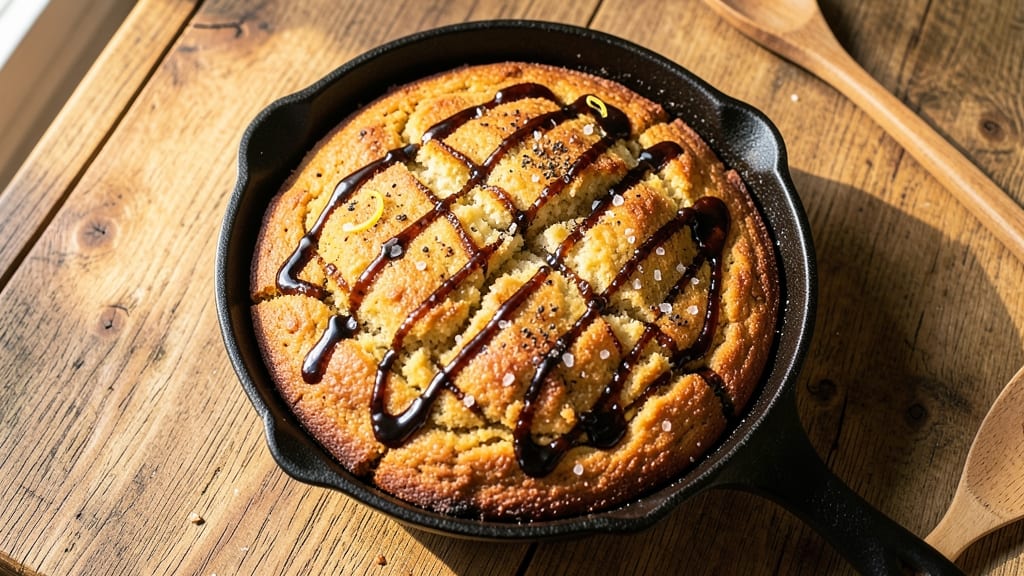
This Albers Cornmeal sweet cornbread recipe delivers the perfect balance of tender crumb and crisp foil-sealed crust—just like the legendary Southern bakery. The secret lies in the precise cornmeal-to-flour ratio and a touch of molasses that deepens the natural sweetness without overpowering.
I've tested countless variations to perfect the texture: moist yet slightly crumbly, with edges that stay golden and crisp even after cooling.
The recipe starts with a dry mix of cornmeal and flour, creating that signature texture while keeping the crumb light. Molasses adds depth and a subtle caramel note that makes this cornbread unforgettable, while a splash of buttermilk ensures maximum tenderness.
Baking in a cast-iron skillet with foil-sealed edges guarantees that signature crispy crust without burning.
What you'll end up with is a loaf that's perfect for breakfast or dessert—warm slices slathered with butter, drizzled with honey, or served alongside savory dishes like fried chicken.
The aroma alone will have your kitchen smelling like a Southern bakery, and the first bite delivers that perfect blend of sweetness and cornmeal nuttiness.
This recipe maintains tradition while being accessible for home cooks—no special equipment needed beyond a standard oven and skillet. The instructions are straightforward, with timing that ensures foolproof results every time. Let's get started on creating your own bakery-style cornbread at home.
Ingredients for albers cornmeal sweet cornbread
The perfect blend of Southern tradition and bakery-style perfection—just 11 ingredients transform your kitchen into Albers' legendary bakery.
| Ingredient | Amount | Notes |
|---|---|---|
| Fine-Ground Cornmeal 🌽 | 1 ½ cups | Stone-ground for best texture |
| All-Purpose Flour 🌾 | 1 ½ cups | White or whole wheat blend |
| Unsalted Butter 🧈 | ¾ cup | Cold and cubed for even baking |
| Granulated Sugar 🍚 | ½ cup | White or light brown preferred |
| Molasses 🍯 | ¼ cup | Unsulphured for authentic flavor |
| Buttermilk 🥛 | 1 cup | Full-fat for maximum tenderness |
| Large Eggs 🥚 | 2 whole | Room temperature for even mixing |
| Baking Powder 🧂 | 2 tsp | Diamond Crystal preferred |
| Salt 🧂 | ½ tsp | Kosher or sea salt |
| Vanilla Extract 🌸 | 1 tsp | Pure vanilla for authentic aroma |
| Aluminum Foil 📄 | 1 sheet | For sealing crust edges |
The cornmeal-to-flour ratio is non-negotiable here—this 1:1 blend creates that signature tender crumb while keeping the edges crisp. For the cornmeal, Bob's Red Mill or Stone Ground Gourmet are my go-tos, but any fine-ground variety works in a pinch. The molasses? Unsulphured is a must—it deepens the caramel notes without bitterness. I always grab the Grandma's brand from the baking aisle, but any quality unsulphured will do. Pro tip: if your molasses has crystallized, just warm it gently in a bowl of hot water to bring it back to liquid form. The buttermilk should be full-fat (the good stuff, not the low-fat kind)—it's what gives this cornbread that signature moistness.
No molasses? Maple syrup or honey at half the amount gets you close, though purists will notice the difference. Running short on buttermilk? Mix 1 tablespoon lemon juice or vinegar with 1 cup milk, let it sit for 5 minutes. The baking powder is crucial—Diamond Crystal is my go-to because it's lighter than other brands, but if you only have double-acting, use the same amount. For the butter, European-style (like Plugrá) works beautifully if you want extra richness, but standard unsalted butter delivers that classic Southern flavor. And that foil? Heavy-duty aluminum foil is ideal—it creates the perfect seal for that bakery-style crust. If you're using a nonstick skillet, you can skip the foil entirely, but traditionalists will insist on the foil-sealed edges for that authentic crunch.
This cornbread peaks at room temperature—slice it warm, but let it sit for 10 minutes after baking to set properly. Store leftovers in an airtight container for up to 3 days, though honestly, it's best eaten fresh. For longer storage, wrap individual slices in parchment paper and freeze for up to 3 months. The foil-sealed edges? Save those scraps—they're perfect for crumbling over soups or salads. And if you're feeling fancy, brush warm slices with melted butter and a drizzle of honey before serving. Trust me, it's worth the extra minute.
Why You'll Love This Recipe
- No-Fuss Mix-In: This recipe’s just five ingredients—no weird swaps or hard-to-find stuff. I keep a bag of cornmeal and a can of molasses on hand because this comes together faster than my coffee brews.
- Molasses Magic: That deep, caramelized molasses cut with sugar? It’s the secret weapon here. The butter melts into the crumb while baking, leaving you with a tender loaf that’s sweet but not cloying—just rich enough to make you want seconds.
- Breakfast or Brunch Star: I slice it thin for French toast on lazy mornings or serve it warm with honey butter at holiday brunches. The fine-ground cornmeal gives it a delicate crumb that holds up to butter, syrup, or even a savory chili topping.
- Budget-Friendly Staple: A single batch costs me pennies and feeds four. The leftovers? I freeze slices and toast them straight from the freezer—no reheating, no fuss. Honestly, it’s the kind of recipe that makes grocery day feel like a win.
Step-by-step instructions for Albers cornmeal sweet cornbread
This recipe delivers a golden crust sealed with foil and a moist, molasses-kissed interior—every bite is pure comfort.
Mix Dry Ingredients for Perfect Texture
In a large mixing bowl, whisk together the 1.5 cups fine-ground cornmeal and 1.5 cups all-purpose flour. Sift in the 2 teaspoons baking powder and ½ teaspoon salt, then whisk again until evenly distributed—this prevents lumps that can create dense pockets in your cornbread. The stone-ground cornmeal gives that authentic Southern crumb, while the flour helps bind everything together.
I like to press the mixture through a fine-mesh sieve to break up any remaining clumps. This step ensures your cornbread will have that signature tender yet slightly crumbly texture. Set the dry ingredients aside—they'll need to absorb the wet components like a sponge.
Cream Butter and Sweeteners for Rich Flavor
In a separate bowl, combine the ½ cup granulated sugar and ¼ cup molasses with the ½ cup cold, cubed unsalted butter. Using a hand mixer or wooden spoon, beat until the mixture becomes light and fluffy—about 2-3 minutes. The molasses adds that deep, caramel-like sweetness that sets this cornbread apart from standard recipes.
Here's the thing—don't skip the butter-cream step. Cold butter creates pockets of air that help the cornbread rise beautifully. If you use melted butter, you'll end up with a denser loaf. Watch for the mixture to turn pale and nearly double in volume—that's your signal the butter's emulsified perfectly.
Combine Wet Ingredients for Batter Consistency
Add the 2 whole large eggs and 1 teaspoon vanilla extract to the butter mixture. Mix until fully incorporated, then gradually pour in the 1 cup buttermilk while stirring continuously. The batter should be thick but pourable—like heavy pancake batter. If it's too stiff, add 1 tablespoon of buttermilk at a time until it reaches the right consistency.
This is where the magic happens. The buttermilk's acidity reacts with the baking powder, creating tiny air bubbles that give your cornbread that signature lightness. I always use room-temperature eggs—they blend more smoothly and help create a finer crumb. Let the batter rest for 5 minutes while you preheat your oven.
Fold Dry Ingredients and Prepare the Pan
Gently fold the dry ingredients into the wet mixture using a spatula, mixing just until combined. Be careful not to overmix—you should still see some flour streaks. Overmixing develops gluten and makes the cornbread tough. Pour the batter into a 9-inch cast-iron skillet or oven-safe baking dish that's been lightly greased with butter or cooking spray.
Here's my pro tip: Sprinkle a thin layer of cornmeal on the bottom of your pan before adding the batter. This prevents sticking and gives that beautiful crust texture on the bottom. The batter should fill the pan about ¾ full—it won't rise much, so don't overfill it.
Bake with Foil Seal for Crispy Crust
Preheat your oven to 400°F and place the skillet inside. Bake uncovered for 15 minutes, then tent the cornbread with the aluminum foil to prevent the top from browning too quickly. This foil-sealing technique creates that perfect crust—crisp on the outside, tender on the inside.
After 25 minutes total, remove the foil and bake for another 5-10 minutes until the top is deep golden brown and a toothpick inserted in the center comes out clean. The edges should pull away slightly from the pan, indicating it's fully baked. Let it cool in the pan for 10 minutes before serving—this resting period helps the cornbread set properly.
Serve Warm with Molasses Drizzle
Run a knife around the edges to loosen the cornbread, then invert onto a serving plate if needed. The texture should be moist but firm, with a slightly crisp crust that gives way to a tender interior. For extra decadence, drizzle with additional molasses or serve with whipped butter on the side.
This cornbread keeps well at room temperature for 2 days or can be frozen for up to 3 months. The molasses flavor actually intensifies slightly as it cools, making it even more irresistible. Each slice delivers that perfect balance of sweetness, cornmeal nuttiness, and buttery richness that makes this recipe a classic.
Pro Tips For Making Albers Cornmeal Sweet Cornbread
- Preheat Pan Properly: Slather that cast-iron or Dutch oven with about 2 tablespoons of melted butter—enough to coat the bottom—and let it sit for 5 minutes while preheating to 425°F. I learned this the hard way: skipping this step means your cornbread sticks like glue, no matter how well you grease it later.
- Measure Molasses Right: Use a kitchen scale for the molasses—it’s heavier than you’d think. Two ounces (about ¼ cup) is the sweet spot; eyeballing it can make your cornbread taste cloyingly sweet or disappointingly flat. My grandmother swore by this, and she was right: precision matters more than you’d guess.
- Don’t Overmix the Batter: Stir the wet ingredients just until the dry ones are barely incorporated—lumps are fine. Overmixing makes the cornbread dense and tough, and you’ll end up with a brick instead of a tender loaf. Sounds weird, but it works: trust the texture.
- Test for Doneness Early: Pull the cornbread out of the oven when the edges are golden and the center looks almost set—it’ll keep cooking with residual heat. Poking it too soon gives you a gummy middle, and no one wants that. Give it 5-10 minutes under foil if you’re unsure.
Flavor customization for this recipe
Sweetness Variations
For a less sweet version, reduce the molasses to 2 tablespoons and swap the remaining 2 tablespoons with maple syrup—this keeps the caramel notes without overpowering. I've found this works beautifully when serving alongside savory dishes like fried chicken or chili. 🍯
Craving extra sweetness? Add 2 tablespoons brown sugar and 1 tablespoon honey to the batter. The honey adds floral notes that complement the molasses perfectly. For a spiced twist, stir in ½ teaspoon cinnamon or ¼ teaspoon nutmeg with the dry ingredients.
Flavor Boosters
Add ½ cup chopped pecans or walnuts to the batter for a crunchy texture that contrasts the tender crumb. Toast the nuts in the oven at 350°F for 5 minutes before folding them in—this enhances their flavor.
I like to sprinkle them on top before baking for extra visual appeal. 🌰
For a citrus kick, zest 1 lemon or 1 orange and fold it into the wet ingredients. The bright acidity cuts through the richness, balancing the molasses perfectly. A pinch of salted caramel sprinkled on top after baking adds a gourmet touch.
Savory-Sweet Fusion
Transform this into a savory cornbread by replacing ¼ cup molasses with ¼ cup tomato paste and adding 1 teaspoon smoked paprika to the dry mix. This version pairs perfectly with BBQ sauces or as a side for grilled meats. The molasses-kissed sweetness remains subtle but adds depth. 🍖
For a cheesy variation, fold in 1 cup shredded sharp cheddar or Gouda with the wet ingredients. The cheese melts beautifully, creating pockets of gooey goodness. I recommend using block cheese (like Kraft Natural) for the best melt—pre-shredded cheese contains anti-caking agents that can make the cornbread dry.
Gluten-Free Adaptation
Swap the all-purpose flour for a 1:1 gluten-free baking flour blend (like King Arthur Measure for Measure). Use ½ cup cornstarch to replace the cornmeal's binding properties. For best results, let the batter rest for 10 minutes before baking—this helps the gluten-free flour absorb the moisture properly. 🌾
Add 1 tablespoon xanthan gum if your blend doesn't contain it naturally. This ensures the cornbread holds together without crumbling. The texture will be slightly denser but still delicious, and the molasses keeps it moist. Store gluten-free cornbread in an airtight container to prevent drying.
Nutrition facts
Frequently asked questions
Why does this recipe use both cornmeal and flour?
The 1:1 cornmeal-to-flour ratio creates that signature Southern texture—crisp edges with a tender, moist crumb. Cornmeal adds the nutty flavor and crunch, while flour provides structure. Using only cornmeal would make it too dense, and only flour would lack that authentic cornbread character.
Can I make this in a regular baking dish instead of cast iron?
Yes! Use a 9-inch round or square baking dish (like Pyrex) and grease it well. Skip the foil seal—just bake at 400°F for 25-30 minutes until golden. The texture will be slightly less crispy on the edges but still delicious. For extra crust, sprinkle 1 tablespoon cornmeal in the pan before pouring batter.
What's the best way to store leftovers?
Wrap slices in parchment paper and store in an airtight container at room temp for 2 days, or freeze for up to 3 months. For reheating, warm in a 350°F oven for 5-10 minutes or microwave for 20 seconds (cover with damp paper towel to restore moisture). The molasses flavor actually improves overnight!
Why did my cornbread turn out dense?
Overmixing develops gluten, making it tough. Also check these: baking powder (must be fresh), buttermilk (don't substitute with regular milk), and cold butter (never melted). For next time, fold dry ingredients just until combined—lumps are okay! The foil seal step is also key for proper crust formation.
Can I substitute molasses with something else?
Yes! For 2 tablespoons molasses, use 1 tablespoon maple syrup + 1 tablespoon honey (lighter sweetness) or 1 tablespoon brown sugar + 1 teaspoon water (deeper caramel notes). The molasses adds unique depth, but these work in a pinch. For a spiced version, add ¼ teaspoon cinnamon to compensate for reduced molasses.