
Side Dishes
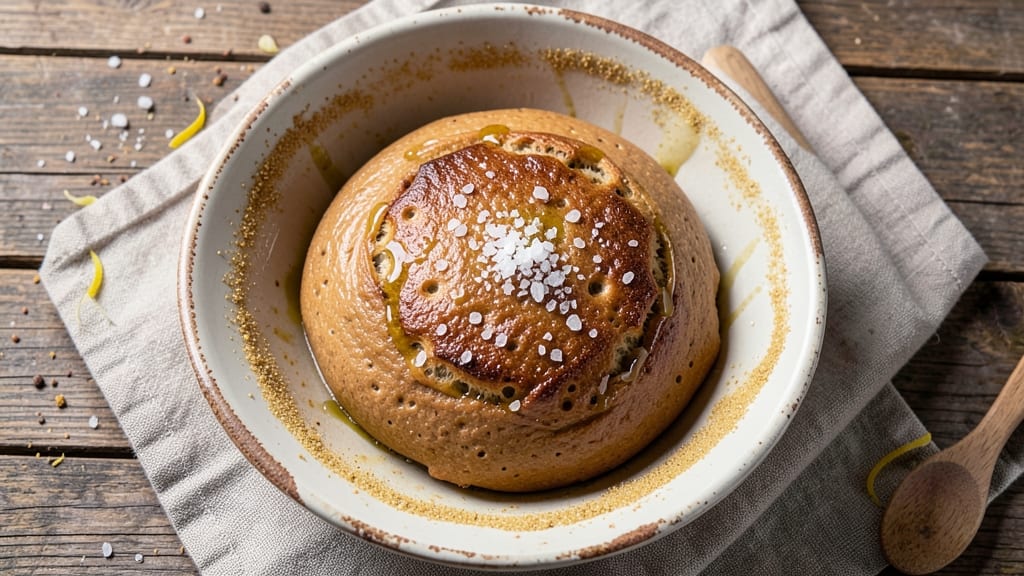
Alice Waters' signature artisan bread transforms simple ingredients into a rustic masterpiece that captures the essence of California's farm-to-table philosophy. This no-knead recipe focuses on olive oil richness and slow fermentation, creating a crust so crisp it shatters with each bite while maintaining an airy, open crumb inside. The secret lies in patience—letting the dough ferment overnight allows flavors to develop deeply, resulting in bread that tastes like a sun-drenched Italian countryside.
What sets this recipe apart is its emphasis on quality ingredients: organic flour, extra-virgin olive oil, and a touch of salt to enhance natural flavors.
Alice Waters' approach celebrates seasonal eating, making this bread perfect for any time of year when you want to showcase whole grains and pure, unadulterated taste.
The dough comes together in 10 minutes of prep, then rests while you sleep, so you wake up to the aroma of freshly baked bread that requires no special equipment beyond a Dutch oven.
The baking process itself is where the magic happens—the Dutch oven creates steam that develops that coveted crust, while scoring the loaf before baking ensures an even rise and dramatic presentation.
The result is a loaf with a golden, crackly exterior and a soft, slightly chewy interior that pairs beautifully with soups, salads, or simply slathered with more olive oil and fresh herbs.
This isn't just bread; it's a celebration of mindful cooking and the joy of making something extraordinary from humble ingredients.
Perfect for those who appreciate the craft of baking without the complexity, this recipe delivers professional-quality results with minimal effort. Whether you're a seasoned baker or new to the craft, the slow fermentation and simple technique make it accessible while still yielding impressive outcomes.
Let's get started on creating bread that tastes like a piece of California sunshine.
Ingredients for alice waters bread
Four simple ingredients create Alice Waters' iconic no-knead bread with golden crust and airy crumb.
| Ingredient | Amount | Notes |
|---|---|---|
| Organic Bread Flour 🌾 | 3 ½ cups | High-protein for structure, unbleached preferred |
| Extra-Virgin Olive Oil 🫒 | ¾ cup | Cold-pressed, fruity variety |
| Warm Water 💧 | 1 ¼ cups | 110°F for ideal activation |
| Kosher Salt 🧂 | 1 ½ tsp | Fine grain preferred |
| Active Dry Yeast 🍞 | ¼ tsp | Ensure freshness date |
| Cornmeal 🌽 | ¼ cup | For dusting Dutch oven |
| Ice Water ❄️ | ½ cup | For final dough adjustment |
The flour is non-negotiable here—King Arthur or Caputo organic are my go-tos for that perfect open crumb. Whole Foods or specialty grocers usually carry high-protein bread flour, but check the label for 11-12% protein minimum. Extra-virgin olive oil should be the good stuff—California-grown or Italian varieties like Colavita or Bertolli work beautifully. The yeast? Fresh is key—test it by dropping a pinch in warm water with a pinch of sugar; if it bubbles in 5 minutes, it's active. For the Dutch oven, Le Creuset or Lodge brands create that perfect steam environment—no need to break the bank, though.
No bread flour? All-purpose plus 1 tbsp vital wheat gluten gets you close, though texture won't be identical. Short on olive oil? Avocado oil works 1:1, but the flavor won't be the same. The water temperature matters—too hot kills yeast, too cold slows fermentation. Use a thermometer if you're unsure. For scoring, a razor blade gives the cleanest cuts, but a sharp serrated knife works in a pinch. And if you're baking in a non-Dutch oven pan? Place a metal bowl upside down over the loaf to create steam.
This dough needs 12-16 hours of cold fermentation for optimal flavor. Store it in a glass bowl covered with plastic wrap in the fridge. The bread keeps well at room temperature for 3 days wrapped in a cotton towel, or 1 week frozen. For reheating, wrap the cooled loaf in foil and warm at 300°F for 10 minutes—nothing beats that fresh-from-the-oven aroma. Make extra dough—it freezes beautifully for up to 3 months wrapped tightly in plastic.
Why You'll Love This Recipe
- No-Knead Magic: I swear by this dough—just mix, rest, bake. The organic bread flour gives it that perfect chew, and the olive oil keeps it moist without tasting greasy. Honestly, I’ve made it while scrolling through my phone.
- Olive Oil Luxury: That splash of extra-virgin olive oil isn’t just flavor—it’s a taste upgrade. The bread has a subtle richness, like a fancy loaf without the fuss. My kids still ask for it even when I make store-bought.
- Weeknight Workhorse: Toss it in a Dutch oven, and it’s ready for sandwiches, toast, or even garlic bread. I keep a batch in the freezer for lazy mornings—just reheat and enjoy. (Yes, even on a Tuesday night.)
- Budget-Friendly Staple: Five ingredients, zero waste. The yeast and salt stretch further than you’d think, and the olive oil’s small amount adds depth without breaking the bank. My wallet and my taste buds both win.
Step-by-step instructions for Alice Waters' artisan bread
This no-knead method delivers a rustic crust and tender crumb with minimal effort.
Activate the Yeast and Mix the Dough
In a large mixing bowl, combine the 1.25 cups warm water (about 110°F) with the 0.25 tsp active dry yeast. Let it sit for 5-10 minutes until frothy—this confirms the yeast is alive and ready to work. If it doesn't bubble, your yeast may be old, and you'll need to start over.
Once activated, add the 3.5 cups organic bread flour and 1.5 tsp kosher salt to the bowl. Using a wooden spoon or dough whisk, stir vigorously for 2 minutes until a shaggy dough forms. The flour will initially resist, but keep mixing—this high-protein flour needs time to develop gluten naturally through hydration.
After 2 minutes, add the 0.75 cup extra-virgin olive oil and mix for another 30 seconds until fully incorporated. The dough should look sticky and wet, almost like a thick batter. This is normal for no-knead bread—the olive oil creates a tender crumb and helps with browning. Cover the bowl with a damp towel and let it rest at room temperature for 12-18 hours.
Shape and Prepare for Baking
After resting, the dough will have risen noticeably and may have small bubbles on the surface. Using a lightly oiled spatula, gently transfer the dough to a lightly floured surface. Avoid over-handling—this dough is delicate after its long rest.
Shape the dough into a round loaf by folding the edges toward the center, then gently pulling the sides up to form a smooth, taut surface. Place it seam-side up in a bowl dusted with 0.25 cup cornmeal. Cover again with a damp towel and let it rise for another 1-2 hours, or until it has nearly doubled in size. The dough should feel springy when pressed gently.
Preheat your oven to 450°F with a Dutch oven inside for 45 minutes. The hot pot will create steam, which is essential for that signature artisan crust. While the oven heats, place a baking sheet on the lower rack to catch any drips.
Bake for Crispy Crust and Open Crumb
Carefully remove the hot Dutch oven from the oven and lift the dough into it, seam-side up. If needed, use a wet spatula to help transfer. The dough will be sticky—this is why the cornmeal dusting matters. Cover the pot with the lid and bake for 30 minutes.
After 30 minutes, remove the lid and bake for another 15-20 minutes until the bread is deeply golden brown. You'll know it's done when it sounds hollow when tapped on the bottom and the internal temperature reaches 205-210°F (use an instant-read thermometer). The crust should be crisp enough to crack slightly when pressed.
For best results, let the bread cool on a wire rack for atstrong>1 hour before slicing. The interior will continue to set as it cools, preventing a gummy texture. The aroma at this stage is unmistakable—earthy from the olive oil, with a subtle sweetness from the slow fermentation.
Serve and Store for Maximum Freshness
Slice the bread with a serrated knife and serve warm, preferably the same day. The crumb should be open and tender, with a crisp crust that shatters slightly. Pair it with high-quality olive oil, fresh herbs, or your favorite toppings—this bread stands up to both simple and elaborate pairings.
To store, wrap the cooled loaf in a clean kitchen towel and place it in a paper bag at room temperature for up to 3 days. For longer storage, freeze the bread (unwrapped) for up to 3 months. Thaw at room temperature before serving, or warm briefly in a 350°F oven for 5-10 minutes to restore freshness.
Pro Tips For Making Alice Waters Bread
- TEST YEAST FIRST: Mix a teaspoon of yeast, a pinch of sugar, and ¼ cup warm water in a small bowl—if it doesn’t foam within 10 minutes, toss that packet. Cold tap water or old yeast are silent killers, and you’ll waste hours waiting for a dough that never rises.
- SALT THE FLOUR: Sprinkle the full 2% kosher salt directly over the bread flour before mixing—it dissolves better than adding it to the water. I learned this the hard way when my dough tasted unevenly salty in some spots and bland in others.
- STRETCH, DON’T PUNCH: When shaping, use your knuckles to gently stretch the dough outward in all directions instead of punching it down. This builds gluten tension without deflating the air pockets—my grandmother’s method, and it’s why her loaves always had that light, airy crumb.
- OIL THE BOWL: Lightly coat your mixing bowl with olive oil before adding the dough—it prevents sticking and makes the final stretch-and-fold easier. Skip this, and you’ll spend 10 minutes prying dough off the sides instead of letting it relax.
Dietary considerations for this alice waters bread
Gluten-Free Adaptation
For a gluten-free version, replace the 3.5 cups organic bread flour with a 1:1 gluten-free bread flour blend like King Arthur Measure for Measure. Add 1 tsp xanthan gum to mimic gluten's structural properties.
The dough will behave differently—expect a denser crumb. Use 1.5 tsp extra yeast since gluten-free flours ferment slower. Let the dough rest 24 hours in the fridge for better rise. 🌾
Vegan Substitutions
This recipe is naturally vegan, but let's optimize it further. Ensure your yeast is vegan-certified (most are). For extra richness, use avocado oil instead of olive oil—it has a higher smoke point.
If you want to add a vegan egg wash for shine, whisk 1 tbsp aquafaba (chickpea brine) with 1 tsp maple syrup and brush on before baking. The bread will still be crispy and golden.
Lower-Carb Option
Swap half the bread flour for almond flour (about 1.75 cups total) to reduce carbs. Add 1 extra egg to bind the dough since almond flour lacks gluten. The texture will be denser but still delicious.
For even lower carbs, use coconut flour (but reduce to 1 cup and add 2 extra eggs). Expect a more cake-like texture rather than an open crumb.
Allergen-Friendly Notes
This recipe is free from common allergens except gluten (as noted above). For nut-free versions, stick with the original flour. If you're sensitive to yeast, try a sourdough starter instead—replace the yeast with ¼ cup active starter and reduce water by 2 tbsp.
The flavor will develop differently over 3-5 days of fermentation. Always check ingredient labels for hidden allergens like soy (sometimes in bread flours).
Soy-Free Considerations
Most bread flours contain trace amounts of soy, but you can minimize exposure by choosing certified soy-free brands like Bob's Red Mill organic flour. The olive oil in this recipe is naturally soy-free, but always check labels if you have severe allergies.
For extra precaution, use a dedicated bread-making area and utensils to avoid cross-contamination. The dough's high moisture content helps wash away potential allergens during mixing. ✨
Nutrition facts
Frequently asked questions about Alice Waters' artisan bread
Why does this bread need such a long fermentation time?
The extended 12-18 hour cold fermentation develops complex flavors and improves digestibility by breaking down gluten and phytic acid. This slow process creates that signature open crumb and nutty depth—key to Alice Waters' farm-to-table philosophy. Think of it as letting the dough "rest" while flavors meld naturally.
Can I make this bread without a Dutch oven?
Yes! Place the shaped dough on a baking sheet, then invert a metal bowl over it to create steam. Bake as directed, but expect a slightly less crisp crust. For best results, try a commercial baking stone with a tray of boiling water below for steam. The texture will still be excellent—just not quite as dramatic.
How do I know when the bread is fully baked?
Look for three signs: deep golden brown crust, internal temperature of 205-210°F, and a hollow sound when tapped on the bottom. The crust should crack slightly when pressed. Overbaking dries out the crumb, so remove it when it's just shy of perfect—it continues cooking as it cools.
What if my dough doesn't rise overnight?
Check three things: yeast freshness (test in warm water first), room temperature (should be 70-75°F), and water temperature (110°F). If it's still flat after 18 hours, try adding 1 tsp sugar or 1 tbsp honey to feed the yeast, then cover and wait another 2-3 hours. If no rise occurs, start fresh with new yeast.
Can I add herbs or seeds to this recipe?
Fold in 1 tbsp fresh rosemary, 2 tbsp sesame seeds, or 1 tbsp poppy seeds during the final shaping. For even distribution, mix them into the flour before adding water. Avoid heavy additions like nuts—they can weigh down the rise. The olive oil richness pairs beautifully with Mediterranean herbs like thyme or oregano.