
Side Dishes
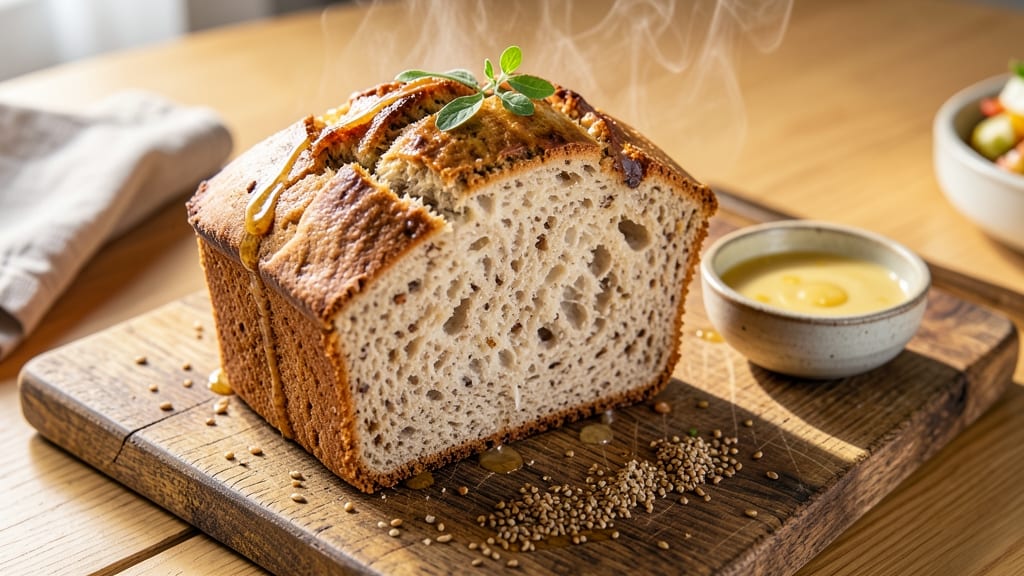
This gluten-free almond and coconut flour bread delivers the perfect balance of nutty crunch and tender crumb—without a hint of wheat. 🌟 I developed this recipe after years of experimenting with grain-free baking, and it finally achieves that satisfying loaf texture while keeping the dietary restrictions in mind.
The secret lies in the right ratio of almond flour for structure and coconut flour for binding, creating a bread that's both sturdy and moist.
The beauty of this recipe is its versatility—it works as a sandwich base, toast, or even a side for soups and stews. Baking at 350°F for 40-45 minutes ensures a golden crust and a tender interior, while a simple brush of coconut milk adds extra richness.
The nutty flavor from almond flour pairs beautifully with the mild sweetness of coconut, making every slice irresistibly flavorful.
What makes this gluten-free loaf truly special is how it mimics traditional bread in both texture and taste. The dough comes together in just 10 minutes of prep, and the baking process is foolproof, ensuring consistent results every time.
Whether you're avoiding gluten or simply exploring grain-free baking, this recipe delivers on all fronts without sacrificing flavor or satisfaction.
For extra crunch, sprinkle toasted sesame or flaxseeds on top before baking, or add a drizzle of melted coconut oil for a golden finish.
The possibilities are endless, but the foundation remains the same: a light, fluffy, and nutty gluten-free loaf that proves healthy baking can be just as delicious as the original.
Ingredients for almond and coconut flour bread
Nine essential ingredients craft this gluten-free loaf with restaurant-quality texture and nutty depth.
| Ingredient | Amount | Notes |
|---|---|---|
| Almond Flour 🌰 | 2 ½ cups | Finely ground, unsweetened preferred |
| Coconut Flour 🥥 | ½ cup | High-quality, sifted before measuring |
| Tapioca Starch 🌾 | ¼ cup | For improved elasticity |
| Flaxseed Meal 🌱 | 2 tbsp | Ground flaxseeds for binding |
| Coconut Milk (Full-Fat) 🥥 | ½ cup | Canned, well-shaken |
| Melted Coconut Oil 🫒 | ¼ cup | Cooled slightly before mixing |
| Apple Cider Vinegar 🍎 | 1 tbsp | For leavening reaction |
| Pure Maple Syrup 🍁 | 2 tbsp | Or agave nectar as substitute |
| Baking Powder 🍞 | 1 tsp | Aluminum-free preferred |
| Sea Salt 🧂 | ½ tsp | Fine grain preferred |
| Sesame Seeds 🌻 | 2 tbsp | Toasted for extra crunch |
| Flaxseeds 🌱 | 1 tbsp | Whole, for topping |
The almond flour is non-negotiable for structure—Bob's Red Mill or Anthony's Goods brands deliver consistent results. Coconut flour absorbs moisture aggressively, so pre-sifting it prevents clumping and ensures even distribution. For tapioca starch, Bob's Red Mill offers the finest grind, which translates to a smoother final texture. The flaxseed meal acts as the egg substitute here, so grind your own for maximum freshness and binding power. Coconut milk should be full-fat for richness; Thai Kitchen or Goya brands provide the best balance of creaminess and neutral flavor.
No flaxseeds? Chia seeds at double the amount work as a binding agent, though texture may vary slightly. Swapping maple syrup for agave nectar is seamless, but avoid honey entirely. The apple cider vinegar can be substituted with lemon juice at equal measure, though flavor will shift slightly. For a nut-free version, replace almond flour with sunflower seed flour, though texture will be denser. Sesame seeds can be omitted, but toasted pumpkin seeds add a delightful crunch alternative. All ingredients should be measured by weight for precision, especially the flours and starches which vary in density by brand.
Store the baked loaf wrapped in parchment paper at room temperature for 3-4 days, or freeze for up to 3 months for maximum freshness. The coconut flour-based dough thickens rapidly once mixed, so prepare it just before baking—don't pre-mix. For best results, brush the baked loaf with a thin layer of melted coconut oil while still warm. This bread reheats beautifully in a 350°F oven for 5-10 minutes, restoring its toasted qualities perfectly.
Why You'll Love This Recipe
- No Mixer Needed: Mixing this dough is seriously hands-off. The tapioca starch and coconut milk blend into a smooth batter with just a whisk—no stand mixer, no overworking, no stress. Honestly, I’ve made it while chatting on the phone; the flaxseed meal even adds a subtle nuttiness without extra effort.
- Rich Without Butter: That full-fat coconut milk? It keeps every slice moist and buttery-tasting, but with zero dairy. The almond flour gives it a delicate crumb, while the coconut flour adds just enough density to hold toasted bread shapes. I’ll be real: my kids don’t even notice it’s not wheat-based.
- Weeknight Sandwich Hero: This bread freezes like a dream—slice it fresh, wrap it in parchment, and toss it in the freezer. When you’re scrambling for lunch, just pop it in the toaster. It’s my go-to for quick PB&J or avocado toast when I’ve got zero energy to bake from scratch.
- Budget-Friendly Staple: Almond and coconut flour might sound pricey, but a single batch makes eight thick slices, and the leftovers last me days. Between us, I buy these ingredients in bulk, and the flaxseed meal stretches the dough further than any store-bought loaf. Not the prettiest, but the taste makes up for it—every time.
Step-by-step instructions for almond and coconut flour bread
This gluten-free loaf delivers a tender crumb with nutty depth—here's how to perfect it.
👨🍳 Step 1: Combine Dry Ingredients for Optimal Texture
In a large mixing bowl, whisk together the 2.5 cups almond flour, 0.5 cup coconut flour, and 0.25 cup tapioca starch. I sift the coconut flour first to prevent clumping—this ensures even distribution throughout the batter. Add the 2 tbsp flaxseed meal, 1 tsp baking powder, and 0.5 tsp sea salt, whisking until homogenous. The tapioca starch acts as a binder here, compensating for the lack of gluten.
This dry blend forms the structural backbone of your gluten-free bread. Don't skip the whisking—uneven distribution leads to dense pockets in the final loaf. I like to press the mixture through a fine-mesh sieve for extra smoothness, though this is optional.
🥘 Step 2: Create the Wet Batter with Proper Hydration
In a separate bowl, combine the 0.5 cup coconut milk (full-fat), 0.25 cup melted coconut oil (cooled slightly), 1 tbsp apple cider vinegar, and 2 tbsp pure maple syrup. The vinegar reacts with the baking powder to create lift—this is your gluten-free leavening agent. Whisk vigorously until fully emulsified, then gradually pour into the dry ingredients while mixing on low speed.
Add the wet ingredients slowly to prevent gluten-free flour from absorbing too much liquid at once. The batter should be thick but pourable—similar to pancake batter consistency. If it's too stiff, add 1 tablespoon coconut milk at a time until it reaches the right texture. Overmixing develops gluten-like proteins in almond flour, which we want to avoid.
🔥 Step 3: Prepare the Loaf Pan for Perfect Rise
Preheat your oven to 350°F and lightly grease an 8x4-inch loaf pan with coconut oil. Line the bottom with parchment paper for easy removal. Pour the batter into the prepared pan and sprinkle 2 tbsp toasted sesame seeds evenly over the top. These add texture contrast and visual appeal. Tap the pan gently on the counter to release any air bubbles.
Bake for 40-45 minutes until the top is golden brown and a toothpick inserted in the center comes out clean. The internal temperature should reach 205°F. I cover the pan loosely with foil after 25 minutes if the top browns too quickly—this prevents over-browning while allowing the bread to cook through.
⏰ Step 4: Rest and Slice for Maximum Tenderness
Remove the bread from the oven and let it cool in the pan for 10 minutes, then transfer to a wire rack. This resting period allows the internal structure to set properly. For best results, slice the bread 1 hour after baking—this gives the crumb time to firm up slightly, making clean slices.
Here's the thing about gluten-free bread—it's more delicate than traditional loaves. I recommend storing any leftovers in an airtight container at room temperature for up to 3 days or freezing for longer storage. When serving, brush slices with a little melted coconut oil for extra moisture if needed. The finished loaf should have a tender crumb with subtle sweetness from the maple syrup and nutty depth from the almond flour.
Pro Tips For Making Almond And Coconut Flour Bread
- Mix the Coconut Flour First: Coconut flour absorbs liquid like a sponge—don’t wait until the last minute. Stir it into the coconut milk first and let it sit for 5 minutes before adding anything else. I used to skip this, and my batter always ended up grainy, no matter how much I mixed later.
- Use Room-Temp Coconut Milk: Cold coconut milk makes the flax eggs sluggish and the batter clump weirdly. Warm it slightly (just until it’s not icy to the touch) before mixing—this helps the flaxseed meal bind properly. I learned this after my first batch turned out gummy instead of light.
- Don’t Overmix the Batter: Once you fold in the almond flour and tapioca starch, stop mixing after 10 strokes max. Overworking it develops gluten-like toughness, and this bread is delicate. Just combine until barely combined—like folding in flour for pancakes, not kneading dough.
- Check for Doneness with a Skewer: This bread won’t brown like wheat flour loaves, so skip the color test. Insert a thin skewer into the center—if it comes out clean (or with one tiny crumb), it’s done. Pull it too soon, and it’ll stay dense; wait too long, and it’ll dry out. I’ve ruined three batches by guessing.
Perfect pairings for these flavors
Sweet Spread Pairings
This nutty, slightly sweet bread pairs beautifully with almond butter—its rich texture complements the almond flour's depth. I love spreading 2 tbsp of creamy almond butter on warm slices with a drizzle of honey or maple syrup.
For a tropical twist, try coconut jam—its tropical sweetness mirrors the coconut flour's flavor. 🥥
Savory Topping Ideas
For a savory twist, top your toast with avocado slices and everything bagel seasoning—the creamy avocado balances the bread's nutty crunch. I also love smoked salmon with a smear of herb-infused cream cheese (vegan option: cashew cream). The bread's tender crumb holds up perfectly to these toppings.
Beverage Matchups
A chilled matcha latte with coconut milk enhances the bread's nutty notes while adding an earthy contrast. For coffee lovers, try a strong black coffee with a splash of vanilla almond milk—the warmth cuts through the bread's richness.
Herbal teas like chamomile or hibiscus also pair wonderfully for a lighter option. ☕
Breakfast Combos
Use this bread as a base for vegan banana pancakes—the nutty flavor adds depth to the sweetness. I also love toasted slices with turmeric scrambled tofu, a sprinkle of hemp seeds, and a side of sautéed spinach.
The bread's sturdy texture makes it ideal for hearty morning meals.
Dessert Reinventions
Dip warm slices in melted dark chocolate (70% cacao or higher) for a decadent treat. I also love coconut whipped cream with a sprinkle of toasted coconut flakes—the tropical flavors complement the bread's natural sweetness. For a boozy twist, pair with spiced rum or espresso. 🍫
Meal Prep Pairings
Pack slices with hummus and sliced cucumbers for a protein-packed lunch. I also love turkey-free "deli" slices with avocado, sprouts, and vegan mayo—the bread holds up perfectly in sandwich form. For a lighter option, try olive tapenade with cherry tomatoes and baby greens.
Nutrition facts
Frequently asked questions
Why does my almond-coconut bread turn out dense instead of light?
The most common cause is overmixing the batter or incorrect flour ratios. Coconut flour absorbs moisture aggressively, so always sift it first and measure carefully. The batter should be thick but pourable—like pancake mix. Also, avoid overmixing after adding wet ingredients to prevent gluten-like proteins from forming in the almond flour.
Can I make this bread without a loaf pan?
Shape the batter into a freeform round loaf on a parchment-lined baking sheet. For a rustic look, dimple the top with your fingers before baking. Reduce baking time by 5-7 minutes since the edges will cook faster. A cast-iron skillet works beautifully for a crispy crust—just grease it well first.
How do I store this gluten-free bread to keep it fresh?
Wrap cooled slices in parchment paper and store in an airtight container at room temperature for 3-4 days. For longer storage, freeze slices individually for up to 3 months. To revive, toast in a 350°F oven for 5 minutes—the heat restores crispness and brings back that fresh-baked aroma.
What's the best way to add seeds or nuts to this recipe?
For extra crunch, sprinkle 1 tbsp chopped walnuts or pecans into the batter before baking. For topping, try toasted pumpkin seeds, sunflower seeds, or extra sesame seeds after pouring into the pan. Just reduce the coconut oil by 1 tsp if adding extra toppings to maintain moisture balance.
Can I substitute almond flour with another nut flour?
Yes, but results may vary. Cashew flour works best with a 1:1 ratio, though the texture will be slightly denser. Hazelnut flour adds a richer flavor but lacks the structural support of almond flour. For a seed-based option, sunflower seed flour (1:1) maintains a similar neutral taste. Always sift nut flours to prevent graininess in the final loaf.