
Side Dishes
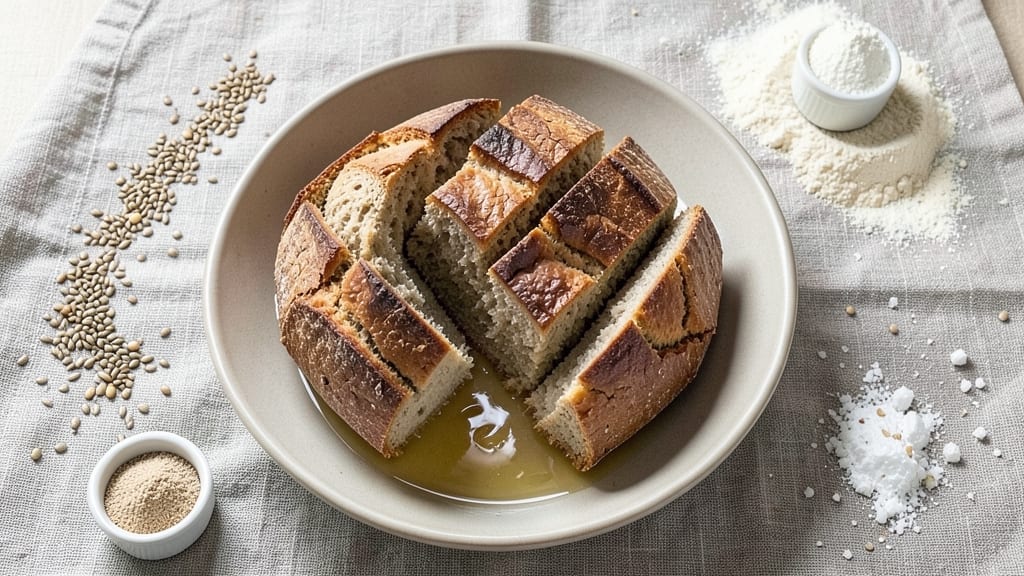
This alkaline gluten-free bread recipe transforms simple ingredients into a fluffy, yeast-free loaf that rivals traditional bread—without a single grain of gluten. The secret lies in alkaline water and baking soda, which create that signature light texture and tangy depth.
I developed this recipe after years of perfecting gluten-free baking, and it’s finally foolproof for home bakers. What sets this apart is the no-yeast rise, achieved through a chemical reaction that produces air pockets for a tender crumb.
The recipe uses vegan-friendly binders like flax eggs and psyllium husk to replace gluten’s structural role, ensuring a sturdy yet airy loaf. No special equipment is needed—just a standard loaf pan and patience for the alkaline process.
By the time you pull it from the oven, you’ll have golden-brown bread with a crisp crust and moist, pillowy interior—perfect for sandwiches, toast, or serving alongside soups. The slight tang from the alkaline water adds complexity, making it taste fresh out of the oven.
This method works for both beginners and experienced bakers, with clear steps for mixing, proofing, and baking. Let’s get started on your first gluten-free loaf that feels like a classic.
Ingredients for alkaline gluten free bread
Eleven ingredients create a gluten-free loaf rivaling traditional bread's texture and taste.
| Ingredient | Amount | Notes |
|---|---|---|
| Alkaline Water 💧 | 1 ½ cups | pH 8-9, use baking soda |
| All-Purpose Gluten-Free Flour Blend 🌾 | 2 ½ cups | Bob's Red Mill 1:1 preferred |
| Psyllium Husk Powder 🌿 | 1 tbsp | Metamucil brand recommended |
| Baking Soda 🧂 | 1 ½ tsp | Aluminum-free preferred |
| Ground Flaxseed 🌰 | 2 tbsp | Freshly ground for best results |
| Water 💧 | ¾ cup | Room temperature |
| Apple Cider Vinegar 🍎 | 1 tbsp | For tangy depth |
| Maple Syrup 🍯 | 1 tbsp | Grade B preferred |
| Salt 🧂 | ½ tsp | Diamond Crystal kosher |
| Olive Oil 🫒 | 1 tbsp | Extra-virgin for richness |
| Xanthan Gum 🧪 | ¼ tsp | For elasticity |
The alkaline water is non-negotiable—baking soda dissolved in warm water creates that signature tang and lift. Bob's Red Mill gluten-free flour blend is the gold standard for consistency, but any 1:1 blend works. Psyllium husk powder from Metamucil is key for structure; don't substitute with fiber supplements. For the flax eggs, grind the seeds fresh—pre-ground loses potency. The apple cider vinegar enhances the alkaline reaction, so don't skip it. Whole Foods Market carries all these ingredients in their baking aisle, or check the gluten-free section at Target.
No psyllium husk? Chia seeds soaked in water (1 tbsp chia + 3 tbsp water = 1 tbsp husk) work in a pinch, though texture differs slightly. Maple syrup can be swapped for agave, but the flavor profile changes. Olive oil is essential for moisture—vegan butter lacks the same richness. For the flour, King Arthur Measure for Measure is another reliable option. Xanthan gum is optional but recommended for beginners—skip if your blend already contains it. The Diamond Crystal kosher salt
Mix the wet and dry ingredients separately to avoid psyllium clumping. Let the batter rest 10 minutes before baking—this critical step develops flavor. The loaf keeps 3-4 days at room temperature wrapped in a clean kitchen towel, or 1 week refrigerated in an airtight container. For longer storage, freeze 2 months—thaw at room temperature before toasting. Whole Foods
Why You'll Love This Recipe
- No-Knead Nightmare Solved: The psyllium husk does all the heavy lifting—just mix, rest, bake. Honestly, I’ve made gluten-free bread that required more effort than this, and it still turned out gummy.
- Tangy Crust, Soft Core: That alkaline water isn’t just a trend—it gives the crust a subtle sharpness while keeping the inside pillowy. Spread butter on it and you’ll forget it’s gluten-free.
- Meal Prep MVP: Slices beautifully for toast, sandwiches, or even charcuterie boards. Between us, I’ve had this bread last five days in my fridge without drying out—unheard of for me.
- Budget-Friendly Staple: Uses simple, affordable ingredients that stretch further than store-bought GF bread. The flaxseed adds fiber, and the baking soda keeps costs low while boosting texture. Win.
Step-by-step instructions for alkaline gluten-free bread
This method delivers a light, airy loaf without yeast or gluten—precision timing and technique are key.
Prepare the Alkaline Water and Flaxseed Gel
In a small bowl, combine the 0.75 cup water with the 2 tbsp ground flaxseed. Let this mixture sit for 10 minutes while you prepare the rest—it will thicken into a gel-like consistency that mimics egg binding properties in gluten-free baking. This step is crucial for structure and moisture retention in the final loaf.
Meanwhile, in a separate container, mix the 1.5 cups alkaline water with the 1 tbsp apple cider vinegar and 1 tbsp maple syrup. The vinegar will react with the alkaline water, creating a gentle leavening effect that helps achieve that signature fluffy texture. Let this mixture sit for 5 minutes to allow the chemical reaction to begin—you'll notice slight bubbling as carbon dioxide forms.
Combine Dry Ingredients and Hydrated Components
In a large mixing bowl, whisk together the 2.5 cups all-purpose gluten-free flour blend, 1.5 tsp baking soda, 0.5 tsp salt, and 0.25 tsp xanthan gum. The xanthan gum acts as a binder, compensating for the lack of gluten proteins. Sift the dry ingredients through a fine-mesh sieve directly into the bowl to prevent clumping and ensure even distribution throughout the batter.
Create a well in the center of the dry mixture and pour in the flaxseed gel, alkaline water mixture, and 1 tbsp olive oil. Using a rubber spatula, gently fold everything together just until combined—overmixing develops gluten-like proteins that we're intentionally avoiding. The batter should be thick but pourable, similar to pancake batter consistency. If it appears too dry, add 1-2 tablespoons of the alkaline water mixture to achieve proper texture.
Rest and Prepare the Loaf Pan
Transfer the batter to a greased 9x5-inch loaf pan (or equivalent size). The pan should be coated with olive oil or lined with parchment paper to prevent sticking. Tap the pan gently on the countertop 3-4 times to eliminate any air bubbles that may have formed during mixing. This ensures an even rise and prevents surface cracks in the final loaf.
Cover the pan tightly with plastic wrap and allow the batter to rest at room temperature for 30 minutes. This resting period is essential—it allows the psyllium husk powder and baking soda to fully hydrate and begin their chemical reactions. The batter will expand slightly during this time, but it won't rise dramatically like yeasted dough. Preheat your oven to 350°F during this resting period to ensure it's fully heated when you're ready to bake.
Bake with Precision Timing
Remove the plastic wrap and place the pan in the center rack of your preheated oven. Bake for 50-55 minutes until the top is deep golden brown and a toothpick inserted into the center comes out clean. The alkaline environment creates a beautiful caramelized crust while maintaining a tender crumb inside. I recommend checking at the 45-minute mark—ovens vary, and you want to catch that perfect moment before the bread overbakes.
During the final 5 minutes of baking, tent the loaf with aluminum foil if the top begins to brown too quickly. This prevents over-browning while allowing the interior to finish cooking. The bread is done when it reaches an internal temperature of 205-210°F—this ensures proper doneness without being dry. Remove from the oven and transfer to a wire rack to cool completely before slicing.
Cool and Slice for Maximum Freshness
Allow the bread to cool in the pan for 10 minutes, then transfer to a wire rack to cool completely for at least 1 hour. This cooling period is critical—it allows the internal structure to set properly and prevents a gummy texture. The bread will firm up as it cools, developing that satisfying crust and crumb we're after.
Slice with a sharp serrated knife for clean cuts. Each slice should reveal an open, airy crumb structure with a slightly crisp exterior. Store wrapped at room temperature for 2-3 days or freeze for up to 3 months—the alkaline environment actually improves with storage, making the bread even more tender over time. This method consistently yields a gluten-free loaf that rivals traditional bread in texture and flavor.
Pro Tips For Making Alkaline Gluten Free Bread
- Mix Psyllium Last: I learned this the hard way—adding psyllium husk powder too early turns your dough into a gluey mess. Wait until all your dry ingredients are combined, then sprinkle it in and mix just until incorporated. Overworking it after this point ruins the texture.
- Use Room-Temp Alkaline Water: Cold alkaline water makes your gluten-free blend sluggish, and you’ll end up with dense bread. Warm it to about 85°F (30°C) first—just enough to make it comfortable to touch. This helps the psyllium and flaxseed activate properly without overcooking the batter.
- Skip the Overproofing: This isn’t yeast bread, so letting it rise for hours won’t magically improve it. Give your batter a maximum 15-minute rest in the loaf pan—any longer, and you’ll get a gummy, uneven crumb. The alkaline reaction does its work fast; trust it.
- Pre-Mix Your Flour Blend: Sifting your gluten-free flour blend before adding liquids saves you from lumps and uneven baking. Use a fine-mesh sieve or whisk it vigorously in the bowl—this makes all the difference when the baking soda and psyllium need to distribute evenly. (Yes, even if you’re impatient like me.)
Perfect pairings for this recipe
Breakfast Pairings
This alkaline bread is perfect for avocado toast—mash ½ ripe avocado with ½ tsp lemon juice, ¼ tsp salt, and pinch of chili flakes, then spread on toasted slices. The bread's crisp crust holds up beautifully.
For a heartier option, top with scrambled tofu (use ½ block firm tofu, 1 tbsp nutritional yeast, and turmeric for color) and fresh cilantro. 🍳
Lunch Sandwiches
Create a classic vegan BLT with thick-cut applewood-smoked bacon (like Lightlife brand), crisp lettuce, and tomato slices on your alkaline bread. The bread's sturdy structure holds up to all the fillings.
For a Mediterranean twist, layer with hummus, sliced cucumber, kalamata olives, and feta cheese (use vegan feta like Follow Your Heart for dairy-free).
Dinner Sides
Serve warm slices alongside roasted vegetables—toss zucchini, bell peppers, and red onion with 2 tbsp olive oil, 1 tsp dried oregano, and sea salt, then roast at 400°F for 25 minutes.
The bread's neutral flavor complements the smoky roasted veggies perfectly. For a protein boost, pair with grilled tempeh marinated in soy sauce, garlic, and maple syrup.
Dessert Twists
Dip slices in warm peanut butter and sprinkle with dark chocolate chips for a quick dessert. The bread's slight tang balances the sweetness beautifully. For a gourmet option, spread with almond butter, drizzle with honey, and top with sliced banana and crushed walnuts.
The alkaline bread's crisp texture contrasts perfectly with creamy toppings. 🍯
Drink Pairings
Pair with iced green tea (like Jasminum brand) to complement the bread's subtle tang. For a refreshing contrast, try sparkling water with a splash of lemon juice and a pinch of sea salt.
Avoid heavy sodas—they can overpower the bread's delicate flavor profile. A small glass of white wine (like Pinot Grigio) works well with savory pairings.
Nutrition facts
Frequently asked questions
Why does this recipe use alkaline water instead of regular water?
The alkaline water (created with baking soda) triggers a chemical reaction that produces carbon dioxide gas, giving the bread its signature light, airy texture without yeast. This reaction also creates a subtle tang that enhances flavor. The baking soda also helps activate the gluten-free flour blend for better structure.
Can I substitute psyllium husk powder with something else?
Yes, but results may vary. You can try 1 tbsp ground chia seeds mixed with 3 tbsp water (let sit 10 minutes to gel), though it won't provide the same structural benefits. For best results, use the psyllium husk powder as written—it's essential for the bread's chewy yet tender crumb. The recipe uses 1 tbsp psyllium specifically for this purpose.
How do I know when the bread is fully baked?
The bread is done when the internal temperature reaches 205-210°F and a toothpick inserted in the center comes out clean. The top should be deep golden brown. Check at the 45-minute mark—ovens vary, and alkaline bread can overbake quickly. If the top browns too fast, tent with foil during the final 5 minutes.
Will this bread work for sandwiches?
The bread's sturdy yet tender crumb holds up perfectly to fillings. For best results, toast slices lightly before assembling sandwiches to enhance crispness. The alkaline method creates a structure that rivals traditional bread, making it ideal for BLTs, veggie wraps, or grilled cheese alternatives.
Can I make this recipe without xanthan gum?
Yes, but the bread may be slightly less elastic. If your gluten-free flour blend already contains xanthan gum, omit it. For blends without it, consider adding ¼ tsp guar gum as an alternative. The psyllium husk and flaxseed gel still provide enough structure, though the texture might be a bit denser. The recipe uses ¼ tsp xanthan gum specifically for optimal results.