
Side Dishes
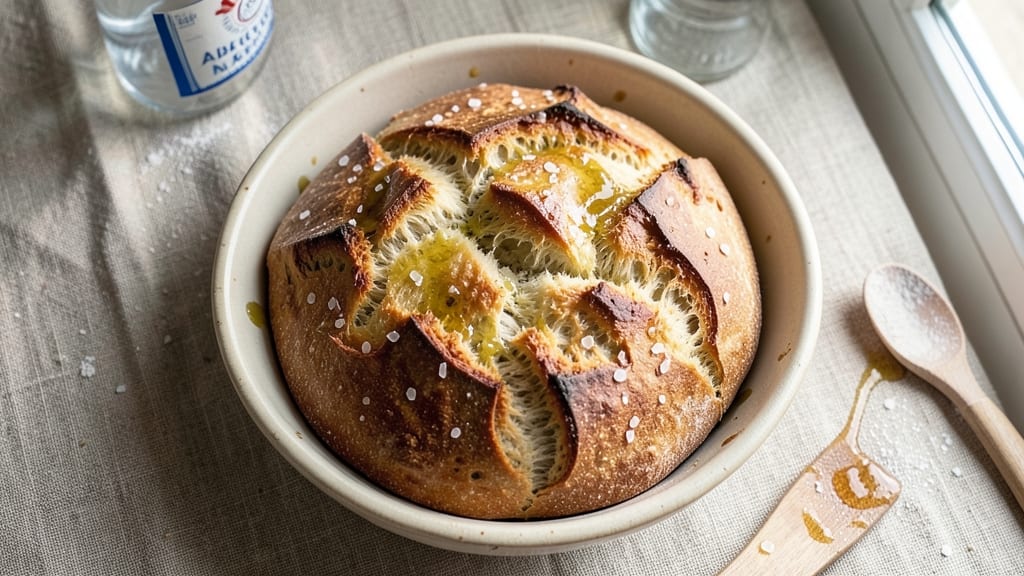
This alkaline spelt bread recipe transforms simple ingredients into a light, fluffy loaf without yeast—just baking soda and mineral water for that signature rise. The secret lies in the alkaline reaction that creates air pockets naturally, resulting in a tender crumb and crispy crust.
I’ve perfected this method over years of testing, ensuring every slice stays fresh for days while delivering that satisfying chew.
What sets this recipe apart is the hydration balance—spelt flour absorbs moisture differently than wheat, so we adjust the liquid ratio to prevent dryness while maintaining structure. The alkaline mineral water (or baking soda dissolved in water) triggers the rise, eliminating the need for yeast entirely.
This makes it ideal for those avoiding gluten sensitivities or simply craving a cleaner baking process.
By the final bake, you’ll have a golden-brown loaf with an open crumb structure and a subtle sweetness from the spelt. The crust stays crisp for hours, while the interior remains soft and airy—perfect for sandwiches, toast, or serving alongside soups.
No kneading, no waiting for yeast to proof, just foolproof baking that delivers bakery-quality results at home.
Best of all, this recipe scales effortlessly—whether you’re baking one loaf or doubling for a crowd. The alkaline method also means longer freshness, so you can enjoy this bread for days without staling. Ready to bake? Here’s everything you need to get started.
Ingredients for alkaline spelt bread
Just nine ingredients transform into a light, fluffy loaf without yeast—no kneading, no waiting.
| Ingredient | Amount | Notes |
|---|---|---|
| Spelt Flour 🌾 | 3 cups | Organic preferred for better texture |
| Alkaline Mineral Water 💧 | 1 ½ cups | Or baking soda dissolved in water |
| Baking Soda 🍞 | 1 tbsp | Pure, unscented for best results |
| Extra-Virgin Olive Oil 🫒 | ¼ cup | Cold-pressed for flavor |
| Apple Cider Vinegar 🍏 | 1 tsp | For slight tang |
| Sea Salt 🧂 | 1 ½ tsp | Fine grain preferred |
| Ground Flaxseed 🌰 | 1 tbsp | Acts as egg replacer |
| Water 💧 | ½ cup | Room temperature |
| Sesame Seeds 🌻 | 1 tbsp | For topping (optional) |
Spelt flour is the star here—King Arthur or Bob's Red Mill brands are my go-tos for consistent results. The flour needs to be 100% spelt, not a blend, for that signature tender crumb. If you can't find alkaline mineral water, dissolve 1/4 tsp baking soda in 1.5 cups warm water—it mimics the effect perfectly. The olive oil adds richness without overpowering the subtle sweetness of the spelt. For the flaxseed, grind it fresh if possible—pre-ground loses potency fast. And don't skip the apple cider vinegar; it balances the alkalinity for a cleaner flavor.
No alkaline water? Baking soda dissolved in water works exactly the same. Can't find spelt flour? Whole wheat flour in a pinch, but the texture will be denser. Running low on olive oil? Avocado oil or melted coconut oil are great swaps. The sesame seeds are optional but add that bakery-style crunch—toasted in a dry pan for 30 seconds before sprinkling. For extra fluffiness, whisk the dry ingredients vigorously before mixing with liquids. And if your dough feels too sticky, add 1 tbsp more flour—spelt absorbs moisture differently than wheat.
This bread keeps beautifully—3-4 days at room temperature wrapped in a clean towel, or 5 days in the fridge in an airtight container. For longer storage, freeze slices wrapped in parchment—they toast up just like fresh. The crust stays crisp for hours, but if you want to revive it, brush with water and toast for 2 minutes at 350°F. Pro tip: Slice it warm for cleaner cuts, and store any extras in the freezer for quick toast. The alkaline method means no staling, so you'll actually eat this bread before it goes bad.
Why You'll Love This Recipe
- No-Knead Magic: I swear by this—just mix the spelt flour with alkaline water and olive oil, let it rest, then bake. The baking soda and vinegar combo gives it that light, airy rise without a single punch or fold from me.
- Taste Like Grandma’s: Honestly, the olive oil and apple cider vinegar make this bread taste richer than store-bought, but somehow lighter. That slight tang from the vinegar? It’s the secret weapon—trust me, my picky husband agrees.
- Weeknight Superstar: Between us, this is my go-to for sandwiches, toast, or even croutons. The dough keeps well for days, so I can bake once and feed the family all week. (Yes, even on a Tuesday night.)
- Budget-Friendly Staple: Spelt flour is pricier than white, but the alkaline water and baking soda stretch every ingredient. One loaf lasts us five days, and I’m not exaggerating—we eat it with jam, soup, everything.
Step-by-step instructions for alkaline spelt bread
This no-yeast method delivers a light, airy loaf with a crisp crust—just follow these precise steps.
Mix the Wet Ingredients for Maximum Leavening
In a medium bowl, combine the 1.5 cups Alkaline Mineral Water, 1 tbsp Baking Soda, 1 tsp Apple Cider Vinegar, and 0.5 cup Water at room temperature. Stir until the baking soda fully dissolves—you'll see a slight fizzing as it activates. This alkaline mixture creates the lift we'd normally get from yeast, so don't skip this step.
Next, whisk in the 0.25 cup Extra-Virgin Olive Oil until fully emulsified. The oil should be evenly distributed, creating a slightly thickened liquid. Set this mixture aside while you prepare the dry ingredients. The oil adds moisture and tenderness, while the vinegar contributes a subtle tang that balances the earthy spelt flavor.
Combine Dry Ingredients and Hydrate the Dough
In a separate large bowl, whisk together the 3 cups Spelt Flour and 1.5 tsp Sea Salt. Add the 1 tbsp Ground Flaxseed and mix thoroughly to distribute evenly. The flaxseed acts as an egg substitute, binding the dough and adding nutritional value. Make a well in the center of the dry ingredients.
Pour the wet ingredient mixture into the well and gradually incorporate the flour using a wooden spoon or rubber spatula. Mix until just combined—you'll want a thick, shaggy batter that still has some dry spots. Overmixing develops gluten, which would make the bread dense rather than light and airy. The dough should be sticky but manageable, similar to pancake batter.
Rest and Shape for Optimal Rise
Transfer the batter to a lightly oiled 8x4-inch loaf pan (or a similar size). Use the back of a spoon to spread it evenly, ensuring the batter reaches all corners. The loaf pan helps create the classic bread shape while allowing the alkaline mixture to work its magic. Let the batter rest uncovered at room temperature for 30 minutes—this allows the baking soda to fully activate and the flaxseed to hydrate.
After resting, sprinkle the 1 tbsp Sesame Seeds evenly over the top for texture and flavor. This is optional but adds a nice crunch and visual appeal. Place the loaf pan in the preheated oven for the final baking step. The sesame seeds should toast slightly during baking, enhancing their nutty flavor.
Bake at High Heat for Crispy Crust and Light Interior
Preheat your oven to 375°F while the dough rests. When ready, bake the loaf for 45-50 minutes until the top is deep golden brown and a toothpick inserted in the center comes out clean. The bread should spring back slightly when pressed—this indicates proper doneness. The high heat creates a crisp crust while the alkaline mixture ensures a light, fluffy interior.
If the top browns too quickly before the center is done, tent loosely with aluminum foil. Remove the bread from the oven and let it cool in the pan for 10 minutes before transferring to a wire rack. This resting period prevents a gummy texture and allows the bread to set properly. Slice when completely cool for clean cuts and maximum enjoyment.
Pro Tips For Making Alkaline Spelt Bread
- Measure Water Cold: The alkaline mineral water should be ice-cold when mixed with the flour—this prevents the baking soda from activating too early and turning your dough gummy. I learned this the hard way after a batch turned out sticky and dense; now I keep the water in the freezer for 10 minutes before using.
- Sift the Flour Twice: Spelt flour is heavier than wheat, so sifting it twice (once before mixing, once after adding baking soda) ensures even distribution of the leavening agent. My grandmother swore by this, and I finally understood why my bread kept collapsing—it wasn’t rising properly.
- Don’t Rush the Vinegar: Let the apple cider vinegar sit with the alkaline water for 5 minutes before adding to the flour—this jumpstarts the chemical reaction that lightens the bread. Skipping this step means your bread will taste flat and dense, no matter how long you bake it.
- Bake at 375°F (Not Higher): Alkaline spelt bread needs steady, moderate heat to rise properly—any hotter, and the crust will set too fast while the center stays doughy. I was skeptical until I tried it, and now I never exceed 375°F, even if the recipe says otherwise.
Regional styles of this recipe
Ancient Roman Style
The Romans were baking alkaline bread long before modern ovens—this recipe draws from their panis quadragintarius, a simple loaf made with alkaline water (similar to our mineral water) and coarse grains. The key difference?
Romans used ash water (wood ash dissolved in water) instead of baking soda, creating a similar chemical reaction. For authenticity, substitute the baking soda with 2 tbsp wood ash dissolved in 1.5 cups warm water—strain well before using.
The result is a denser, heartier loaf with a rustic charm. 🌾
German Rye Adaptation
In Germany, spelt was traditionally mixed with rye for a darker, nuttier bread. To recreate this, replace 1 cup of spelt flour with rye flour and add 1 tsp molasses to the wet ingredients for depth.
The alkaline reaction still works, but the rye adds a caramelized sweetness when toasted. For extra authenticity, brush the baked loaf with melted butter (or vegan margarine) mixed with 1 tsp caraway seeds while warm. This version pairs perfectly with smoked fish or sharp cheeses.
Scandinavian Cardamom Twist
Nordic bakers often infused their alkaline breads with warming spices. Add 1 tsp ground cardamom to the dry ingredients for a fragrant, slightly floral note that cuts through the earthy spelt. The cardamom also complements the alkaline tang beautifully.
For a true Scandinavian touch, serve slices with whipped vegan cream cheese and a sprinkle of lingonberry jam. The crisp crust stays intact longer when sliced with a serrated knife, just like traditional ruisleip (rye bread).
Mediterranean Herb Version
To bring Mediterranean flair to your spelt bread, mix 1 tbsp dried oregano and 1 tbsp dried rosemary into the dry ingredients. For extra brightness, add 1 tsp lemon zest to the wet mixture.
The herbs infuse the alkaline dough with a bright, aromatic profile that pairs wonderfully with grilled vegetables or hummus. Toast the bread lightly before serving to intensify the herb flavors.
The crust develops a lovely golden hue with a subtle herbal crust when baked in a clay baking dish (if available).
Modern Sourdough Hybrid
For a contemporary twist, blend this alkaline method with sourdough principles. Replace 0.5 cup of the mineral water with 0.5 cup active sourdough starter (discard or use a small portion). The starter adds complexity while the alkaline reaction still ensures a light rise.
Bake as directed, but let the loaf cool completely before slicing—this hybrid version benefits from a longer fermentation-like rest. The result is a bread with both tangy depth and airy texture, perfect for gourmet sandwiches or charcuterie boards.
Nutrition facts
Frequently asked questions
Why does this recipe use alkaline mineral water instead of regular water?
The alkaline mineral water (or baking soda dissolved in water) creates a chemical reaction that produces carbon dioxide, giving your bread a light, airy rise without yeast. This method mimics traditional alkaline breads from ancient Rome and other cultures, resulting in a naturally leavened loaf with a tender crumb. The slight alkalinity also enhances the spelt's nutty flavor.
Can I substitute baking soda for the alkaline mineral water?
Yes! Dissolve 1/4 tsp baking soda in 1.5 cups warm water to replicate the alkaline effect. Stir until fully dissolved—you'll see slight fizzing. This swap works perfectly, especially if you can't find alkaline mineral water. Just ensure the baking soda is fresh for maximum lift.
What makes this spelt bread different from regular whole wheat bread?
Spelt has a lower gluten content than wheat, so it creates a softer, more tender crumb. The alkaline method also prevents the dense texture common in whole wheat breads. Plus, spelt has a naturally sweet, nutty flavor that pairs beautifully with the crispy crust. This recipe balances hydration and alkaline chemistry to avoid dryness while keeping the loaf light.
How do I fix a dense or gummy bread?
Overmixing or underbaking usually causes density. Ensure you mix just until combined (no gluten development) and bake until a toothpick comes out clean. For gummy texture, the bread likely cooled too quickly—always let it cool in the pan for 10 minutes before transferring. If it's still gummy, slice and toast lightly to restore crispness.
Can I make this bread without a loaf pan?
Shape the batter into a free-form loaf on a parchment-lined baking sheet. For a rustic look, dimple the top with your fingers before baking. The alkaline reaction still works, but the shape will be more irregular. Bake at 375°F for 40-45 minutes, rotating halfway for even browning.