
Side Dishes
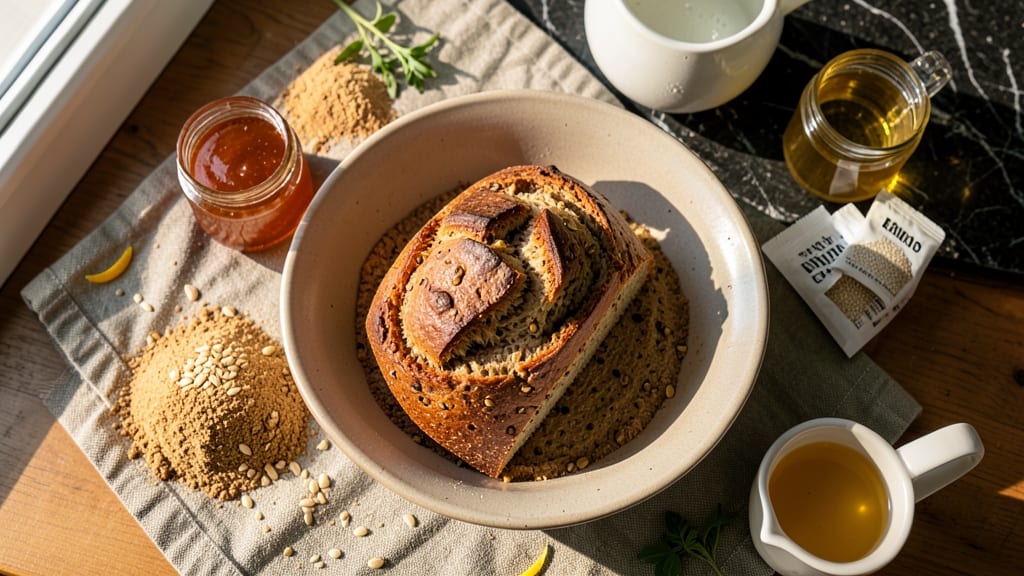
This all whole wheat bread recipe delivers a nutty, hearty loaf with a perfect balance of texture and flavor—no gluten-heavy shortcuts needed.
The secret lies in combining whole wheat flour with a touch of vital wheat gluten, which creates a structure that holds up to slicing, toasting, and sandwich-making without crumbling.
I developed this recipe after years of experimenting with dense, dry whole wheat loaves, and this version finally cracked the code for a bread that's both wholesome and satisfying.
The process starts with a simple no-knead method that saves time while developing deep flavor. You'll mix warm water, yeast, and a touch of honey to activate the yeast, then combine it with whole wheat flour, vital wheat gluten, and a blend of seeds for extra nutrition and crunch.
The dough rests overnight in the fridge, allowing the flour to fully hydrate and the flavors to meld—this step transforms tough whole wheat into a tender, open crumb that's impossible to resist.
By the time it emerges from the oven, you'll have a loaf with a deep golden crust and a soft, slightly chewy interior speckled with nutty seeds.
The aroma alone will have everyone gathering around your kitchen, and the flavor is rich enough to stand up to strong cheeses or hearty toppings while still being mild enough for everyday toast. This bread keeps well for days, making it perfect for meal prep or gifting.
Whether you're serving it with olive oil and balsamic vinegar for dipping or using it as the foundation for gourmet sandwiches, this whole wheat loaf proves that healthy baking doesn't mean sacrificing texture or taste. Let's get started—your kitchen will thank you.
Ingredients for all whole wheat bread
Whole wheat flour, seeds, and a touch of gluten create a loaf that's nutty, hearty, and perfect for toast or sandwiches.
| Ingredient | Amount | Notes |
|---|---|---|
| Whole Wheat Flour 🌾 | 4 cups | King Arthur or Bob's Red Mill preferred |
| Vital Wheat Gluten 🌾 | ½ cup | For improved structure and texture |
| Active Dry Yeast 🍞 | 2 ¼ tsp | Ensure it's fresh (test in warm water) |
| Granulated Honey 🍯 | 1 tbsp | Or maple syrup for vegan option |
| Warm Water 💧 | 2 ½ cups | 110°F for optimal yeast activation |
| Sunflower Seeds 🥜 | ¼ cup | Toasted for extra flavor and crunch |
| Sesame Seeds 🌰 | ¼ cup | For nutty depth and visual appeal |
| Flaxseeds 🌱 | ¼ cup | Ground for omega-3 boost |
| Sea Salt 🧂 | 1 ½ tsp | Diamond Crystal preferred |
| Olive Oil 🫒 | 2 tbsp | Extra-virgin for richness |
| Cornmeal 🌽 | ¼ cup | For dusting and golden crust |
The whole wheat flour is where the magic starts. King Arthur or Bob's Red Mill brands make all the difference—they're finely ground and consistently high-quality. Vital wheat gluten is non-negotiable here; it's what gives this bread its professional texture without needing extra kneading. I always grab my yeast from the baking aisle (not the bulk bins)—freshness matters, and the little packets are foolproof. For the seeds, Trader Joe's has the best pre-toasted options, but if you're toasting yourself, 5 minutes in a dry pan does wonders. The honey? Any variety works, but local raw honey adds subtle floral notes that pair beautifully with the whole wheat.
No vital wheat gluten? Add an extra 0.5 cup whole wheat flour, but expect a denser crumb. Sunflower seeds too pricey? Substitute pumpkin seeds or chopped walnuts—they've got that same satisfying crunch. Short on time? Instant yeast works at half the amount, but active dry yeast gives you that extra rise. The olive oil can be swapped for melted coconut oil if you're avoiding dairy, though the flavor won't be quite as rich. And if you're worried about the seeds burning, toast them low and slow—watch them like a hawk so they don't turn bitter. The cornmeal is just for dusting, but don't skip it—the crust will be crispier and more golden.
This dough is a fridge overnight kind of recipe, so plan ahead. Once mixed, cover it with a damp towel and let it rest in the fridge for 12-16 hours. The longer it sits, the better the flavor. For storage, wrap the cooled loaf in a beeswax wrap or aluminum foil—it stays fresh for 5-6 days at room temperature. Freeze slices for up to 3 months if you're prepping ahead. Pro tip: Toast straight from the freezer for crispy, fresh-tasting bread. And if you bake a second loaf? Gift it—everyone loves homemade bread, especially this nutty, wholesome version.
Why You'll Love This Recipe
- No-Knead Magic: Honestly, I mix the dough in 5 minutes—just whole wheat flour, vital wheat gluten, and warm water. The yeast does all the work while I sip coffee, then bake it straight from the bowl. No stand mixer, no stress.
- Sweet & Nutty Crunch: That honey isn’t just for flavor—it caramelizes just enough to give every slice a subtle depth, like a whisper of toasted grain. The gluten boost makes it chewy but not dense, so it’s actually satisfying, not heavy.
- Meal Prep MVP: Between us, this bread lasts a week in the freezer, and I slice it straight from frozen. Toss it in lunchboxes, toast it for breakfast, or use it as a sandwich base—it’s my go-to for lazy mornings and packed lunches alike.
- Budget-Friendly Staple: Whole wheat flour and honey are pantry basics, and vital wheat gluten stretches the dough further than all-purpose ever could. I make two loaves for the price of one store-bought, and they’re way better—no sad, crumbly disappointment here.
Step-by-step instructions for all whole wheat bread
This nutty, hearty loaf comes together with simple steps and a few key techniques.
Activate the Yeast and Mix the Dough
In a large bowl, combine the 2.5 cups warm water (about 110°F) with the 1 tbsp granulated honey and 2.25 tsp active dry yeast. Let it sit for 5-10 minutes until it becomes frothy and bubbly—this confirms your yeast is alive and ready to work. If it doesn't bubble, start over with fresh yeast.
In a separate bowl, whisk together the 4 cups whole wheat flour, 0.5 cup vital wheat gluten, 1.5 tsp sea salt, 0.25 cup sunflower seeds, 0.25 cup sesame seeds, and 0.25 cup ground flaxseeds. The gluten and seeds will give your bread that extra structure and nutty depth. Add the yeast mixture to the dry ingredients and stir until just combined—you'll see a shaggy dough form.
Knead the Dough Until Elastic
Add the 2 tbsp olive oil to the dough and knead by hand for 8-10 minutes until it becomes smooth and elastic. You'll know it's ready when it springs back slowly when poked. Whole wheat dough is denser than white flour dough, so don't worry if it feels heavier—it's normal.
For the best texture, I like to use a dough scraper to help fold and turn the dough. If it feels too sticky, add a tablespoon of flour at a time until it comes together cleanly. Once kneaded, place the dough in a lightly oiled bowl, cover with a damp towel, and let it rise in a warm place for 1-2 hours or until it doubles in size. You'll see it puff up and develop small bubbles on the surface.
Shape and Proof the Dough
Turn the risen dough onto a lightly floured surface and gently shape it into a loaf. I like to use a bench scraper to help fold and smooth the dough as I shape it. Place the loaf seam-side down in a greased 9x5-inch loaf pan and cover it again with a damp towel. Let it proof for another 30-45 minutes until it rises about 1 inch above the pan.
Preheat your oven to 375°F during the final proofing time. Sprinkle the 0.25 cup cornmeal evenly over the top of the dough—this will give your bread a beautiful golden crust. The cornmeal also adds a subtle sweetness that pairs perfectly with the nutty seeds.
Bake to Golden Perfection
Bake the bread for 45-50 minutes until the top is deep golden brown and the internal temperature reaches 205-210°F. You'll know it's done when you tap the bottom of the loaf and it sounds hollow. If the top browns too quickly, tent the bread with aluminum foil after 20 minutes to prevent over-browning.
Remove the bread from the oven and let it cool in the pan for 10 minutes before transferring it to a wire rack to cool completely. This resting time allows the bread to set properly and prevents it from becoming gummy. Once cooled, slice and enjoy the hearty texture and nutty flavor that comes from all those whole grains and seeds.
Pro Tips For Making All Whole Wheat Bread
- Weigh the Gluten: Whole wheat flour packs differently than white—don’t eyeball it. Use a kitchen scale for the vital wheat gluten too; 1 tablespoon by volume can vary wildly. I learned this after my first loaf came out dense and gummy.
- Mix the Yeast Last: Add the yeast to the water after the flour and honey have had a minute to hydrate. This prevents a sudden temperature drop that can kill the yeast before it even starts working. Yes, it feels counterintuitive, but it works.
- Don’t Over-Knead: Whole wheat dough is stubborn. Knead just until the gluten develops—about 8-10 minutes by hand—then stop. Overworking it makes the bread tough, and this dough fights back harder than white flour. Your arms will thank you.
- Use a Dutch Oven: If you’re baking free-form, skip the pan and let it rise on a floured cloth. But for a crisp crust, a Dutch oven is your friend. Place it in the oven before preheating—it’ll hold the heat better and give you that bakery-style crust without fuss. (No Dutch oven? A heavy pot with a lid works too.)
Storing and reheating your leftovers
Room-Temp Storage
Store your whole wheat loaf in an airtight container or beeswax wrap at room temperature for up to 5-6 days. The seeds and whole grains keep it moist longer than regular bread, but the crust will firm up over time.
I like to keep mine on the countertop in a bread box—it stays fresh longer and smells amazing. For extra protection, place a slice of lemon or apple in the container to absorb moisture and prevent staling. 🌾
Fridge Preservation
If you need to extend freshness beyond 6 days, transfer the loaf to the fridge where it’ll stay good for 7-10 days. Wrap it tightly in aluminum foil or place it in a resealable plastic bag to lock in moisture.
To revive stale bread, sprinkle a few drops of water on the cut surface and warm in a 350°F oven for 5-10 minutes—it’ll taste almost fresh again. 💧
Freezer-Friendly Slices
For maximum convenience, slice the cooled loaf and freeze individual portions in quart-sized freezer bags. Press out excess air to prevent freezer burn, and they’ll stay fresh for 3 months.
Toast straight from frozen—no thawing needed! For sandwiches, I like to lightly toast the frozen slices before assembling to maintain crispness. Label bags with the date to track freshness. ❄️
Reheating Secrets
Revive stale slices by wrapping them in aluminum foil and warming at 350°F for 8-10 minutes. For a crispier crust, broil for the last 1-2 minutes. If using a toaster, set it to the highest setting—whole wheat bread needs extra heat to crisp up properly.
Avoid the microwave; it turns bread gummy. Pro tip: Add a splash of water to the foil before reheating for extra moisture. 🔥
Reviving Stale Bread
Got dry bread? Don’t toss it! Crumble into breadcrumbs for meatballs or meatloaf, or blend into panko-style crumbs for coating. For a quick fix, brush slices with olive oil and toast until crispy—perfect for avocado toast or dipping in hummus.
Even stale whole wheat bread can shine in new recipes! 🌟
Nutrition facts
Frequently asked questions
Why does my whole wheat bread turn out dense instead of light?
Whole wheat flour absorbs more water than white flour, making dense dough normal. The key is using vital wheat gluten (it adds structure) and kneading until elastic. Also, don't skip the overnight fridge rest—it hydrates the flour fully for a lighter crumb. If it's still dense, try adding 1 extra tbsp olive oil for moisture.
Can I make this bread without a loaf pan?
Shape the dough into a round boule or batard instead. Place it on a parchment-lined baking sheet, cover with a towel, and let it proof until puffy. Bake at 400°F for 30-35 minutes until golden. Brush with olive oil after baking for extra shine. The crust will be crispier without a pan.
How do I fix dough that's too sticky?
Add flour 1 tbsp at a time while kneading until it comes together cleanly. For stubborn stickiness, wet your hands slightly to prevent sticking. If the dough cracks when shaping, let it rest 10 minutes uncovered before handling. Too much moisture? Whole wheat dough needs patience—don't rush the kneading.
What's the best way to test if my bread is fully baked?
Use the internal temperature method: insert an instant-read thermometer into the center—it should read 205-210°F. Or tap the bottom: if it sounds hollow, it's done. The crust should be deep golden brown. For extra assurance, let it cool 10 minutes before slicing—this prevents a gummy interior.
Can I substitute whole wheat flour with white flour?
You can, but the texture and flavor will change dramatically. For a 50/50 blend, reduce the vital wheat gluten to 0.25 cup and add 2 cups white flour. The result will be lighter but less nutty. For best results, stick with the whole wheat version—it's worth the effort for that hearty, wholesome taste!