
Breakfast & Brunch
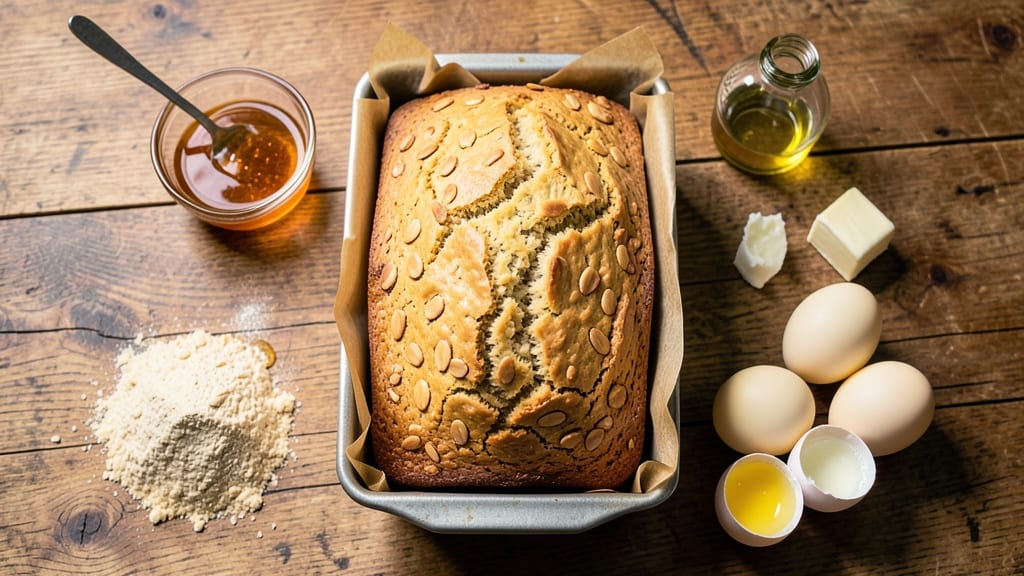
This paleo almond bread recipe delivers the perfect balance of fluffy texture and nutty sweetness without gluten, grains, or refined sugar. The secret lies in almond flour's natural binding properties, which create a tender crumb and golden rise that rivals traditional bread.
I've perfected this recipe over years of baking, ensuring every slice stays moist and flavorful for days.
The foundation is simple: almond flour, eggs, and a touch of natural sweetener like honey or maple syrup, all combined with warm spices for depth. Unlike dense grain-free breads, this version achieves a light, airy texture thanks to a specific whipping technique and precise baking method.
The aroma alone—warm almonds with a hint of vanilla—will have your kitchen feeling like a European bakery.
What makes this paleo almond bread truly special is its versatility. Serve it toasted with almond butter for breakfast, paired with savory soups for lunch, or sliced into French toast for dessert.
The recipe yields about 10 slices, and leftovers stay fresh for up to 5 days when stored properly. Each bite delivers that satisfying crunch and melt-in-your-mouth softness paleo baking rarely achieves.
For best results, use finely ground almond flour and don't skip the egg whites—they're what create that signature fluffiness. The baking time is precise, so keep an eye on it in the last 5 minutes to achieve that perfect golden-brown finish.
This is paleo baking at its finest, proving you don't need gluten to enjoy bread that tastes like comfort food.
Ingredients for almond bread recipe paleo
The secret to fluffy paleo bread lies in these 11 simple ingredients—almond flour, eggs, and warm spices combine for a tender, golden loaf.
| Ingredient | Amount | Notes |
|---|---|---|
| Almond Flour 🥜 | 2 ½ cups | Finely ground, unsweetened |
| Large Eggs 🥚 | 6 whole | Room temperature preferred |
| Egg Whites 🥚 | 4 whole | Separated from yolks |
| Honey 🍯 | ½ cup | Raw preferred for flavor |
| Unsalted Butter 🧈 | ½ cup | Melted, full-fat |
| Vanilla Extract 🌿 | 1 tbsp | Pure, high-quality |
| Baking Powder 🧂 | 1 tsp | Aluminum-free preferred |
| Ground Cinnamon 🌶️ | 1 tsp | Freshly ground |
| Sea Salt 🧂 | ½ tsp | Fine grain |
| Almond Butter 🥜 | ¼ cup | Natural, no added sugar |
| Coconut Oil 🫒 | 1 tbsp | For greasing loaf pan |
Almond flour is non-negotiable here—Bob's Red Mill or Nuts.com brands give the finest grind for that signature tender crumb. I always buy mine in bulk to save money, and it keeps for 6 months in the freezer once opened. Fresh eggs make all the difference; Pete & Gerry's or local farm eggs are worth the splurge. The egg whites are what create that signature fluffiness, so don't skip separating them. For the honey, local raw honey adds depth of flavor, but any quality honey works. If you're avoiding honey, maple syrup works beautifully in a 1:1 ratio.
No almond butter? Sunflower seed butter is a great substitute, though the flavor will differ slightly. Short on eggs? Chia eggs (1 tbsp chia seeds + 3 tbsp water = 1 egg) work in a pinch for half the egg whites. The butter can be swapped for coconut oil (melted) if you're dairy-free, though it does change the texture slightly. For the vanilla, imitation extracts won't cut it—pure Madagascar vanilla gives the best flavor. If you're using maple syrup instead of honey, reduce the liquid slightly (about 1 tbsp less) since maple syrup is thicker. The baking powder must be fresh—if it's over 6 months old, toss it.
This bread keeps beautifully—5 days at room temperature wrapped in a clean kitchen towel, or 1 week in the fridge once sliced. For longer storage, slice and freeze portions for up to 3 months. I love toasting slices straight from the freezer—they're perfect with almond butter for breakfast. The loaf browns quickly, so keep an eye on it in the last 5 minutes. If it's not golden enough, broil for 1-2 minutes at the end. The aroma alone makes this bread worth baking—warm almonds with that hint of vanilla will fill your kitchen!
Why You'll Love This Recipe
- No-Fuss Mixing: I swear by this recipe because it’s just three bowls—no food processor, no sifting, no stress. Toss almond flour, melted butter, and honey together in one, crack eggs into another, and whip whites in the last. That’s it. (Yes, even on a Tuesday night.)
- Buttery Sweet Crust: The secret’s in the egg whites—whipped to stiff peaks and folded in just enough to give that golden, crackly crust while keeping the inside tender. Honestly, it’s the kind of bread that makes you pause mid-bite just to appreciate how good it is.
- Breakfast or Snack Star: I make a loaf on Sundays and it disappears by Wednesday—sliced for toast with jam, stuffed with almond butter, or even reheated with a drizzle of honey. (My daughter picks out the crust, but still asks for seconds.)
- Pantry-Friendly Magic: Almond flour and eggs last forever, and honey? You’re probably already using it. Between us, this recipe costs me half what store-bought bread does, and it’s the one thing my picky eaters actually finish. Zero waste, all flavor.
Step-by-step instructions for almond bread paleo
Here's how to bake a tender, nutty loaf that rises beautifully without gluten.
Prepare the Loaf Pan and Mix Dry Ingredients
Preheat your oven to 350°F and generously grease a 9x5-inch loaf pan with the 1 tablespoon coconut oil, rubbing it on all sides and the bottom. Line the pan with parchment paper for easy removal later. In a medium bowl, whisk together the 2.5 cups almond flour, 1 teaspoon baking powder, 1 teaspoon ground cinnamon, and ½ teaspoon sea salt until completely combined and no lumps remain. This dry mix forms the structural backbone of our gluten-free bread.
I like to sift the almond flour first to break up any clumps, then add the baking powder and spices. This ensures an even distribution of leavening and flavor throughout the loaf. The cinnamon will infuse the bread with warm, aromatic sweetness, while the baking powder provides the necessary lift for that fluffy texture we're after.
Cream Wet Ingredients for Maximum Fluffiness
In a separate large bowl, melt the ½ cup unsalted butter in the microwave for 30-second intervals until completely liquid but not browned. Let it cool slightly, then whisk in the ½ cup honey and 1 tablespoon vanilla extract until smooth and fully combined. The mixture should be warm to the touch but not hot—this helps the eggs incorporate better later.
Next, add the 6 whole large eggs one at a time, whisking vigorously after each addition until fully incorporated. The mixture will thicken noticeably as the eggs emulsify with the butter and honey. This step is crucial for creating that light, airy texture that makes our paleo bread so satisfying. If you're using room-temperature eggs, they'll blend in more smoothly without creating streaks.
Combine Wet and Dry Ingredients Gently
Gradually add the dry ingredient mixture to the wet ingredients while mixing on low speed with an electric mixer. Mix just until combined—you should still see some streaks of flour, as overmixing develops gluten and makes the bread dense. Once incorporated, fold in the ¼ cup almond butter using a silicone spatula until evenly distributed throughout the batter. The almond butter adds rich depth of flavor and helps bind the crumb together.
Here's the thing—this batter will look thick, almost like cookie dough. That's completely normal! The high protein content from the eggs and almond flour creates a dense mixture that will rise beautifully in the oven. Don't be tempted to add extra liquid—our paleo ingredients need to work together just as they are for that perfect texture.
Whip Egg Whites to Stiff Peaks for Lightness
In a clean, grease-free bowl, beat the 4 whole egg whites with an electric mixer on high speed until soft peaks form. Gradually increase the speed to medium-high and continue beating until the egg whites form stiff, glossy peaks that hold their shape when the beaters are lifted. This step is what gives our paleo bread that beautiful, airy crumb—don't skip it!
I like to add the egg whites in two batches if I'm working with a small mixer, as they can sometimes overflow. Be patient during this process—it typically takes about 3-5 minutes to reach the proper consistency. The egg whites should be able to hold their shape when you lift the beaters, almost like frosting. If you see any fat from the yolks in the whites, whisk it out before proceeding.
Fold in Egg Whites and Bake to Golden Perfection
Using a rubber spatula, gently fold one-third of the beaten egg whites into the batter to lighten it. Then, add another third and fold gently, being careful not to deflate the batter. Finally, fold in the remaining egg whites until just combined—you want to maintain as much air as possible in the mixture. Pour the batter into the prepared loaf pan and smooth the top with a spatula.
Bake in the preheated oven for 50-55 minutes, or until a toothpick inserted into the center comes out clean and the top is golden brown. The bread is done when it springs back slightly when pressed in the center. If the top browns too quickly, tent the pan with foil after 30 minutes to prevent over-browning while allowing the interior to cook through.
Cool and Slice for Maximum Enjoyment
Remove the bread from the oven and let it cool in the pan for 10 minutes, then transfer it to a wire rack to cool completely. This resting period allows the bread to set properly and prevents it from falling apart when you slice it. While it cools, you'll notice it rises slightly above the pan—this is normal and indicates a successful bake.
Once completely cool, slice the bread into 10 even pieces using a serrated knife. Each slice should have a tender crumb with a slightly crisp exterior. The aroma of freshly baked almond bread fills the kitchen, combining sweet honey, rich almond butter, and warm cinnamon. Serve warm with a pat of butter or enjoy at room temperature with your favorite paleo-friendly spread.
Pro Tips For Making Almond Bread Recipe Paleo
- WHISK EGGS FIRST: I learned this the hard way—whipping the egg whites and yolks separately until stiff before combining them with almond flour makes a noticeable difference in texture. The bread stays light instead of dense, and that honey sweetness gets distributed evenly without sinking to the bottom.
- MELT BUTTER SLOWLY: Unsalted butter burns faster than you’d think, especially when mixed with honey. Warm it in a microwave for 20-second bursts (not all at once) until just melted—no bubbles—and then let it cool slightly before folding it into the batter. Your crust will thank you.
- DON’T OVERMIX THE DOUGH: Almond flour is finicky. Once you fold in the butter and honey, mix just until combined—maybe 10-12 strokes with a spatula. Overworking it turns the bread gummy, and nobody wants that. Stop when the batter looks shaggy, not smooth.
- LET IT REST: Skip the urge to pop this into the oven immediately. Give the batter a solid 10-15 minutes at room temp so the almond flour absorbs the moisture and eggs. I used to rush this, and the bread would either dry out or collapse in the middle. Patience here = perfect crumb.
Storing and reheating your leftovers
Room Temperature Storage
Your paleo almond bread stays fresh for 5 days at room temperature when wrapped in a clean kitchen towel or stored in an airtight container. The towel method actually helps maintain moisture better than plastic—just wrap it snugly and store on your counter.
I find the bread develops even more flavor as it sits, with the almond notes deepening slightly each day. 🌟
Refrigerator Storage
For longer freshness, slice the loaf and store individual portions in the fridge for up to 1 week. I recommend using glass containers with tight-sealing lids to prevent drying.
The cold temperature actually preserves the moist crumb better than room storage, making it perfect for quick toast in the morning. Just let slices sit at room temperature for 5 minutes before toasting to prevent condensation.
Freezer Storage Tips
This bread freezes beautifully for up to 3 months when properly wrapped. I use quart-sized freezer bags with all air squeezed out—this prevents freezer burn and maintains texture. For individual portions, slice before freezing and stack slices with parchment paper between them.
When ready to use, toast straight from frozen for 2-3 minutes longer than fresh slices. The texture remains tender, though slightly denser than day-of baking. ❄️
Reheating Methods
For best results, reheat slices in a 350°F oven for 5-7 minutes> on a wire rack placed over a baking sheet. This method crisps the exterior while keeping the interior moist. Alternatively, use a toaster for 2-3 minutes>—just watch closely as almond bread can toast quickly.
Microwave reheating works in a pinch (30 seconds on high), but the texture becomes slightly gummy. Always reheat until steaming hot to kill any potential bacteria.
Reviving Stale Bread
If your bread develops a slightly dry texture, don't toss it! Place the stale slice in a 375°F oven for 3-5 minutes> with a few drops of water sprayed on top. The steam will revive the crumb beautifully.
I also like to make bread pudding with slightly stale slices—just cube them and simmer in coconut milk with cinnamon and vanilla for a paleo-friendly dessert. This trick saves me money and reduces waste every week. 💡
Nutrition facts
Frequently asked questions
Why does my almond bread turn out dense instead of fluffy?
Overmixing the batter or skipping the egg whites are the most common culprits. The egg whites create air pockets that give this bread its signature lightness—never skip whipping them to stiff peaks! Also, make sure your almond flour is finely ground (not coarse) and don't substitute with almond meal, which has a different texture. Mix just until combined when adding dry ingredients to avoid developing gluten-like proteins.
Can I make this bread without eggs for a vegan version?
Yes, but you'll need to use a flax egg substitute (1 tbsp ground flaxseed + 3 tbsp water = 1 egg) and an aquafaba-based leavener. Replace the 6 whole eggs with 6 flax eggs and the 4 egg whites with ½ cup aquafaba whipped to stiff peaks. The texture will be slightly denser but still delicious. For best results, add 1 tsp apple cider vinegar to help with rise.
How do I know when the bread is fully baked?
Look for three key signs: the top should be golden brown, a toothpick inserted in the center should come out clean (no wet batter), and the bread should spring back slightly when pressed gently in the middle. If the top browns too quickly, tent with foil after 30 minutes to prevent over-browning while the interior finishes cooking. The internal temperature should reach 200°F.
Can I add chocolate chips or nuts to this recipe?
For chocolate, use ½ cup paleo chocolate chips (like Enjoy Life brand) and fold them in during the final egg white folding step. For nuts, try ½ cup chopped walnuts or pecans—toast them first for enhanced flavor. Just don't exceed 1 cup total additions or the bread may become too dense. I recommend keeping the batter chilled for 15 minutes before baking if adding nuts to prevent overmixing.
What's the best way to make this bread extra moist?
Add 1 tbsp coconut cream (the thick part from a can of full-fat coconut milk) to the wet ingredients, or replace 1 tbsp honey with 1 tbsp date paste> for natural moisture. Wrap the baked loaf in a clean kitchen towel while cooling—this helps retain moisture better than plastic. For extra richness, brush warm slices with melted butter or coconut oil before serving. The key is balancing moisture without making the bread gummy.