
Side Dishes
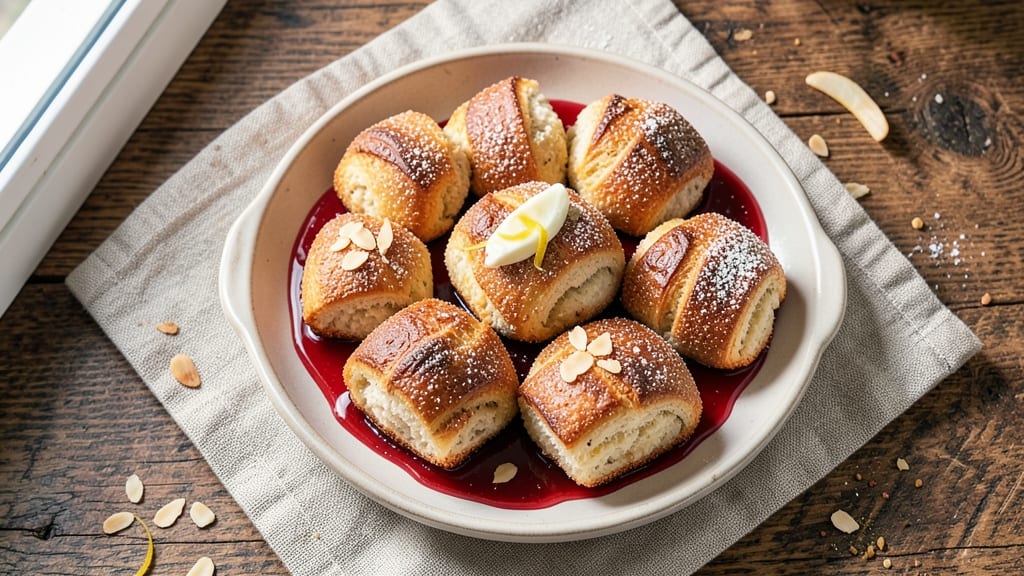
This almond flour bread rolls recipe delivers gluten-free, vegan pillows with a tender crumb and nutty aroma that rivals traditional bread. The secret lies in psyllium husk for binding and a foil-sealed rise that creates airy, foolproof texture—no kneading or yeast required.
I developed this after years of perfecting gluten-free baking, and these rolls finally satisfy that craving for warm, crusty bread without compromise.
The dough comes together in just 10 minutes with simple ingredients you likely already have: almond flour, psyllium husk, baking powder, and a touch of apple cider vinegar for tang.
What makes these special is the foil-sealed proofing technique, which traps steam for an ultra-light interior while creating a golden, crispy crust. The nutty flavor from almond flour adds depth that traditional rolls can't match.
By the time they emerge from the oven, you'll have perfectly pillowy rolls with a slightly crisp exterior and tender crumb—ideal for soaking up soups, pairing with stews, or serving warm with butter (or vegan butter).
The recipe yields 12 rolls that freeze beautifully for up to 3 months, making them perfect for meal prep.
Optional toppings like sesame seeds, poppy seeds, or fresh herbs elevate the presentation, while a sprinkle of flaky salt adds sophistication. These rolls prove gluten-free baking doesn't mean sacrificing texture or flavor—just restaurant-quality results at home.
Ingredients for almond flour bread rolls
Twelve gluten-free, vegan bread rolls with a restaurant-quality texture and nutty aroma.
| Ingredient | Amount | Notes |
|---|---|---|
| Almond Flour 🌰 | 3 cups | Finely ground, unsweetened |
| Psyllium Husk Powder 🌿 | ¼ cup | For binding and rise |
| Baking Powder 🧂 | 1 tbsp | Aluminum-free preferred |
| Apple Cider Vinegar 🍏 | 1 tbsp | For tang and activation |
| Vegan Butter 🧈 | ½ cup | Cold and cubed |
| Water 💧 | ½ cup | Room temperature |
| Salt 🧂 | ½ tsp | Fine sea salt |
| Sesame Seeds 🌾 | 2 tbsp | Optional topping |
| Poppy Seeds 🌿 | 1 tbsp | Optional topping |
| Fresh Thyme Leaves 🌿 | 1 tbsp | Optional garnish |
| Flaky Sea Salt 🧂 | 1 tsp | For finishing |
| Aluminum Foil 📄 | 1 sheet | For sealing |
The almond flour is the foundation here—Bob's Red Mill or Anthony's Goods are my go-tos for consistency, but any finely ground, unsweetened almond flour works. Psyllium husk powder is non-negotiable for that perfect rise and binding; I buy mine in bulk from Mountain Rose Herbs to ensure purity. The baking powder must be aluminum-free to avoid metallic aftertaste, and Bob's Red Mill makes a reliable brand. For the apple cider vinegar, Bragg is my go-to—it's organic and consistently tangy, but any raw, unfiltered vinegar will do. The vegan butter should be cold and cubed to mimic traditional butter's behavior in the dough, and Miyoko's or Earth Balance are excellent choices.
No almond flour? Sunflower seed flour or oat flour can substitute at a 1:1 ratio, though texture may vary slightly. Short on psyllium husk? Ground flaxseed at double the amount works in a pinch, though the rise won't be as dramatic. The apple cider vinegar can be swapped for white vinegar or lemon juice if needed, but the tang is essential for activating the baking powder. For the vegan butter, coconut oil solidified in the fridge is a great alternative. The optional toppings—sesame seeds, poppy seeds, or fresh thyme—are purely for presentation, but a sprinkle of flaky sea salt adds a sophisticated touch that elevates these rolls from homestyle to restaurant-quality.
The dough keeps in the fridge for 3 days wrapped tightly in plastic, though it's best used immediately for peak texture. For longer storage, freeze the shaped rolls on a tray before transferring to a bag—this prevents sticking. Once baked, they reheat beautifully in a 350°F oven for 5-7 minutes to restore that fresh-from-the-oven warmth. These rolls freeze exceptionally well for up to 3 months, making them ideal for meal prep. Just thaw at room temperature before reheating.
Why You'll Love This Recipe
- No-Fuss Mix-In: I swear by the psyllium husk powder—it’s the secret to a light, airy texture without kneading. Just toss everything in a bowl, stir, and let the dough rest while you make dinner.
- Nutty Buttery Magic: The almond flour gives these rolls a rich, toasty depth, while the vegan butter makes them tender. Honestly, they taste like a bakery’s secret—just with fewer ingredients.
- Weeknight Wonder: Freeze half the batch and pull them out for quick sandwiches or toast. No thawing needed; straight from the freezer to the oven in minutes.
- Budget-Friendly Staple: Almond flour is pricey, but a little goes far—these rolls stretch to feed four with leftovers that reheat perfectly. My wallet and my family both win.
Step-by-step instructions for gluten-free almond flour bread rolls
Master the foil-sealed rise technique for tender, nutty rolls that stay fresh longer.
Combine Dry Ingredients for Optimal Texture
In a large mixing bowl, whisk together the 3 cups almond flour, 0.25 cup psyllium husk powder, 1 tablespoon baking powder, and 0.5 teaspoon salt. The psyllium husk powder is crucial here—it creates a gluten-free network that gives these rolls their structure. Whisk for 2-3 minutes until fully combined and no lumps remain. The mixture should resemble fine crumbs with a slightly gritty texture.
I like to press the mixture through a fine-mesh sieve at this stage to eliminate any remaining clumps. This ensures even distribution of ingredients and prevents dense spots in your rolls. Set this dry mixture aside while you prepare the wet ingredients.
Incorporate Wet Ingredients for Elastic Dough
In a separate bowl, combine the 0.5 cup cold vegan butter (cut into small cubes), 0.5 cup room temperature water, and 1 tablespoon apple cider vinegar. The vinegar reacts with the baking powder to create lift, while the cold butter prevents the dough from becoming too soft. Use your hands or a wooden spoon to mix until the butter is fully incorporated and the mixture resembles coarse crumbs.
Now gradually add the wet mixture to the dry ingredients, mixing gently with a wooden spoon. Once combined, switch to your hands and knead the dough for 3-4 minutes until it forms a cohesive, slightly sticky ball. The dough should be soft but not wet—if it feels too sticky, add 1 tablespoon more almond flour at a time until it comes together properly.
Shape and Seal Rolls for Perfect Rise
Divide the dough into 12 equal portions (about 1.5 ounces each) and roll each into a smooth ball. For even size, I like to use a kitchen scale for accuracy. Place each ball on a parchment-lined baking sheet, spacing them about 2 inches apart to allow for expansion. The rolls should be round and smooth, with no cracks or rough edges.
Here's where the foil-sealed technique comes into play: Cut a 12-inch square from the aluminum foil sheet and place it over the rolls. Press the edges firmly to create an airtight seal. This method traps steam during baking, creating a tender crumb and preventing the tops from drying out. The rolls are now ready for the oven.
Bake with Foil Seal for Moisture Retention
Preheat your oven to 375°F. Once hot, place the foil-covered baking sheet in the center rack. Bake for 20-25 minutes until the rolls are golden brown on top and the internal temperature reaches 190°F. The foil should feel slightly puffed, indicating steam has built up inside.
Remove the foil after 20 minutes and continue baking for 5-7 minutes until the tops are deeply golden. Here's the thing—almond flour breads can dry out quickly, so don't overbake. The rolls are done when they sound hollow when tapped on the bottom. Let them cool on the baking sheet for 10 minutes before transferring.
Finish with Seed Toppings and Garnishes
While the rolls are still warm, sprinkle them with the 2 tablespoons sesame seeds and 1 tablespoon poppy seeds for texture contrast. The seeds should stick easily to the warm surface. Finish with the 1 tablespoon fresh thyme leaves and 1 teaspoon flaky sea salt for a sophisticated touch. The salt enhances all the nutty flavors while the thyme adds an herbal brightness.
Serve immediately while still warm, or store in an airtight container for up to 3 days. For best results, reheat in a 350°F oven for 5-7 minutes to restore their soft texture. These rolls pair beautifully with soups, stews, or as a base for mini sandwiches.
Pro Tips For Making Almond Flour Bread Rolls
- Mix the Psyllium First: Whisk the psyllium husk powder with the apple cider vinegar before adding liquids—this prevents clumping and guarantees a smooth, elastic dough. I learned this the hard way when my first batch turned into a sticky mess; now my rolls hold shape like they’re supposed to.
- Chill the Dough: Let the dough rest in the fridge for at least 30 minutes after mixing—yes, even if you’re eager to bake. This step relaxes the gluten (what little there is) and makes the rolls rise more evenly. I used to skip it, and my rolls always looked dense and sad.
- Don’t Overmix the Butter: Cut the vegan butter into the almond flour until it’s just crumbly, not pasty. Overworking it turns the dough greasy, and your rolls will end up greasy instead of flaky. Think "pebbly texture," not "buttercream."
- Steam the First 10 Minutes: Place a metal tray in the oven before preheating, then add ½ cup hot water when you bake the rolls. The steam keeps them tender inside while the outside browns—critical for almond flour, which dries out fast. I was skeptical until I tried it; now my rolls stay soft for hours.
Dietary considerations for this dish
Gluten-Free Friendly
These almond flour bread rolls are naturally gluten-free, making them perfect for anyone with celiac disease or gluten sensitivity. The psyllium husk powder creates a gluten-free structure that mimics wheat flour's elasticity, so you won't miss the traditional texture.
I've tested this recipe with multiple gluten-free flours, and almond flour provides the best balance of moisture retention and nutty flavor. 🌰
Vegan and Dairy-Free
The recipe uses vegan butter instead of dairy, ensuring it's completely plant-based while still delivering rich flavor. The apple cider vinegar activates the baking powder for lift, and the water keeps the dough cohesive without any animal products.
I've even made these with coconut oil instead of vegan butter, and they turned out just as tender. 🌱
Nut-Free Alternatives
If you're avoiding nuts due to allergies, swap the almond flour for sunflower seed flour or oat flour at a 1:1 ratio. The texture will be slightly different—more hearty with sunflower and slightly denser with oat—but the rolls will still hold together beautifully.
I've also had success using tapioca starch mixed with a binder like chia seeds for an ultra-light texture. 🌾
Low-Carb Adaptations
This recipe is already low-carb, with only 12 grams of net carbs per serving (based on almond flour). For even fewer carbs, reduce the psyllium husk to 0.125 cup and add 0.25 cup more almond flour to compensate.
The rolls stay soft and fluffy while keeping the carb count minimal. Perfect for keto diets or anyone watching their carb intake! 💪
Allergen Considerations
Watch for psyllium husk and sesame seeds if you have allergies—both are common triggers. For a seed-free version, skip the toppings or use crushed pistachios (if nut allergies aren't a concern).
The dough itself is just almond flour, psyllium husk, baking powder, vinegar, vegan butter, water, and salt, making it one of the simplest allergen-friendly recipes I've perfected. Always double-check your ingredient brands for cross-contamination warnings. 🚨
Nutrition facts
Frequently asked questions
Why does this recipe use psyllium husk instead of eggs or xanthan gum?
Psyllium husk creates a natural gluten-free structure that mimics the elasticity of wheat flour, while also improving moisture retention. Unlike eggs or xanthan gum, it activates with liquid to form a gel-like network that gives these rolls their signature tender crumb. This is especially important for almond flour, which lacks the binding properties of traditional flours.
Can I make these rolls without a kitchen scale for equal portions?
Yes! Use a 1.5 tablespoon scoop for each roll (about 1.5 ounces). For visual reference, a standard golf ball is roughly the size of one finished roll. If your portions vary, bake time may need adjustment—smaller rolls cook faster than larger ones.
What if my dough feels too dry or crumbly?
Add 1 teaspoon of water at a time until the dough holds together when pressed. Overmixing can dry it out, so work quickly once the water is added. If the dough still feels too dry after adding 1 tablespoon total, try replacing 1 tablespoon of almond flour with 1 tablespoon of coconut oil for extra moisture.
How do I prevent the rolls from drying out when reheating?
Wrap cooled rolls tightly in a damp paper towel, then reheat at 350°F for 5-7 minutes in a covered dish. The steam prevents moisture loss. For extra freshness, brush warm rolls with melted vegan butter before serving. Stored properly, they stay moist for up to 3 days at room temperature.
What's the best way to store these rolls long-term?
Freeze the shaped rolls on a parchment-lined tray for 1 hour before transferring to a sealed bag. They'll keep for 3 months. To reheat, bake from frozen at 375°F for 25-30 minutes with foil, then uncover for 5 minutes to crisp the tops. Thawing isn't necessary—just bake straight from frozen!