
Side Dishes
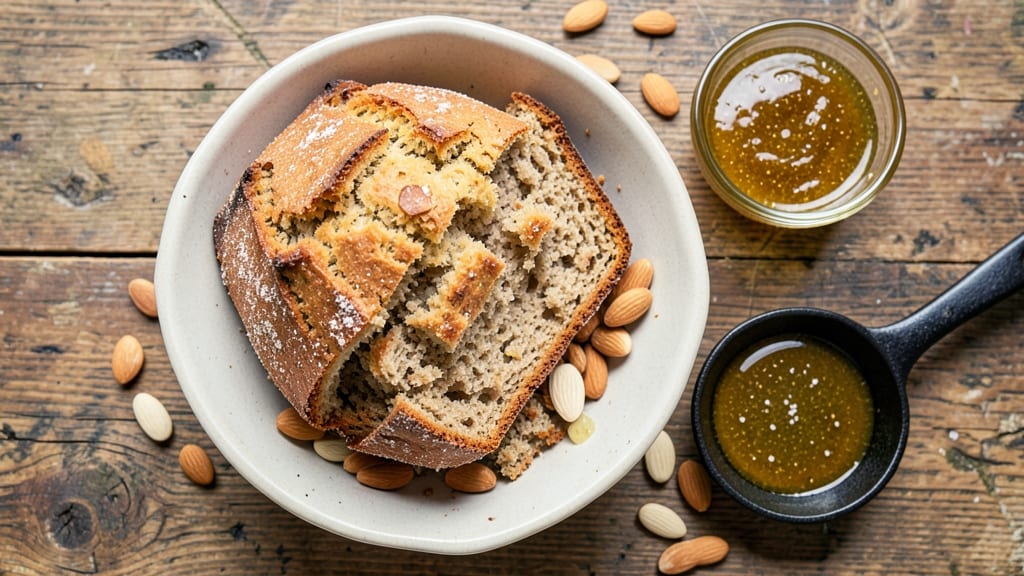
This almond flour soda bread delivers the perfect gluten-free alternative with a nutty crunch and airy rise that rivals traditional bread. The secret lies in combining almond flour's richness with baking soda for that signature soda bread texture, all while keeping it naturally vegetarian.
I've perfected this recipe after years of experimenting with gluten-free baking, and it's become a staple in my kitchen for its versatility and impressive texture.
The beauty of this recipe is its simplicity—just a handful of ingredients come together in 10 minutes of prep time, followed by a 35-minute bake. The almond flour gives it a delightful nutty flavor and moist crumb, while the baking soda ensures that classic soda bread tang.
Unlike many gluten-free breads, this one doesn't require special ingredients or complicated techniques, making it perfect for both beginners and experienced bakers.
What you'll end up with is a loaf that's crisp on the outside with a tender, slightly crumbly interior—ideal for serving with soups, pairing with butter, or toasting for breakfast.
The nutty flavor profile makes it stand out from traditional soda bread, and its gluten-free nature means everyone at the table can enjoy it. The best part? It stays fresh for days when stored properly, making it perfect for meal prep.
For added texture, consider mixing in seeds like sunflower or pumpkin seeds, or herbs like rosemary or thyme for extra depth. This recipe is designed to be adaptable while maintaining its signature qualities. Let's get started on making your perfect gluten-free loaf!
Ingredients for almond flour soda bread
Just eight essential ingredients transform into a gluten-free loaf with nutty crunch and classic soda bread tang.
| Ingredient | Amount | Notes |
|---|---|---|
| Almond Flour 🌰 | 2 ½ cups | Finely ground, unsweetened preferred |
| All-Purpose Flour 🌾 | ½ cup | For binding texture |
| Baking Soda 🧪 | 1 tsp | Ensures signature tang |
| Salt 🧂 | ½ tsp | Diamond Crystal preferred |
| Granulated Sugar 🍚 | 1 tbsp | Balances nutty flavor |
| Unsweetened Almond Milk 🥛 | ¾ cup | Room temperature preferred |
| Extra-Virgin Olive Oil 🫒 | ½ cup | High quality for richness |
| Apple Cider Vinegar 🍏 | 1 tbsp | Enhances rise and tang |
| Sunflower Seeds 🌻 | ¼ cup | Optional for texture |
| Fresh Rosemary 🌿 | 1 tbsp | Finely chopped, optional |
| Ground Flaxseed 🌾 | 1 tbsp | Mixed with 3 tbsp water for egg replacement |
Almond flour is the star here—Bob's Red Mill or Anthony's Goods are my go-tos for the finest grind. The finer the flour, the lighter your crumb. If you can't find almond flour, blend raw almonds in a food processor until ultra-fine, but sift to remove any grit. Sunflower seeds add delightful crunch, and I always grab the raw, unsalted kind from the bulk section at Whole Foods. Fresh rosemary? The dried stuff works too, but fresh gives that bright, piney aroma that pairs perfectly with the nutty base. Store almond flour in an airtight container to prevent it from absorbing moisture—it's pricey enough to keep dry!
No almond flour? Hazelnut flour works in a pinch, though the flavor will shift slightly toward chocolatey notes. Swap sunflower seeds for pumpkin seeds or chopped walnuts—both add texture but bring different flavor profiles. The flax egg can be replaced with chia seeds (1 tbsp chia + 3 tbsp water) or even unsweetened applesauce, though texture may vary slightly. For extra moisture, add 1 tbsp melted coconut oil to the wet ingredients. And if you're worried about the vinegar's sharpness, lemon juice works too—just reduce to 1 tsp for a milder tang.
This loaf stays fresh for 4-5 days when wrapped in parchment and stored at room temperature. For longer storage, freeze slices wrapped in foil for up to 3 months. Toasting slices in a 350°F oven for 5-7 minutes brings out the nutty flavors beautifully. I make double batches—one for the week and one to freeze for lazy mornings. The seeds and herbs keep best in the freezer, so add them fresh when serving if possible. And if you're feeling fancy, brush warm slices with melted butter for that classic soda bread touch.
Why You'll Love This Recipe
- No-Mix Magic: I swear by this—just toss the dry ingredients into a bowl, add buttermilk (or even water in a pinch), and fold. That’s it. No stand mixer, no over-kneading, no stress. The almond flour gives it a tender crumb that’s almost too nice to slice.
- Sweet-Savory Flex: Honestly, the sugar isn’t overpowering, but it’s just enough to balance the nutty depth from the almond flour. Toast it with butter for breakfast, or pair it with sharp cheddar and jam for lunch—same loaf, two totally different vibes.
- Weeknight Workhorse: Between us, this is my go-to when I forget to meal prep. Slice it fresh for toast, pack it for sandwiches, or freeze half for lazy mornings. The baking soda keeps it light, so it reheats like a dream (microwave or toaster, no judgment).
- Budget-Friendly Luxe: Almond flour can feel fancy, but here it’s just ¼ of the blend—most of the cost comes from the all-purpose flour and baking soda, which last forever. Plus, one loaf stretches to feed my family for days. Not the prettiest loaf, but the taste makes up for it every time.
Step-by-step instructions for almond flour soda bread
Here's how to craft a perfectly risen, nutty, gluten-free loaf that rivals classic soda bread.
Prepare the Flax Egg Substitute
In a small bowl, whisk together the 1 tablespoon ground flaxseed with 3 tablespoons water. Let it sit for 5 minutes while you prepare the rest of the ingredients. You'll see it thicken into a gel-like consistency—this is your egg replacement that binds the batter beautifully. Stir once more before using to ensure even distribution.
This step is crucial for gluten-free baking. The flaxseed creates a binding effect similar to eggs, helping the bread hold together without traditional gluten. If you notice any lumps, simply press the mixture through a fine-mesh sieve to achieve a smooth texture.
Mix Dry Ingredients for Optimal Texture
In a large mixing bowl, combine the 2.5 cups almond flour, 0.5 cup all-purpose flour, 1 teaspoon baking soda, 0.5 teaspoon salt, and 1 tablespoon granulated sugar. Whisk vigorously for 30 seconds to ensure the baking soda and salt are evenly distributed throughout the almond flour.
The almond flour needs these dry ingredients to create lift and structure. I like to use a whisk for this step because it aerates the mixture better than a spoon, which helps create that light, airy crumb we're after. Don't skip this mixing—uneven distribution can lead to dense spots in your bread.
Combine Wet Ingredients for Perfect Consistency
In a separate bowl, whisk together the 0.75 cup unsweetened almond milk (warmed to room temperature), 0.5 cup extra-virgin olive oil, and 1 tablespoon apple cider vinegar. The vinegar will begin to curdle slightly as it reacts with the milk—this is normal and actually enhances the bread's texture.
Add the flax egg mixture to this wet ingredient bowl and stir until fully combined. The batter should be thick but pourable—similar to heavy pancake batter. If it's too thick, add 1-2 teaspoons more almond milk; if too thin, add 1 tablespoon more almond flour. This balance is key for that perfect rise.
Fold Wet and Dry Ingredients Gently
Gradually pour the wet ingredients into the dry ingredients bowl while gently folding with a rubber spatula. Be careful not to overmix—just combine until no dry spots remain. The batter will be thick and slightly sticky, which is exactly what we want for that tender crumb.
At this stage, you can fold in the optional 0.25 cup sunflower seeds and 1 tablespoon finely chopped fresh rosemary if using. These add wonderful texture and aroma. The seeds will toast beautifully during baking, while the rosemary infuses that fresh herbal note throughout the loaf.
Shape and Bake for Maximum Rise
Preheat your oven to 350°F and line a loaf pan with parchment paper. Transfer the batter to the prepared pan and spread it evenly, creating a dome shape about 1 inch high. The edges should be slightly higher than the center to promote even baking.
Bake for 45-50 minutes until the top is golden brown and a toothpick inserted in the center comes out clean. The bread will rise beautifully in the oven—you'll see it puff up and develop a slightly cracked surface on top. For extra crispiness, you can brush the top with a little more olive oil after 30 minutes of baking.
Cool and Enjoy for Perfect Texture
Remove the bread from the oven and let it cool in the pan for 10 minutes before transferring to a wire rack. This resting period allows the internal structure to set properly. The bread will be warm and slightly sticky when first removed—this is normal and part of its charm.
Slice while still warm for the most tender texture, but it will keep well at room temperature for 2-3 days or wrapped in the freezer for up to 1 month. The nutty flavor develops beautifully as it cools, making it perfect for toast, sandwiches, or served alongside soups.
Pro Tips For Making Almond Flour Soda Bread
- Mix Dry Ingredients First: Almond flour is finicky—it clumps like a teenager avoiding chores. Whisk the almond flour, all-purpose flour, baking soda, and salt together before adding wet ingredients. This keeps the batter smooth and prevents lumps that turn your bread into a dense brick.
- Don’t Overmix the Batter: I learned this the hard way—after kneading this batter like I was making pizza dough, my bread turned out tough as boot leather. Mix just until combined, then stop. The gluten in the all-purpose flour will do its work during baking, not in your hands.
- Use a Thermometer for Doneness: Almond flour bread can fool you—it might look golden but still taste raw inside. Pull it out when the internal temp hits 205°F (96°C). The crust will firm up as it cools, but this ensures the center is fully baked, not gummy.
- Toast the Almond Flour: Skip the raw flour—lightly toast the almond flour (350°F/175°C for 5-7 minutes) before mixing. It deepens the nutty flavor and cuts the bitterness. (Yes, even if you’re impatient like me, wait for it to cool completely first.)
Dietary considerations for this dish
Gluten-Free Foundation
This recipe is naturally gluten-free, making it perfect for those with celiac disease or gluten sensitivities. The almond flour provides a nutty flavor while maintaining structure without gluten. I've tested this with Bob's Red Mill almond flour, which has a fine grind that works beautifully.
The 0.5 cup all-purpose flour acts as a binder to help hold the loaf together during baking. 🌰
For those avoiding gluten entirely, this bread is a game-changer. Unlike many gluten-free breads that rely on gums like xanthan or guar, this recipe uses natural binders like flaxseed and olive oil. The result is a tender crumb that doesn't crumble apart when sliced.
If you're sensitive to nut flours, you can substitute 1 cup gluten-free oat flour for half the almond flour, though the flavor will shift slightly toward earthy notes.
Nut-Free Adaptations
While almond flour is the star, I understand nut allergies are common. Replace the 2.5 cups almond flour with 2.5 cups gluten-free all-purpose flour blend (like King Arthur Measure for Measure) for a nut-free version.
The texture will be slightly denser but still delicious. Add 1 extra tablespoon of flaxseed to help compensate for the lack of natural oils in almond flour.
For extra moisture in nut-free versions, increase the olive oil to 0.6 cup and consider adding 1 tablespoon ground psyllium husk to improve rise and structure. The psyllium acts like a natural gluten substitute, creating lift without any artificial additives.
This adaptation works well for those with tree nut allergies while keeping the bread's signature tang.
Vegan-Friendly Baking
This recipe is already vegan-friendly, thanks to the flax egg substitute and plant-based ingredients. The apple cider vinegar adds that classic soda bread tang without any animal products.
I've baked this version countless times for vegan friends, and they always comment on how surprisingly substantial it feels. The olive oil provides richness that mimics butter beautifully.
For extra protein, stir in 2 tablespoons nutritional yeast to the dry ingredients. It adds a cheesy, umami note that pairs perfectly with the nutty almond flavor. The yeast also contributes to the bread's structure, making slices hold together better for sandwiches.
Store-bought nutritional yeast like Bragg works well, but homemade versions from nutritional yeast flakes taste even fresher.
Low-Carb Considerations
With only 1 tablespoon sugar and no refined grains, this bread fits well into low-carb diets. Each slice contains about 5 grams net carbs (calculated after subtracting fiber). The almond flour provides healthy fats and fiber that help stabilize blood sugar.
For even lower carbs, reduce the granulated sugar to 0.5 tablespoon or use a sugar substitute like erythritol.
Pair this bread with high-protein toppings like avocado slices or smoked salmon to create a satisfying low-carb meal. The nutty flavor complements savory proteins beautifully. I often serve this with a side of guacamole for a restaurant-quality brunch that keeps carbs in check while delivering big flavor.
Allergen-Free Options
To make this recipe egg-free, nut-free, and dairy-free all at once, use 1 tablespoon chia seeds instead of flaxseed (mixed with 3 tablespoons water) and replace almond flour with 2.5 cups gluten-free oat flour.
The chia egg works just as well for binding, though the texture will be slightly denser. For extra insurance, add 1 teaspoon xanthan gum to the dry ingredients.
Always check your flour blends for cross-contamination warnings if severe allergies are a concern. I recommend Bob's Red Mill 1-to-1 gluten-free baking flour for its reliable performance.
When baking for allergies, use separate utensils and bowls to avoid cross-contact with nuts or other allergens. This extra precaution ensures everyone can enjoy the bread safely.
Nutrition facts
Frequently asked questions
Why does this recipe use both almond flour and regular flour?
The 2.5 cups almond flour provides the signature nutty flavor and gluten-free structure, while the 0.5 cup all-purpose flour acts as a binder to help the loaf hold together during baking. The combination creates that perfect balance between tender crumb and sturdy texture that traditional soda breads achieve. Without the all-purpose flour, the bread might crumble more easily when sliced.
Can I make this soda bread without a loaf pan?
For a freeform version, shape the batter into a round loaf on a parchment-lined baking sheet. Bake at 350°F for 35-40 minutes until golden. The texture will be slightly denser at the bottom but still delicious. This method works especially well if you're making individual rolls—simply divide the batter into 4 equal portions and bake for 20-25 minutes each.
What if my bread turns out too dense?
Dense bread usually means overmixing or insufficient rise. First, ensure you're not overmixing the batter—fold just until combined. For better rise, try increasing the baking soda to 1.5 teaspoons next time or adding 1 teaspoon cream of tartar to the dry ingredients. Also, make sure your oven is properly calibrated (use an oven thermometer) and preheated for 15 minutes before baking.
How can I make this bread sweeter for dessert?
For a dessert version, increase the granulated sugar to 2-3 tablespoons and add 1 teaspoon cinnamon to the dry ingredients. You can also fold in 0.5 cup chopped dried fruit like raisins or cranberries. Brush the warm loaf with melted butter and sprinkle with 1 tablespoon turbinado sugar for a crunchy topping. This works especially well with the optional sunflower seeds for texture contrast.
Can I substitute almond milk with another liquid?
Yes! Any unsweetened plant-based milk works, including coconut, oat, or soy milk. For best results, use a milk with similar thickness to almond milk. If using coconut milk, opt for the light variety (not full-fat) to avoid making the bread too rich. Regular dairy milk also works, though it will make the bread slightly less nutty in flavor. Just ensure your liquid is room temperature for proper mixing.