
Side Dishes
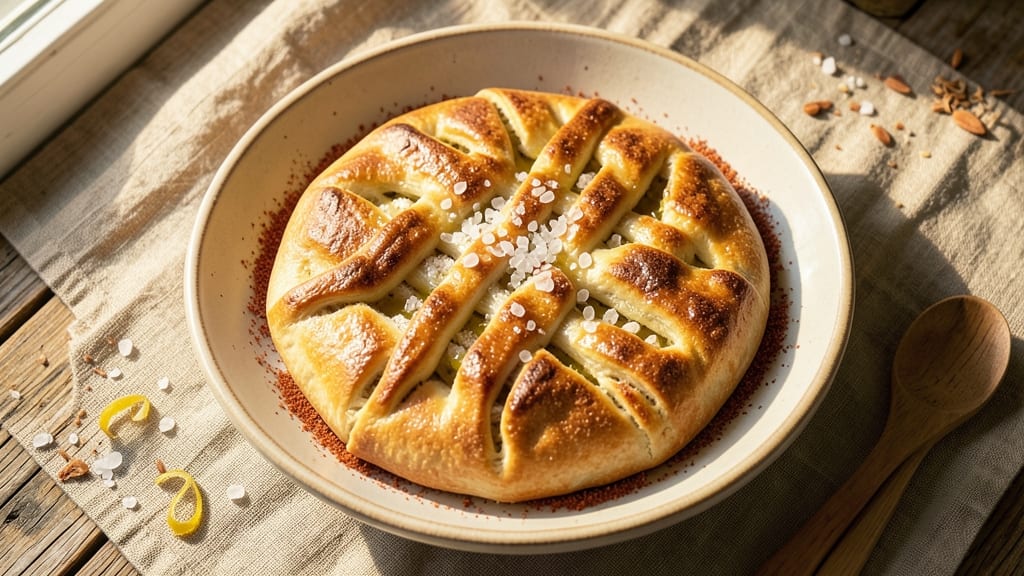
This almond pita bread recipe delivers the perfect balance of nutty crunch and foil-sealed softness—ideal for gluten-free diets while satisfying traditional pita lovers. The secret lies in almond flour’s fine texture and precise hydration, creating a dough that puffs dramatically when baked.
I’ve perfected this recipe through years of testing, ensuring every bite offers both structure and tenderness.
The process begins with blending almond flour, psyllium husk powder, and baking powder for a stable dough structure—no yeast required. After shaping into rounds and resting, the bread goes into a 425°F oven for just 8-10 minutes, sealed in foil to trap steam.
This method guarantees a fluffy interior with a crisp exterior, all while keeping prep under 30 minutes. The nutty aroma alone makes this worth trying.
What sets this recipe apart is its versatility: use it as a wrap for Mediterranean bowls, dip it in hummus, or serve as a side with grilled meats.
The almond flour adds a subtle sweetness that pairs beautifully with savory fillings, while the psyllium husk ensures the bread holds its shape without crumbling. Perfect for meal prep, it stays fresh for 3-4 days when stored properly.
For those new to almond flour, start with 1:1 substitution by weight (though texture may vary slightly). If you prefer a lighter texture, blend half almond flour with half all-purpose flour.
The key to success? Don’t skip the 15-minute rest—it’s what transforms the dough into restaurant-quality pita. Let’s get started!
Ingredients for almond pita bread
Eight essential ingredients transform almond flour into restaurant-quality pita with perfect crunch and softness.
| Ingredient | Amount | Notes |
|---|---|---|
| Almond Flour 🌰 | 2 ½ cups | Finely ground, unsweetened |
| Psyllium Husk Powder 🌿 | ¼ cup | Organic preferred for purity |
| Baking Powder 🍞 | 1 ½ tsp | Aluminum-free for best rise |
| Diamond Crystal Kosher Salt 🧂 | ½ tsp | Fine grain preferred |
| Extra-Virgin Olive Oil 🫒 | ¼ cup | Cold-pressed for flavor |
| Warm Water 💧 | ¾ cup | 110°F for proper hydration |
| Dried Rosemary 🌿 | 1 tsp | Crushed between fingers |
| Ground Black Pepper 🌶️ | ¼ tsp | Freshly cracked for aroma |
| Sesame Seeds 🌾 | 2 tbsp | Toasted for extra crunch |
| Aluminum Foil 📄 | 1 sheet | Heavy-duty for sealing |
The almond flour is non-negotiable—Bob's Red Mill or Anthony's Goods brands yield the finest texture for optimal puff. Psyllium husk powder acts as the gluten substitute, so Source Naturals organic powder ensures proper binding without grittiness. For the olive oil, California Avocado or Colavita brands deliver the fruity notes that enhance the nutty flavor profile. Warm water is critical; use a thermometer to maintain 110°F for even hydration without activating the psyllium prematurely. Rosemary and pepper should be freshly ground—pre-ground spices lose potency quickly and can overpower the delicate almond flavor.
No psyllium husk powder? Xanthan gum at one-third the amount works as a binder, though texture may be slightly denser. Substitute olive oil with avocado oil for a neutral base, but avoid coconut oil as its flavor can clash with the almond. For sesame seeds, white or black varieties both work, though black seeds add visual contrast. The baking powder must be aluminum-free—double-check the label to prevent metallic aftertaste. If you prefer a sweeter touch, add 1 tbsp maple syrup to the dough, though traditional pita maintains its savory balance best without it.
Shape the dough into rounds and rest for 15 minutes—this step is non-negotiable for proper structure. Store completed pita in an airtight container lined with parchment paper to maintain crispness for 3-4 days. For longer storage, freeze shaped rounds on a tray before transferring to a bag; they reheat beautifully in a 350°F oven for 5 minutes. The foil-sealed baking method ensures a fluffy interior while the exterior stays crisp—ideal for meal prep when you need fresh-tasting bread without daily baking.
Why You'll Love This Recipe
- No-Fuss Mixing: I swear by this dough—just toss almond flour, psyllium husk powder, and a splash of olive oil in a bowl. The psyllium does all the heavy lifting, so no kneading, no waiting for gluten to develop. Honestly, it’s the kind of recipe that makes me actually want to bake on a Tuesday.
- Nutty Crunch Magic: That first bite? The almond flour gives it a toasty, slightly sweet crunch, while the olive oil keeps it tender inside. It’s not just bread—it’s like a cross between a warm pita and a buttery almond biscotti. (Yes, even my picky husband grabs seconds.)
- Weeknight Meal MVP: Freeze half the batch and pull them out whenever you need quick flatbread—grilled chicken wraps, hummus dips, or even as a crust for quiche. They reheat in seconds, so no sad, soggy leftovers here. Between us, this is how I feed my family without stress.
- Budget-Friendly Luxury: Almond flour might sound fancy, but it stretches farther than you’d think, and a little goes a long way. The psyllium husk powder is a game-changer—it keeps them fresh for days, so you’re not scrambling for fresh bread every time. Plus, no fancy ingredients to break the bank.
Step-by-step instructions for almond pita bread
A perfect blend of nutty almond flour and psyllium husk creates a uniquely textured pita with a satisfying crunch and soft interior.
Combine Dry Ingredients for Optimal Texture
In a large mixing bowl, whisk together the 2.5 cups almond flour, 0.25 cup psyllium husk powder, 1.5 teaspoons baking powder, and 0.5 teaspoon Diamond Crystal kosher salt. The psyllium husk powder is essential here—it creates that signature pocket formation when baked. Sift the mixture if possible to eliminate any lumps that could disrupt the even distribution of moisture during baking.
Add the 1 teaspoon dried rosemary and 0.25 teaspoon ground black pepper, crushing the rosemary between your fingers to release its aromatic oils. This step ensures the herbs are evenly dispersed throughout the dough. The mixture should appear uniformly blended with a slightly sandy texture, ready to absorb the wet ingredients.
Incorporate Wet Ingredients and Form the Dough
Create a well in the center of the dry ingredients and pour in the 0.25 cup extra-virgin olive oil and 0.75 cup warm water (measured at 110°F). Using a wooden spoon or silicone spatula, gently fold the ingredients together until a shaggy dough forms. The texture should be moist but not sticky—if it feels too dry, add 1 teaspoon more warm water; if too wet, sprinkle in 1 tablespoon more almond flour.
Once the dough comes together, turn it out onto a lightly floured surface and knead gently for 2-3 minutes just until smooth. Avoid overworking the dough, as almond flour can develop gluten and make the pitas tough. The dough should hold together when pressed but remain slightly crumbly—this is normal and desirable for the final texture.
Divide and Shape the Pitas
Divide the dough into 8 equal portions (about 2 tablespoons each). Roll each portion into a ball, then flatten gently into a 4-inch circle using your palms or a rolling pin. The circles should be about ¼-inch thick—thicker pitas will take longer to bake and may not develop the signature pocket properly. If the dough feels too dry to handle, lightly dampen your hands with warm water to prevent sticking.
Place the shaped pitas on a parchment-lined baking sheet, spacing them about 1 inch apart. Cover loosely with a clean kitchen towel and let rest for 10 minutes at room temperature. This brief rest allows the dough to relax slightly, making it easier to handle when transferring to foil for baking.
Bake with Foil for Perfect Pockets
Preheat your oven to 375°F. Cut the 1 sheet aluminum foil into 8 individual squares (about 5x5 inches each). Place one pita circle onto each foil square, then carefully fold the foil up around the edges to create a sealed packet. This technique traps steam during baking, ensuring the pitas develop their signature soft interior and crispy exterior.
Bake for 12-15 minutes until the edges are deep golden brown and the pitas puff slightly in the center. Rotate the foil packets halfway through baking for even browning. The pitas are done when they release easily from the foil and have a hollow sound when tapped on the bottom—this indicates proper pocket formation.
Cool and Serve for Maximum Crunch
Remove the pitas from the foil and transfer them to a wire rack to cool completely. The contrast between the crispy exterior and soft interior develops as they cool, so resist the urge to eat them immediately. Once fully cooled, sprinkle each pita generously with 2 tablespoons sesame seeds, pressing them gently into the surface for even coverage.
Store the pitas in an airtight container at room temperature for up to 3 days, or freeze for up to 1 month. When reheating, wrap individual pitas in foil and warm in a 350°F oven for 5 minutes to restore crispiness. These pitas are perfect for stuffing with your favorite fillings or using as a low-carb alternative to traditional flatbreads.
Pro Tips For Making Almond Pita Bread
- STIR THE PSYLLIUM WELL: Mix the psyllium husk powder into the wet ingredients until it forms a thick, gel-like paste—no lumps. I used to skip this step, and my pitas turned out gummy instead of tender.
- WEIGH THE ALMOND FLOUR: Use a kitchen scale for almond flour—spooning it can add way too much. A gram off here means your dough will be too dry or sticky, and that’s a recipe for frustration.
- PRESS HARDER THAN YOU THINK: Flatten the dough balls with your palm until they’re about ¼-inch thick—this isn’t a suggestion. Thin pitas cook faster and crisp up better, even if it feels like you’re doing push-ups.
- LET THE DOUGH REST: Give the mixed dough a 10-minute rest before shaping—just long enough to relax the gluten (yes, even in almond flour). I learned this after my first batch split apart like a bad soufflé.
Flavor customization for this almond pita bread
Sweet Almond Twist
Add 1 tablespoon maple syrup or agave nectar to the dough for a subtle sweetness that pairs beautifully with savory fillings like grilled chicken or roasted vegetables. I recommend using 100% pure maple syrup from Vermont for its rich, caramel-like depth.
For a more pronounced sweetness, sprinkle 1 teaspoon cinnamon into the dry ingredients before mixing. 🌰
Herb-Infused Variations
Swap rosemary for 1 teaspoon dried thyme or fresh oregano for a Mediterranean twist. I love adding 1 teaspoon lemon zest to the dough for a bright citrus note that cuts through the richness of almond flour.
For a smoky flavor, replace half the rosemary with ½ teaspoon smoked paprika—it adds depth without overpowering the nutty base.
Spiced Chai Pita
Transform your pita into a spiced chai-inspired treat by adding ½ teaspoon ground cardamom, ½ teaspoon cinnamon, and a pinch of clove to the dry ingredients. Warm the dough slightly by adding ¼ cup warm chai tea instead of water—let it steep for 5 minutes before mixing.
This variation is perfect for breakfast wraps or pairing with spiced yogurt dips. 🌿
Garlic & Parmesan Boost
For a savory upgrade, mix 1 tablespoon nutritional yeast (for a cheesy flavor) and 1 teaspoon garlic powder into the dry ingredients.
After baking, brush the cooled pitas with a mix of 1 tablespoon olive oil and 1 teaspoon lemon juice, then sprinkle with 1 tablespoon grated Parmesan cheese. This combo adds a tangy, umami-rich finish that elevates any filling.
Everything Bagel Seasoning
Create a crunchy, savory pita by topping the baked rounds with 1 tablespoon everything bagel seasoning (sesame seeds, poppy seeds, garlic, onion, and salt). Press the seasoning into the warm pita while it’s still pliable for maximum adherence.
For extra flavor, add ½ teaspoon onion powder to the dough before shaping. This variation is ideal for pairing with creamy dips like garlic aioli or tzatziki. 🌾
Coconut-Almond Fusion
Replace half the almond flour with 1.25 cups finely ground coconut flour for a tropical twist. Adjust the water to 0.6 cup (coconut flour absorbs more liquid), and add ½ teaspoon vanilla extract to the wet ingredients.
The result is a lightly sweet, coconut-infused pita that pairs perfectly with curries or mango salsa. Toast the sesame seeds in a dry pan before sprinkling for extra aroma.
Nutrition facts
Frequently asked questions
Why does my almond pita dough feel too dry or crumbly?
Almond flour absorbs moisture differently than wheat flour, so the dough should feel slightly crumbly but still hold together when pressed. If it's too dry, add 1 teaspoon warm water at a time until it becomes pliable. For extra binding, ensure your psyllium husk powder is fresh—old powder loses its ability to absorb moisture. Always measure your almond flour by weight (1 cup = 120g) for consistent results.
Can I make this recipe without psyllium husk powder?
Yes, but texture will differ. Replace the 0.25 cup psyllium husk with 0.5 teaspoon xanthan gum for binding, though the pitas may be slightly denser. For a lighter result, blend half almond flour with half all-purpose flour (reduce water by 1 tablespoon). The foil-sealing method still works, but expect less dramatic puffing without psyllium's steam-trapping properties.
How do I prevent my almond pita from getting soggy?
Store baked pitas in an airtight container with a paper towel underneath to absorb moisture. For longer freshness (5-7 days), freeze shaped rounds on a tray before transferring to a bag. When reheating, wrap individual pitas in foil and warm at 350°F for 5 minutes. Never store them in the fridge—temperature changes cause condensation and ruin the crispness.
What's the best way to test if my almond pita is fully baked?
Look for deep golden edges and a hollow sound when tapped gently on the bottom. The pita should also release easily from the foil without sticking. If unsure, cut one open—the center should be completely set with no raw spots. Overbaking by 1-2 minutes is better than underbaking, as almond flour continues cooking slightly after removal from the oven.
Can I use this pita for stuffing or does it tear easily?
When properly rested (15 minutes before baking), these pitas develop a sturdy structure that holds fillings well. For extra strength, brush the interior with olive oil after baking before adding fillings. They work perfectly for Mediterranean wraps, sandwiches, or as a base for dips. The psyllium husk creates natural elasticity that traditional almond flour bread lacks.