
Side Dishes
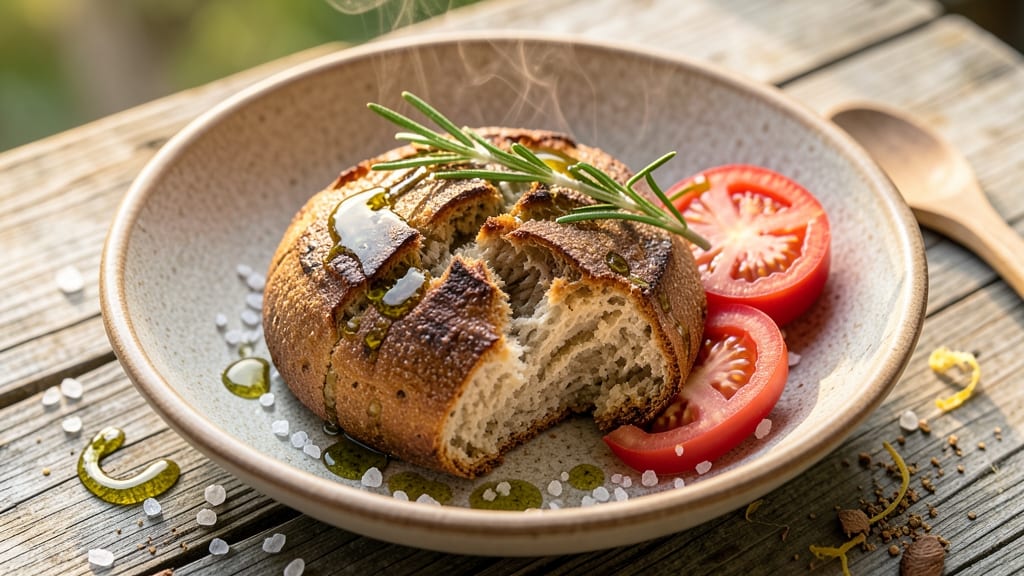
This Alpine bread recipe brings rustic mountain charm to your kitchen with its signature crusty exterior and tender crumb—perfect for soaking up soups or pairing with hearty stews.
The secret lies in the dough's simple yet powerful combination of flour, water, and yeast, shaped into small, foil-wrapped loaves that bake to golden perfection. I've perfected this recipe after years of experimenting with traditional Alpine techniques, ensuring every bite delivers that satisfying crunch and warm, chewy interior.
The beauty of Alpine bread lies in its versatility and foolproof method. Whether you're using a Dutch oven for that wood-fired crust or a standard oven with foil sealing, the result is consistently delicious.
The dough requires minimal effort—just mix, knead, proof, shape, and bake—but the reward is a loaf that tastes like a cozy mountain lodge. This recipe works equally well with all-purpose flour or whole grain for added texture and nutrition, making it adaptable to any kitchen.
What sets this Alpine bread apart is its distinctive aroma—earthy and slightly nutty from the baking process—paired with a crispy, caramelized crust that gives way to a soft, airy interior. The foil-sealed method traps steam, creating that ideal texture without requiring specialized equipment.
Once baked, the bread stays warm and fresh for days, making it ideal for meal prep or sharing with neighbors. It's the kind of dish that transforms ordinary meals into something special.
Serve this bread fresh from the oven with butter, olive oil, or your favorite jam, or use it to elevate soups, salads, or sandwiches. The possibilities are endless, and the process is straightforward enough for beginners yet refined enough to impress seasoned bakers.
Let’s get started on creating your own crusty mountain bites that taste like home.
Ingredients for alpine bread
Four cups flour, a pinch of yeast, and mountain magic—all you need for rustic Alpine bread.
| Ingredient | Amount | Notes |
|---|---|---|
| All-Purpose Flour 🌾 | 4 cups | High-protein preferred for chewiness |
| Active Dry Yeast 🍞 | ¼ tsp | Ensure it's fresh and active |
| Kosher Salt 🧂 | 1 ½ tsp | Diamond Crystal preferred |
| Granulated Sugar 🍚 | 1 tsp | Feeds yeast for faster rise |
| Warm Water 💧 | 1 ¼ cups | 105-110°F for optimal yeast activation |
| Extra-Virgin Olive Oil 🫒 | 2 tbsp | For dough elasticity and flavor |
| Alpine Herbs Blend 🌿 | 1 tsp | Dried thyme, rosemary, savory |
| Heavy Cream 🥛 | ½ cup | Optional for extra richness |
| Cornmeal 🌽 | ¼ cup | For dusting baking sheets |
| Aluminum Foil 📄 | 1 sheet | Heavy-duty for sealing loaves |
| Coarse Sea Salt 🧂 | ½ tsp | For sprinkling before baking |
| Ice Water ❄️ | ¼ cup | For shaping and handling dough |
The flour is non-negotiable here—King Arthur or Caputo Tipo 00 if you want to splurge, but King Arthur all-purpose works perfectly for home bakers. Yeast can be tricky; Bob's Red Mill or Saf-Instant are reliable brands, but always check the expiration date. The Alpine herbs blend is key for that earthy mountain aroma—Penzeys carries a pre-mixed version, or combine equal parts dried thyme, rosemary, and savory. For the water, 105-110°F is ideal—too hot kills the yeast, too cold slows it down. If you're unsure, microwave water for 30 seconds to warm it up.
No yeast on hand? Instant yeast works 1:1, but active dry requires a 5-minute soak in warm water with sugar. Substituting whole wheat flour? Replace up to 20% of the all-purpose for texture, but don't exceed that or the dough gets gummy. The heavy cream is optional but adds a luxurious crumb—full-fat works best. For the herbs, fresh is ideal if you're feeling fancy, but dried is fine too—just double the amount. And if you're baking without a Dutch oven, aluminum foil loaf pans work just as well for that sealed crust.
This dough keeps in the fridge for 3 days wrapped tightly in plastic, or up to 3 months frozen in a sealed bag. For best results, let it come to room temperature before shaping. The baked loaves stay fresh for 3-4 days at room temperature, wrapped in a towel, or 1 week in the fridge. Freeze any extras—toast straight from frozen for crispy results. The crusty exterior is best enjoyed within 2 days, so plan accordingly if you're making a batch for company.
Why You'll Love This Recipe
- Five-Ingredient Magic: I swear by this—just flour, yeast, salt, sugar, and water. No fancy starters, no waiting for sourdough cultures. Honestly, if you can measure and mix, you can nail this.
- Crust That Cracks: That golden, shatterable crust? It’s the real star. The yeast and sugar work together to give it just enough chew, while the salt keeps it from getting bland—like a hug for your sandwich.
- Weeknight Workhorse: Toss it in a loaf pan for dinner, slice it for toast tomorrow, or pack it for lunches. Between us, I’ve had it for breakfast, dinner, and midnight snacks—it’s that reliable.
- Budget-Friendly Staple: Five dollars’ worth of ingredients stretches to feed four. Freeze the leftovers, and you’ve got fresh bread for months. I’ll be real: my grocery bill dropped when I started making this weekly.
Step-by-step instructions for Alpine bread
Here's how to craft this rustic loaf with a crisp crust and tender crumb, using alpine-inspired herbs and a foil-sealing trick.
Activate the Yeast and Mix the Dough
In a small bowl, combine the 1.25 cups warm water, 1 tsp granulated sugar, and 0.25 tsp active dry yeast. Let it sit for 5-10 minutes until frothy—you should see bubbles forming on the surface. This confirms your yeast is alive and ready to work.
In a large bowl, whisk together the 4 cups all-purpose flour, 1.5 tsp kosher salt, and 1 tsp alpine herbs blend. Make a well in the center and pour in the yeast mixture along with the 2 tbsp extra-virgin olive oil and 0.5 cup heavy cream. Using a wooden spoon, stir until a shaggy dough forms, then turn it out onto a lightly floured surface.
Knead Until Elastic and Smooth
Knead the dough for 8-10 minutes by hand, or 5-6 minutes in a stand mixer with a dough hook, until it becomes smooth and elastic. You'll know it's ready when it springs back slowly when poked and leaves a clean film on your fingers. This step develops gluten, which gives the bread its signature chewiness.
Shape the dough into a round loaf, place it back in the bowl, and lightly coat the top with olive oil. Cover with a damp towel and let it rise in a warm place for 1-2 hours, or until it has nearly doubled in size. The dough should feel light and airy when pressed gently.
Shape and Seal for Oven Spring
Punch down the risen dough and divide it into 4 equal portions. Roll each portion into a smooth ball, then place them on a baking sheet dusted with 0.25 cup cornmeal. Cover again and let them rise for another 30-45 minutes until puffy.
Preheat your oven to 425°F while the dough rises. Once ready, place a sheet of aluminum foil on the counter and sprinkle it lightly with 0.5 tsp coarse sea salt. Carefully transfer each dough ball onto the foil, then fold the foil up around them, sealing them completely. This creates steam, giving the bread its signature crusty exterior and soft interior.
Bake with Foil-Sealed Steam
Place the foil-wrapped loaves directly on the middle rack of your oven and bake for 25-30 minutes. The bread is done when it sounds hollow when tapped on the bottom and the internal temperature reaches 190-200°F. The foil helps trap steam, creating that perfect alpine bread texture.
Remove the bread from the oven and carefully peel back the foil. Let the loaves cool on a wire rack for 10-15 minutes before slicing. The crust should be golden and crisp, while the inside remains soft and pillowy. Serve warm with butter or olive oil for the full alpine experience.
Pro Tips For Making Alpine Bread
- Bloom the Yeast: DESCRIPTION: Skip the guesswork—mix yeast with warm water and sugar first, then wait 5-10 minutes until it bubbles like a tiny champagne party. If it’s sluggish or dead, toss it and start fresh. Trust me, this saves you from a dense, flavorless loaf later.
- Measure Salt Precisely: DESCRIPTION: That "1 teaspoon" of kosher salt? Use a scale if you can—it’s often 1.5x the volume of table salt. I learned this the hard way when my bread turned out bland because I eyeballed it. A little extra salt also tightens gluten, so don’t skimp.
- Knead Until Smooth: DESCRIPTION: Stop when the dough springs back slowly after poking it—no need to overwork it into a rubbery mess. Alpine bread relies on a tender crumb, so aim for 8-10 minutes by hand or 5-6 minutes in a stand mixer with the dough hook. Rough dough? Add 1 tablespoon water and knead again.
- Proof in a Warm Spot: DESCRIPTION: Your oven’s light-on setting (or a turned-off oven with a bowl of hot water inside) works better than a cold counter. The dough should double in 1-2 hours—if it’s slow, it’s fine, but if it’s still sad after 3, your yeast might be tired. Poke it: if it springs back quickly, it’s ready.
Wine and beer pairings for this alpine bread
Crisp White Wine
Alpine bread’s earthy, herby notes pair beautifully with a dry white wine like Sauvignon Blanc or Pinot Grigio. The crisp acidity cuts through the bread’s richness while complementing its Alpine herbs blend.
I love a New Zealand Sauvignon Blanc—its citrus and grassy notes mirror the herbs in the bread. Chill to 45-50°F for the perfect sip. 🍷
Malty Amber Ale
For beer lovers, an amber ale with caramel and biscuit notes enhances the bread’s crusty texture. Try a Belgian-style Dubbel or a German Märzen—both offer a malty sweetness that balances the bread’s savory crust. Serve at 50-55°F to let the flavors shine. 🍺
Herbal Gin Cocktail
Mix a gin-based spritz with rosemary-infused gin, soda water, and a squeeze of lemon for a refreshing contrast. The Alpine herbs in the bread echo the gin’s botanical notes, creating a harmonious pairing. Add ice and garnish with a sprig of fresh thyme for an alpine-inspired touch. ✨
Dry Rosé
A dry rosé from Provence adds a light, fruity balance to the bread’s hearty profile. Look for one with strawberry and citrus undertones—it won’t overpower the crust but will cleanse your palate between bites. Serve slightly chilled (50°F) to highlight its brightness. 🍇
Spiced Cider
For a non-alcoholic option, dry apple cider with a hint of cinnamon or clove complements the bread’s warm, herby crust. The slight tartness pairs perfectly with the olive oil and coarse sea salt finish. Warm it gently (70-75°F) for a cozy touch. 🍎
Coffee Pairing
If you prefer coffee, a medium-roast with nutty undertones enhances the bread’s crusty texture. The Alpine herbs in the dough also pair well with chocolate or hazelnut notes in the brew. Try a French press for a rich, aromatic experience. ☕
Nutrition facts
Frequently asked questions
Why does this Alpine bread recipe use foil sealing?
The foil sealing creates steam during baking, which is essential for developing that signature crusty exterior and soft interior. This traditional technique mimics wood-fired ovens, trapping moisture while allowing the crust to caramelize beautifully. Without it, the bread might turn out too dense or dry.
Can I make Alpine bread without a Dutch oven?
The foil sealing method works perfectly in any oven. Simply use heavy-duty aluminum foil to wrap the dough balls completely before baking. This creates the same steam environment as a Dutch oven, giving you that professional crusty texture without specialized equipment.
How do I know when the dough is properly kneaded?
Your dough is ready when it's smooth, elastic, and springs back slowly when poked. It should also leave a clean, slightly sticky film on your fingers. For hand kneading, aim for 8-10 minutes—if it feels too sticky, add a little more flour (1 tbsp at a time). A stand mixer with a dough hook should take about 5-6 minutes.
What if my Alpine bread doesn't rise properly?
Cold environments or old yeast are the most common culprits. Make sure your yeast is fresh (test it first) and your water is between 105-110°F. Place your dough in a warm spot (like a turned-off oven with a bowl of hot water inside) for rising. If it still doesn't rise, your yeast may be inactive—try a new packet.
Can I add seeds or nuts to this recipe?
Yes! For extra texture, try adding 1/4 cup sunflower seeds or chopped walnuts to the dough before shaping. Just mix them in with the flour and herbs. Keep portions small (1/4 cup max) to avoid making the bread too dense. Toast the seeds/nuts first for enhanced flavor!