
Side Dishes
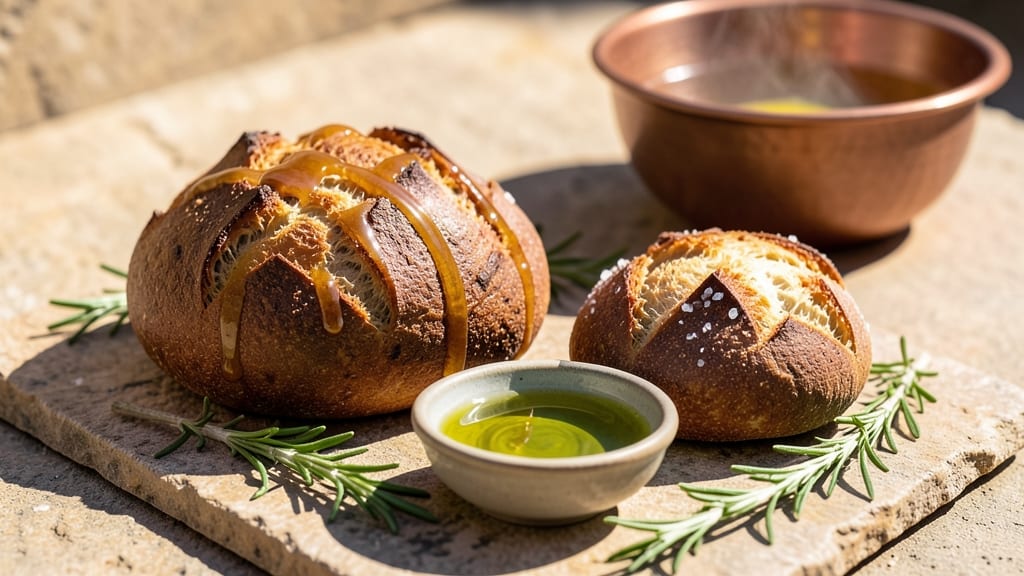
This altar bread recipe delivers crusty za’atar crunch with a foolproof foil-sealing technique that locks in flavor. 🔥 The combination of aromatic za’atar seasoning and perfectly baked crust creates a bread that’s both visually striking and deeply flavorful—a staple for religious ceremonies or special gatherings.
What makes this recipe special is the balance between traditional technique and modern convenience, ensuring impressive results every time.
The secret lies in the dough preparation, where a touch of olive oil and honey creates a tender crumb while the za’atar seasoning delivers that signature nutty, earthy aroma. Proofing the dough properly is key—this step develops the gluten structure for that satisfying crusty exterior.
The foil-sealing method during baking traps steam, creating a crisp shell while keeping the interior soft and airy.
By the time it emerges from the oven, you’ll have a golden-brown loaf with a fragrant crust that’s irresistibly crisp. The cross markings on top aren’t just decorative—they’re a nod to tradition, symbolizing faith and blessing.
Whether you’re serving it during religious observances or as an elegant side dish, this bread brings warmth and meaning to the table.
For added flair, brush the baked loaf with melted butter and sprinkle extra za’atar on top. The result is a bread that’s as beautiful as it is delicious, perfect for breaking bread with loved ones. Let’s get started on this meaningful recipe.
Ingredients for altar bread
The foundation of this sacred bread lies in precise dough science and aromatic za'atar seasoning.
| Ingredient | Amount | Notes |
|---|---|---|
| All-Purpose Flour 🌾 | 5 cups | High-protein for better gluten structure |
| Active Dry Yeast 🍞 | 1 package | 2.25 tsp or 1 packet |
| Granulated Sugar 🍚 | ¼ cup | Feeds yeast for activation |
| Extra-Virgin Olive Oil 🫒 | ½ cup | Plus 1 tbsp for dough enrichment |
| Warm Water 💧 | 1 ¼ cups | 110°F for yeast activation |
| Honey 🍯 | 2 tbsp | For tender crumb and sweetness |
| Diamond Crystal Kosher Salt 🧂 | 2 tsp | Adjusts to 1 tsp for Morton |
| Za'atar Seasoning 🌿 | ½ cup | Homemade or store-bought blend |
| Unsalted Butter 🧈 | ½ cup | Melted for brushing finished bread |
| Large Egg 🥚 | 1 whole | Optional for egg wash |
| Cornmeal 🌽 | ¼ cup | For dusting baking sheet |
| Aluminum Foil 📄 | 1 sheet | For sealing during bake |
The flour is non-negotiable here—King Arthur or Caputo Tipo 00 yield the best gluten structure for that signature crust. Penzeys Spices za'atar delivers authentic flavor, but any quality blend with sesame seeds and sumac works. For the yeast, Saf-Instant is ideal as it activates directly in the flour, eliminating the need for proofing in water. The honey should be raw and unprocessed—Madhava or local apiary brands provide the best floral notes. Store your flour in an airtight container away from heat to prevent rancidity, and keep za'atar refrigerated to preserve its aromatic oils.
No za'atar? Mix 3 tbsp sesame seeds, 2 tbsp sumac, 1 tbsp dried thyme, and 1 tsp cumin for a close approximation. Substitute honey with maple syrup or agave nectar at the same ratio, though the flavor profile will differ slightly. For a gluten-free adaptation, King Arthur gluten-free flour blend works well with an additional 0.25 tsp xanthan gum. The olive oil should be extra-virgin with a peppery finish—California Olive Ranch or Colavita are excellent choices. If using active dry yeast instead of instant, dissolve it in warm water with sugar first, then let sit for 5-10 minutes until foamy before mixing with dry ingredients.
Proofed dough can be refrigerated for up to 24 hours for enhanced flavor development, though it's best used within 8 hours for optimal texture. Store za'atar in a cool, dark place to maintain freshness for up to 6 months, though the sesame seeds may lose crispness after 3 months. Once baked, altar bread is best enjoyed within 3 days—the crust loses crispness as it stales. For long-term storage, slice and freeze portions for up to 3 months, reheating in a 350°F oven for 5-7 minutes to restore texture.
Why You'll Love This Recipe
- Pantry Staples Only: I swear by this recipe because it uses ingredients you already have—no specialty items, no last-minute grocery runs. That warm water and olive oil combo? It’s the secret to that tender crumb without any fuss.
- Golden, Buttery Crust: The sugar caramelizes just enough during baking to give it that irresistible golden crust, while the olive oil keeps it rich and moist inside. It’s the kind of bread where the first bite makes you pause.
- Weeknight or Special Occasion: I make this when I’m too tired for dinner but still want something impressive—it’s my go-to for Sunday suppers or when unexpected guests show up. Toast it, serve it warm, and suddenly, you’ve got a centerpiece.
- Budget-Friendly & Longevity: A single batch feeds my whole family, and the leftovers? They last a week if you store them properly. Honestly, I’d rather spend $3 on this than $8 on store-bought loaves that dry out in two days.
Step-by-step instructions for crusty za'atar bread
Master this technique for a bread with a crispy crust and aromatic za'atar flavor locked inside.
👨🍳 Step 1: Activate the Yeast and Mix the Dough
In a large bowl, combine the 1.25 cups warm water (tested at 110°F), 0.25 cup granulated sugar, and 2 tbsp honey. Sprinkle the 1 package active dry yeast over the surface and let sit for 5-10 minutes until foamy. This activation ensures your dough rises properly.
In a separate bowl, whisk together the 5 cups all-purpose flour and 2 tsp Diamond Crystal kosher salt. Create a well in the center and pour in the yeast mixture along with the 0.5 cup extra-virgin olive oil. Mix with a wooden spoon until a shaggy dough forms, then turn it out onto a lightly floured surface. Knead for 8-10 minutes until smooth and elastic, adding flour only if needed to prevent sticking.
🥘 Step 2: First Rise and Za'atar Infusion
Shape the dough into a round loaf and place it in a lightly greased bowl. Cover with a damp kitchen towel and let rise in a warm place for 1-2 hours or until doubled in size. The dough should feel light and springy when pressed gently.
Punch down the risen dough to release air, then divide it into 4 equal portions. On a floured surface, roll each portion into a 12-inch rope about 1-inch thick. Sprinkle generously with 0.5 cup za'atar seasoning, rubbing it into the surface so the spice adheres evenly. Shape each rope into a loose spiral, tucking the ends under for a neat finish.
🔥 Step 3: Shape and Pre-Bake with Foil Seal
Line a baking sheet with the 1 sheet aluminum foil, shiny side up. Arrange the za'atar-spiral loaves on the foil, spacing them 2 inches apart. Cover the entire baking sheet tightly with the remaining foil, sealing the edges to create an airtight environment. This foil seal traps steam, promoting even rising and a crispy crust.
Preheat your oven to 375°F. Bake the foil-sealed loaves for 25 minutes. The bread should have risen significantly and feel firm to the touch. Remove the foil and bake for an additional 10-15 minutes until the crust turns a deep golden brown and sounds hollow when tapped.
🍳 Step 4: Finish with Butter Brush and Rest
While the bread is still hot, melt the 0.5 cup unsalted butter in a small saucepan over low heat. Brush the melted butter generously over the tops of the loaves, allowing it to soak in for 2-3 minutes. This step enhances flavor and adds a subtle sheen.
For an optional egg wash, lightly beat the 1 whole large egg and brush it over the tops of the loaves. Return the bread to the oven for 3-5 minutes to set the wash and deepen the color. Finally, transfer the loaves to a wire rack and let cool for 15 minutes before slicing. The internal temperature should reach 200°F for perfect texture.
Pro Tips For Making Altar Bread
- Bloom the Yeast: Mix your active dry yeast with the warm water and a pinch of sugar first—let it sit for 5-10 minutes until frothy. Skipping this step means your dough might rise slower or unevenly, and you’ll end up with a dense loaf instead of that light, airy texture altar bread deserves.
- Measure Flour Right: Use the spoon-and-level method for your all-purpose flour—don’t scoop directly from the bag. Packing it down or overestimating will make your dough too stiff, and no amount of kneading will fix it. Trust me, I’ve ruined batches by eyeballing it.
- Don’t Rush the Rise: Give your dough a full 1-2 hours to rise in a warm spot—until it’s nearly doubled. I used to cut corners and end up with a flat, sad loaf. Patience here guarantees that tall, domed shape altar bread is known for.
- Oil the Bowl Well: Coat your mixing bowl with extra-virgin olive oil before adding the dough—don’t just drizzle it in. This prevents sticking, makes turning the dough easier, and saves you from scrubbing oil off your hands later. A little effort now keeps the mess minimal.
Best sauces and condiments for this altar bread
Za'atar Butter Spread
This creamy blend elevates every slice of altar bread. Mix ½ cup softened unsalted butter with 2 tbsp za'atar seasoning, 1 tbsp honey, and 1 tsp lemon zest until smooth.
Spread generously on warm bread for a flavor explosion that balances the bread's crusty texture with nutty, citrusy richness. I like to add a pinch of cayenne pepper for subtle heat. 🌿
Whole Milk Yogurt Dip
A simple yet divine pairing, this dip cuts through the bread's richness beautifully. Whisk together 1 cup plain whole milk yogurt, 1 tbsp za'atar seasoning, 1 tsp olive oil, and a pinch of salt.
Serve chilled in a small bowl alongside slices of altar bread. The tangy, creamy texture contrasts perfectly with the bread's crisp exterior and soft interior. 🥛
Spiced Olive Oil Drizzle
Create an aromatic drizzle by gently heating ½ cup extra-virgin olive oil with 1 tbsp za'atar seasoning, ½ tsp dried thyme, and ¼ tsp red pepper flakes. Drizzle lightly over warm bread before serving.
This adds an extra layer of Mediterranean flavor that enhances the bread's natural taste. Store any leftovers in an airtight container for up to 1 week. 🫒
Honey-Lavender Glaze
For a floral touch, combine ¼ cup honey, 1 tsp dried culinary lavender, and 1 tbsp warm water in a small saucepan. Simmer for 3 minutes, then strain out the lavender.
Drizzle over sliced altar bread while still warm. The delicate floral notes complement the za'atar beautifully, adding a sophisticated twist. 🌸
Garlic-Herb Compound Butter
Make this ahead of time for a flavorful finishing touch. Mix ½ cup softened butter with 2 minced garlic cloves, 1 tbsp chopped fresh parsley, ½ tsp za'atar seasoning, and ¼ tsp salt.
Shape into a log, wrap in parchment, and chill for 1 hour. Slice and place on warm bread to melt into every bite. 🧄
Spiced Fruit Compote
Pair with a sweet contrast using 1 cup diced apples or pears, 2 tbsp honey, 1 tsp cinnamon, and 1 tbsp za'atar seasoning.
Simmer for 10 minutes until tender. Serve warm alongside altar bread slices. The fruity sweetness balances the savory bread beautifully, making it a perfect dessert option. 🍏
Nutrition facts
Frequently asked questions
Can I make altar bread without za'atar?
While za'atar gives this bread its signature flavor, you can substitute with 1 tbsp dried thyme + 1 tbsp sesame seeds + 1 tsp sumac for a similar aromatic profile. For a simpler version, use 1 tsp dried oregano + 1 tsp garlic powder and skip the sesame seeds. The key is balancing earthy and savory notes to complement the crusty texture.
Why does my altar bread turn out dense instead of crusty?
Dense altar bread usually means the dough didn't rise properly. Check your yeast—it should foam within 5-10 minutes in warm water. Also, ensure your oven is fully preheated and use the foil-sealing method to trap steam during baking. For extra crustiness, brush with melted butter after removing the foil and bake 2-3 more minutes.
How do I store altar bread for maximum freshness?
Keep altar bread in an airtight container at room temperature for 2-3 days to maintain crispness. For longer storage, slice and freeze portions for up to 3 months. To revive, reheat slices in a 350°F oven for 5 minutes or wrap in foil and warm in the oven for 10 minutes to restore texture.
What's the significance of the cross markings on altar bread?
The cross markings symbolize faith and blessing in many religious traditions, especially in Christian liturgy. They're often made with a sharp knife or razor after baking. For this recipe, simply score a shallow cross on the top of each loaf before baking. The markings also help direct steam during baking, contributing to an even rise.
Can I make altar bread in a Dutch oven for better crust?
Yes! For an even crustier result, shape your loaves into a round and bake in a preheated Dutch oven at 450°F for 20 minutes with the lid on, then remove the lid and bake 15-20 minutes more. The Dutch oven creates steam for a crisp exterior while keeping the interior soft. Just be sure to use enough za'atar on the dough before shaping.