
Sauces & Condiments
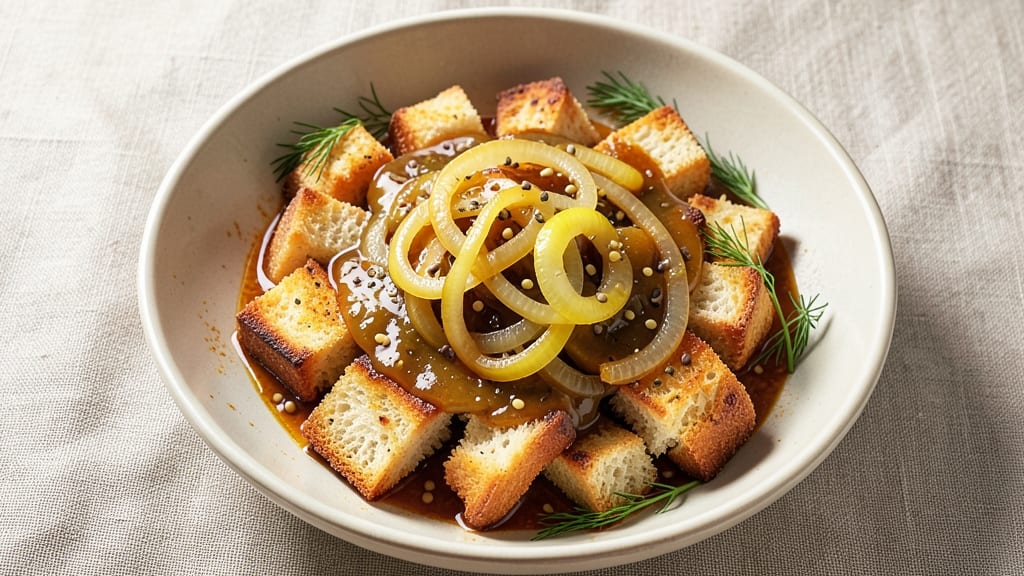
Alton Brown's bread and butter pickle recipe delivers that perfect sweet-tangy crunch that elevates sandwiches, burgers, and snacks to new heights. The secret lies in balancing vinegar, sugar, and spices while maintaining crisp texture—whether you include bread chunks or keep it bread-free.
This isn't just a condiment; it's a flavor experience that transforms simple meals into something memorable.
What sets this recipe apart is the precision in pickling technique: sterilized jars, proper boiling times, and gradual cooling to preserve that signature crunch. The traditional version includes soft bread cubes that absorb the tangy-sweet brine, while modern adaptations skip the bread entirely for a cleaner texture.
Either way, the result is a versatile pickle that works equally well on BLTs, hot dogs, or as a standalone snack.
You'll need just seven core ingredients—vinegar, sugar, mustard seeds, celery seeds, turmeric, and onions—to create this crowd-pleasing condiment. The process is straightforward but requires patience: boiling the mixture until it thickens slightly, then letting it cool before canning.
Proper storage ensures these pickles stay crisp for months, ready to brighten any meal.
This recipe bridges tradition and convenience, offering both classic bread-and-butter texture and modern simplicity. Whether you're preserving jars for holiday gifts or whipping up a batch for summer entertaining, the result is always the same: that perfect balance of sweet, tangy, and crunchy that makes every bite satisfying.
Let's get started on creating your own batch.
Ingredients for alton brown bread and butter pickle
Seven essential ingredients transform into Alton Brown's iconic sweet-tangy bread and butter pickles.
| Ingredient | Amount | Notes |
|---|---|---|
| White Vinegar 🍶 | 2 cups | Distilled white vinegar preferred |
| Granulated Sugar 🍚 | 1 ½ cups | White or light brown preferred |
| Yellow Onion 🧅 | 1 whole | Thinly sliced, 1/4-inch pieces |
| Mustard Seeds 🌶️ | 1 tbsp | Whole, not ground |
| Celery Seeds 🌿 | 1 tbsp | Ground preferred for texture |
| Ground Turmeric 🧡 | 1 tsp | High-quality for vibrant color |
| Bread Cubes 🍞 | 4 cups | Day-old white bread, 1-inch cubes |
| Salt 🧂 | 1 ½ tsp | Diamond Crystal kosher salt |
| Water 💧 | 1 cup | For initial brine mixture |
The bread is non-negotiable for authentic texture—day-old white bread yields the best cubes without turning mushy. Sourdough or whole wheat can work but may alter the texture slightly. For vinegar, Heinz or Maid of Honor brands deliver consistent quality. Turmeric is crucial for that signature golden hue; Spectrum or Frontier organic brands provide the most vibrant color. Mustard and celery seeds should be fresh—if they smell stale, replace them immediately. For the onions, yellow or red varieties work equally well, but avoid sweet onions like Vidalia for a more balanced flavor profile.
No mustard seeds? Dijon mustard at 1 tbsp adds depth without texture. Celery seeds unavailable? Ground coriander at half the amount mimics the earthy notes. Substituting bread? Cauliflower florets create a low-carb version, though texture differs. For sugar, honey or maple syrup can replace granulated at a 1:1 ratio, though the flavor profile shifts slightly. The water-to-vinegar ratio is flexible—add more vinegar for increased tang. If you prefer a bread-free version, simply omit the bread cubes and increase the liquid by 1/2 cup to maintain consistency.
Sterilized jars are mandatory for safe storage—boiling jars and lids for 10 minutes ensures proper preservation. The pickles develop optimal flavor after 24 hours of refrigeration but stay crisp for up to 3 months in the fridge. For gifting, process jars in a water bath for 15 minutes to extend shelf life to 12 months. Avoid adding pickles to hot meals—heat destroys the crisp texture. Store in airtight containers with a paper towel to absorb excess moisture, which prevents sogginess.
Why You'll Love This Recipe
- No-Chop Necessary: I swear by this—just slice the onion thick (yes, like a lazy weekend morning) and let the vinegar do the work. The mustard and celery seeds soften into that perfect tangy crunch without any fuss.
- Tangy Magic: That first bite? The vinegar cuts through the sugar just enough to make your taste buds dance. The onion adds this sweet, almost caramelized depth, and the seeds? They’re the secret—tiny but mighty, giving it that classic pop that’s weirdly addictive.
- Party in a Jar: Between us, these pickles are my go-to for potlucks, BBQs, or even just snacking straight from the fridge. They keep for weeks, so I make a big batch and hand them out like edible favors. (Pro tip: They’re also insanely good on burgers or sandwiches.)
- Pantry Staple: Honestly, this recipe uses stuff you already have—vinegar, sugar, onion. No specialty ingredients, no last-minute grocery runs. And since they last forever, I never feel guilty about making extra. Budget-friendly? More like pocket-friendly.
Step-by-step instructions for Alton Brown's bread and butter pickles
This recipe delivers the perfect balance of sweet, tangy, and crunchy—just like Alton's signature version.
Prepare the Brine Mixture
In a medium saucepan, combine the 1 cup Water and 1.5 cups Granulated Sugar. Bring to a gentle simmer over medium heat, stirring occasionally until the sugar fully dissolves. This creates a simple syrup that will infuse the bread cubes with sweetness.
Remove from heat and let cool for 5 minutes. Then stir in the 2 cups White Vinegar and 1.5 tsp Salt. The mixture should be warm but not hot—this prevents the bread from absorbing too much liquid at once. Set aside while you prepare the remaining ingredients.
Toast and Season the Bread Cubes
In a large bowl, toss the 4 cups Bread Cubes with the 1 tbsp Mustard Seeds, 1 tbsp Celery Seeds, and 1 tsp Ground Turmeric. The turmeric adds that signature golden hue, while the seeds contribute subtle earthy depth. Spread the bread cubes in a single layer on a rimmed baking sheet.
Toast in a 375°F oven for 10-12 minutes, stirring halfway through, until the cubes are lightly golden and crisp at the edges. This step ensures they hold their shape during pickling and adds a satisfying crunch. Remove from the oven and let cool slightly before adding to the brine.
Thinly Slice the Onion
Peel and thinly slice the 1 whole Yellow Onion into ¼-inch pieces. The goal is even, paper-thin slices that will soften just enough to add texture without becoming mushy. Place the slices in a separate bowl and set aside—they’ll join the bread cubes in the brine shortly.
For best results, use a sharp chef’s knife and make clean, even cuts. If the slices are too thick, they’ll take longer to pickle and may remain crunchy. A mandoline slicer can help achieve uniform thickness if you’re not comfortable freehanding.
Combine and Pickle
Transfer the toasted bread cubes to a large glass jar or airtight container. Pour the warm brine mixture over them, ensuring every cube is fully submerged. Add the onion slices on top, pressing them gently into the bread to distribute evenly.
Seal the jar and let the pickles sit at room temperature for 1 hour, then refrigerate for at least 24 hours before serving. This resting period allows the flavors to meld and the bread to absorb the tangy-sweet brine. The longer they sit, the more pronounced the flavor becomes—up to 3 days in the fridge.
Serve and Store
Once chilled, the pickles should be tender but still hold their shape, with a glossy sheen from the brine. Serve as a topping for sandwiches, a snack with cheese, or alongside charcuterie. They’ll keep in the refrigerator for up to 2 weeks, though they’re best enjoyed within the first week for peak texture and flavor.
For extra crunch, toast the pickles briefly in a dry skillet before serving. The contrast of warm, crispy bread against the cool, tangy brine makes them irresistible. Store any leftovers in an airtight container with the brine to maintain moisture and flavor.
Pro Tips For Making Alton Brown Bread And Butter Pickle
- STEAM THE ONIONS FIRST: Alton’s recipe calls for raw onion, but I learned this the hard way—slicing them too thin or leaving them whole makes them rubbery. Instead, parboil the onion slices (3-4 minutes in boiling water) to soften them before adding to the vinegar. This keeps them tender without turning mushy, even after weeks of pickling.
- USE COLD VINEGAR: Pouring hot vinegar over your ingredients might seem logical, but it shocks the vegetables and dulls the flavor. Measure the vinegar cold, then heat it separately with sugar and spices. Combine everything when the vinegar’s just off-boil—this preserves brightness and keeps the texture crisp.
- TOAST THE SEEDS: Mustard and celery seeds are the soul of this pickle, but raw, they taste bitter and gritty. Dry-toast them in a skillet (2-3 minutes over medium heat) until fragrant and slightly darkened. This step makes a real difference—skip it, and your pickles will taste underdeveloped.
- STORE IN AIRLESS JAR: Alton’s recipe works, but if you want pickles that last months without cloudy vinegar, use a vacuum sealer or submerge jars in water to remove air. Even a simple plastic bag with all the air squeezed out keeps mold at bay—your future self will thank you for the trouble.
Common mistakes when making great alton brown bread and butter pickle
Skipping Sterilization
Never skip sterilizing your jars and lids—this is the #1 mistake that leads to spoilage. Even if you're storing pickles in the fridge, bacteria can still grow if containers aren't properly cleaned.
I use a boiling water bath for 10 minutes—place jars and lids in a large pot of water, cover, and boil. For extra peace of mind, I also run them through the dishwasher's sanitize cycle before boiling. 🧼
Uneven Bread Cubes
Inconsistent bread cube sizes create uneven texture—some soggy, others too dry. Cut all cubes to exactly 1-inch using a sharp knife or bread slicer. I like to weigh them first (about 4 cups for this recipe) to ensure consistency.
For even toasting, spread them in a single layer on your baking sheet without overlapping.
Over-Tosting the Bread
Burning your bread cubes turns them bitter and destroys the delicate texture. Keep a close eye on them at 375°F—they should be lightly golden (not brown) after 10-12 minutes.
I set a timer and stir halfway through to prevent hot spots. If they darken too quickly, reduce the oven temperature to 350°F for the second half of cooking.
Using Fresh Bread
Fresh bread contains too much moisture and will turn mushy in the brine. Always use day-old white bread—it's drier and holds its shape better.
If you must use fresh bread, slice it thinly, toast it longer (up to 15 minutes), and pat it dry with a paper towel before seasoning. I keep a loaf specifically for pickling and make it the night before.
Incorrect Vinegar-to-Sugar Ratio
The balance between vinegar and sugar determines the final flavor. Too much vinegar makes them harsh, while too little sugar leaves them bland. Stick to the 2:1.5 ratio (vinegar to sugar) in this recipe.
If you adjust one, always compensate with the other—like using 1.25 cups sugar with 2.25 cups vinegar for a tangier version.
Rushing the Pickling Time
Letting pickles sit too briefly results in weak flavor development. The 24-hour minimum in the fridge is crucial—this is when the bread absorbs the brine and flavors meld.
I often make mine the night before so they're perfectly seasoned by serving time. For best results, wait up to 3 days if you can—flavor deepens over time.
Nutrition facts
Frequently asked questions
Can I make this recipe without bread?
For a bread-free version, simply omit the 4 cups bread cubes and increase the liquid by ½ cup (add ½ cup water or vinegar) to maintain consistency. Use cauliflower florets or thinly sliced jicama for crunch instead. The flavor profile remains tangy-sweet, just with a different texture. This version works perfectly as a topping for tacos or salads!
How do I adjust the sweetness level?
Start with the 1.5 cups sugar for balanced sweetness. For a sweeter version, add ¼ cup more sugar (total 1¾ cups). For less sweetness, reduce to 1 cup sugar and increase vinegar by ¼ cup to maintain tang. Always adjust gradually—taste the brine before adding the bread to check the balance. Honey or maple syrup can replace sugar at a 1:1 ratio, though the flavor shifts slightly.
Why does my brine turn cloudy?
Cloudiness usually means the mixture wasn't properly sterilized or cooled too slowly. Always use distilled white vinegar (not apple cider or balsamic) and let the brine cool to room temperature before adding bread. For extra clarity, strain the cooled brine through a fine-mesh sieve before pouring over the bread cubes. If cloudiness persists, the pickles are still safe to eat—they just won't look as vibrant.
Can I use this pickle on hot sandwiches?
Not ideal! The heat from hot sandwiches (like grilled cheese) will soften the bread cubes and make the brine runny. For best results, serve these pickles on room-temperature or cold sandwiches, or add them to cold salads or wraps. If you must use them on hot food, toast the pickles briefly in a dry skillet first to restore some crunch. The flavor remains delicious, but the texture will be different.
How long can I store these pickles?
In the refrigerator, these pickles stay fresh for up to 2 weeks with proper storage. For longer shelf life, process sealed jars in a water bath for 15 minutes (standard canning method), which extends storage to 12 months in a cool, dark place. Always store in airtight containers with the brine covering the ingredients. The longer they sit, the more flavorful they become—up to 3 days in the fridge for maximum depth!