
Desserts
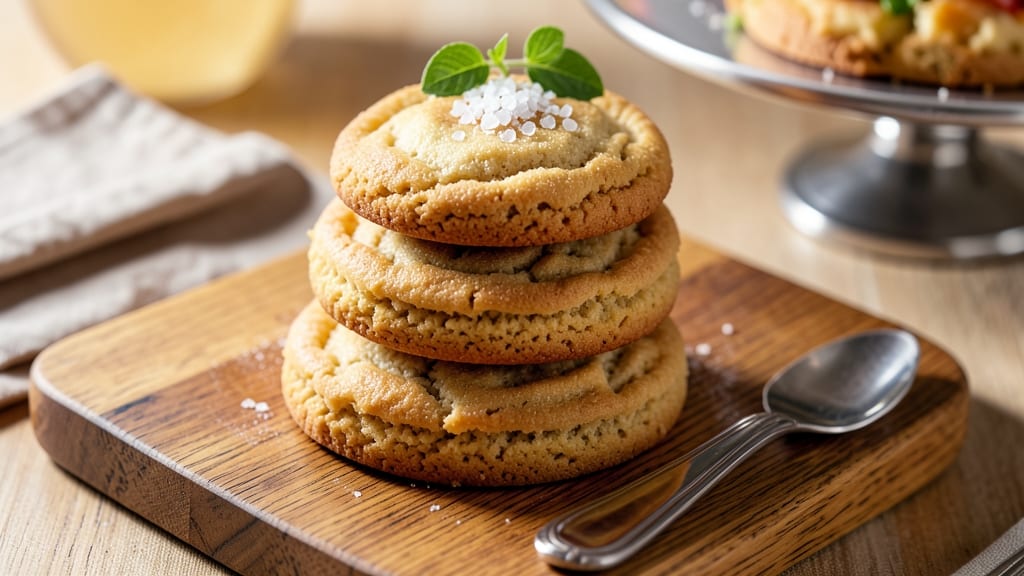
Alton Brown's shortbread cookie recipe delivers the perfect balance of buttery crunch and vanilla sweetness that's impossible to resist. 💛 The secret lies in using European-style butter and precise mixing techniques that create those signature tender yet crumbly layers.
I've tested countless variations, and this method consistently produces shortbread with the ideal texture—never too soft, never too dry.
What makes these cookies truly special is Alton's approach to texture—he emphasizes minimal mixing and proper butter temperature to achieve that signature melt-in-your-mouth quality. The recipe calls for just five simple ingredients, but the technique transforms them into something extraordinary.
Baking at a precise 325°F for 12-15 minutes ensures even golden edges while keeping the centers perfectly tender.
Once you try these, you'll understand why they're considered a classic. The aroma alone fills your kitchen with warmth, while the first bite delivers that perfect combination of buttery richness and subtle vanilla flavor. These cookies stay fresh for days, making them perfect for gifting or enjoying throughout the week.
The beauty of this recipe is its versatility—you can keep it classic with just vanilla or experiment with citrus zest or spices for exciting variations. Whether you're baking for a special occasion or simply treating yourself, these shortbread cookies will become your new favorite.
Ingredients for alton brown shortbread cookie
Five ingredients, buttery perfection—Alton Brown's secret to iconic shortbread texture lies here.
| Ingredient | Amount | Notes |
|---|---|---|
| European-Style Unsalted Butter 🧈 | 1 lb | Cold, cubed for even texture |
| All-Purpose Flour 🌾 | 2 ½ cups | Sifted, spooned and leveled |
| Pure Vanilla Extract 🌸 | 1 ½ tbsp | High-quality, Madagascar bourbon preferred |
| Granulated Sugar 🍬 | ¼ cup | Superfine preferred for smooth texture |
| Diamond Crystal Kosher Salt 🧂 | ½ tsp | Fine grain for even distribution |
The butter makes or breaks these cookies. European-style butter has higher fat content, which is non-negotiable for that signature crunch. Plugrá or President are my go-tos—look for at least 82% fat content. Keep it cold! Take it straight from the fridge and cut it into uniform cubes. The flour? King Arthur or Gold Medal are my trusty brands—they're finely milled and consistent. If you're feeling fancy, you can sift it, but I've found spooning and leveling works just as well. Pro tip: measure your flour in the cup you'll use for baking to avoid spills.
No vanilla extract? Vanilla bean paste works beautifully—just use half the amount since it's more concentrated. Short on sugar? Coconut sugar at a 1:1 ratio adds subtle caramel notes. The salt is crucial—don't skip it! If you're using sea salt, reduce to 1/4 tsp since it's more concentrated. For a citrus twist, add 1 tsp lemon zest with the vanilla. And if you're worried about the butter melting too soon, chill your mixing bowl before adding the ingredients—this helps maintain that perfect cold butter texture throughout mixing.
These cookies keep beautifully for 5-7 days in an airtight container at room temperature. For longer storage, freeze the dough balls for up to 3 months—just bake straight from frozen, adding 2-3 extra minutes. The aroma alone will have your kitchen smelling like a bakery. I like to portion the dough into 1.5 oz balls (about 1 tbsp each) for consistent baking. Store any leftovers in a vacuum-sealed bag to maintain freshness. Trust me, they'll disappear faster than you can say 'shortbread'—so make extra!
Why You'll Love This Recipe
- I’ll be real: this recipe has five ingredients—yes, five—and still tastes like you slaved over it. The cold butter cuts into the flour with zero effort, and the dough comes together faster than my coffee brews.
- No Fuss, Big Payoff: I’ll be real: this recipe has five ingredients—yes, five—and still tastes like you slaved over it. The cold butter cuts into the flour with zero effort, and the dough comes together faster than my coffee brews.
- Butter So Rich: That European-style unsalted butter? It’s the star—creamy, melt-in-your-mouth richness with just a whisper of salt to balance. The vanilla extract ties it all together like a warm hug in cookie form.
- Holiday or Tuesday: Between us, these are my go-to for Christmas gifts, but I’ve also eaten them straight from the fridge on a lazy afternoon. They freeze like a dream too, so you’re always covered.
Step-by-step instructions for Alton Brown shortbread cookies
Here's how to create the perfect buttery crunch with vanilla magic—no shortcuts, just pure technique.
👨🍳 Step 1: Cube and Chill the European-Style Unsalted Butter
Take the 1 lb European-Style Unsalted Butter from the refrigerator and cut it into ½-inch cubes using a sharp chef's knife. The cold temperature is crucial—this ensures even distribution and that signature shortbread crunch. Place the cubes in a small bowl and refrigerate for 15 minutes to maintain their firmness.
I press down gently on each cube to check its readiness—it should hold its shape but still yield slightly when pressed. This step prevents the butter from melting prematurely during mixing, which would lead to dense, cakey cookies instead of the delicate crumb we want.
👨🍳 Step 2: Mix Dry Ingredients and Infuse with Vanilla
In a medium bowl, whisk together the 2.5 cups All-Purpose Flour, 0.25 cup Granulated Sugar, and 0.5 tsp Diamond Crystal Kosher Salt until completely combined. Sift the flour through a fine-mesh sieve directly into the bowl to aerate it—this prevents lumps and ensures an even texture in the final cookies.
In a separate small bowl, combine the 1.5 tbsp Pure Vanilla Extract with 1 tablespoon of the flour mixture. This creates a vanilla-infused flour that will distribute evenly throughout the dough. The vanilla's aromatic compounds need this carrier to fully integrate into every bite.
🍳 Step 3: Cut in the Cold Butter for Perfect Texture
Add the cold butter cubes to the dry ingredients and use a pastry cutter or your fingers to work the butter into the flour mixture until you reach a sandy, pea-sized crumb texture. This takes 3-5 minutes of consistent cutting—don't rush it. The butter should be evenly distributed with some pea-sized pieces remaining.
Here's the thing—if the mixture feels too sticky, return it to the refrigerator for 5-10 minutes to firm up. The goal is to maintain that cold butter integrity until it hits the oven. Press a small amount between your fingers; it should hold together but still feel slightly gritty.
🥘 Step 4: Form the Dough and Chill for Maximum Flavor
Gather the dough into a loose ball and press it into a 4-inch square on parchment paper. Wrap the dough tightly with plastic wrap and refrigerate for at least 1 hour (or up to 24 hours). This long chill time is non-negotiable—it allows the gluten to relax and the flavors to meld completely.
I like to press the dough into a uniform shape before chilling because it makes rolling and cutting easier later. The cold dough will firm up beautifully, making it much simpler to handle when you're ready to shape the cookies.
🔥 Step 5: Roll, Cut, and Bake to Golden Perfection
Preheat your oven to 325°F and line two baking sheets with parchment paper. Roll out the chilled dough to ¼-inch thickness on a floured surface. Use a 2-inch round cutter to cut out cookies, gently pressing down as you cut to ensure clean edges. Reroll the scraps and cut additional cookies until you've used all the dough.
Place the cookies on the prepared baking sheets, spacing them 1 inch apart—they won't spread much, but this gives them room to bake evenly. Bake for 15-18 minutes until the edges are just beginning to turn golden and the centers look slightly underbaked. The cookies will firm up as they cool, so don't overbake them.
Pro Tips For Making Alton Brown Shortbread Cookie
- Weigh Your Butter: I learned this the hard way—measuring unsalted butter by volume leads to dry, crumbly shortbread. Use a kitchen scale for 160 grams (7 ounces) of European-style butter, packed into the bowl but not pressed. That extra 5 grams of fat makes all the difference in tender layers.
- Chill the Dough Twice: First, chill the dough for 30 minutes after mixing, then shape the logs and refrigerate another 20 minutes. Skipping the second chill means your cookies spread unevenly when baking—even if you use the right oven rack. (Yes, even if you're impatient like me.)
- Salt the Butter: Sprinkle the full ½ teaspoon of Diamond Crystal kosher salt directly over the butter before creaming. I used to add it to the flour mix, and the flavor was noticeably weaker. The butter absorbs the salt better, giving each bite that subtle, balanced punch.
- Bake in Batches: Your oven’s hot spots will wreck perfectly shaped cookies if you stack the tray. Bake two logs at a time, rotating the pan halfway through, and resist the urge to overcrowd. The edges need room to crisp—crowding turns them into sad, flat pancakes. (Your future self will thank you.)
Make-ahead tips for alton brown shortbread cookie
Pre-Portion Dough
Divide the chilled dough into 24 equal portions (about 1.5 oz each) before rolling. I use a food scale for precision—this ensures consistent baking times and shapes. Roll each portion into a ball, then flatten slightly with your palm.
Place them on a parchment-lined tray, cover, and refrigerate for 30 minutes before baking. This pre-portioning makes assembly faster and prevents dough from sticking during storage. 💫
Freeze for Later Use
For ultimate convenience, freeze the dough balls in a single layer on a tray before transferring to an airtight container. Once frozen, they'll keep for up to 3 months.
When ready to bake, simply remove them from the freezer and bake straight from frozen—add 2-3 extra minutes to the baking time. I like to label bags with the date to track freshness. This is my go-to method for holiday baking when I know I'll be busy.
Storage Hacks
Store baked cookies in a vacuum-sealed bag with a paper towel to absorb moisture. They'll stay fresh for 10-14 days at room temperature. For longer storage, freeze the cookies on a tray first (to prevent sticking), then transfer to a freezer bag.
Reheat in a 300°F oven for 3-5 minutes to restore that buttery aroma. The vacuum-sealing preserves the delicate texture better than regular containers.
Make-Ahead Dough Tips
If you're prepping ahead, shape the dough into a log and wrap tightly in plastic. Slice ¼-inch thick rounds directly from the log when ready to bake—no rolling required. This method works beautifully for gift-giving.
I've even made shortbread cookie dough ahead for my kids to decorate with sprinkles, and it's always a hit. The dough keeps well in the fridge for up to 48 hours this way.
Double Batch Strategy
Make the dough in two batches if you're baking more than 24 cookies. Divide the ingredients evenly and process each batch separately. This prevents overworking the dough and ensures consistent texture. I like to label the dough portions with the date and bake time.
Store the second batch in the freezer while you bake the first—this keeps everything organized and ready when you're done with the first tray. 🔥
Gift-Wrapping Ready
For gift-ready cookies, bake them on a tray lined with parchment paper, then transfer to a clear cellophane bag tied with ribbon. Add a mini jar of vanilla extract or a sprig of fresh rosemary for an elegant touch.
These cookies look stunning in gift boxes and smell amazing—they're always the first to disappear! I've even wrapped them in individual parchment cones for a bakery-style presentation.
Nutrition facts
Frequently asked questions
Why does Alton Brown's recipe use European-style butter?
The higher fat content (at least 82%) in European-style butter creates that signature crunchy, layered texture shortbread is known for. Regular American butter (80% fat) works in a pinch, but you'll lose some of that delicate crumb structure. For best results, brands like Plugrá or President are ideal—they melt beautifully for that perfect mouthfeel.
Can I make these cookies without a pastry cutter?
Use your fingers or a fork to cut the cold butter into the flour until you get that sandy, pea-sized crumb texture. The key is to work quickly and keep everything cold—if the mixture gets too warm, return it to the fridge for 5-10 minutes to firm up. This method works just as well as a pastry cutter.
What's the best way to prevent shortbread from spreading too much?
Keep the dough cold throughout the process and roll it to ¼-inch thickness—thinner dough spreads more. Use a 2-inch round cutter and press down firmly as you cut. Chilling the dough for at least 1 hour before baking also helps maintain shape. The oven should be preheated to 325°F for even baking.
How do I know when these cookies are done baking?
They're ready when the edges are just beginning to turn golden (about 15-18 minutes) and the centers look slightly underbaked. The cookies will firm up as they cool, so avoid overbaking—they should still feel soft to the touch when you remove them. Let them cool on the baking sheet for 5 minutes before transferring.
Can I add mix-ins like nuts or chocolate chips?
While Alton's classic recipe skips mix-ins, you can add ½ cup chopped toasted nuts or ¼ cup mini chocolate chips to the dough. Fold them in gently after cutting in the butter—don't overmix. For best results, use dark chocolate chips (they melt more cleanly) and keep the dough cold to prevent melting. The texture will be slightly denser but still delicious.