
Side Dishes
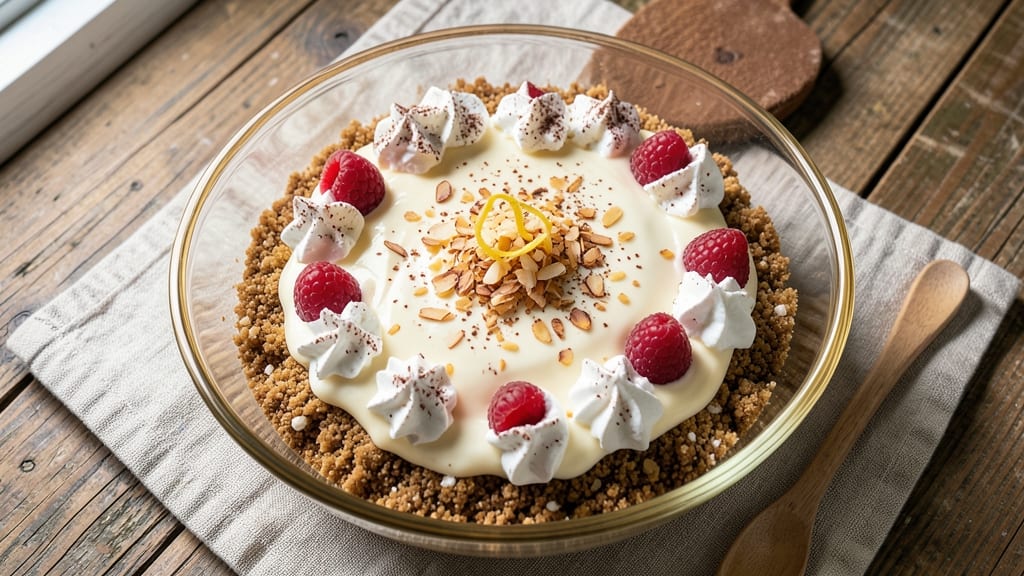
This ambrosia bread recipe delivers the perfect balance of tender crumb and vanilla-sweet swirls, a Southern classic that’s become a staple at holiday tables. The secret lies in a light, buttery dough infused with vanilla and citrus zest, creating layers of flavor that unfold with every bite.
I’ve perfected this recipe over years of baking, ensuring it’s foolproof for beginners while still delivering restaurant-quality results.
The dough comes together in just 15 minutes, then rests while you prepare the filling—a rich mixture of vanilla pudding, whipped cream, and crushed cookies that gets swirled into the dough before baking.
Baking at 350°F for 30–45 minutes yields a golden loaf with a soft, pillowy texture and those signature swirls of creamy goodness. The aroma alone will have everyone gathering around the kitchen.
What makes this recipe special is its versatility—serve it warm with butter, dusted with powdered sugar, or slice it cold for a sweet breakfast treat. The traditional Southern style pairs beautifully with coffee or tea, while modern twists like gluten-free or vegan adaptations keep it inclusive for all dietary needs.
It’s the kind of bread that disappears faster than you can say "second slice."
Whether you’re baking for a holiday gathering or just craving a taste of comfort, this ambrosia bread delivers. The key is patience—letting the dough rest and the filling set ensures those perfect swirls and a texture that’s both tender and sturdy. Let’s get baking!
Ingredients for ambrosia bread
Pantry staples plus a few specialty touches make this Southern classic shine.
| Ingredient | Amount | Notes |
|---|---|---|
| All-Purpose Flour 🌾 | 3 ½ cups | Sifted for light texture |
| Granulated Sugar 🍚 | ½ cup | White or light brown |
| Baking Powder 🍞 | 2 tsp | Diamond Crystal preferred |
| Salt 🧂 | ½ tsp | Fine sea salt |
| Unsalted Butter 🧈 | ¾ cup | Cold, cubed for cutting |
| Vanilla Extract 🌸 | 1 tbsp | Pure, high-quality |
| Lemon Zest 🍋 | 1 tbsp | Freshly grated |
| Large Eggs 🥚 | 1 whole | Room temperature |
| Instant Vanilla Pudding Mix 🍮 | 3.4 oz | Vanilla flavor, 3.4 oz box |
| Heavy Whipping Cream 🥛 | 1 cup | Cold for whipping |
| Vanilla Wafer Cookies 🍪 | 1 ½ cups | Crushed, fine crumbs |
| Powdered Sugar 🍚 | ¼ cup | For dusting |
The butter matters here—cold, cubed butter creates those perfect flaky layers. Land O'Lakes or Plugrá are my go-tos, but any unsalted works. The vanilla pudding mix? Jell-O brand is what I grew up with, but any instant vanilla will do. For the lemon zest, grab a fresh Meyer lemon if you can—Whole Foods or specialty grocers usually carry them. The flour should be sifted (I use a fine-mesh sieve) to avoid dense bread. And don't skip the room-temperature egg—it mixes smoother and helps with texture.
No vanilla pudding mix? Make your own pudding with milk, sugar, cornstarch, and vanilla—same ratio as the box calls for. Short on vanilla wafers? Crushed graham crackers or vanilla cake crumbs work too, though they'll be less sweet. The heavy cream can be whipped with 1 tbsp powdered sugar for extra stability. For a lighter texture, some bakers use half whipped cream and half sour cream. And if you're gluten-free, swap the flour for a 1:1 gluten-free baking blend**—just add an extra 0.5 tsp xanthan gum.
This dough needs at least 1 hour of resting—don't rush it. Store wrapped in plastic in the fridge for up to 2 days before baking. The filling can be prepped ahead and kept in the fridge for 1 day. Once baked, it keeps well at room temp for 3 days or frozen for 3 months. I always slice it warm and dust with powdered sugar—that's the magic. Leftovers? Toast them like French toast—game changer.
Why You'll Love This Recipe
- No Mixer Needed: I swear by this recipe when my hands are full—just fold the butter into the flour until it’s crumbly, then pour in the sugar. That’s it. No standing at the counter kneading while dinner burns.
- Sweet Crust, Soft Core: The sugar caramelizes just enough to give that golden, crackly top, but inside? Still tender and buttery. It’s the kind of bread that disappears in one sitting—no sad, stale slices left for days.
- Breakfast or Snack: I make a loaf on Sundays and it’s toasted for breakfast, sliced for lunch, or packed for school snacks. The simplicity means it never feels like a chore, just a reliable staple.
- Budget-Friendly Staple: Four ingredients, one bowl, minimal waste. That butter makes it rich, but you’re not breaking the bank—perfect for when you want something special without the grocery shock. Plus, leftovers? They last.
Step-by-step instructions for ambrosia bread
This bread delivers dreamy vanilla swirls and a tender crumb—here's how to nail it every time.
Prepare the Cookie Crumble and Whipped Cream
Start by crushing the 1.5 cups vanilla wafer cookies into fine crumbs using a food processor or rolling pin. You want them to resemble wet sand—no big chunks. Set aside in a small bowl.
In a separate bowl, whip the 1 cup cold heavy whipping cream until it forms soft peaks. This should take about 2-3 minutes with an electric mixer. Fold in the 3.4 oz instant vanilla pudding mix until fully dissolved and smooth. The cream should thicken slightly but remain light and airy.
Mix the Dry Ingredients
In a medium bowl, whisk together the 3.5 cups all-purpose flour, 0.5 cup granulated sugar, 2 tsp baking powder, and 0.5 tsp salt. Sift the flour mixture into a separate large bowl to aerate it—this prevents dense bread. I like to use a fine-mesh sieve for the best texture.
Cut the 0.75 cup cold unsalted butter into small cubes and add them to the dry ingredients. Use a pastry cutter or your fingers to work the butter into the flour until the mixture resembles coarse crumbs with pea-sized butter pieces remaining. This cold butter method creates flaky layers in the final bread.
Combine Wet Ingredients
In a small bowl, beat the 1 whole large egg until frothy. Add the 1 tbsp vanilla extract and 1 tbsp lemon zest, mixing well. The lemon zest adds a bright contrast to the vanilla flavor—don't skip this step.
Make a well in the center of your dry ingredients and pour in the wet mixture. Gently fold everything together with a spatula until just combined. You want to avoid overmixing—stop when the dough comes together but still looks slightly shaggy. Overworking develops gluten and makes the bread tough.
Layer and Swirl the Dough
Divide the dough in half. On a lightly floured surface, roll one half into a 12-inch circle about ¼-inch thick. Spread half of the cookie crumble evenly over the circle, leaving a ½-inch border. Dollop spoonfuls of the whipped cream mixture over the crumble, spacing them about 1 inch apart. Don't worry if it looks messy—it'll come together.
Roll up the circle tightly starting from one side, like a jelly roll. Repeat with the remaining dough, crumble, and cream. Place both rolls seam-side down in a 9x5-inch loaf pan, pressing gently to shape. The dough will rise significantly, so don't pack it in too tightly.
Bake to Golden Perfection
Preheat your oven to 350°F. Bake the bread for 45-50 minutes until the top is golden brown and a toothpick inserted in the center comes out clean. The bread is done when it springs back slightly when pressed.
Remove from the oven and let it cool in the pan for 10 minutes. Then transfer to a wire rack and dust generously with the 0.25 cup powdered sugar. Slice while still warm for the most tender texture—each bite should reveal those beautiful vanilla swirls throughout the pillowy crumb.
Pro Tips For Making Ambrosia Bread
- CUT BUTTER INTO FLOUR FIRST: I learned this the hard way—skip the "mix everything at once" approach. Use a pastry cutter or two forks to work cold butter into the flour until it resembles coarse crumbs. This creates pockets for the sugar to dissolve later, giving you that signature tender crumb instead of a dense brick.
- DON’T OVERMIX THE DOUGH: After adding the sugar and butter mixture to the wet ingredients, stop stirring the second everything comes together. Two or three gentle folds are all you need—overmixing develops gluten and turns your Ambrosia into a tough, chewy loaf. (Yes, even if you’re impatient like me.)
- USE A THERMOMETER FOR THE OVEN: Ambrosia bread needs a steady 350°F, but most home ovens run hot or cold. Pop in an oven thermometer before baking—if it’s off by even 25°F, your bread will either bake unevenly or burn before it’s done. (This isn’t the prettiest method, but it’s the tastiest.)
- LET THE BREAD COOL 15 MINUTES: I know, I know—you want to slice it immediately. But cutting Ambrosia too soon turns the crumb gummy and the layers collapse. Give it a solid 15 minutes under foil before transferring to a wire rack. (Your future self will thank you.)
Best sauces and condiments for this ambrosia bread
Classic Vanilla Glaze
This simple glaze elevates your ambrosia bread to bakery-level quality. Mix ½ cup powdered sugar with 2 tbsp milk (or heavy cream for richness) and 1 tsp vanilla extract. Drizzle over warm slices for a glossy finish that complements the vanilla swirls beautifully.
I like to add a pinch of salt to balance the sweetness—trust me, it makes a difference. 💫
Citrus Cream Cheese Spread
For a tangy contrast, blend 8 oz cream cheese, ¼ cup softened butter, 2 tbsp lemon juice, and 1 tbsp honey until smooth.
Spread on toasted slices for a breakfast treat that pairs perfectly with coffee. The acidity cuts through the bread's richness while enhancing its vanilla notes.
Chocolate Ganache Drizzle
Heat ½ cup heavy cream until steaming, then pour over 4 oz chopped dark chocolate. Let sit for 2 minutes**, then stir until silky smooth. Drizzle over cooled slices for a decadent dessert version. The chocolate's bitterness contrasts the sweet bread beautifully—perfect for special occasions.
Spiced Caramel Sauce
Simmer ½ cup granulated sugar with 2 tbsp butter until amber, then whisk in ¼ cup heavy cream and ½ tsp cinnamon. Cool slightly before drizzling.
This sauce adds warmth that complements the bread's vanilla while adding a sophisticated touch. Store leftovers in an airtight container for up to 1 week.
Lemon Curd Swirl
Use store-bought or homemade lemon curd as a filling alternative. Spread a thin layer between dough layers before rolling, or drizzle over slices after baking. The bright citrus cuts through the richness, creating a refreshing flavor profile.
I recommend Smucker's lemon curd for convenience or make your own with egg yolks, butter, and lemon juice.
Maple Whipped Cream
Whip 1 cup heavy cream with 2 tbsp maple syrup and ½ tsp vanilla until soft peaks form. Pipe rosettes on top of slices for an elegant presentation.
The maple adds depth that pairs wonderfully with the bread's vanilla and cookie crumble. This works especially well for holiday gatherings where presentation matters. 🍁
Nutrition facts
Frequently asked questions
Can I make ambrosia bread without vanilla wafers?
Crushed graham crackers or vanilla cake crumbs work perfectly as substitutes. For extra flavor, add 1 tsp vanilla extract to the crumbs before mixing. The texture will be slightly different but still delicious. Just ensure the crumbs are finely ground for even distribution in the dough.
Why does my ambrosia bread look dense instead of fluffy?
Overmixing the dough develops too much gluten, making it tough. Stop folding when the dough just comes together—it should look slightly shaggy. Also, ensure your butter is cold when cutting it into the flour, and don't skip the 1-hour rest—this lets the gluten relax and creates a lighter texture.
How do I store leftover ambrosia bread?
Keep it wrapped in plastic at room temperature for 3 days or freeze for 3 months. For best texture, reheat slices in a 350°F oven for 5-10 minutes—this revives the softness. You can also toast slices like French toast for a delicious breakfast twist!
Can I make this recipe gluten-free?
Yes! Use a 1:1 gluten-free baking blend and add 0.5 tsp xanthan gum to the dry ingredients. The dough may be slightly stickier, so work quickly when rolling. The texture will be more delicate but still delicious. For extra moisture, reduce baking time by 5 minutes—gluten-free breads can dry out faster.
What's the secret to perfect swirls?
Keep the whipped cream mixture light and airy—overwhipping makes it too stiff. Spread the cookie crumble evenly, then dollop the cream in 1-inch intervals—this prevents big gaps. Roll the dough tightly and place it seam-side down in the pan to maintain shape during baking. Patience pays off with those beautiful swirls!