
Desserts
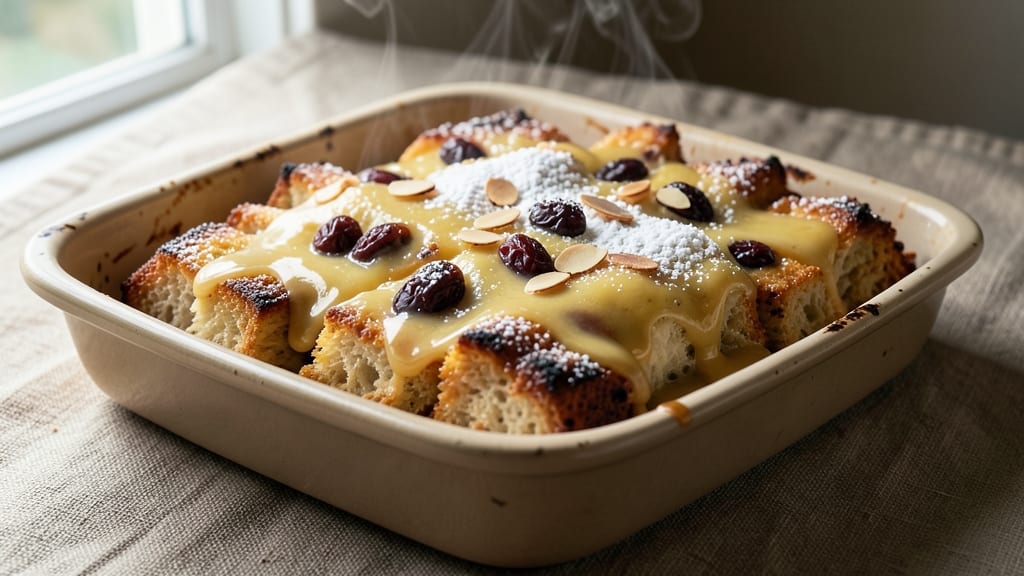
This American bread pudding recipe transforms stale loaves into a velvety, cinnamon-kissed dessert with a crispy top and gooey center—no one will guess it started as yesterday's bread.
The secret lies in the foil-sealed baking method, which traps steam for that signature foil-sealed creaminess while letting the edges caramelize into golden perfection. I’ve perfected this version over years of holiday baking, ensuring every slice delivers that perfect balance of vanilla warmth and buttery richness.
The magic begins with cubed bread soaked in a custard of eggs, milk, and vanilla, then baked until the edges crisp and the center remains tender. A sprinkle of cinnamon and nutmeg infuses warmth, while a touch of brown sugar adds depth.
The foil-sealed technique guarantees a moist interior, while the final broil creates that coveted caramelized crust. It’s the kind of dessert that feels indulgent yet simple enough for a weeknight treat.
What sets this recipe apart is the vanilla-cinnamon crunch—the contrast between the soft, custardy center and the slightly crispy edges. Topped with whipped cream or a drizzle of caramel sauce, it becomes a showstopper for dinner parties or a comforting end to any meal.
The aroma alone will have everyone gathering in the kitchen, and the first bite will make them ask for seconds.
Best of all, this bread pudding makes great use of stale bread, turning something ordinary into something extraordinary. Whether you’re feeding a crowd or craving a single serving, this recipe delivers restaurant-quality results with minimal effort. Ready to transform your kitchen into a dessert haven? Let’s get started.
Ingredients for american bread pudding
Six ingredients transform stale bread into restaurant-quality vanilla-cinnamon crunch perfection.
| Ingredient | Amount | Notes |
|---|---|---|
| Stale Bread Loaf 🍞 | 1 ½ lb | Day-old white or challah preferred |
| Large Eggs 🥚 | 4 whole | Room temperature for even mixing |
| Whole Milk 🥛 | 2 cups | Full-fat for richest texture |
| Vanilla Extract 🌿 | 2 tsp | Pure extract, not imitation |
| Granulated Sugar 🍚 | 1 cup | White sugar preferred |
| Light Brown Sugar 🍯 | ½ cup | Packed tightly for moisture |
| Ground Cinnamon 🌶️ | 2 tsp | Freshly ground for best flavor |
| Ground Nutmeg 🌶️ | ½ tsp | Freshly grated preferred |
| Unsalted Butter 🧈 | ½ cup | Cold, cubed for even melting |
| Heavy Whipping Cream 🥛 | ½ cup | Full-fat for best texture |
| Sea Salt 🧂 | ½ tsp | Fine grain preferred |
| Aluminum Foil 📄 | 1 sheet | Heavy-duty for sealing |
The bread is the foundation—day-old white or challah works best, but any stale loaf will do. Costco or local bakeries often have perfect day-old bread at a discount. Cube it about 1.5 inches per side; consistency matters here. For the custard, full-fat milk and heavy cream ensure that signature creamy texture. Eggs should be room temperature—cold eggs create lumpy mixtures. The vanilla extract is non-negotiable; imitation lacks that depth of flavor. If you're using a vanilla bean, scrape the seeds into your mixture for extra richness.
No vanilla extract? Vanilla sugar or a scraped vanilla bean works in a pinch. Substitute whole milk with evaporated milk for extra creaminess, but reduce the amount by 2 tablespoons. For a sugar swap, coconut sugar or maple syrup (reduce by 1 tablespoon) add subtle flavor variations. The cinnamon and nutmeg can be swapped for pumpkin pie spice at half the amount. If you're watching calories, light cream cheese blended into the custard adds tang without extra fat. For the butter, vegetable shortening works if you're avoiding dairy, though the flavor will differ slightly.
Prep ahead for foolproof results—the bread cubes can be soaked in the custard mixture up to 4 hours in advance. Store the unbaked pudding in an airtight container in the fridge. Once baked, it reheats beautifully—5 minutes at 350°F covered with foil. For make-ahead convenience, bake the pudding a day ahead; flavors deepen overnight. Leftovers keep for 3 days in the fridge, though they rarely last that long. The foil-sealed technique means you can bake it directly in the serving dish, making it perfect for gatherings.
Why You'll Love This Recipe
- No-Waste Magic: I swear by this trick—turning yesterday’s bread into something golden and irresistible. Just cube it, toss it in a bowl, and let the milk and eggs work their magic while you sip your coffee.
- Golden Comfort: That caramelized top with the custardy center? It’s the kind of dessert that makes you slow down and savor every bite. The vanilla and sugar balance the bread’s richness perfectly—like a warm hug in dish form.
- Weeknight Hero: Dinner guests? Last-minute dessert? This comes together in under an hour, and the leftovers reheat beautifully. I’ve served it at family dinners, potlucks, and even as a lazy Sunday breakfast—it’s that versatile.
- Budget-Friendly Luxury: Eggs, milk, sugar, and stale bread? That’s it. No fancy ingredients, just pure, satisfying flavor. Honestly, it’s one of my go-to recipes when I want something special without breaking the bank.
Step-by-step instructions for vanilla-cinnamon bread pudding
This method delivers a perfectly balanced bread pudding with crispy edges and a creamy center.
Prepare the Bread Loaf
Cut the 1.5 lb stale bread loaf into 1-inch cubes using a serrated knife. I find a bread knife works best for this—it gives you clean cuts without crushing the bread. Arrange the cubes in a single layer on a baking sheet and set aside. The bread should be completely dry; if it feels damp, pat it with paper towels to absorb any excess moisture.
This step is crucial because evenly sized cubes ensure even cooking throughout. The bread should be completely room temperature when you begin mixing—this helps it absorb the custard mixture more evenly. If your kitchen is cold, let the bread sit out for 15-20 minutes before proceeding. You'll know it's ready when the cubes feel slightly warm to the touch.
Make the Custard Mixture
In a large mixing bowl, whisk together the 4 whole large eggs, 2 cups whole milk, 2 tsp vanilla extract, 1 cup granulated sugar, 0.5 cup packed light brown sugar, 2 tsp ground cinnamon, 0.5 tsp ground nutmeg, and 0.5 tsp sea salt until completely smooth. I like to use a whisk for this step because it incorporates air gently without overmixing the eggs.
The mixture should be pale yellow and completely homogeneous. If you see any streaks of egg white, whisk for another 30 seconds until fully combined. This custard forms the backbone of your bread pudding, so proper mixing ensures a smooth, creamy texture. Keep this mixture at room temperature—cold custard can make the bread pudding gummy.
Combine Bread and Custard
Pour the custard mixture over the bread cubes in the baking sheet. Use a large spoon to gently fold the bread cubes until they're completely coated and evenly distributed. You want the bread to absorb the custard but not become soggy. I find it helps to work in batches if your baking sheet is large—this makes it easier to ensure even coating.
Transfer the bread mixture to a 9x13-inch baking dish (or similar size). Press down gently and evenly to compact the bread slightly—this helps create a firmer texture. The bread should be completely submerged in the custard mixture, but don't worry if it looks like too much liquid. The bread will absorb it as it bakes, creating that perfect custard-to-bread ratio.
Bake with Foil Seal
Preheat your oven to 350°F. Once hot, place the baking dish in the center rack. Bake uncovered for 30 minutes. During this initial baking time, the top should begin to set while the bottom continues to cook through. After 30 minutes, cover the baking dish tightly with the aluminum foil.
The foil seal is what creates that signature creamy texture. It traps steam and prevents the top from drying out while allowing the bread to finish cooking through. Return to the oven and bake for another 30-40 minutes until the center is set but still slightly jiggly when shaken gently. A toothpick inserted in the center should come out clean or with just a few moist crumbs—this indicates perfect doneness. If it comes out wet, bake for another 5-10 minutes.
Add Creamy Topping and Serve
While the bread pudding is still warm, melt the 0.5 cup unsalted butter in a small saucepan over low heat. Remove from heat and whisk in the 0.5 cup heavy whipping cream until smooth. Pour this mixture evenly over the top of the hot bread pudding and return it to the oven for 5-10 minutes to melt and caramelize slightly.
Serve immediately while still warm. The bread pudding should have crisp edges at the bottom of the pan and a creamy, custardy center. Each bite should offer the perfect balance of tender bread, rich custard, and warm spice notes. The caramelized cream topping adds a luxurious finish that makes this bread pudding truly special. For best results, serve with a dollop of whipped cream or a scoop of vanilla ice cream.
Pro Tips For Making American Bread Pudding
- CUT BREAD IN EVEN SLICES: Use a serrated knife and cut the loaf into ½-inch thick pieces—no thicker, no thinner. Thick slices stay gummy; thin ones dry out. I learned this the hard way when my first batch turned into a soggy brick.
- WHISK EGGS VIGOROUSLY: Beat the eggs and milk mixture until it’s smooth and just slightly thickened—about 2 minutes with a whisk. This ensures the custard sets properly and doesn’t curdle when it hits the oven. Skimp here, and you’ll end up with a watery pudding.
- BAKE LOW AND SLOW: Start at 350°F (175°C) and bake for 40–45 minutes, then broil for 2–3 minutes until the top is golden. Rushing it with high heat makes the outside burn before the center sets. Trust me, your pudding will thank you.
- TOAST BREAD FIRST: Lightly toast the bread slices in the oven for 5–7 minutes before assembling. This step locks in moisture and prevents a gummy texture. Yes, it’s an extra step, but it actually changes the outcome—crisp edges, creamy middle.
Make-ahead tips for leftovers
Prep Ahead Strategy
Start the bread pudding custard mixture up to 4 hours ahead of baking time and store it in an airtight container in the fridge. This gives the flavors time to meld beautifully while keeping the bread cubes from absorbing too much liquid prematurely.
I always prep mine the night before—it saves time on busy mornings and makes the baking process effortless. 💫
Baking in Advance
Bake the bread pudding a full 24 hours ahead if you're planning for a gathering. The flavors deepen and intensify over time, making each bite even more delicious.
Store it in an airtight container at room temperature, covered loosely with foil. Reheat at 350°F for 10-15 minutes before serving to restore that warm, gooey texture.
Freezing for Later
For long-term storage, freeze the baked bread pudding in a single layer in an airtight container. It keeps for up to 3 months without losing its creamy texture. Thaw overnight in the fridge before reheating.
I recommend freezing it in individual portions so you can enjoy it whenever cravings strike—no need to bake a whole dish just for one serving! ❄️
Portion Control
Divide the unbaked bread pudding mixture into ramekins or small baking dishes before baking if you want individual servings. Bake them separately for 25-30 minutes with the foil seal, then finish with the cream topping.
This is perfect for meal prep—just grab and reheat when you need a comforting dessert. I love making these for my kids’ school lunches—they’re a hit!
Make-Ahead Toppings
Prepare the creamy butter topping ahead of time by mixing the melted butter and heavy cream in a small jar. Store it in the fridge and reheat gently in the microwave before pouring over the warm bread pudding.
This saves you from last-minute prep when serving. For extra convenience, whip up a batch of vanilla ice cream or store-bought whipped cream in advance—just a dollop makes this dessert feel like a restaurant treat. 🍦
Nutrition facts
Frequently asked questions
Can I use fresh bread instead of stale bread?
Fresh bread works, but stale bread is ideal because it absorbs the custard better without turning soggy. If using fresh bread, lightly toast the cubes first to remove excess moisture. This prevents a gummy texture and helps maintain the perfect balance of tender bread and creamy custard.
Why does my bread pudding come out gummy?
Overmixing the custard or using too much liquid are common culprits. Ensure your eggs and milk are room temperature, and whisk just until smooth. Also, check your baking time—it should be slightly jiggly in the center when done. Underbaking often results in a gummy texture, so aim for a toothpick that comes out with a few moist crumbs.
Can I make this bread pudding in a smaller dish?
Yes! For a 9x9-inch dish, reduce the recipe by about 25%, and bake for 20-25 minutes uncovered, then 25-30 minutes covered with foil. Individual ramekins work too—bake for 25-30 minutes with foil, then broil for 2-3 minutes to crisp the top. The foil-sealed technique ensures even cooking in smaller containers.
What’s the best way to reheat leftovers?
Cover with foil and reheat at 350°F for 10-15 minutes until warmed through. For a crispy top, broil for 2-3 minutes at the end. Microwaving works in a pinch (30-45 seconds), but it can make the texture rubbery. Always reheat until steaming hot to kill any bacteria and restore that comforting, gooey texture.
Can I add mix-ins like fruit or nuts?
Fold in ½ cup raisins, diced apples, or chopped pecans with the bread cubes for extra texture. Soak dried fruit first to prevent dry spots. For a boozy twist, add 1-2 tbsp bourbon or rum to the custard. Just be mindful of portion sizes—too many mix-ins can make the pudding dense. Start with ½ cup total for balance.