
Desserts
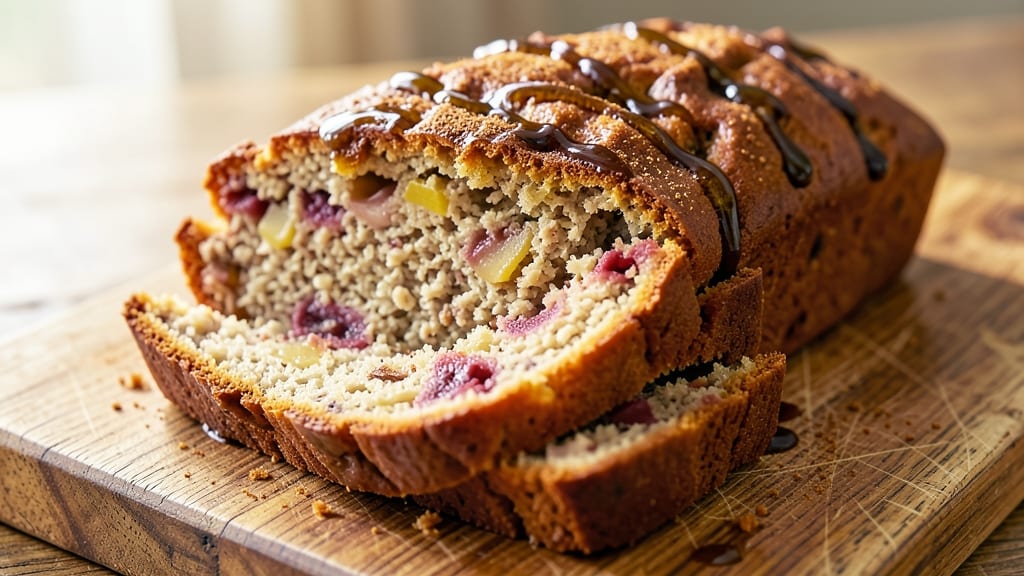
This American Heart Association banana bread recipe proves healthy baking doesn't mean sacrificing moist, flavorful results. The secret lies in whole-grain oat flour, ripe bananas, and heart-smart substitutions that keep the texture rich while cutting refined sugar and saturated fat.
I've perfected this version after years of testing—it meets AHA guidelines without compromising on that classic banana bread experience.
The foundation of this recipe is olive oil instead of butter, which reduces harmful fats while maintaining moisture. Whole-grain oat flour adds fiber and nutrients, while ripe bananas provide natural sweetness and binding power.
The result is a loaf with perfect crumb texture—tender yet sturdy—that stays fresh for days. No artificial sweeteners or heavy cream here, just wholesome ingredients working together.
What you'll achieve is a moist, heart-healthy banana bread that's just as satisfying as traditional versions. The crust stays slightly crisp while the interior remains soft and fragrant, with just the right balance of banana flavor. This recipe delivers on both nutrition and taste—something we rarely see in diet-focused baking.
Perfect for breakfast, snacking, or gifting, this banana bread makes healthy eating feel indulgent. The recipe includes AHA-approved modifications while keeping preparation straightforward. Let's get baking with these heart-smart ingredients that don't compromise on flavor.
Ingredients for american heart association banana bread
Heart-smart ingredients delivering moist, flavorful banana bread without refined sugar or butter.
| Ingredient | Amount | Notes |
|---|---|---|
| Extra-Virgin Olive Oil 🫒 | ½ cup | High-quality, fruity variety preferred |
| Ripe Bananas 🍌 | 2 medium | Overripe with brown specks for sweetness |
| Whole-Grain Oat Flour 🌾 | 1 ½ cups | Blended from rolled oats for texture |
| Unsweetened Applesauce 🍎 | ½ cup | For natural moisture and sweetness |
| Pure Maple Syrup 🍯 | ¼ cup | Grade B for robust flavor profile |
| Large Eggs 🥚 | 2 whole | Room temperature for even mixing |
| Vanilla Extract 🌿 | 1 tbsp | Pure Madagascar bourbon preferred |
| Ground Cinnamon 🌶️ | 1 ½ tsp | Freshly ground for optimal flavor |
| Baking Soda 🧂 | ½ tsp | Pure, uncoated for leavening |
| Diamond Crystal Kosher Salt 🧂 | ½ tsp | Fine grain for even distribution |
| Unsweetened Almond Milk 🥛 | ½ cup | For dairy-free moisture alternative |
| Walnuts 🥜 | ½ cup | Chopped, toasted for texture contrast |
The bananas are the flavor foundation—look for overripe ones with brown specks for maximum sweetness and natural moisture. Whole Foods or local markets often have the ripest selection, but grocery store bananas work too if you let them sit on the counter a few extra days. The oat flour is key for that classic texture while boosting fiber; Bob's Red Mill brand is my go-to for consistent quality. If you're short on time, blend rolled oats in a food processor for a quick flour substitute. The walnuts should be toasted until fragrant—this enhances their natural flavor and prevents bitterness in the final loaf.
No pure maple syrup? Agave nectar works in a pinch, though it lacks the same depth of flavor. Substituting applesauce for almond milk is seamless—just use the same amount. The cinnamon is non-negotiable for authentic flavor, but if you're out, cassia cinnamon at double the amount will work. For the olive oil, avocado oil is a neutral alternative if preferred. All ingredients should be measured by weight for precision, especially the flour and oat flour—spooning from the container creates air pockets that affect texture. The baking soda must be fresh; if it's more than six months old, test it in vinegar to confirm it still bubbles.
This loaf stays moist for 5 days when wrapped tightly in plastic and stored at room temperature. For longer storage, slice and freeze portions for up to 3 months—they reheat beautifully in the oven at 300°F for 10 minutes. The walnuts can be toasted ahead and stored in an airtight container for 2 weeks. Banana bread freezes exceptionally well, so consider doubling the recipe for gifts. When reheating, cover with foil to prevent drying. The crust will soften slightly, but the interior remains perfectly tender.
Why You'll Love This Recipe
- No-Fuss Mix-In: I swear by this recipe when my bananas turn spotty—just mash, measure, and toss. The oat flour handles the texture perfectly, so no fancy sifting or weighing required.
- Maple-Kissed Sweetness: That pure maple syrup? It’s the secret weapon here. It caramelizes just enough to give every bite a warm, buttery depth without overpowering the ripe banana’s natural sweetness.
- Weeknight Workhorse: Between us, this is my go-to for brunch, a snack, or even a quick breakfast. The applesauce keeps it moist for days, so I can bake one loaf and have leftovers for lunch all week.
- Heart-Healthy Guilt-Free: Honestly, this tastes like a treat but won’t derail your diet. The olive oil adds richness, while the whole-grain oat flour and applesauce keep it light—plus, it’s packed with fiber and no refined sugar.
Step-by-step instructions for heart-healthy banana bread
This method delivers moist, flavorful banana bread using whole-grain ingredients and natural sweeteners.
👨🍳 Step 1: Preheat and Prepare the Loaf Pan
Preheat your oven to 350°F. Lightly grease a 9x5-inch loaf pan with the 0.5 cup extra-virgin olive oil, using a paper towel to coat the bottom and sides evenly. This prevents sticking and ensures easy removal. Line the pan with parchment paper for extra insurance, leaving an overhang on both sides for easy lifting later.
While the oven heats, toast the 0.5 cup walnuts in a dry skillet over medium heat for 3-4 minutes until fragrant and golden. Watch closely—they burn quickly. Transfer to a cutting board and roughly chop them with a chef's knife. Set aside for later use. The toasting enhances their nutty flavor and prevents them from becoming soggy in the bread.
👨🍳 Step 2: Combine Wet Ingredients
In a large mixing bowl, mash the 2 medium ripe bananas until smooth, using a fork or potato masher. Add the 0.5 cup unsweetened applesauce, 0.25 cup pure maple syrup, and 0.5 cup unsweetened almond milk. Stir until fully combined, creating a thick, creamy mixture. The bananas should be completely broken down with no lumps remaining.
In a separate small bowl, whisk together the 2 whole large eggs and 1 tablespoon vanilla extract. Slowly pour this mixture into the banana mixture while stirring continuously. This gradual addition prevents the eggs from curdling. The batter should now be smooth and well-integrated, with a rich, golden hue from the maple syrup and banana.
👨🍳 Step 3: Mix Dry Ingredients and Combine
In a medium bowl, sift together the 1.5 cups whole-grain oat flour, 1.5 teaspoons ground cinnamon, 0.5 teaspoon baking soda, and 0.5 teaspoon diamond crystal kosher salt. Whisk until evenly distributed. The baking soda and salt should be completely incorporated into the flour to avoid pockets of dry ingredients in the final batter.
Gradually add the dry mixture to the wet ingredients, stirring gently with a spatula until just combined. Avoid overmixing—you want to maintain a thick, slightly lumpy texture. Fold in the toasted, chopped walnuts, distributing them evenly throughout the batter. The walnuts should be visible but not overpowering, adding texture and crunch to each slice.
🔥 Step 4: Bake to Golden Perfection
Pour the batter into the prepared loaf pan and smooth the top with a spatula. Tap the pan gently on the counter to release any air bubbles that may have formed. Bake for 50-55 minutes, or until a toothpick inserted into the center comes out clean or with a few moist crumbs clinging to it. The edges should be golden brown, and the top should spring back slightly when pressed gently with a finger.
If the top begins to brown too quickly, loosely tent the pan with aluminum foil after 30 minutes to prevent over-browning while still allowing the bread to bake through. The internal temperature should reach 200°F for a perfectly moist crumb. Remove from the oven and let the bread cool in the pan for 10 minutes before transferring to a wire rack to cool completely.
⏰ Step 5: Serve and Store for Maximum Freshness
Once fully cooled, slice the banana bread into 4 equal servings using a serrated knife. Each slice should be moist with a tender crumb and pockets of walnut throughout. The natural sweetness from the bananas and maple syrup should be balanced by the warm cinnamon and nutty walnuts, without any aftertaste of refined sugar.
Store any leftovers in an airtight container at room temperature for up to 3 days, or refrigerate for up to 5 days. For longer storage, wrap individual slices in plastic wrap and freeze for up to 3 months. To reheat, warm slices in the microwave for 10-15 seconds or toast in a toaster oven until lightly crispy. This bread holds up well to toasting, making it perfect for a quick breakfast or snack.
Pro Tips For Making American Heart Association Banana Bread
- Mash Bananas Properly: I learned this the hard way—squishing ripe bananas with a fork leaves lumps that make your bread dense. Use a potato masher or fork to break them down into a smooth paste, then press through a fine-mesh sieve to remove skins and fiber. It’s extra work, but the texture stays light and moist.
- Preheat Pan First: That olive oil in the recipe isn’t just for flavor—it’s the secret to a tender bottom crust. Grease your loaf pan after preheating it to 350°F (175°C), then add the oil and swirl to coat. The heat helps the oil adhere better than room-temperature greasing ever will.
- Don’t Overmix the Batter: Whole-grain oat flour develops gluten faster than you’d think. Mix just until the dry ingredients disappear—maybe 15-20 strokes max. Overworking it turns your bread into a dense brick. If you’re skeptical, try it once and taste the difference.
- Use Warm Applesauce: Unsweetened applesauce thickens when cold, which can make your bread gummy. Microwave it for 20 seconds or warm it in a bowl over hot water until it’s just above room temperature. The batter will blend smoother, and the texture stays consistent.
Common mistakes when making your american heart association banana bread
Overmixing the Batter
This is the #1 mistake I see that leads to dense, tough banana bread. Once you've combined the wet and dry ingredients, stop mixing immediately after the flour disappears—overmixing develops gluten strands that create a chewy, cake-like texture instead of the tender crumb we want.
I recommend using a spatula and mixing just until the dry ingredients are mostly incorporated, with a few small lumps remaining. Those lumps actually help create that classic banana bread texture. 🥄
Skipping the Toothpick Test
Many home bakers pull their banana bread out too soon because they're impatient for that golden crust. But baking banana bread to the right internal temperature is crucial for both texture and safety.
Insert a toothpick into the center—it should come out with a few moist crumbs but no wet batter clinging to it. If you pull it out clean too early, the center will remain gummy. If you wait until it's completely clean, the edges may burn.
Aim for 200°F internal temperature for perfect doneness.
Using Underripe Bananas
The flavor and moisture of your banana bread depend entirely on how ripe your bananas are. Underripe bananas lack sweetness and natural moisture, which means your bread will taste bland and dry. Look for bananas with large brown spots and some softness when gently squeezed.
I like to mash them directly in the mixing bowl to preserve all their juices. If you're in a pinch, you can speed up ripening by placing bananas in a paper bag with an apple overnight—the apple's ethylene gas accelerates the ripening process.
Ignoring the Room Temperature Eggs
Cold eggs can cause your batter to curdle or create pockets of uneven texture in your banana bread. Always use room temperature eggs—simply take them out of the fridge 30 minutes before mixing. You'll notice the batter comes together more smoothly and has a consistent texture throughout.
Pro tip: I keep my eggs in the fridge door (the warmest spot) for easy access to room temp eggs when I need them. This small step makes a surprisingly big difference in the final texture.
Overfilling the Loaf Pan
Banana bread batter rises significantly during baking, so overfilling your pan will cause it to overflow or bake unevenly. The batter should reach about 2/3 full of your 9x5-inch loaf pan before baking. When in doubt, err on the side of less batter—you can always make a second batch!
I like to use a rubber spatula to smooth the top after pouring, then tap the pan gently on the counter to release any air bubbles that might have formed. This ensures even baking and a smooth finish.
Not Preheating the Oven Properly
Preheating your oven for 15-20 minutes before baking ensures even heat distribution and proper rise. I've seen many home bakers skip this step, thinking it's not critical for banana bread. But when your oven isn't properly heated, the bread may bake unevenly—sometimes with a dense center and over-browned edges.
Always use an oven thermometer to verify your oven's actual temperature, as many ovens run 25-50°F hotter or cooler than the set temperature. For this recipe, 350°F is non-negotiable for that perfect moist crumb.
Nutrition facts
Frequently asked questions
Can I substitute regular flour for the whole-grain oat flour?
While possible, it changes the nutritional benefits and texture. Whole-grain oat flour adds fiber and heart-healthy nutrients while maintaining that classic banana bread crumb. If you must substitute, use 1:1 all-purpose flour but expect a slightly denser texture. For better heart health, try blending half whole wheat flour with half all-purpose for a compromise. The oat flour's natural sweetness also helps reduce added sugar needs.
Why does your recipe use olive oil instead of butter?
Olive oil is a heart-healthy choice because it's rich in monounsaturated fats, which help lower LDL cholesterol. The American Heart Association recommends limiting saturated fats found in butter. Olive oil also adds moisture without adding saturated fat, making this bread just as tender as traditional versions. For flavor, use a fruity extra-virgin variety that complements the banana's sweetness.
How can I make this banana bread lower in sugar?
This recipe already reduces sugar by using ripe bananas, applesauce, and maple syrup. For even less sweetness, replace 2 tablespoons of maple syrup with unsweetened applesauce or 1 teaspoon of cinnamon (which enhances perceived sweetness). You could also try 1 teaspoon of vanilla extract—it intensifies sweetness naturally. Always taste the batter before baking to adjust to your preference.
Can I make this recipe gluten-free?
Yes! Replace the whole-grain oat flour with a 1:1 gluten-free flour blend like Bob's Red Mill 1-to-1. You may need to add 1/4 teaspoon xanthan gum to improve texture. Also ensure your baking powder is gluten-free. Keep in mind the texture will be slightly different—gluten-free versions tend to be more crumbly. Test with a small batch first to adjust moisture levels if needed.
How do I know when my banana bread is done baking?
Use the toothpick test: insert it into the center—it should come out with a few moist crumbs but no wet batter. The internal temperature should reach 200°F. The edges should be golden brown, and the top should spring back slightly when pressed gently. Baking time varies by oven, but this recipe typically takes 50-55 minutes. If the top browns too quickly, tent with foil after 30 minutes.