
Breakfast & Brunch
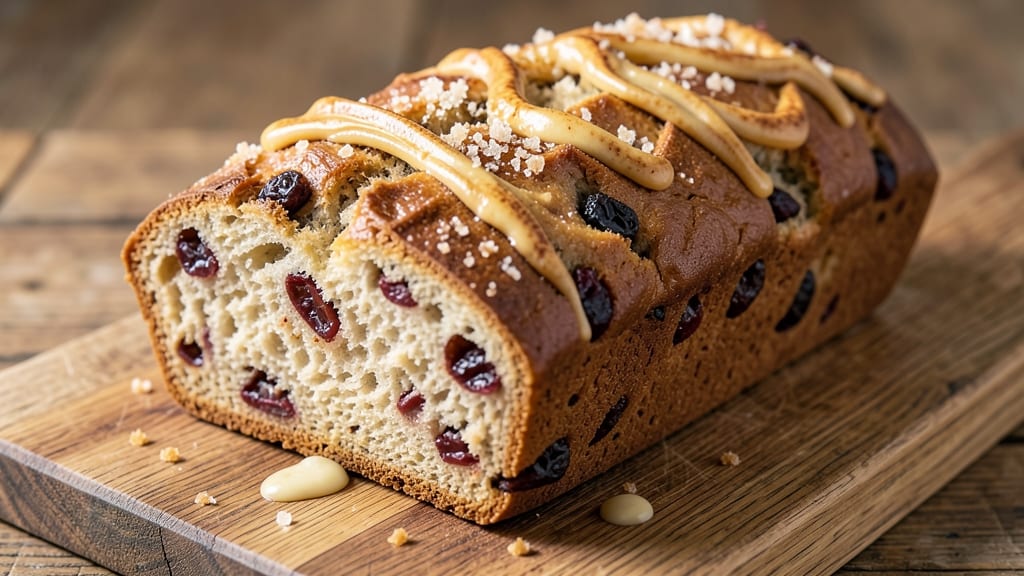
Amish Cinnamon Raisin Bread brings the comforting aroma of warm spice and sweet fruit to your kitchen, perfect for breakfast or a cozy snack. 🌟 This recipe delivers tender, fluffy bread with pockets of cinnamon-sugar and plump raisins that melt in every bite, inspired by traditional Amish baking techniques. The secret lies in a slow rise and gentle handling to maintain that signature texture.
The process begins with a simple yeast dough that develops rich flavor during an overnight rise, creating that signature Amish bread taste. You'll mix a sweet, spiced filling of cinnamon, sugar, and raisins that gets rolled into the dough before shaping into a classic loaf.
Baking at 350°F for about 45-50 minutes yields golden-brown crust with a soft, pillowy interior.
What makes this recipe special is how the warm spices and fruit swirls are evenly distributed throughout each slice, ensuring every bite delivers that perfect balance of sweetness and warmth.
The dough's slow fermentation also makes it easier to digest while enhancing flavor complexity. This bread pairs beautifully with butter, jam, or even as a side for breakfast meats.
For best results, use a stand mixer or strong arms for kneading, and let the dough rise in a warm place until doubled in size. The raisins should be plump and the cinnamon filling evenly distributed for that classic Amish swirl pattern.
This recipe is designed to be straightforward yet impressive, delivering restaurant-quality results at home.
Ingredients for amish cinnamon raisin bread
This sweet, spiced bread needs just 12 simple ingredients for that classic Amish cinnamon raisin magic.
| Ingredient | Amount | Notes |
|---|---|---|
| Active Dry Yeast 🍞 | 2 ¼ tsp | One packet or 7g |
| Warm Whole Milk 🥛 | 1 ¼ cups | 110°F, not hot |
| All-Purpose Flour 🌾 | 5 cups | Plus extra for dusting |
| Granulated Sugar 🍚 | ½ cup | For dough and filling |
| Salt 🧂 | 1 ½ tsp | Diamond Crystal preferred |
| Unsalted Butter 🧈 | ½ cup | Cold, cubed for dough |
| Raisins 🍇 | 1 ½ cups | Plump, not dried out |
| Ground Cinnamon 🌿 | ½ cup | Freshly ground preferred |
| Brown Sugar 🍚 | ¼ cup | Packed, for filling |
| Large Egg 🥚 | 1 whole | Room temperature |
| Vanilla Extract 🌸 | 1 tsp | Pure vanilla preferred |
| Vegetable Oil 🫒 | 2 tbsp | For greasing bowl |
The yeast is your flavor foundation—Penzeys brand or the tiny packets from the baking aisle both work. Warm the milk to 110°F (just warm to touch) to activate it properly. For flour, King Arthur or Bob's Red Mill are my go-tos—they handle the slow rise beautifully. The raisins? Soak them in warm water for 10 minutes before adding to plump them up (trust me, it makes a difference). That brown sugar in the filling is key—it caramelizes slightly during baking, adding depth. If you're short on time, use quick-rise flour but expect slightly less flavor development.
No vanilla extract? Almond extract at half the amount gives a similar warmth, though less floral. Out of raisins? Chopped dates or dried cranberries work in a pinch, though the texture will vary slightly. For the cinnamon, stick with ground—whole sticks won't distribute evenly in the dough. The butter should be cold when you cut it into the flour—this creates those perfect pockets of air. If your dough feels too sticky after kneading, add 1 tbsp more flour at a time until it's just smooth. And hey, if you're making this ahead, freeze the shaped loaf before baking—just thaw overnight before popping in the oven.
This dough is a two-day project—that slow rise is what makes it special. After the first rise, cover with a damp towel and let it sit in a warm spot (like near your oven with the light on). The filling should be evenly distributed when you roll it in—don't skimp on the swirls! For storage, wrap tightly in foil and keep at room temp for 2 days, or freeze the whole loaf for up to 3 months. Leftovers? Toast them—they get even more flavorful. And if you're feeling fancy, brush the warm bread with melted butter straight from the oven.
Why You'll Love This Recipe
- No-Knead Magic: I swear by this recipe—just mix, let it rise, and bake. The yeast does all the work while I sip coffee, and by the time I’m done, the kitchen’s barely messy.
- Warm Spice Hug: That first bite? Pure comfort. The cinnamon and raisins in warm milk-soaked dough taste like a hug from my grandma, but with zero guilt—just real, simple ingredients.
- Breakfast to Snack: Serve it toasted for breakfast or split into muffins for a quick snack. Even my picky teenage nephew grabs a slice before soccer practice—proof it’s a crowd-pleaser.
- Dollar Stretch: A loaf costs me pennies but lasts all week. Freeze half for lazy mornings, and the rest? Gone before I can blink. Budget-friendly doesn’t get better than this.
Step-by-step instructions for Amish cinnamon raisin bread
Let's bake this fragrant, swirled bread with layers of spiced raisin filling—every bite will be worth it!
👨🍳 Step 1: Activate the Yeast and Mix the Dough
In a large mixing bowl, combine the 1.25 cups warm whole milk (about 110°F) with the 0.5 cup granulated sugar and 2.25 tsp active dry yeast. Let this sit for 5-10 minutes until frothy—you should see bubbles forming on top. This proves your yeast is alive and ready to work.
Next, add the 1 whole large egg, 1 tsp vanilla extract, and 1.5 tsp salt to the milk mixture. Stir gently to combine, then gradually add the 5 cups all-purpose flour while mixing with a wooden spoon or dough hook. Once the flour is incorporated, knead the dough for 5-7 minutes on a floured surface until smooth and elastic. The dough should feel slightly tacky but not sticky—add a little more flour if needed.
🥘 Step 2: Create the Cinnamon Raisin Filling
In a small bowl, mix together the 1.5 cups raisins, 0.5 cup ground cinnamon, and 0.25 cup packed brown sugar until evenly coated. This filling is what makes this bread special—don't skip the cinnamon, as it's the heart of the Amish flavor profile. You can also add a pinch of nutmeg if you like, but the classic recipe calls for just these three ingredients.
Set this mixture aside while you prepare the dough for shaping. The filling should be moist but not wet—if it looks too dry, add a teaspoon of milk to help it bind together. This will become the gooey, spiced center of your bread once baked.
🍳 Step 3: Shape and Swirl the Dough
Roll out the dough on a lightly floured surface into a 12x18-inch rectangle, about ¼-inch thick. Spread the cinnamon raisin filling evenly over the dough, leaving a ½-inch border around the edges. Here's where the magic happens—roll the dough tightly into a log, starting from the long side. Seal the seam by pinching it firmly.
Place the sealed log seam-side down in a greased 9x5-inch loaf pan. The dough should rise just above the pan's edges—this ensures a beautiful, rounded top. Cover the pan loosely with a kitchen towel and let it rise in a warm place for 1-1.5 hours or until doubled in size. The dough should spring back slowly when pressed gently with a finger.
🔥 Step 4: Bake to Golden Perfection
Preheat your oven to 350°F while the dough rises. Once the dough has doubled, brush the top lightly with water using a pastry brush. This creates a beautiful, glossy crust as it bakes. Bake for 45-50 minutes until the bread reaches an internal temperature of 190°F and the top is deep golden brown.
For the best results, I like to bake this bread on the middle rack of the oven. The bread is done when it sounds hollow when tapped on the bottom and pulls away from the sides of the pan easily. Let it cool in the pan for 10 minutes before transferring to a wire rack to cool completely. The filling will be warm and gooey—wait until it's slightly cooled before slicing to prevent it from running everywhere!
⏰ Step 5: Rest and Slice for Maximum Flavor
Once the bread has cooled completely, remove it from the pan and slice it into ½-inch thick pieces. The filling should be soft and fragrant, with pockets of sweet raisins and warm cinnamon in every bite. For the best texture, I recommend slicing the bread just before serving—this helps the filling stay moist and gooey.
This bread tastes even better the next day when the flavors have had time to meld together. Store leftovers wrapped in plastic at room temperature for up to 3 days, or freeze slices for up to 3 months. Enjoy it warm with butter or as part of a classic breakfast spread!
Pro Tips For Making Amish Cinnamon Raisin Bread
- Test Yeast First: Skip the guesswork—mix 1 packet yeast with ¼ cup warm milk and 1 tsp sugar in a small bowl. If it bubbles within 5 minutes, your yeast is alive and ready. I learned this the hard way after baking a flat loaf because my yeast was old and stubborn.
- Soak Raisins Properly: Toss raisins in 2 tablespoons warm milk, 1 tablespoon sugar, and ½ teaspoon cinnamon for 10 minutes before adding to the dough. They’ll plump up and release flavor instead of sinking like rocks. (Yes, even if you’re impatient like me.)
- Don’t Over-Knead: The dough is ready when it springs back slowly when poked—about 8-10 minutes by hand. Overwork it, and the bread turns tough. I used to go until my arm ached, but this recipe rewards gentle handling.
- Use a Thermometer for Proofing: The dough should double in size when it hits 75°F (24°C)—not just when it looks ready. A cheap oven thermometer saves overproofed, dense loaves. I was skeptical until I tried it, and now it’s non-negotiable.
Regional styles of these flavors
Pennsylvania Dutch Tradition
The Amish community in Pennsylvania Dutch country popularized this bread as a staple for their simple, hearty breakfasts. The recipe reflects their resourceful use of pantry staples—flour, sugar, and spices—while creating something special.
I remember visiting Lancaster County and seeing this bread sold at roadside stands, still warm from the oven with that signature golden crust. The slow rise and careful shaping were always emphasized as key to preserving the bread's moist texture. 🌟
In traditional Amish households, this bread was often baked in cast iron Dutch ovens over wood stoves, which created an even heat distribution. That's why I recommend using a heavy loaf pan—it mimics that old-fashioned oven environment.
The raisins were typically soaked in warm water with a touch of vanilla to enhance their sweetness before being folded into the dough.
Ohio Amish Adaptations
While Pennsylvania Dutch Amish communities focus on simplicity, Ohio Amish bakers often add subtle variations like a pinch of nutmeg to the cinnamon filling. I've found that Ohio versions sometimes use a slightly higher proportion of brown sugar in the filling, which creates more caramelization during baking.
The dough is also sometimes kneaded by hand for a few extra minutes to develop more gluten, resulting in a slightly chewier texture.
In Ohio, this bread is frequently served with apple butter instead of jam, reflecting their orchard-rich region. I recommend trying this pairing if you have access to homemade apple butter—it complements the warm spices beautifully.
The Ohio version also tends to have a slightly taller rise in the pan, creating more dramatic swirls when sliced.
Midwest Homestyle Twists
As this bread spread across the Midwest, home bakers began experimenting with different fruit fillings. While raisins remain classic, many Midwest families incorporate chopped dates or dried cranberries for variety.
I've made a version with 1 cup chopped dates and ½ cup dried cranberries instead of raisins, which adds a tart contrast to the sweet cinnamon filling.
Another Midwest adaptation is adding a thin layer of cream cheese between the dough and filling. This creates an extra-creamy center that melts beautifully when baked. For this variation, spread 2 oz softened cream cheese over the dough before adding the cinnamon mixture.
The cream cheese should be thinly spread and evenly distributed to prevent any lumps.
Southern Appalachian Style
The Appalachian region adapted this bread by incorporating local ingredients like black walnuts into the filling. I've seen versions where ½ cup chopped black walnuts are added to the cinnamon mixture, providing a rich, earthy depth. The walnuts also add a delightful crunch that contrasts with the soft bread.
Southern bakers often use a slightly different shaping technique—rolling the dough into a spiral rather than a tight log. This creates more dramatic swirls when sliced and gives each bite a mix of dough and filling.
For this method, roll the dough into a rectangle, spread the filling, then roll tightly while rotating the dough slightly with each turn to create the spiral effect.
Nutrition facts
Frequently asked questions
Can I substitute raisins in this Amish bread recipe?
For a fruitier version, try 1.5 cups chopped dates or ½ cup dried cranberries plus 1 cup raisins. If you prefer a nutty twist, swap half the raisins for ½ cup chopped walnuts. Just soak dried fruits in warm water for 10 minutes first to plump them up—this keeps the texture perfect.
Why does my Amish bread turn out dense instead of light and fluffy?
Dense bread usually means the yeast didn't activate properly or the dough wasn't kneaded enough. Always warm your milk to 110°F and let the yeast sit until bubbly before mixing. Knead for 5-7 minutes until the dough springs back when pressed. Also, ensure your dough rises in a warm spot (80°F) until doubled—cold kitchens slow fermentation.
How do I make this bread without a stand mixer?
No problem! Use a wooden spoon or your hands to mix the dough initially, then knead it on a floured surface for 8-10 minutes. Press down hard with the heel of your hand and fold the dough over itself repeatedly. For extra strength, let the dough rest for 10 minutes between kneading sessions. Patience is key—this method just takes more elbow grease!
Can I make this bread in a different shape?
Certainly! For a free-form loaf, shape the dough into a round boule or oval instead of a log. Brush with melted butter before baking. You can also try a 9-inch round cake pan for a cinnamon roll effect—just bake for 35-40 minutes at 350°F. For a festive touch, braid the dough before the final rise or cut it into 1-inch thick slices and bake as individual rolls.
Why does the filling ooze out when I slice the bread?
This is normal! The warm filling needs time to set. Let the bread cool completely before slicing, or chill it in the pan for 30 minutes after baking. For less oozing, brush the top with 1 egg white before baking—it helps the crust set faster. If you love gooey centers, embrace it! Just slice with a serrated knife and enjoy the warm, spiced goodness immediately.