
Side Dishes
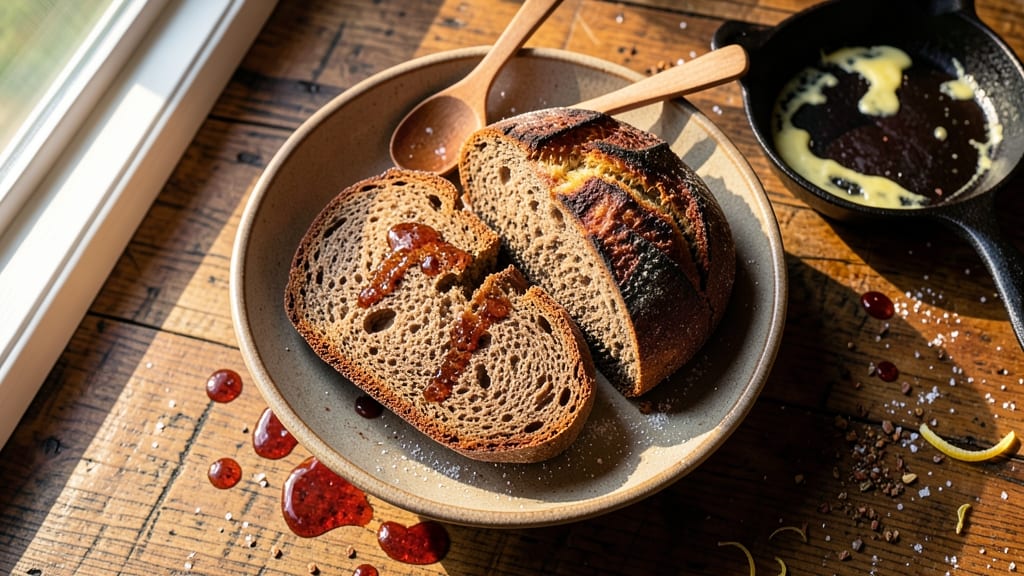
Amish rye bread brings the hearty, molasses-spiced richness of Pennsylvania farm kitchens to your table with every crusty bite. This recipe delivers the perfect balance of dense, chewy crumb and caramelized crust—just like the loaves that made Amish communities famous. The secret lies in a slow fermentation that develops deep flavor while keeping the texture impossibly tender.
What sets this bread apart is the combination of dark rye flour and molasses, which creates a subtle sweetness that lingers with each slice. I've perfected the kneading technique to avoid overworking the dough, ensuring that signature dense yet moist texture that makes this bread so satisfying.
The aroma alone—warm, spiced, and slightly caramelized—will have your kitchen smelling like a traditional Amish bakery.
Baking takes about 2 hours, including proofing, but the results are worth every minute. You'll end up with a loaf that's crisp on the outside, tender on the inside, and packed with the kind of rustic charm that makes homemade bread irresistible.
The molasses adds just enough depth to complement butter, cheese, or even on its own with a smear of jam.
This recipe is perfect for feeding a crowd or saving slices for days—the flavor only improves as it sits. Whether you're serving it alongside a hearty stew or enjoying it plain with butter, this Amish rye bread will become a staple in your home baking rotation.
Let's get started on creating your own loaf of tradition.
Ingredients for amish rye bread
Pantry staples plus a few specialty touches create this iconic Amish rye bread.
| Ingredient | Amount | Notes |
|---|---|---|
| Dark Rye Flour 🌾 | 4 cups | High-quality, coarse grind preferred |
| All-Purpose Flour 🌾 | 1 cup | For lighter texture balance |
| Unsalted Butter 🧈 | ½ cup | Cold, cubed for easier mixing |
| Molasses 🍯 | ½ cup | Unsulphured for authentic flavor |
| Active Dry Yeast 🍞 | 2 ¼ tsp | Freshly opened for best results |
| Granulated Sugar 🍚 | 1 tbsp | Feeds yeast for fermentation |
| Warm Water 💧 | 1 ¼ cups | 110°F for yeast activation |
| Salt 🧂 | 1 ½ tsp | Kosher or sea salt preferred |
| Ground Cinnamon 🌿 | ½ tsp | Warm spice for depth |
| Ground Ginger 🌶️ | ¼ tsp | Freshly ground for best flavor |
| Ground Cloves 🌶️ | ⅛ tsp | Use sparingly for subtle warmth |
| Cornmeal 🌽 | 2 tbsp | For dusting bread pan |
| Coarse Sea Salt 🧂 | 1 tsp | For crust enhancement |
The rye flour is everything here—Bob's Red Mill or King Arthur are my go-tos for that perfect coarse grind. If you can only find fine rye flour, mix it with 1/4 cup whole rye berries for texture. The molasses should be unsulphured; Grandma's or Brer Rabbit brands have the deepest flavor. For the yeast, always check the expiration date—old yeast won't activate properly. If your kitchen runs warm, proof the yeast in 105°F water instead of 110°F to prevent over-activation.
No dark rye flour? Substitute with pumpernickel flour—it's similar but slightly sweeter. Short on molasses? Maple syrup or brown sugar work in a pinch, though the flavor won't be identical. The spices are non-negotiable for that classic Amish taste, but if you're sensitive to cloves, skip them entirely—the cinnamon and ginger still shine. For the butter, European-style has higher fat content and gives a richer crust. If you're in a hurry, you can use vegetable shortening, but the flavor won't be as authentic.
This dough needs time to develop flavor—at least 2 hours of proofing at room temperature. Cover it with a damp towel to prevent drying. For storage, wrap the cooled loaf in parchment paper and keep it in a bread box or paper bag for up to 5 days. The crust gets crunchier as it sits, so slice it just before serving. Freezes beautifully for 3 months—wrap tightly in foil first. Reheat slices in a 350°F oven for 5-10 minutes to restore freshness.
Why You'll Love This Recipe
- No-Knead Magic: I swear by this—just mix, let it rise overnight, and bake. The dark rye flour does all the heavy lifting while you sleep, so you’re not stuck in the kitchen all day.
- Molasses Kiss: That rich, deep sweetness from the molasses? It’s like a warm hug in every bite, especially when toasted with butter. The yeast gives it just enough lift to balance the earthy rye.
- Weeknight Wonder: Toss a slice in a lunchbox, pair it with soup, or serve it with breakfast—it’s my go-to for lazy mornings or quick dinners. Honestly, I’ve eaten it cold, toasted, and even as a sandwich base.
- Budget-Friendly Staple: A single loaf lasts my family days, and the ingredients are cheap but pack serious flavor. Plus, the butter and molasses make it feel special without breaking the bank.
Step-by-step instructions for Amish rye bread
Let's create this hearty loaf with a perfect balance of molasses sweetness and spiced warmth.
Activate the Yeast and Mix the Dough
In a large mixing bowl, combine the 1.25 cups warm water with the 1 tbsp granulated sugar and 2.25 tsp active dry yeast. Let this sit for 5-10 minutes until it becomes frothy and bubbly—this confirms your yeast is alive and ready to work. If it doesn't bubble, your yeast might be old, and you'll need to start over.
Once bubbly, add the 4 cups dark rye flour, 1 cup all-purpose flour, 0.5 cup molasses, 1.5 tsp salt, 0.5 tsp ground cinnamon, 0.25 tsp ground ginger, and 0.125 tsp ground cloves to the bowl. Mix with a wooden spoon or dough whisk until just combined—you'll see a shaggy dough form, but don't worry if it looks dry at this stage. The molasses will help hydrate everything as we go.
Incorporate the Butter and Knead
Cut the 0.5 cup unsalted butter into small cubes and add them to the bowl. Using your hands or a dough hook attachment on a stand mixer, knead the dough for 5-7 minutes on medium speed until it becomes smooth and elastic. The butter should be fully incorporated, and the dough should pull away from the sides of the bowl cleanly.
If the dough feels too sticky, add 1 tablespoon of flour at a time until it reaches a workable consistency. You want it soft but not wet—this ensures proper gluten development for a good rise. Once kneaded, cover the bowl with a damp towel and let it rest for 30 minutes at room temperature. This rest period relaxes the gluten, making the dough easier to shape later.
First Rise and Shape the Loaf
After the rest, punch down the dough to release any air bubbles. Shape it into a rectangular loaf about 9x5 inches by folding one long edge toward the center, then the opposite edge, and finally the short ends. This creates a tight, compact shape that will hold its form during baking.
Transfer the shaped dough to a lightly greased loaf pan that's been dusted with 2 tbsp cornmeal to prevent sticking. Cover the pan with a damp towel and let it rise in a warm place for 1-1.5 hours, or until it has nearly doubled in size and feels light when pressed gently. The dough should spring back slowly when poked with a finger—this indicates it's ready for the oven.
Score and Bake to Golden Perfection
Preheat your oven to 375°F with a baking stone or inverted baking sheet on the middle rack. Once preheated, carefully remove the risen dough from the pan and transfer it to a parchment-lined baking sheet. Using a sharp serrated knife, score the top of the loaf with a deep crosshatch pattern—this allows steam to escape and creates that beautiful crusty texture.
Brush the top generously with water and sprinkle with the 1 tsp coarse sea salt. Bake for 35-40 minutes until the loaf is deep golden brown and sounds hollow when tapped on the bottom. The internal temperature should reach 190-200°F—this ensures a fully baked, tender crumb. If the top browns too quickly, tent the loaf with foil to prevent over-browning while it finishes baking.
Cool and Enjoy Your Creation
Remove the loaf from the oven and let it cool in the pan for 10 minutes before transferring it to a wire rack to cool completely. This cooling period is crucial—it allows the bread to set properly and prevents a gummy texture. The crust will firm up as it cools, becoming even more crispy and aromatic.
Slice the bread while still slightly warm for the best texture—you'll notice the rich, molasses-spiced aroma filling your kitchen. Each slice should reveal a dense, moist crumb with a beautiful dark crust. Store any leftovers wrapped in a bread bag at room temperature for up to 3 days, or freeze slices for longer storage. This bread pairs perfectly with butter, jam, or even as a side to hearty soups and stews.
Pro Tips For Making Amish Rye Bread
- WEIGH THE FLOURS: Dark rye flour is dense—don’t guess. Use a kitchen scale for both the rye and all-purpose flour (grams, not cups). I learned this the hard way when my loaf turned dense and heavy after eyeballing it; rye absorbs water differently, and precision here makes all the difference.
- SOAK THE RYE FIRST: Mix the dark rye flour with warm water (or buttermilk if your recipe calls for it) and let it sit for at least 30 minutes before adding other ingredients. This hydrates the rye’s tough fibers, making the dough easier to handle and giving the bread a chewier texture—no more gummy or crumbly results.
- DON’T OVERWORK THE DOUGH: Amish rye dough is sticky and resistant. Once you’ve mixed in the molasses and butter, stop kneading when it just comes together—overworking develops too much gluten, and you’ll end up with a dense, brick-like loaf. A few minutes by hand or 3-4 minutes in a mixer is plenty.
- USE COLD BUTTER: Cut the unsalted butter into small cubes and let it soften just to room temperature—no warmer. Cold butter creates pockets of fat that melt during baking, keeping the bread moist longer. I was skeptical until I tried it; the crust stays crisp, but the interior stays tender for days.
Wine and beer pairings for these flavors
Spiced Molasses Pairings
The deep caramel notes and warm spices in Amish rye bread make it a perfect match for dark fruit preserves like blackberry or plum. Spread a thick layer of Barefoot Contessa blackberry jam on warm slices for a sweet-tart contrast that complements the bread's molasses richness. 🍯
For a savory twist, try pairing with sharp cheddar cheese like Cabot Clothbound or Smoked Gouda. The cheese's tanginess cuts through the bread's sweetness while enhancing its spiced depth. I also love pairing it with applewood-smoked bacon—the smoky flavor bridges the gap between sweet and savory beautifully.
Beer Complements
A dark ale with notes of caramel and chocolate is ideal—try Guinness or Samuel Adams Boston Lager. Both beers' roasted malt flavors mirror the bread's molasses and rye undertones. The slight bitterness balances the sweetness, creating a harmonious pairing. 🍺
For a lighter option, a honey wheat beer like Blue Moon works surprisingly well. The honeyed sweetness echoes the molasses, while the wheat beer's effervescence cleanses the palate between bites. Avoid hoppy IPAs—they'll overpower the bread's delicate spices.
Wine Synergy
A Port-style ruby port is a luxurious match—its dark fruit and spice notes amplify the bread's molasses and cinnamon. Sip a glass of Graham's 10-Year-Old alongside slices of warm bread for a dessert-like experience without the guilt. 🍷
For a daytime pairing, a dry Riesling from Germany offers crisp acidity that cuts through the bread's richness. Look for Dr. Loosen Blue Slate—its mineral notes and subtle sweetness complement the molasses without clashing. Avoid heavy reds like Cabernet, as they'll compete with the bread's robust flavors.
Unexpected Twists
Try pairing with spiced coffee—a dark roast with cinnamon and nutmeg enhances the bread's warm spices. Brew a cup of Peet's Major Dickason's Blend and enjoy it alongside buttered slices for a cozy breakfast or afternoon treat.
For a breakfast pairing, scrambled eggs with chives and a side of Amish rye toast create a hearty meal. The bread's density holds up to the eggs' creaminess, while the chives add a fresh contrast. This combo is a staple in Pennsylvania farmhouses for good reason! 🌾
Nutrition facts
Frequently asked questions
Why does Amish rye bread need such a long proofing time?
The extended 2-hour proofing develops the bread's deep, complex flavors through slow fermentation. This method creates a dense yet tender crumb and allows the molasses and spices to meld together beautifully. Patience here is key—rushing this step will result in a less flavorful loaf.
Can I make this bread without a stand mixer?
This recipe works perfectly by hand. Knead the dough on a lightly floured surface for 8-10 minutes until smooth and elastic. The molasses helps keep it from sticking too much, but be prepared for slightly more effort than with a mixer.
What makes the crust so different from regular rye bread?
The crust gets its signature crispness from the coarse rye flour and coarse sea salt sprinkled before baking. The crosshatch scoring also creates steam channels that develop that beautiful caramelized texture. Don't skip the salt—it's essential for that authentic Amish bakery flavor!
How do I know when the bread is fully baked?
Your loaf is done when it's deep golden brown and sounds hollow when tapped on the bottom. The internal temperature should reach 190-200°F. If the top browns too quickly, tent with foil to prevent burning while it finishes baking inside.
Can I substitute molasses with something else?
You can use maple syrup or brown sugar** in a pinch, but the flavor won't be identical. Molasses provides that unique deep caramel sweetness that's central to Amish rye bread. If substituting, reduce other liquids slightly since molasses is quite thick.